How to Keep Ants Out Without Spraying Baseboards
If ants return whenever the baseboard spray fades, the treatment is acting like a temporary roadblock. The colony, entry route, and indoor attraction are still in place, so workers simply wait or find another seam.
A longer-lasting plan uses fewer indoor chemicals and more diagnosis. You will remove the resources ants are finding, trace their route, use targeted colony control when needed, and repair the gaps and moisture conditions that support repeat invasions.
Stop Treating the Baseboard as the Source
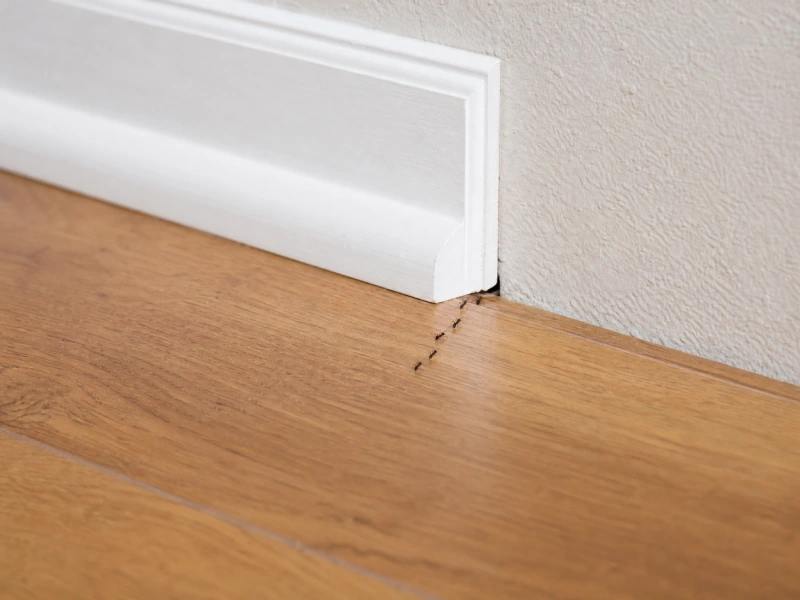
Baseboards are convenient travel edges, not automatically nest sites. Ants may be moving behind them from an exterior crack, plumbing opening, window, crawlspace, or neighboring unit.
Spraying the entire perimeter can kill exposed workers and leave the colony untouched. Repellent residue may also move traffic to a different gap, making the problem harder to map.
Observe before cleaning. Mark where ants emerge and where they go, then check the matching area on the other side of the wall.
Remove the Resource Room by Room
Sanitation is more than wiping the visible counter. Ants can use tiny amounts of grease, sweet film, pet food, crumbs, and water hidden beneath ordinary objects.
| Room | Food or water to check | Building clue to inspect |
|---|---|---|
| Kitchen | Appliance gaps, recycling, fruit, pet bowls, sink droplets | Backsplash seams, pipe holes, dishwasher area |
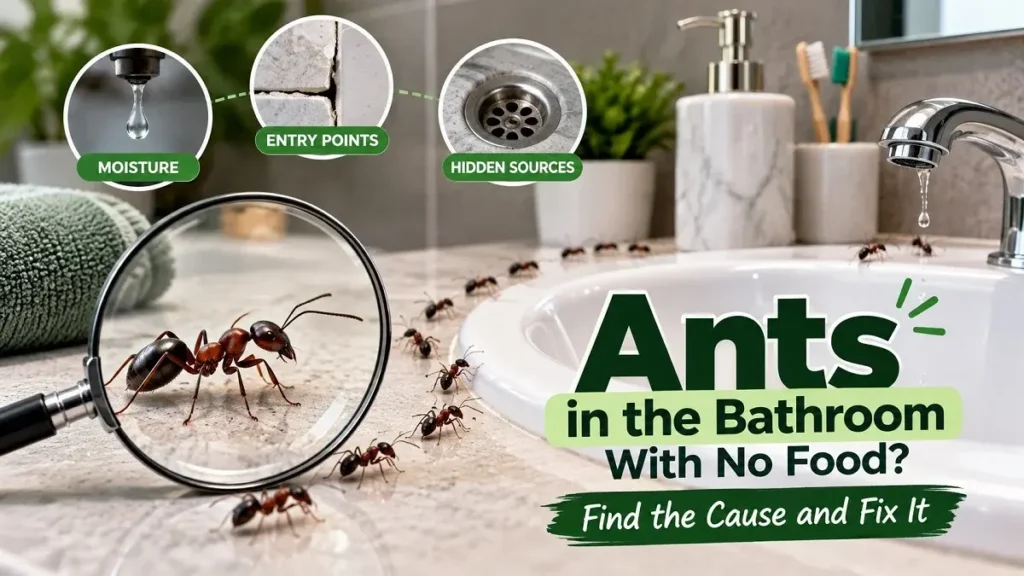
| Bathroom | Faucet drips, damp mats, residue, toilet condensation | Vanity plumbing, failed caulk, damp trim |
| Laundry | Detergent spills, lint, utility-sink water | Hose penetrations, floor drain, exterior door |
| Living area | Snack crumbs, plant honeydew, drink rings | Windows, patio door, cable entry |
| Garage | Pet food, trash, seed, beverage residue | Door sweep, slab joint, wall penetrations |
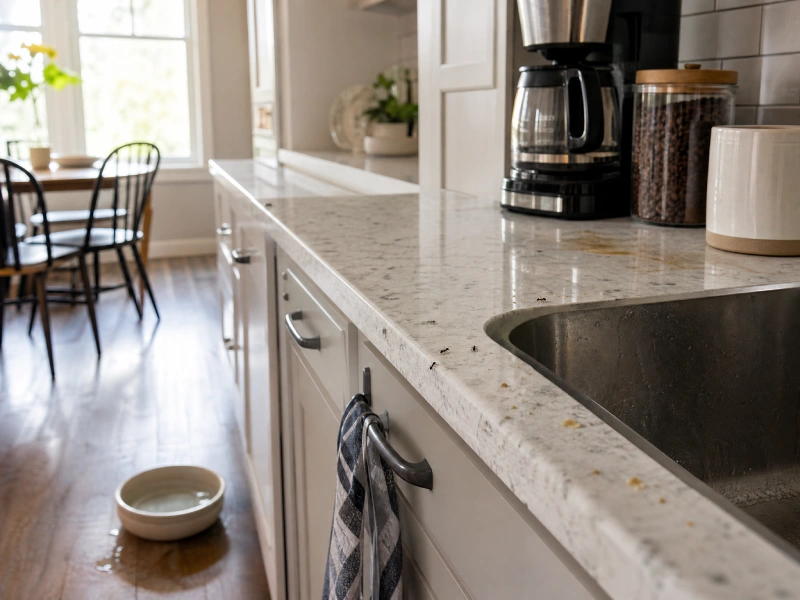
Store dry food in well-sealed containers, rinse recyclables, close trash, and clean beneath movable appliances. Dry sinks overnight while diagnosing activity and repair leaks instead of relying on fragrance or pesticide to mask the route.
Follow Returning Workers to the Entry Point
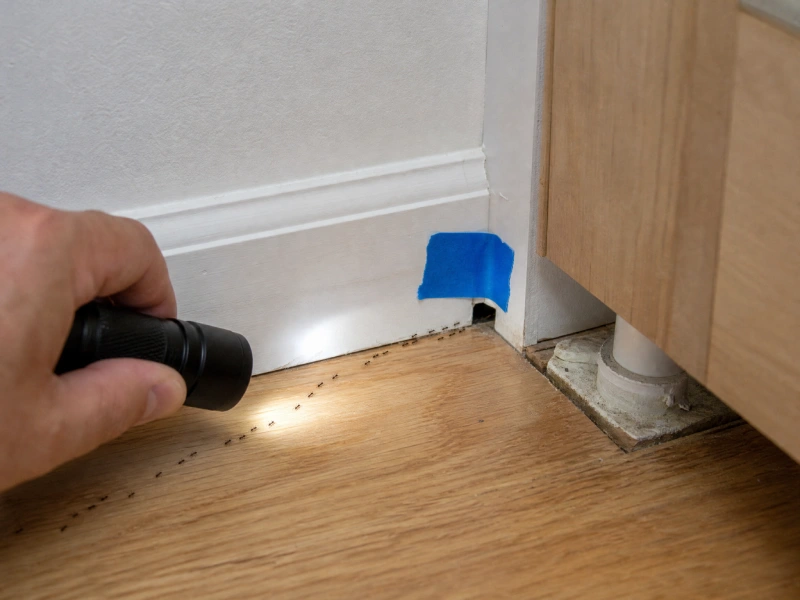
Ants leaving food or water often form a clearer return line than scouts entering the room. Use a flashlight held low and track the trail toward a crack, cabinet edge, pipe, or trim joint.
Mark the last visible point with painter’s tape. Inspect the same wall outside, above, below, and in the adjacent room. Wires and pipes can carry ants farther than expected inside a structure.
Use the full inspection plan in how to find where ants are entering your house when the trail disappears into a wall.
Confirm before sealing
- Repeated traffic uses the same opening.
- Ants travel in both directions.
- The point stays active at more than one observation time.
- A matching exterior or utility route is visible.
- The opening is not required for drainage or ventilation.
Use Bait Only Where Ants Are Already Active
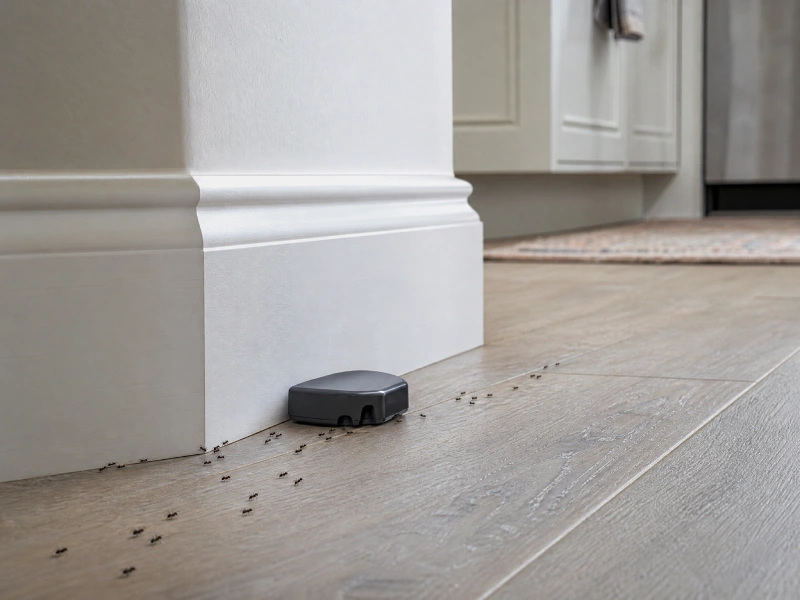
For many household ants, a slow-acting labeled bait can reach a hidden colony more effectively than killing foragers. Place it beside an established trail where the label permits and where children, pets, food, and water cannot contact it.
Do not spray or use strong cleaner near a station ants are accepting. Workers need to feed and return toward the nest. Keep the bait fresh and supplied according to its instructions.
Expect control to take time. How long ant bait takes to work explains the early recruitment stage, expected decline, and failure checkpoints.
Fix Moisture That Makes the House Attractive
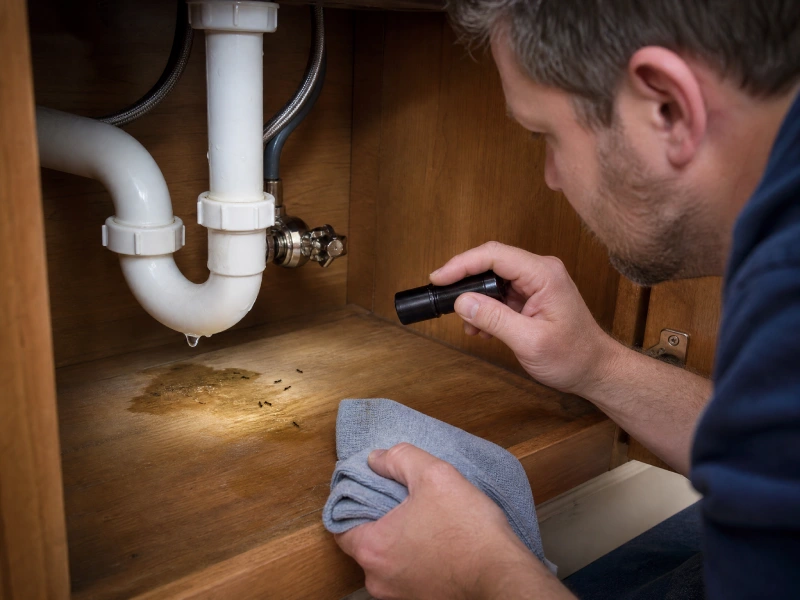
Ants often enter for water, especially during hot, dry periods or after outdoor nests are disturbed by heavy rain. A slow plumbing drip, wet cabinet base, condensate discharge, clogged gutter, or irrigation beside the foundation can create a dependable resource.
Check beneath sinks, around toilets, near dishwashers, at hose bibs, and along air-conditioning drainage. Look for staining, swollen material, soft trim, and persistent dampness.
Correct the source with the appropriate repair. Do not caulk over wet wood or use pesticide as a substitute for plumbing, roof, drainage, or ventilation work.
Change the Exterior Conditions Around the Foundation
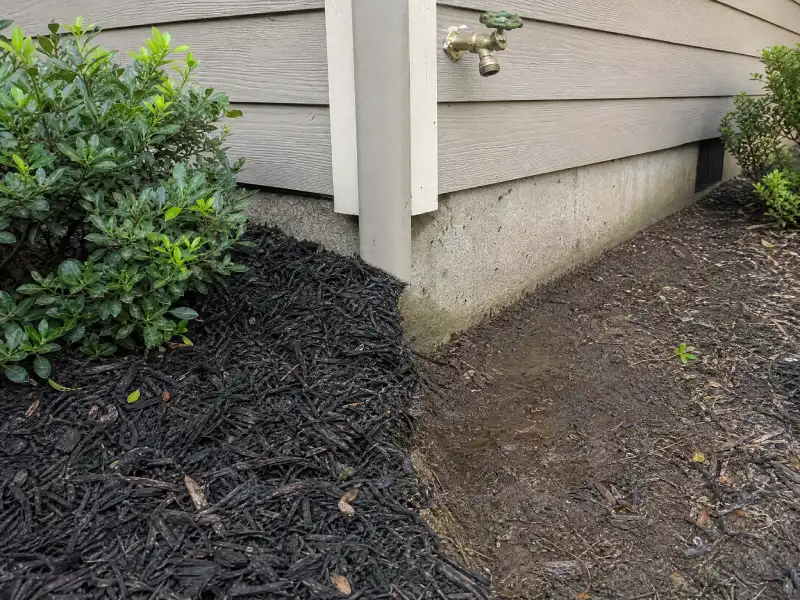
The goal is not to remove every outdoor ant. It is to reduce nesting and foraging conditions directly beside the building.
Keep mulch and dense vegetation from pressing against siding or covering the foundation edge. Trim branches and vines that touch walls or rooflines. Pick up fallen ripe fruit, manage open trash, and correct irrigation that keeps the perimeter wet.
Inspect potted plants before moving them indoors. Ants can nest in container soil or tend sap-feeding insects on plants for their sweet honeydew.
Seal Gaps After Colony Activity Falls
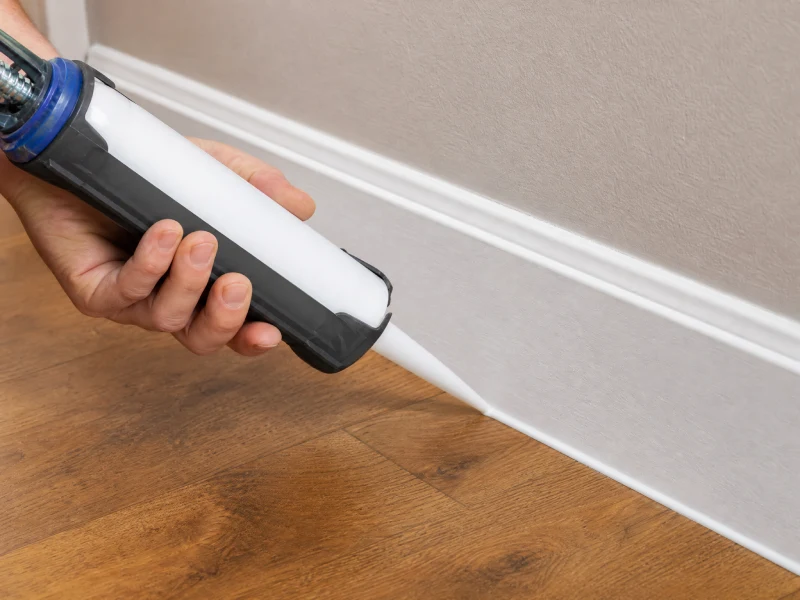
Exclusion is most effective when the active colony or trail has been controlled. Sealing too early can send workers to another opening.
Clean the old trail with soapy water after activity stops. Use compatible caulk for narrow stationary joints, door sweeps and weather stripping for moving doors, and proper screen or trim repairs elsewhere.
Do not block window drainage, masonry weep openings, vents, appliance clearances, or utility access. Large gaps, decayed material, failed flashing, and damaged siding need proper building repair.
Monitor Instead of Spraying on a Schedule
Check the former entry points weekly during the season when ants were active. Look beneath sinks, along the foundation, and around doors before a full trail develops.
Painter’s-tape markers, dated photos, and small monitoring cards can reveal a pattern without adding pesticide. Record weather changes as well; heat, drought, and rain can shift outdoor activity.
A few scouts do not always justify treatment. Remove them, clean the area, and watch for an organized route. Use control when evidence shows an active problem.
Do Not Rely on Strong-Smelling Home Remedies
Fragrances and household ingredients may disturb a visible trail temporarily, but they do not reliably eliminate the hidden colony or close the building gap. Some can damage stone, wood finishes, metal, or plants.
Never mix bleach, ammonia, drain cleaner, pesticides, essential oils, or other chemicals. “Natural” also does not guarantee safety for children, pets, skin, lungs, or food surfaces.
Use ordinary cleaning products for cleaning and labeled pest products only for their stated use. The article on why ant spray can make an indoor problem worse explains why repeated chemical disruption can prolong the cycle.
Adapt the Plan for Apartments
Ants can travel between units through utility chases, shared walls, and exterior building gaps. One apartment may provide food while another contains the visible route.
Document the rooms, dates, specimens, and emergence points, then report them to management. Ask for coordinated inspection of connected units and common areas rather than repeated spray in only your unit.
Report plumbing leaks, failed seals, and moisture damage promptly. Tenants should not open walls or make unauthorized structural repairs.
Know When Prevention Is Not Enough
Get professional help when ants sting, activity spreads through multiple rooms, a household member has a serious allergy, or insects emerge from electrical areas. Winged ants indoors, large ants near damp wood, and coarse debris from framing also need identification.
Persistent activity after accepted fresh bait can indicate the wrong bait, several colonies, an inaccessible nest, or a different insect. Ask the technician to identify the species, show the route or evidence, and explain what condition must be corrected.
Avoid a service plan based only on spraying every baseboard. Monitoring, targeted control, moisture correction, and exclusion should all have a clear role.
Build a Barrier Ants Cannot Easily Use
Keeping ants out is not one product application. It is a sequence that makes the home less rewarding and removes the routes workers have already proven they can use.
Clean hidden residue, dry and repair moisture sources, follow trails, control the colony where needed, improve the exterior edge, and seal confirmed gaps at the right time. That approach requires more observation at first, but it replaces the endless spray-and-return cycle with prevention you can maintain.