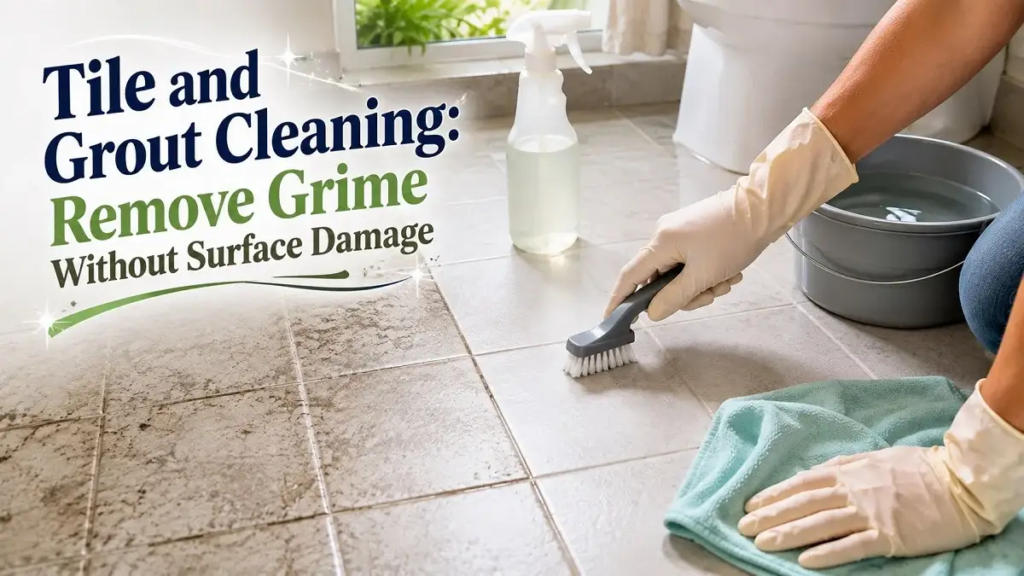
Why Does My Floor Make My Feet Black? Causes and Fixes

If your feet turn black after walking barefoot at home, the floor may look cleaner than it actually is. Fine dust, leftover cleaner, dirty mop water, worn floor finish or residue from mats and shoes can all transfer onto bare feet.
The key is figuring out what is transferring rather than simply mopping the floor again. In some homes, repeated cleaning can actually make the problem worse if too much product is used or dirty water gets spread back across the surface.
This guide explains why your floor makes your feet black, why it can still happen after mopping and how to narrow down the cause without damaging your flooring.
Why Does My Floor Make My Feet Black?
Black soles usually mean something on the floor surface is transferring to your skin.
The most common possibilities are:
- Fine dirt and dust that is difficult to see
- Cleaner or detergent residue
- Dirty mop water being spread across the floor
- A worn or deteriorating floor finish
- Moisture mixing with dirt and grime
- Residue from shoes, rugs or rubber-backed mats
- Installation or adhesive residue on newer flooring
The cause can vary by room and flooring type, so it helps to test the surface before changing your entire cleaning routine.
7 Common Reasons Your Floor Turns Your Feet Black
1. Fine Dirt and Dust Are Still on the Floor
A floor can look clean while still holding a thin layer of dust, soil, pet hair and other particles.
This is especially noticeable on smooth flooring because bare feet pick up the material as you walk. High-traffic areas near doors, kitchens and hallways may show the problem first because more outdoor dirt gets tracked through them.
If your feet become darker the longer you walk around the house, ordinary surface dirt is one of the first causes worth checking.
2. Your Floor Cleaner Is Leaving Residue
Using more cleaner does not always produce a cleaner floor.
Some detergents, soaps, polishes and multipurpose cleaning products can leave a thin film behind when they are overused, improperly diluted or unsuitable for the floor material.
That residue may feel slightly sticky or tacky and can collect dirt quickly. The result is a floor that looks freshly mopped but still leaves dark marks on bare feet or socks.
Always use a cleaner that the flooring manufacturer considers suitable and follow its dilution instructions rather than adding extra product.
3. Dirty Mop Water Is Putting Dirt Back Down
Sometimes the cleaning method is the problem rather than the cleaner.
Once mop water becomes visibly dirty, continuing to use it can move loosened grime from one part of the room to another. A dirty mop head can do the same thing.
This explains why some floors still make feet black immediately after mopping.
For larger or heavily soiled areas, change the water when it becomes dirty and rinse or replace reusable mop pads as needed.
4. The Floor Finish or Coating May Be Wearing Down
If repeated proper cleaning does not stop the transfer, inspect the floor itself.
Some finished flooring surfaces can become worn, dull or degraded over time. Wax, polish and other surface coatings can also build up or break down.
In that situation, the dark material may not be ordinary household dirt alone. Part of the surface buildup or deteriorated finish may be contributing to what transfers onto feet.
This is more likely if you notice dull patches, uneven shine, sticky areas or visible wear in high-traffic zones.
5. Moisture Is Mixing With Dirt
Damp flooring can make fine dirt easier to pick up.
This may happen after mopping, near an entrance on a rainy day, around kitchen spills or in rooms where the floor stays damp longer than expected.
Allowing the surface to dry fully before walking barefoot can help you tell whether moisture is contributing to the problem.
6. Shoes, Rugs or Mats Are Leaving Residue
The floor may not be producing the black material by itself.
Outdoor footwear can track in soil, road grime and fine particles. Some mats can also discolor or leave material on certain floor surfaces, particularly if their backing is not compatible with the flooring.
If the problem is concentrated around an entrance or under a mat, move the mat temporarily and clean a small test area. Check the flooring manufacturer’s guidance before choosing replacement mats or rugs.
7. A New Floor May Still Have Installation Residue
New flooring can sometimes carry residue from installation, including adhesive, grout haze, dust from construction or other surface material.
If black or gray residue began immediately after a renovation or flooring installation, check the care instructions for that specific product before using stronger cleaners.
Different flooring materials require different cleanup methods, and an aggressive product can cause more damage than the original residue.
Why Are My Feet Still Black After Mopping?
This is one of the most important clues.
If your feet turn black shortly after the floor has been mopped, the problem may be the cleaning process rather than a lack of cleaning.
Common reasons include:
- Using too much cleaning solution
- Using a product that leaves a film
- Mopping with dirty water
- Using a dirty mop head or pad
- Moving loosened dirt instead of removing it
- Walking on the floor before it has fully dried
Do not automatically respond by adding more detergent. That can create additional buildup.
Instead, start with a clean mop or pad and follow the cleaning instructions recommended for your specific flooring.
How to Tell What Is Making Your Feet Black
You can often narrow down the cause with a few simple checks.
Try the White Sock Test
Put on a clean pair of white socks and walk through the affected room for several minutes.
If the soles become gray or black, the floor is clearly transferring material even if the surface looks clean.
Pay attention to where the socks become darkest. That can reveal whether the problem is concentrated near entrances, cooking areas or high-traffic paths.
Use a White Cloth or Paper Towel
Wipe a small section of floor with a clean, slightly damp white cloth.
If it picks up dark residue, there is still transferable material on the surface.
Repeat the test on a low-traffic area. If one area comes away clean while another turns the cloth dark, ordinary tracked-in dirt is more likely than a whole-floor material problem.
Think About What Changed
Ask whether the problem started after:
- Switching floor cleaners
- Applying polish or wax
- Buying a new rug or mat
- Installing new flooring
- Changing your mopping method
- Renovation or construction work
A recent change can often point toward the source much faster than repeatedly deep-cleaning the entire room.
Which Flooring Types Can Make Bare Feet Dirty?
| Floor Type | Common Issue to Check |
|---|---|
| Hardwood | Dust, unsuitable cleaner, finish buildup or worn coating |
| Laminate | Cleaner film, dirt buildup or excess moisture during cleaning |
| Vinyl / LVP | Surface dirt, detergent buildup, adhesive residue or incompatible mats |
| Tile | Fine dirt, cleaner film and dirty grout lines |
| Concrete | Dust, surface debris or deteriorating coating/sealer |
| Carpet | Embedded soil, tracked-in dirt or material from fibers and backing |
The correct fix depends on the material. A cleaning method that works for tile may be unsuitable for hardwood, laminate or vinyl.
How to Stop Your Floor From Making Your Feet Black
Work through the problem in this order instead of trying multiple products at once.
- Vacuum or sweep thoroughly. Remove loose dirt before wet cleaning.
- Start with clean equipment. Wash the mop head, replace the pad or use a fresh one.
- Check your floor-care instructions. Use a cleaner approved for your flooring material.
- Measure the cleaner correctly. More product can mean more residue.
- Change dirty water. Do not keep spreading heavily soiled mop water across the room.
- Allow the floor to dry completely. Then repeat the white-sock or white-cloth test.
- Inspect the finish if residue continues. Persistent transfer after proper cleaning may point to coating, wax or finish issues rather than ordinary dirt.
Should You Use Vinegar on the Floor?
Do not assume vinegar is a universal floor cleaner.
Its suitability depends on the flooring material and finish. In particular, wood-floor guidance may specifically advise against acidic cleaners because they can damage certain finishes.
The safer rule is simple: check the care instructions for your flooring rather than relying on a single homemade cleaning recipe for every surface in the house.
Can a Steam Mop Fix the Problem?
Not necessarily.
Steam is not suitable for every flooring type, and some manufacturers advise against it because heat and moisture may affect the floor or its finish.
A steam mop should therefore not be treated as the automatic solution for black residue. Check your flooring manufacturer’s instructions first.
What If Only One Room Makes Your Feet Black?
A room-specific problem can provide a useful clue.
If only the kitchen causes dark soles, look at cooking residue, high foot traffic and the cleaning products used there. If the problem appears near an exterior door, investigate tracked-in dirt, footwear and entrance mats.
If one newly renovated room is affected, installation dust, adhesive or grout residue deserves more attention.
Comparing affected and unaffected rooms often makes the real cause easier to spot.
What If the Black Color Does Not Wash Off Your Feet?
If the discoloration wipes or washes away easily, that supports the idea that material from the floor has transferred onto your skin.
If the color does not wash off normally, appears when you have not been walking barefoot, or comes with skin changes or discomfort, do not keep treating the floor as the assumed cause. In that situation, appropriate medical advice may be more useful than additional floor cleaning.
How to Prevent the Problem From Coming Back
Once you have identified the cause, prevention is usually simpler than repeated deep cleaning.
- Remove loose dirt regularly from high-traffic areas
- Use compatible entrance mats
- Keep mop heads and reusable pads clean
- Avoid overusing detergent
- Clean spills before they spread grime across the floor
- Follow the care instructions for your specific floor finish
- Recheck worn coatings if proper cleaning no longer solves the problem
The goal is not to make the floor sterile. It is to stop transferable dirt and residue from building up faster than routine cleaning removes it.
FAQs
Why do my feet turn black after I mop the floor?
Cleaner residue, dirty mop water or a dirty mop pad can leave transferable material behind. Use clean equipment, the correct amount of floor-safe cleaner and let the surface dry before testing it again.
Can floor cleaner leave residue that makes feet dirty?
Yes. Some products can leave a film when too much is used, when they are improperly diluted or when they are not suitable for the flooring material. That film can collect dirt and transfer it to bare feet or socks.
Why does my vinyl or hardwood floor make my feet black?
Possible causes include ordinary dirt, cleaner buildup, surface coating issues or residue from mats and footwear. The correct cleaning method differs between vinyl and hardwood, so follow the care guidance for the specific flooring product.
Final Thoughts
If your floor makes your feet black, start by looking for what is transferring rather than assuming the floor simply needs stronger chemicals.
Fine dust, cleaning residue, dirty mop water, worn surface coatings and tracked-in grime can all leave marks on bare feet. A white sock or cloth test can help narrow down where the problem starts.
Once you identify the likely cause, use the cleaning method recommended for your flooring and retest the surface. That approach is usually more useful than repeatedly mopping with stronger products and hoping the black residue disappears.