Ant Bait Attracting More Ants? What Is Normal
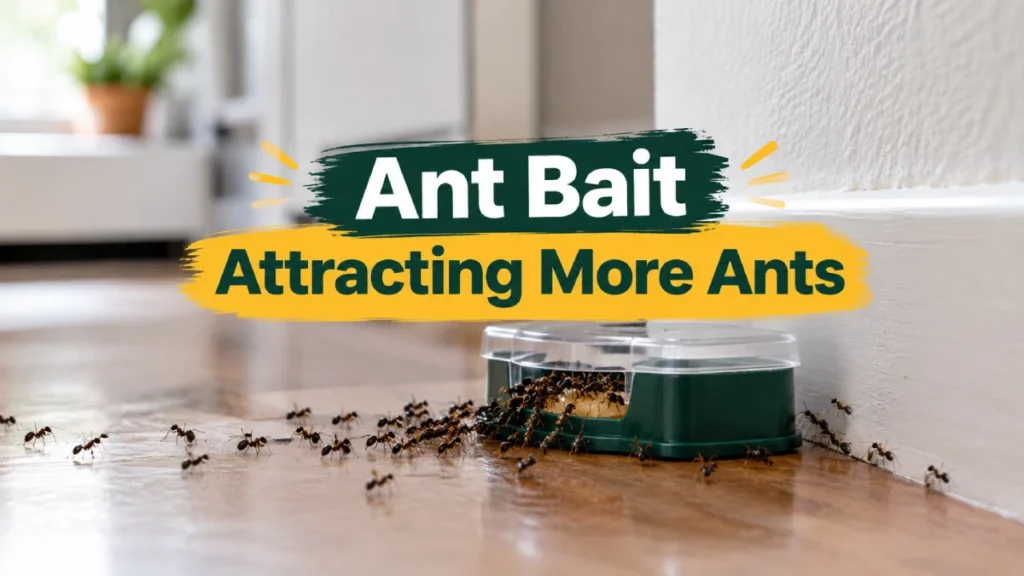
Ant bait can make a quiet ant trail look much worse overnight. That sudden crowd around the station is alarming, but it often means the bait has been found and workers are recruiting nestmates to collect it.
The important question is not simply whether more ants appear. Watch where they travel, whether they feed, and how the activity changes over several days. This guide shows what a working bait pattern looks like, what can stop it, and when the increase points to a different problem.
Quick answer: A short-term increase around ant bait is usually normal. Worker ants are gathering a slow-acting food bait and carrying it toward the nest. Leave the trail undisturbed, avoid spraying near it, and look for a downward trend rather than an instant result.
Why Ant Bait Can Increase Visible Activity
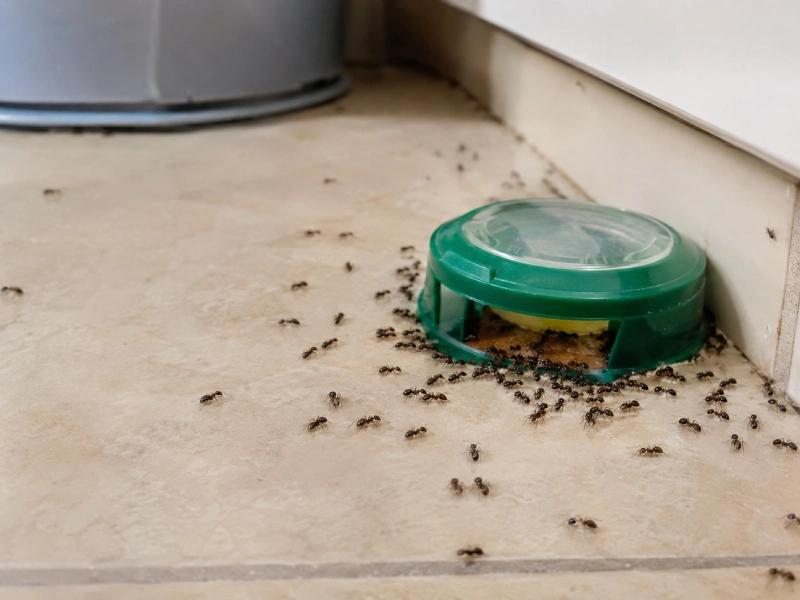
An ant bait combines a food attractant with a slow-acting active ingredient. A foraging worker finds the food, follows the route back, and recruits other workers. That recruitment can turn a few scattered ants into a steady line.
This is different from a repellent or contact spray. A bait needs workers to survive long enough to return to the nest and share what they collected. The ants you can see are part of the delivery process, not the full colony.
The station does not normally create a new infestation. It reveals ants that were already nesting nearby or traveling through a hidden route. Placement matters, however. A station set far from the existing trail can pull workers across a wider part of the room than necessary.
A Working Bait Trail Has a Predictable Pattern
Do not judge the treatment by the first busy hour. Use the pattern below to decide whether the ants are feeding normally or whether the setup needs attention.
| What you see | What it may mean | What to do |
|---|---|---|
| More ants clustered at the bait | Workers found and recruited to the food | Leave the bait and trail alone |
| A defined line to and from one gap | The route is established | Note the entry point for later sealing |
| Ants feeding without dying beside the station | A slow-acting bait may be working as intended | Continue monitoring |
| Many dead ants beside the bait immediately | The product may be too fast for the species, contaminated, or ants may contact another pesticide | Check the label and remove nearby spray residues if safely possible |
| Ants inspect the station but do not feed | The food type may not match their current preference | Reposition it or try a differently labeled bait formulation |
| Activity falls, then returns from another route | More than one colony, satellite nest, or entry point may exist | Map the new trail instead of moving bait blindly |
How Long Should the Extra Ants Last?
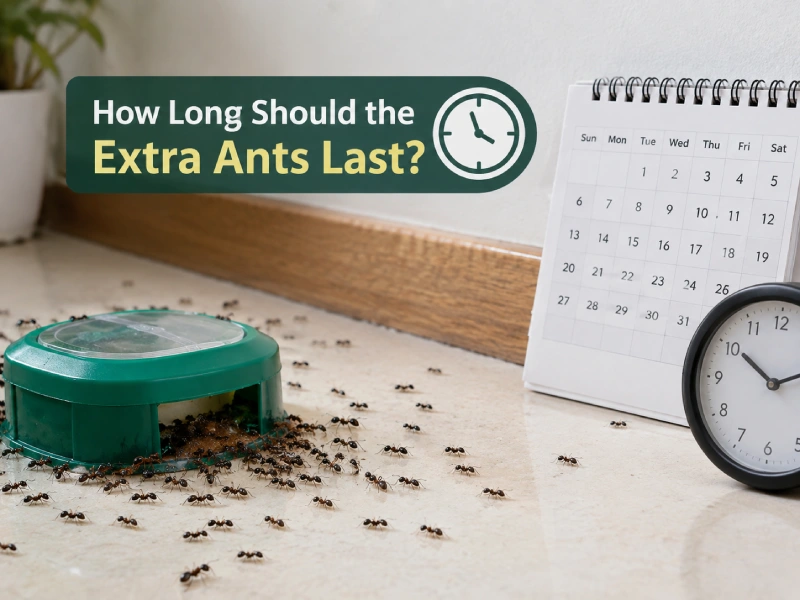
There is no single countdown for every home. Species, colony size, weather, competing food, bait type, and the number of nests all affect the result.
You may notice heavier feeding during the first day or two. Some infestations begin declining within several days, while full colony control can take weeks. A large or multi-nest problem may take longer.
Track the trend at roughly the same time each day. A phone photo of the bait and trail gives you a better comparison than memory. Count loosely—light, moderate, or heavy activity is enough.
A Useful Progress Check
- Are fewer ants reaching the station after several days?
- Is the bait still fresh and accessible?
- Are workers carrying or feeding on it rather than avoiding it?
- Has the trail stayed in one area instead of spreading room to room?
- Have you removed competing crumbs, grease, pet food, and sweet spills?
Leave the Trail Alone While Ants Are Feeding
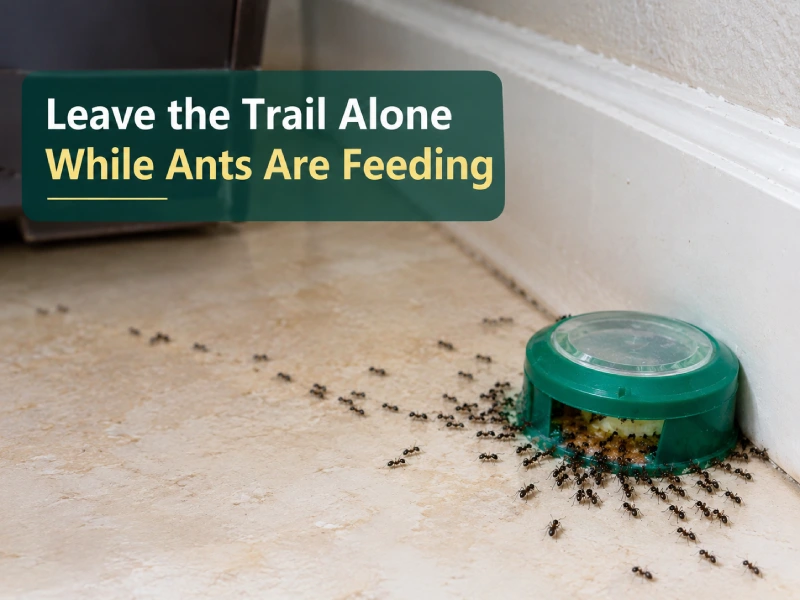
The urge to wipe out every visible ant is understandable. During active baiting, repeatedly killing the workers can slow delivery to the nest.
Do not spray the trail, station, entry crack, or the wall immediately around it. Household cleaner, fragrance, or pesticide residue can contaminate the bait or make ants avoid the route. Never mix products unless their labels specifically allow it.
You can still clean the rest of the room. Remove food residue, rinse recyclables, empty trash, and store pantry goods or pet food in sealed containers. Keep the small route between the entry point and bait undisturbed while feeding remains active.
If the trail crosses a food-preparation surface, do not leave exposed gel or loose bait there. Use a labeled enclosed station in an allowed location, or move the control effort to a safer point along the established route. Follow the product label for placement and cleanup.
Put Bait Beside the Route, Not Across the Room
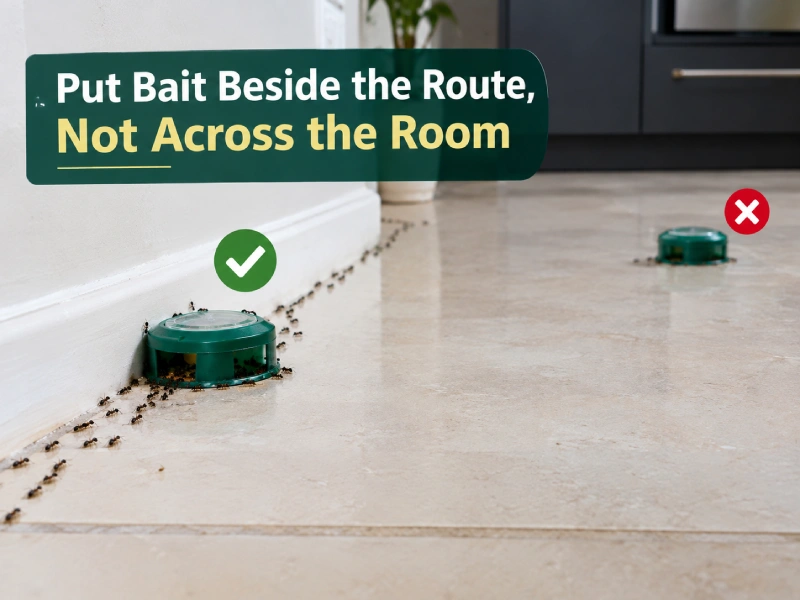
Good placement lets ants find the station without touring more of your home. Set it beside an active edge: near the gap below trim, beside a plumbing penetration, or along the wall where the trail already runs.
Avoid placing bait in the middle of a counter or open floor. Ants often travel along edges, and a distant station can lengthen the visible trail. Do not block the entry hole yet if ants are actively carrying bait through it.
Once activity has stopped, clean the old trail with soapy water and seal accessible gaps appropriate for the surface. Common routes include openings around pipes, cable penetrations, window trim, baseboard joints, and door thresholds.
When the Ants Ignore the Bait
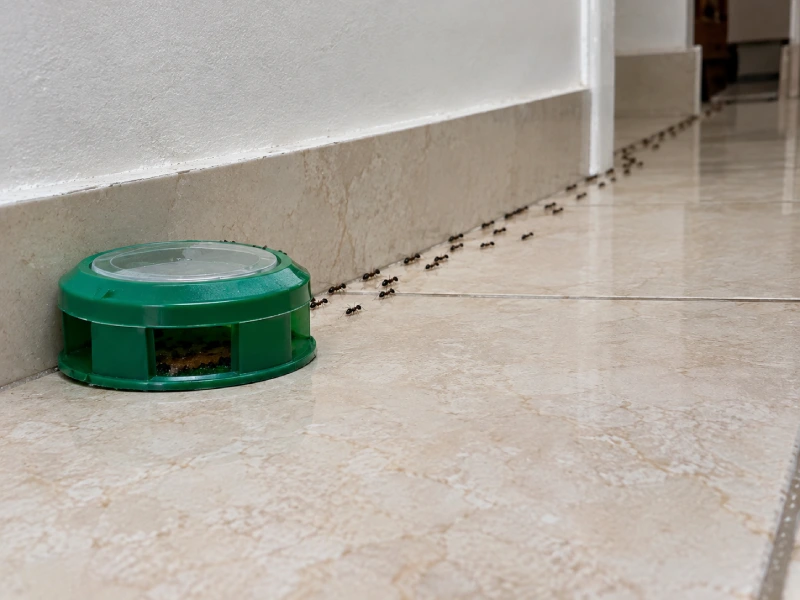
A station that attracts no ants is not automatically defective. Ant colonies can favor sugar, protein, or fat at different times, and products use different food bases. Competing food may also be more attractive.
First, move the station closer to the active trail without placing it where children or pets can reach it. Check whether the bait has dried, leaked, collected dust, or passed its labeled storage period. Replace it according to the instructions rather than adding fresh bait to a dirty surface.
If ants repeatedly inspect but refuse one product, a bait with a different labeled food formulation may work better. Do not improvise stronger mixtures or increase an active ingredient. A bait that kills workers too quickly may never reach enough of the colony.
Five Mistakes That Can Make Baiting Fail
1. Spraying the Ants at the Station
A spray can kill or repel the workers needed to carry bait home. It may produce a quick visual improvement without reaching the nest.
2. Cleaning Away the Active Route
Clean competing food elsewhere, but avoid repeatedly scrubbing the short active path while workers are feeding. Once activity ends, wash the trail and close the entry gap.
3. Letting the Bait Dry Out
Liquid and gel baits can thicken or dry. Stations can also empty during heavy feeding. Inspect them without disturbing the ants and replace them as directed.
4. Using Too Little for Heavy Activity
A busy colony can consume a small supply quickly. Use the quantity and spacing allowed on the label. Do not leave an empty station in place and assume treatment is continuing.
5. Ignoring a Second Trail
One room may have several entry points or more than one nest. Mark each route and monitor it separately. Randomly moving the only station can interrupt feeding without addressing the other path.
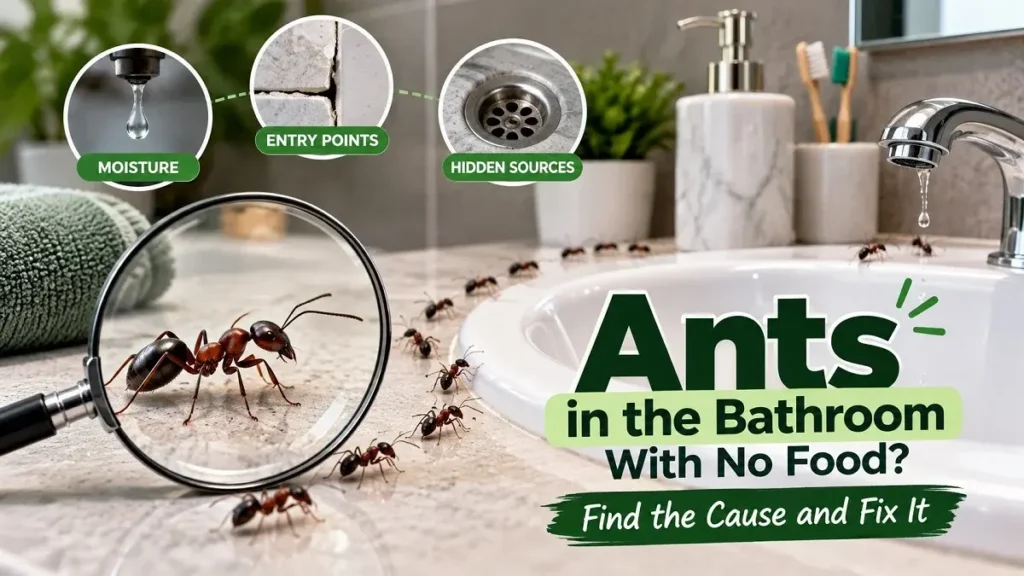
For a broader diagnosis, our guide to why ants keep coming back after cleaning explains how moisture, entry gaps, and hidden colony routes keep restarting activity.
Do Not Seal the Entry Point Too Early
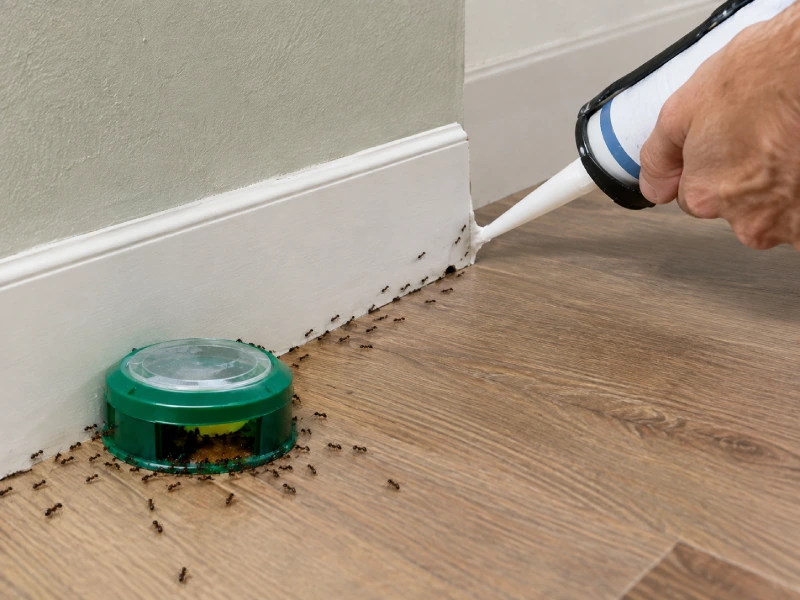
Sealing gaps is important for prevention, but timing matters. Closing the only visible crack while workers are feeding may divert the trail to another opening before the bait has affected the colony.
Note the route now. Wait until feeding and visible activity have stopped, then clean the trail and seal the accessible opening. Caulk is suitable for some stationary joints, while door sweeps, screens, escutcheon plates, or repairs may be needed elsewhere.
Do not seal an opening if doing so could trap moisture, obstruct drainage, cover damaged wiring, or interfere with ventilation. Repair the underlying building issue first.
Keep Bait Away From Children, Pets, and Food
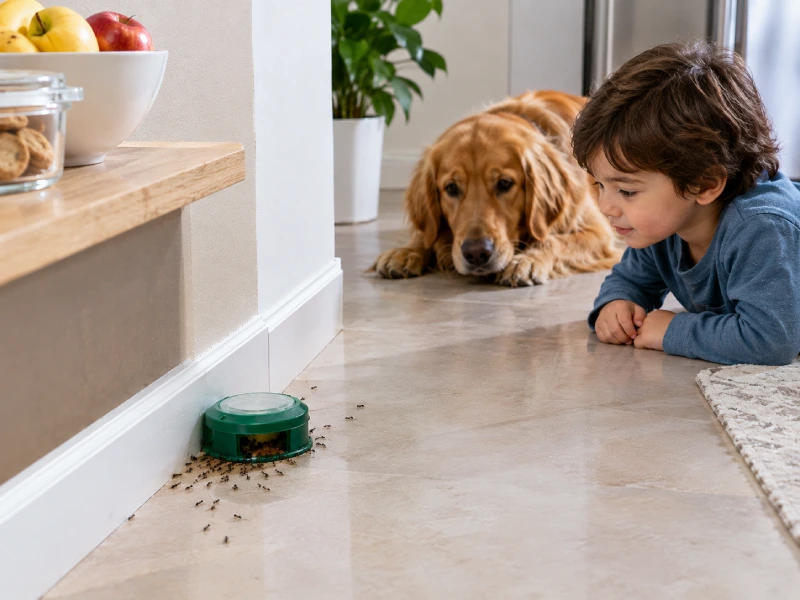
“Low risk” does not mean risk-free. Use only a product labeled for the pest and location. Keep the original label and packaging, and follow every direction for use, storage, and disposal.
Enclosed stations may reduce contact, but they still need secure placement. Do not put them where a child can pick them up, a pet can chew them, or food and utensils can touch leaked material. Clean a spill using the label directions.
If a person or animal may have swallowed or contacted the product, use the first-aid instructions on its label and contact the appropriate poison-control or veterinary service promptly. Do not wait for symptoms before seeking product-specific advice.
When More Ants Signal a Bigger Problem
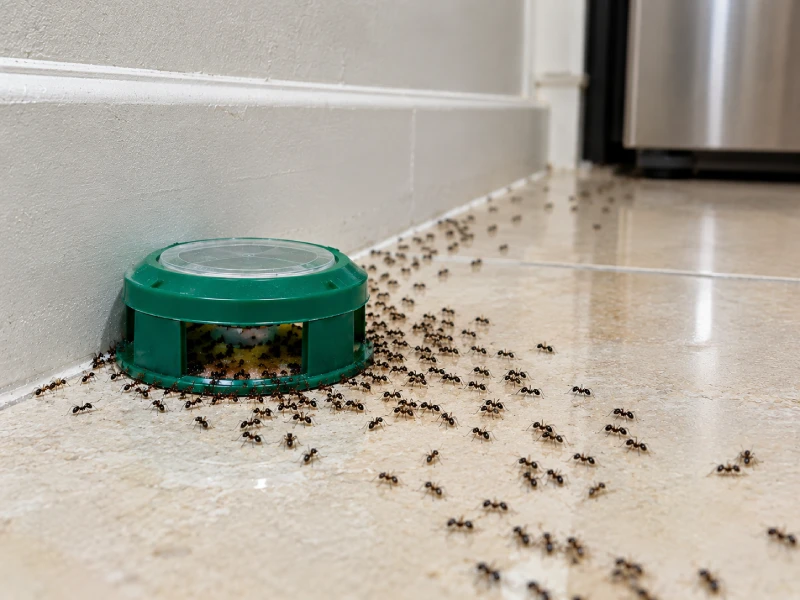
Some activity deserves more than continued waiting. Seek professional identification and control when you see large dark ants with moisture-damaged wood, piles of coarse debris, winged ants emerging indoors, several active rooms, or trails that continue despite correctly maintained bait.
Also escalate when the nest appears to be inside an electrical area, inaccessible wall void, roof structure, or another place that cannot be inspected safely. Stinging ants and species with medically important bites need a different risk assessment.
A pest professional should identify the ant, trace likely nest sites, explain why a product is suitable, and give clear follow-up steps. Ask what changes you should expect and when a return visit is included.
The Best Sign Is a Downward Trend
Seeing more ants after setting bait can look like failure, but a busy, organized feeding line is often the first stage of colony control. Keep the bait fresh, remove competing food, and avoid spraying or disturbing the route.
Judge progress over days rather than minutes. If feeding never begins, activity does not trend downward, or warning signs point to a hidden structural nest, change the diagnosis—not just the amount of bait.