How to Protect Appliances From Cockroaches

Warm motors, tight seams, crumbs, and condensation make kitchen appliances useful hiding places for cockroaches. A toaster or coffee maker can also move insects and egg cases to another room if it is carried away without inspection.
Protection starts by reducing what the appliance area offers, not by spraying into vents.
This plan covers large fixed appliances and small countertop equipment while keeping pesticides, moisture,
heat, and live electrical parts separate.
Quick answer
Unplug small appliances before exterior inspection, clean removable food-contact parts, vacuum accessible crumbs, and store unused equipment in sealed pest-resistant containers only after it is confirmed clear.
For refrigerators, ranges, and dishwashers, monitor nearby edges and use professionals for unsafe movement or internal contamination.
Rank Appliances by Risk
Not every appliance needs the same response. Equipment used daily around food and water deserves priority,
especially when it stays warm after use.
| Appliance | Main attraction | First check |
|---|---|---|
| Refrigerator | Compressor warmth, drip-pan moisture, floor crumbs | Rear wall edge, lower cover, drip pan, water line |
| Dishwasher | Water, food residue, warm cabinet void | Toe-kick, hose route, adjacent cabinet seams |
| Range or oven | Grease, crumbs, heat | Side gaps, lower drawer, backsplash, floor edge |
| Microwave | Food splatter, warm electronics | Exterior vents, cord area, cabinet around unit |
| Coffee maker | Water reservoir, grounds, warmth | Drip tray, removable tank, counter seam |
| Toaster | Crumb tray, warm internal void | Removable tray, cord, exterior vents |
| Air fryer or mixer | Grease/flour residue, motor housing | Removable parts, base seam, storage cabinet |
This table guides inspection; it does not authorize opening a housing or treating electrical components.
Do Not Spray Into an Appliance
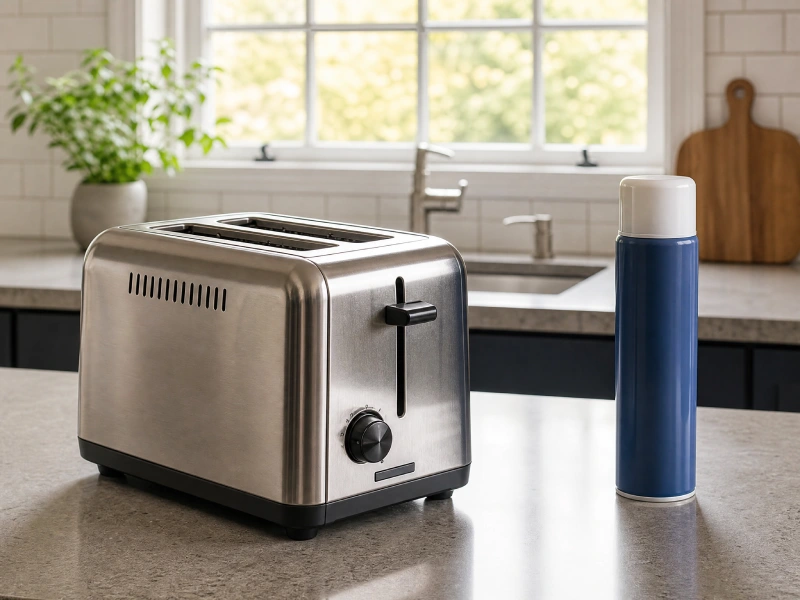
Pesticide inside vents, controls, motors, heating elements, or food-contact equipment can create electrical,
fire, and exposure hazards. An unlabeled internal application may also make the appliance unsafe to use.
Do not use foggers to “flush” insects from machines. Fog may not reach harborages and can leave residue on kitchen
surfaces while scattering cockroaches.
If pesticide has already entered an appliance, stop using it and seek product-specific guidance from the pesticide
manufacturer, appliance maker, poison-control service, or qualified professional. Do not assume ordinary wiping
removes internal residue.
Inspect Small Appliances on a Clear Surface
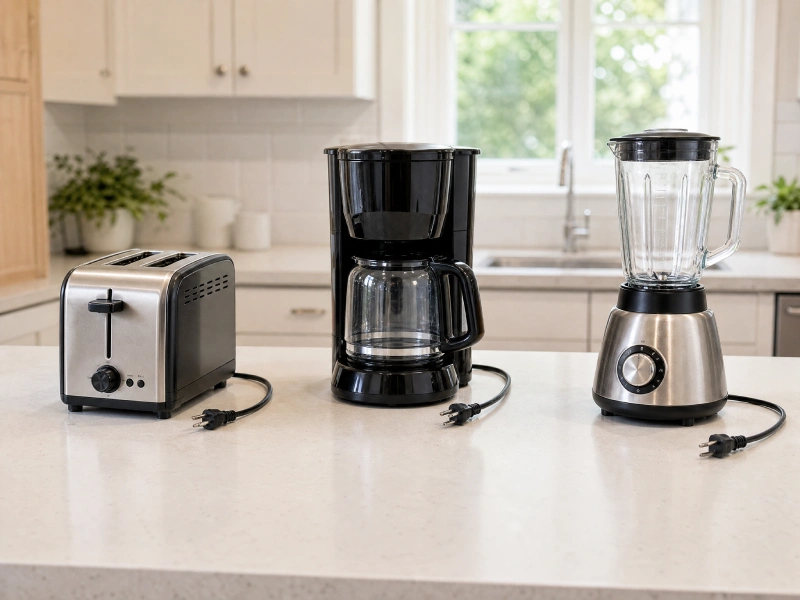
Choose a well-lit area away from food preparation. Unplug the appliance and allow it to cool. Place it on a light-colored tray or disposable paper so escaping insects and debris are visible.
Remove only user-serviceable trays, tanks, baskets, and plates described in the manual. Look for live cockroaches, nymphs, droppings, shed skins, or egg cases around exterior seams and the cord entry.
Do not open the electrical housing. If evidence emerges from the motor or controls, isolate the appliance without operating it and consult the manufacturer or an appliance professional about safe cleaning or replacement.
Clean Food-Contact Parts Without Flooding the Base
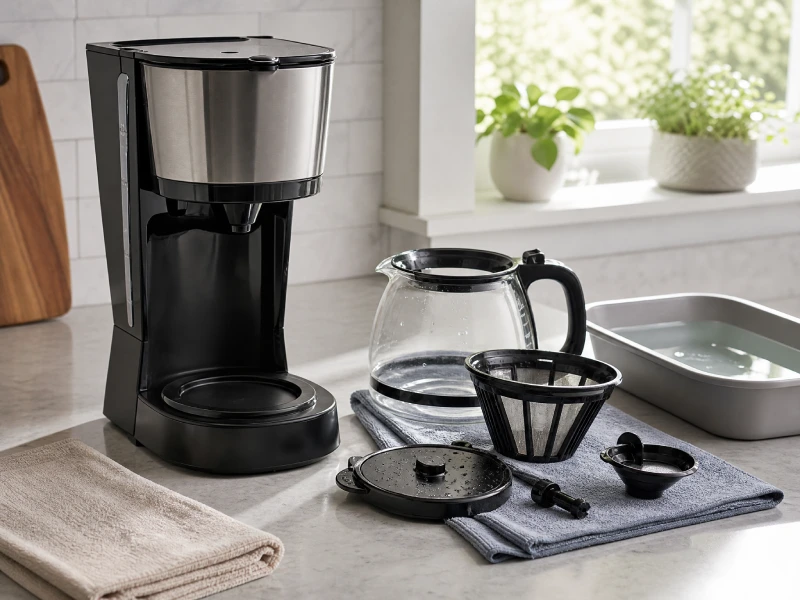
Wash removable parts according to the appliance instructions. Empty toaster crumb trays, coffee grounds, grease cups, drip trays, and filters after use.
Wipe the exterior with a compatible method. Never immerse a powered base or let cleaner run into vents. Allow parts to dry fully before reassembly.
Crumbs hidden beneath an appliance matter too. Vacuum and clean the counter seam, backsplash edge, and storage shelf before returning equipment.
Countertop appliance reset
- Unplug and cool the appliance
- Empty removable food and crumb trays
- Inspect exterior seams and cord entry
- Wash only manufacturer-approved removable parts
- Clean and dry the counter beneath it
- Store it only after monitoring shows no activity
Monitor Around Large Appliances
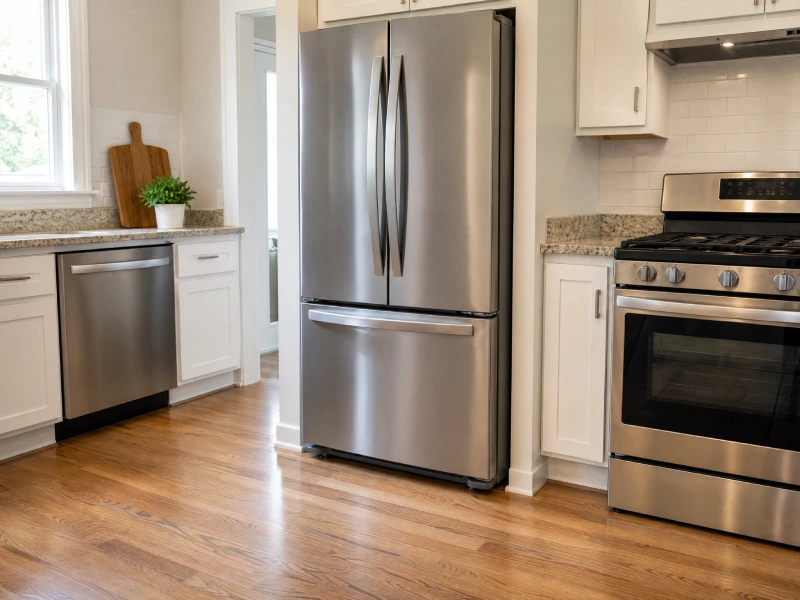
Place numbered sticky monitors tight against wall or cabinet edges near refrigerators, dishwashers, and ranges. Do not put traps inside machinery, where they block ventilation, or where heat and water can damage them.
Check daily at first and record adults, nymphs, and counts separately. Several sizes around one machine suggest a nearby harborage; scattered single adults may indicate wider movement.
For refrigerator-specific access and cleanup, follow the guide to cockroaches behind the refrigerator
Moving a Refrigerator or Range Can Create New Hazards
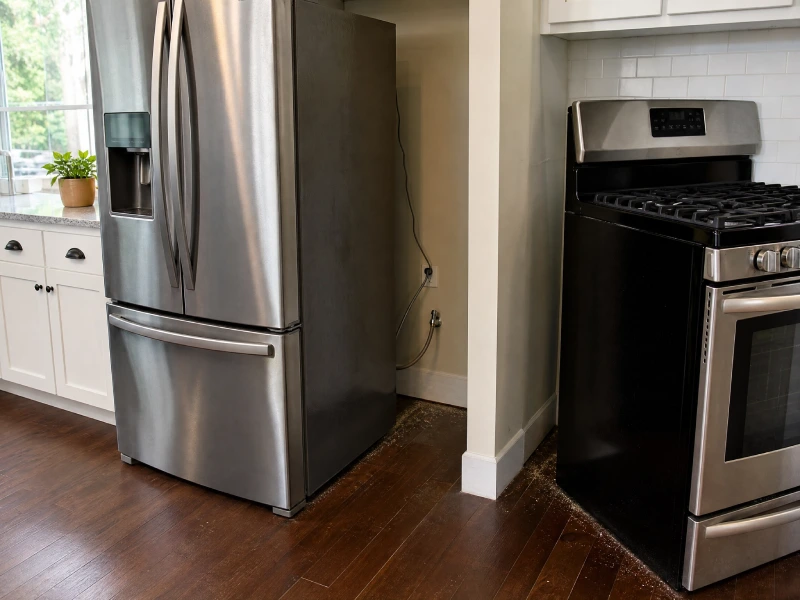
Large appliances can tip, damage flooring, stretch cords, kink water lines, or disturb gas connections. Never pull them using doors or handles.
Review the manual and use a helper. Leave built-in units, uncertain supply connections, corroded lines, damaged cords, and tight installations to a qualified appliance professional.
If you smell gas, see scorching, or notice a leak, address the utility or electrical hazard before pest work. Do not move the appliance simply to place pesticide behind it.
Keep Bait Near the Harborage, Not Inside Equipment
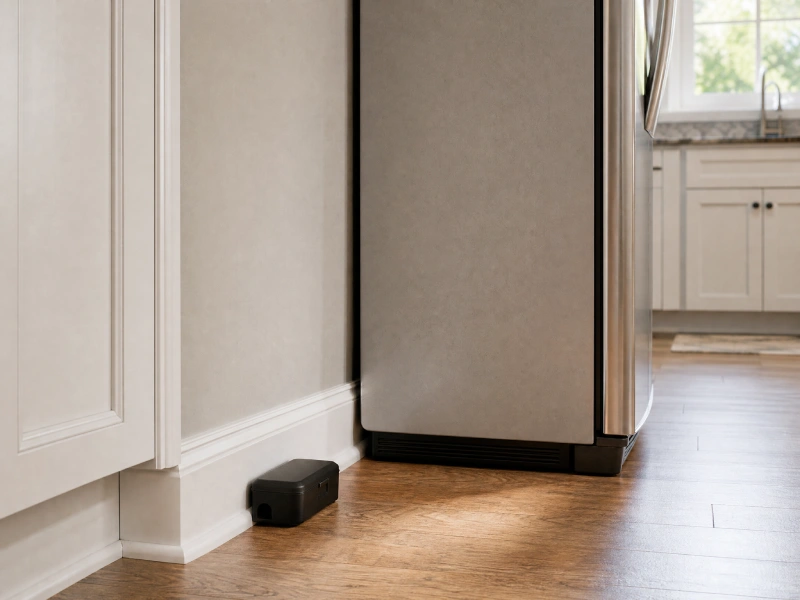
Labeled cockroach gel or enclosed stations may support a targeted plan when placed along accessible travel edges.
Follow the label for site, quantity, spacing, and replacement.
Keep bait away from food-contact surfaces, heat, cleaning water, children, and pets. Do not put it inside a toaster, coffee maker, refrigerator motor compartment, oven, dishwasher, microwave, or electrical housing.
Avoid spraying or using strong cleaner over bait. Continue sticky-trap monitoring to confirm whether activity declines.
Reduce Heat, Food and Water Between Uses
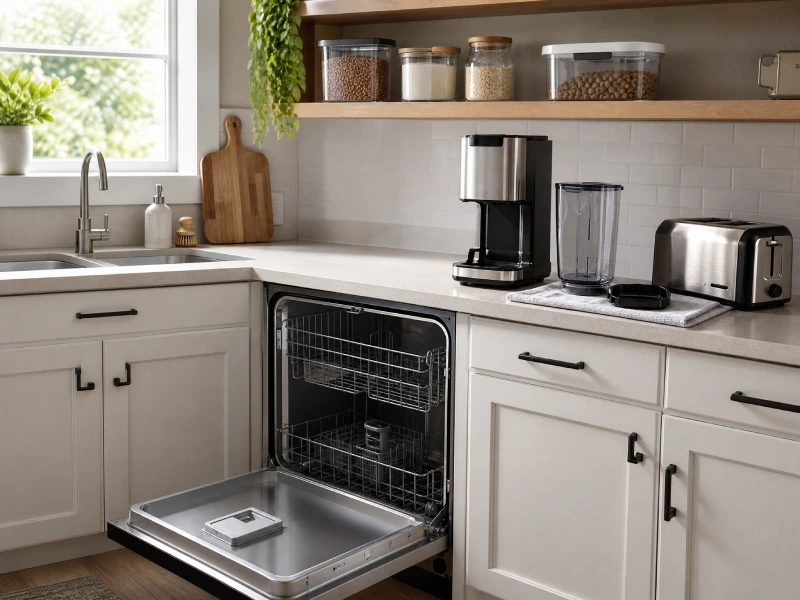
You cannot remove all appliance warmth, but you can remove other resources. Clean grease and crumbs, empty drip trays, dry removable reservoirs, and repair leaks.
Do not leave dirty dishes in a dishwasher overnight during an active infestation. Clean the filter as the manufacturer directs and check beneath the door seal without damaging it.
Store pet food and dry ingredients in sealed containers. Reduce cardboard and paper clutter around appliances and utility cabinets.
Isolate a Suspect Small Appliance Carefully
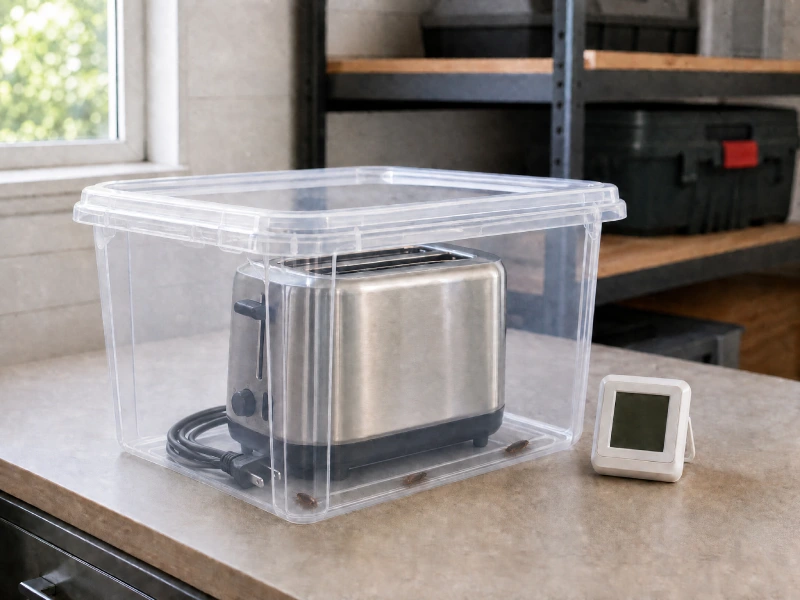
Do not carry a suspect appliance through the home uncovered. After it is unplugged and cool, place it in a sturdy clear pest-resistant container with a tight lid if its size and manufacturer guidance allow.
Do not seal a hot appliance, a battery that needs ventilation, or equipment that contains standing water. Do not add pesticide, mothballs, or improvised fumigants to the container.
A monitor placed according to its instructions can help confirm activity inside an isolation container. Ask a pest or appliance professional how to handle confirmed internal infestation.
Avoid Moving Infested Equipment to Another Home
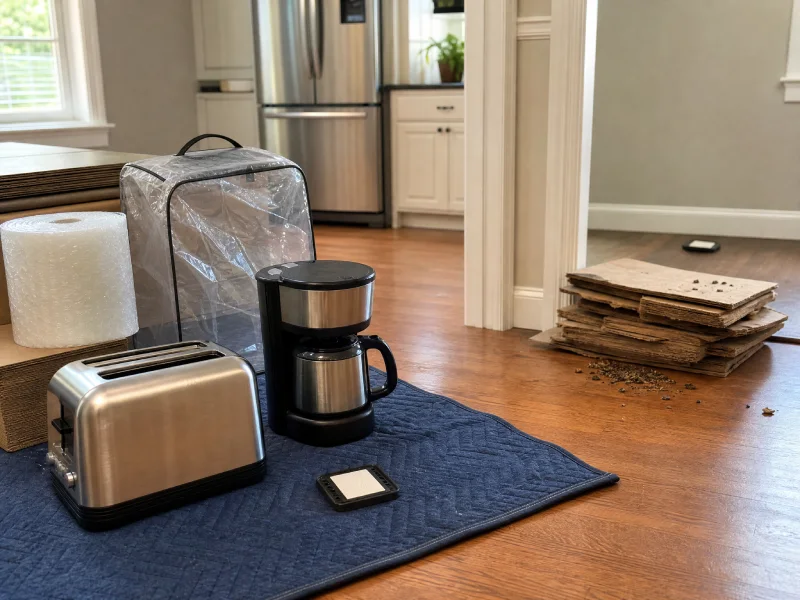
Used appliances can transport cockroaches and egg cases. Before selling, donating, storing, or moving equipment, inspect and monitor it until the infestation is controlled.
Discarding an appliance is not always necessary, but heavily infested low-value equipment may be difficult to clean safely. Follow local electronic-waste rules and prevent scavenging if disposal is chosen.
During a move, use clean packing materials and keep inspected appliances separate from infested cardboard. Check the new kitchen with monitors after arrival.
Clean Debris With Allergy Exposure in Mind
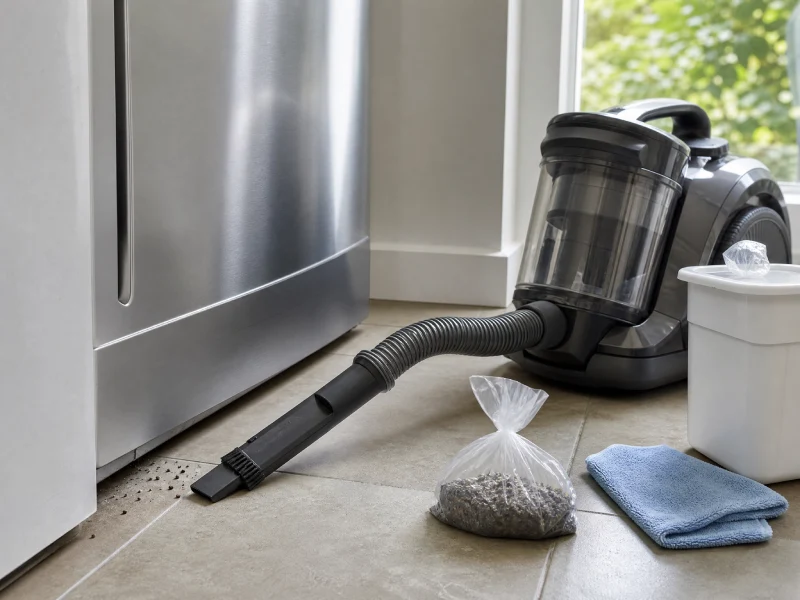
Cockroach droppings and shed skins can contribute to allergies and asthma. Avoid compressed air and dry sweeping around motors or floor cracks.
Use a HEPA or well-filtered vacuum on accessible surfaces. Seal and remove the collected waste, then clean the surface using a compatible method.
If contamination is heavy, inside machinery, or in a household with serious asthma, professional cleanup may be safer.
Protect Food After an Appliance Infestation
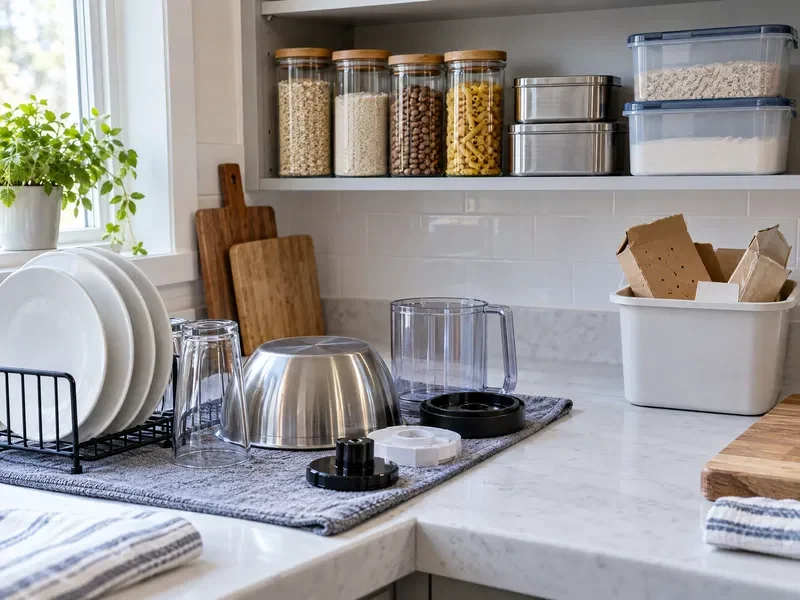
Discard exposed food that cockroaches or pesticide may have contacted. Wash dishes and food-contact parts as appropriate before use.
Food in intact, tight containers may remain protected, but inspect the exterior and storage area. Paperboard packages are easier for pests to hide around than sealed glass, metal, or heavy plastic.
When contamination is uncertain, follow local food-safety guidance rather than relying on smell or appearance.
Apartment Kitchens Need Coordinated Treatment
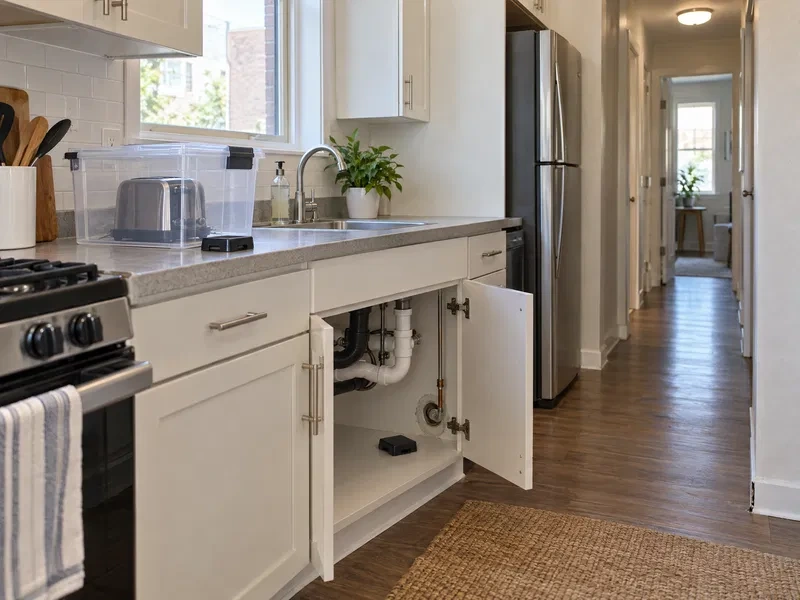
Cockroaches can travel through wall penetrations, shared plumbing, hallways, and neighboring cabinets. Protecting one appliance will not stop reinvasion from an untreated unit.
Record monitor counts and appliance hot spots for management. Ask whether connected units and common areas will be inspected and whether leaks and gaps will be repaired.
Do not move a suspect appliance into a hallway or shared storage area. Contain it and follow building instructions.
Call Professionals When Roaches Enter the Machinery
Get help when cockroaches emerge from controls, motors, electrical parts, built-in appliances, or gas equipment. The same applies to repeated nymphs, egg cases, high monitor counts, or several active appliances. A pest professional should identify and control the population around the harborage. An appliance technician should decide whether internal parts can be inspected or cleaned safely.
Share every pesticide or cleaner already used. Mention children, pets, asthma, allergies, pregnancy, and other exposure concerns before treatment. Protect the Appliance by Fixing the Kitchen System Appliance protection works when the surrounding kitchen becomes less useful to cockroaches. Remove crumbs and grease, correct moisture, reduce clutter, monitor edges, and use targeted control outside electrical components.
Inspect before moving equipment and measure progress with trap counts. Once activity is controlled, repair confirmed gaps so the refrigerator, range, and countertop machines do not become the next protected stop on the same route.