19 Bedroom Ideas for Single Women That Feel Like You
Your bedroom is the one room that is fully yours. You choose every colour, every texture, and every piece of furniture. No one else has to agree, and no shared habits shape the space. That freedom is a gift, but it can also feel hard to know where to start when the room feels plain or cluttered.
These 19 bedroom ideas for single women cover the whole room, from colour and bed to light, storage, and personal touches. Each idea comes with clear steps you can follow, plus tips for small rooms, rented homes, and tight budgets. You do not need to do all of them. Pick the ones that fit your room and your life.
Start with one idea tonight. A new throw, a moved lamp, or a single painted wall can change how the room feels by morning.
1. Start With a Calm Colour Base You Love
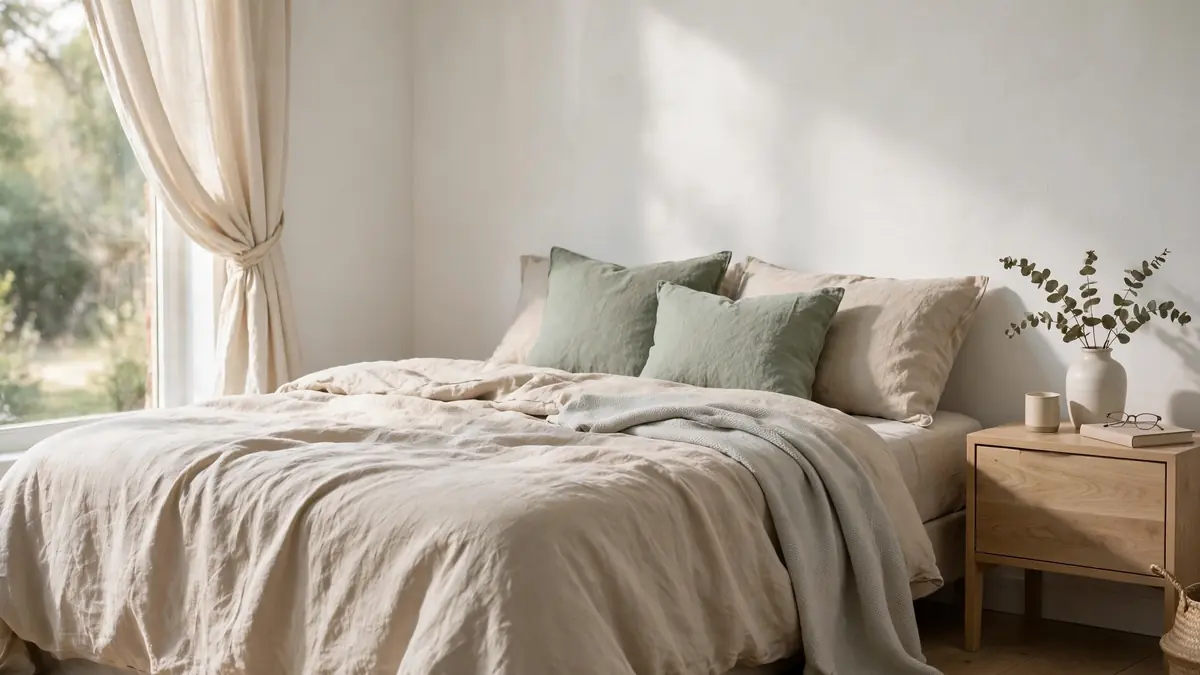
Colour sets the mood before a single piece of furniture arrives. Pick one main colour for the walls and large pieces, then add one or two accent colours in smaller items. Soft white, warm beige, and pale grey keep the room bright by day and gentle at night. Sage green, dusty blue, and blush pink add a soft, feminine feel without shouting.
Test your colour before you commit. Paint a patch at least 12 by 12 inches (30 by 30 cm) on two walls, one near the window and one near the door, and check it in morning and evening light. The 60-30-10 rule keeps the palette balanced: 60 percent in your main colour, 30 percent in a second shade, and 10 percent in an accent on pillows, art, or a throw. If you rent, skip the paint and build the base with bedding, curtains, and a rug instead.
2. Choose a Bed That Feels Like a Retreat
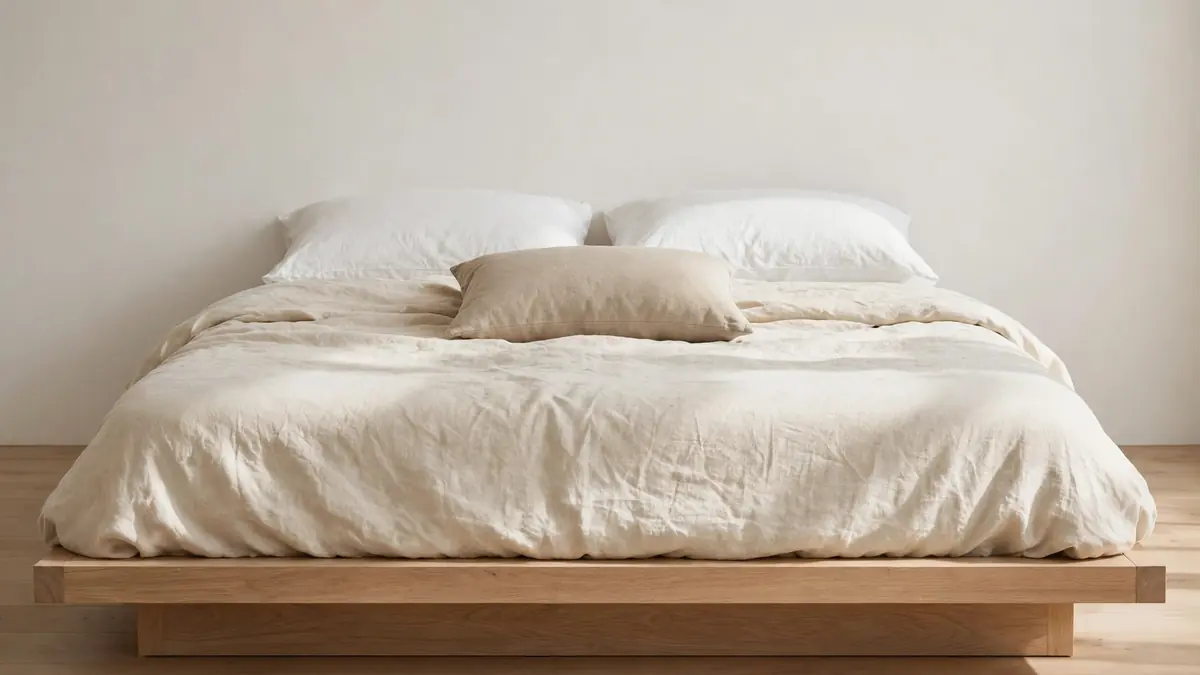
The bed is the heart of a solo bedroom. You spend about a third of your life asleep, so comfort comes first. Choose a mattress that supports your back and your sleep style. Side sleepers often like a softer top layer, while back and stomach sleepers often need firmer support underneath.
Pick a frame that fits the room, not just the bed. A plain platform bed with clean lines works in most rooms and lasts for years. If space is tight, a frame with drawers underneath adds storage without a second piece of furniture. Keep the headboard wall clear of clutter so the bed reads as the calm centre of the room, not one more crowded corner.
3. Layer Your Bedding for Softness and Style
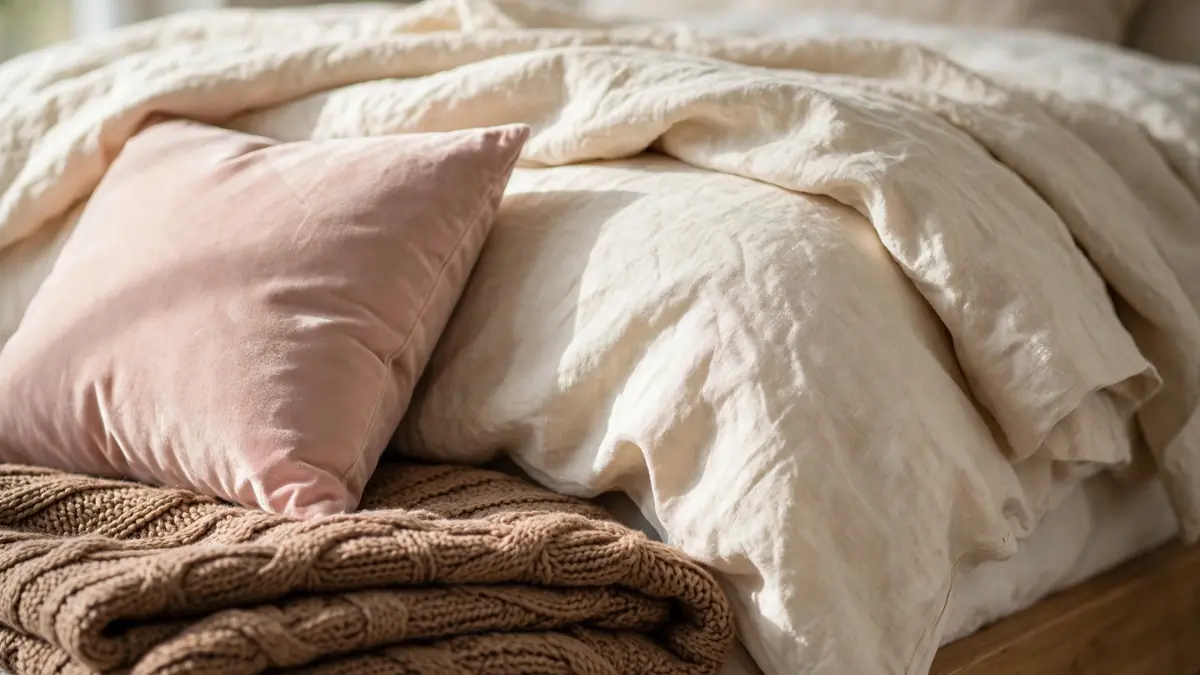
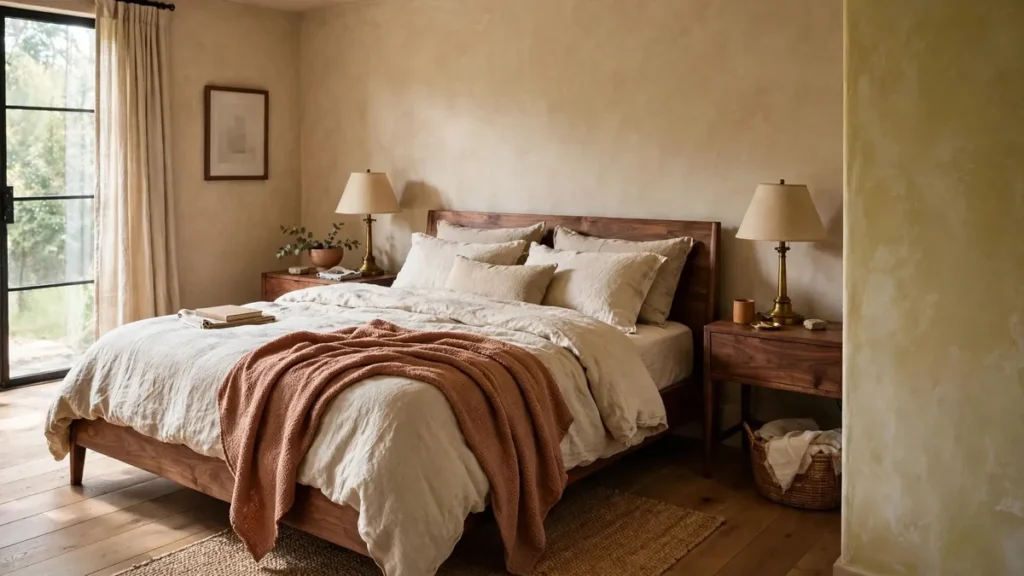
Layered bedding makes a bed look inviting and feel warm. Start with a soft fitted sheet, then a duvet or quilt, then one light throw folded at the foot. Two sleeping pillows are enough for most solo sleepers. Add one long cushion or two small ones for style.
Mix textures instead of matching everything. A linen duvet with a velvet cushion, or a cotton quilt with a chunky knit throw, adds depth that flat bedding cannot. Keep the palette close to your base colours so the layers feel planned, not random. A bed you can make in two minutes is a bed you will make every day, and a made bed makes the whole room look tidy.
4. Add a Statement Headboard That Anchors the Room
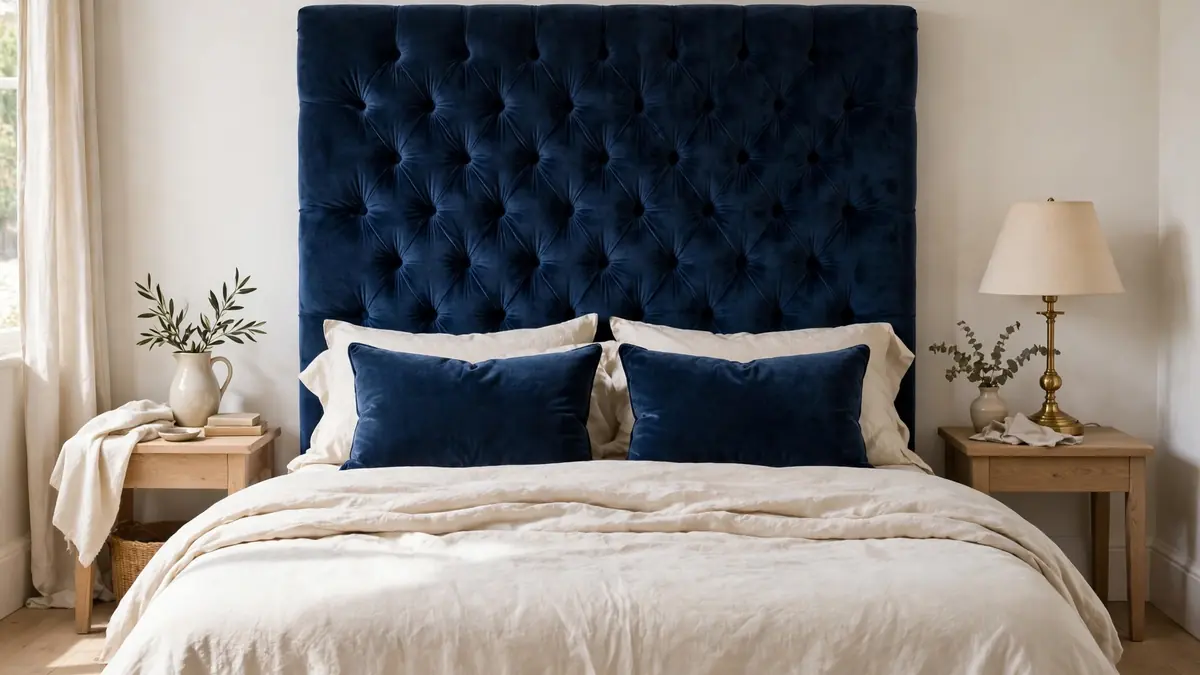
A statement headboard anchors the bed and gives the room a focal point. Choose a bold fabric like velvet or a sleek wood design that reflects your style. A tufted headboard in navy blue looks rich against light walls, while a rattan headboard adds warmth and texture to a neutral room.
Hang the headboard so its top sits above your pillows by at least 12 inches (30 cm). Layer it with coordinating throw pillows and a soft throw in your accent colour. If you rent or want a low-cost option, try a DIY upholstered headboard with foam and fabric, or hang a large piece of art or a woven wall hanging behind the bed instead. The goal is one strong shape behind the bed, not a busy wall.
5. Create a Dressing Corner That Makes Mornings Easy
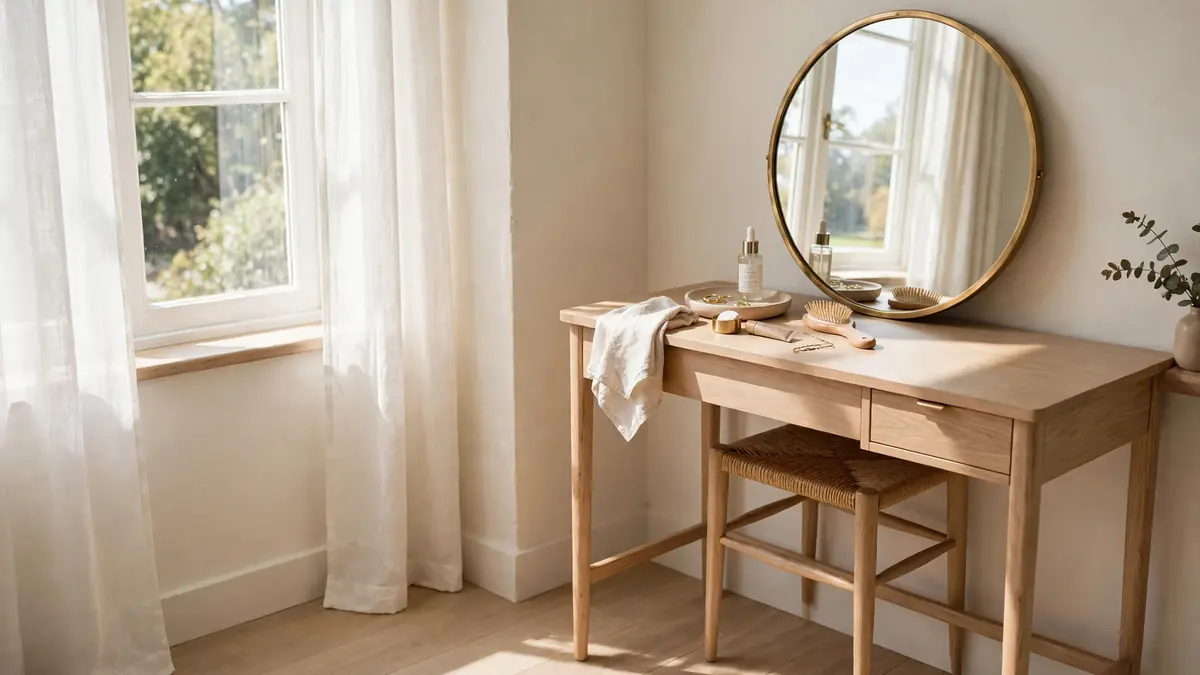
A small dressing corner makes mornings calm. You need a mirror, good light, and a flat surface, and one corner of the room is often enough. A narrow dressing table works in most rooms. If space is tight, use a wall-mounted shelf as your table and a small stool that tucks fully underneath it.
Place the mirror where natural light falls on your face. Morning light shows true colours for makeup and outfits. Avoid strong light from behind you, since it casts shadows. Keep only daily items on the surface and store the rest in a drawer or a small box. Add a hook nearby for tomorrow's outfit, and your morning routine gains a calm, fixed home.
6. Hang a Gallery Wall That Tells Your Story
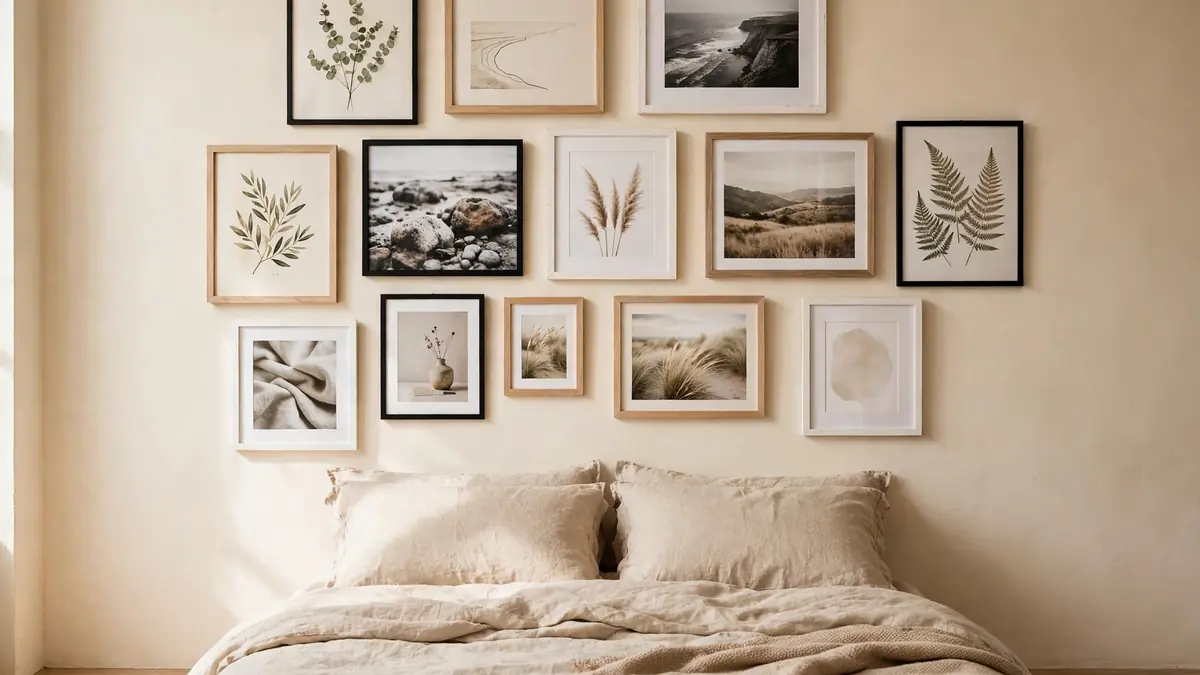
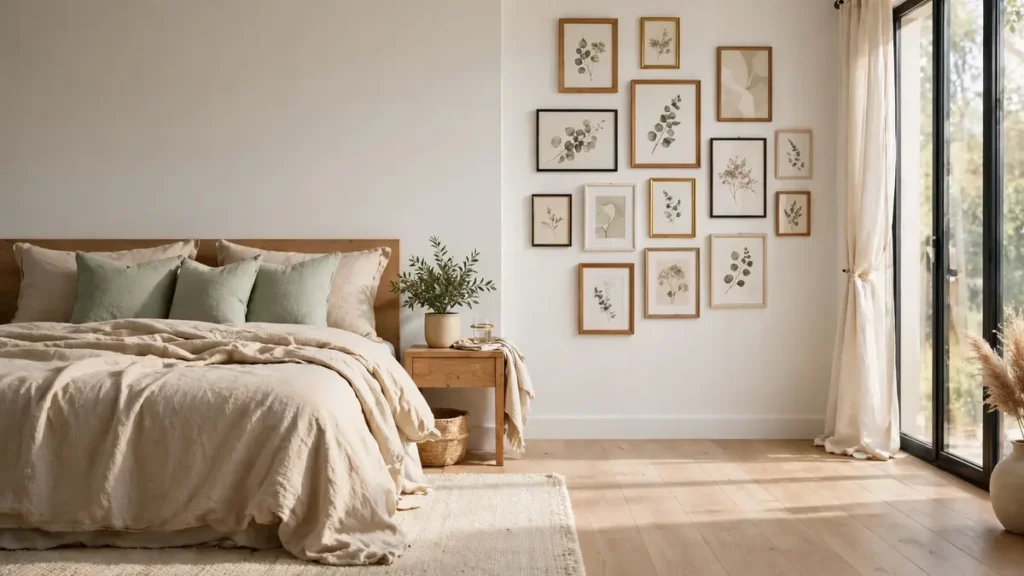
A gallery wall turns a blank wall into the most personal part of the room. Start with one wall, ideally above the bed or near a reading corner. Gather a mix of frames in different sizes, and include art you love, candid photos, and one or two inspiring quotes.
Lay everything out on the floor first and play with the arrangement before you hang anything. Mix frame styles for character, such as a wicker frame next to sleek metal, but keep one colour link between the pieces so the wall feels planned. If you rent, use removable hooks and check the weight limit on the pack first. A gallery wall works best when it tells your story, not when it fills space.
7. Bring in Plants for Freshness and Calm
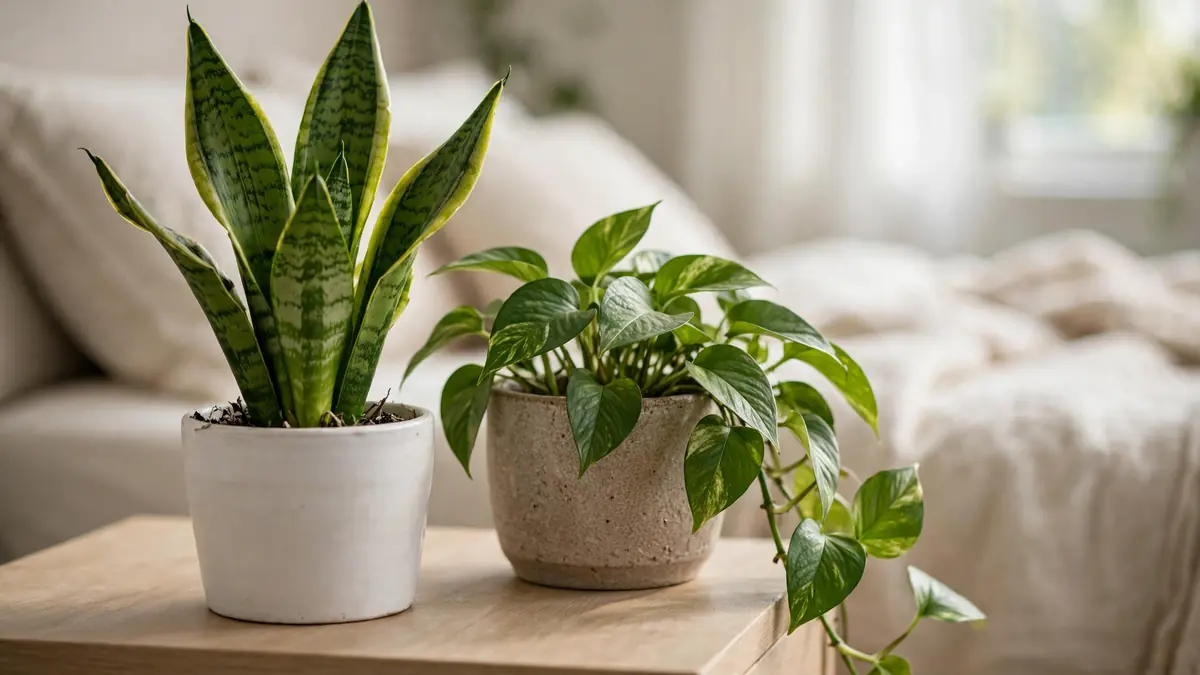
Plants add life, colour, and calm to a bedroom, and they ask for very little in return. Place a pothos or spider plant on your nightstand or window sill. Both are low maintenance and grow well in many light conditions. A snake plant or peace lily in the corner adds height and becomes a quiet statement piece.
Use pots that match your decor, such as plain white planters or textured ceramic pots. Keep the number small: three plants in different sizes look better than ten crowded together. If you are new to plant care, start with a snake plant, since it tolerates low light and missed watering.
8. Layer Your Lighting for Every Mood
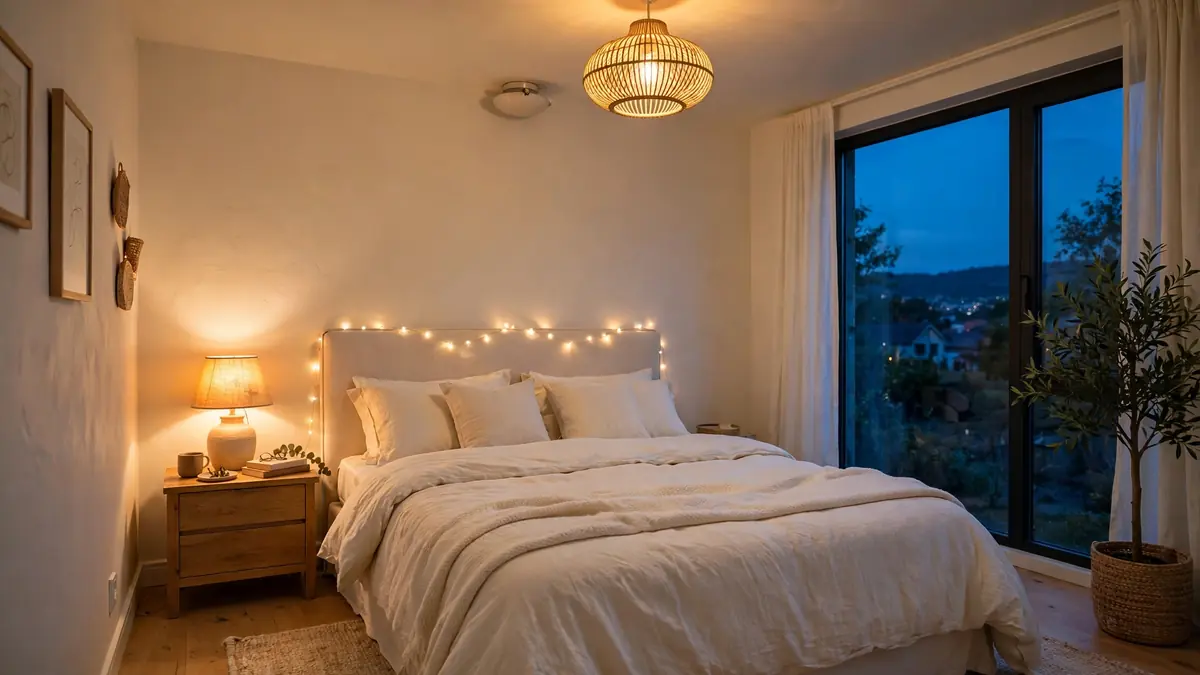
Good light changes how safe and calm a room feels. Plan three layers: a ceiling light, a bedside light, and a soft accent light. Each layer has its own job. The ceiling light covers the whole room, the bedside lamp helps you read and wind down, and accent light adds warmth in the evening.
Your bedside lamp matters most at night. Pick one you can switch off from bed, with no need to stand up. A warm bulb around 2700K feels soft and helps you relax before sleep. Add fairy lights along the headboard or around a mirror for a gentle glow, and use a dimmer if you can. Bright, cool light late at night keeps you alert, so save it for mornings.
9. Carve Out a Reading Nook in One Corner
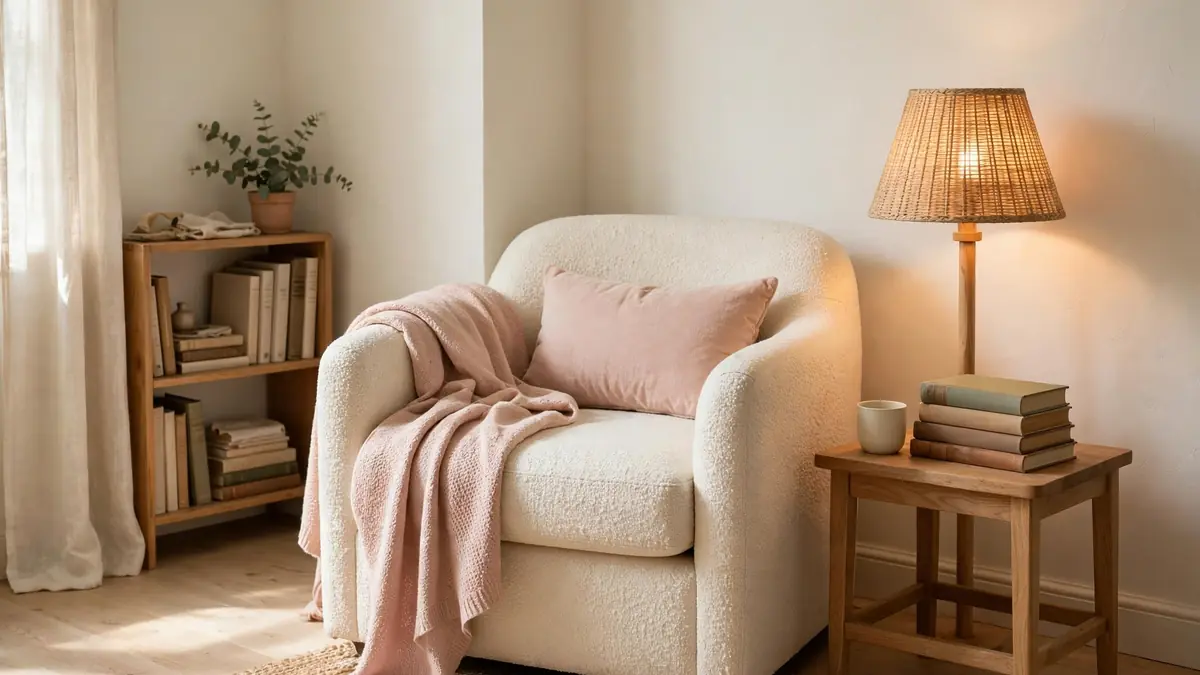
A reading nook gives you a place to sit that is not the bed, and that small change makes the room feel bigger. Pick the least-used corner and place a comfortable chair or a soft bean bag there. Add a plush throw blanket and one cushion so the seat invites you to stay.
Keep a small bookshelf or a stylish cart nearby so your current reads stay within arm's reach. Finish with a warm light source, such as a floor lamp or a string of fairy lights, for soft evening light. If the corner is small, a floor cushion and a wall-mounted light work just as well. The nook does not need much space. It needs a chair, a light, and a reason to sit there.
10. Set Up a Vintage Vanity for Your Beauty Routine
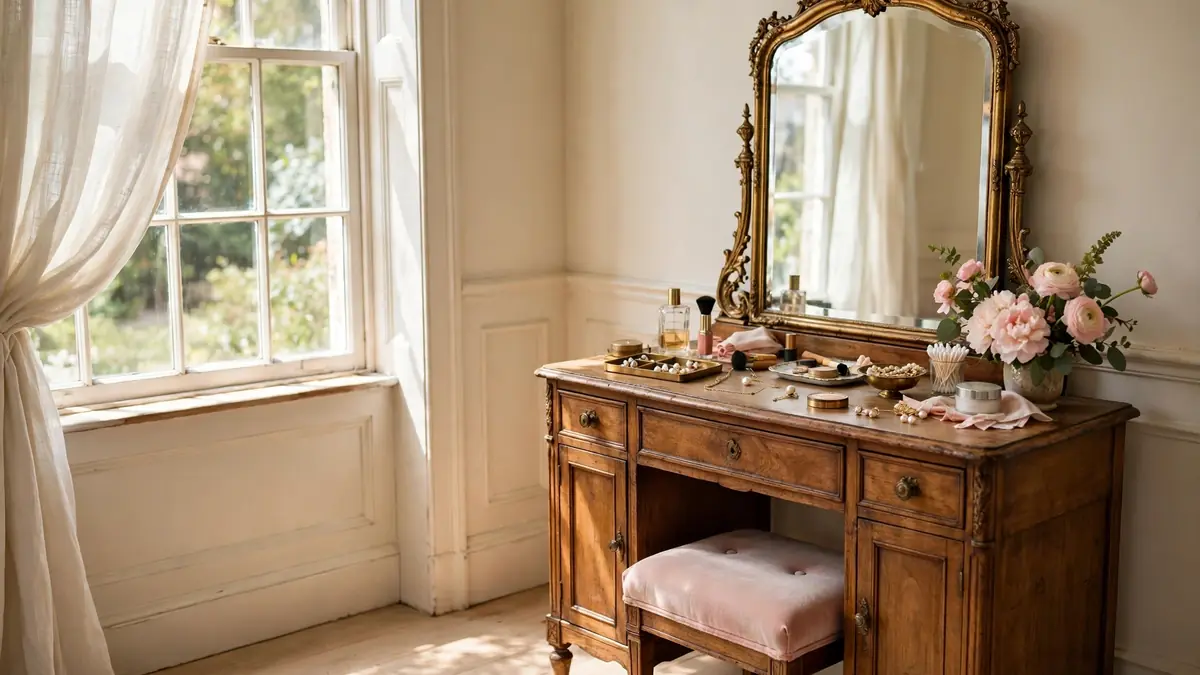
A vintage vanity adds charm and gives your beauty routine a proper home. Look for an ornate mirror and a small table at thrift stores or flea markets, and do not be afraid to mix finishes. A painted wood table with a brass mirror can look better than a matching set.
Place the vanity near a window so daylight falls on your face. Keep the surface clear except for daily items, and use small trays to hold makeup, brushes, and jewellery. A small vase of fresh flowers or a candle adds a personal touch. If space is tight, a wall-mounted mirror with a narrow shelf below it works as a mini vanity and takes almost no floor space.
11. Paint One Bold Accent Wall in Your Favourite Colour
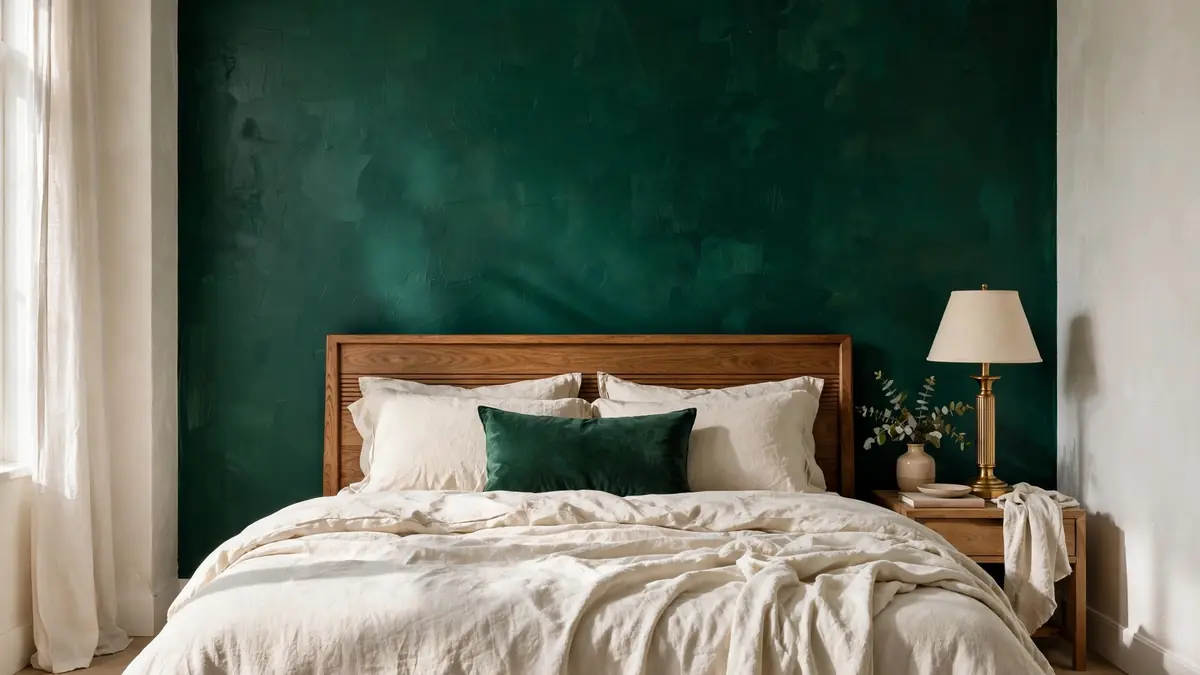
One bold wall can transform a plain bedroom without repainting the whole room. Choose a colour that feels like you, such as deep emerald green, rich burgundy, or dusty navy. Paint the wall behind the bed so the colour frames the room when you walk in.
Keep the other walls neutral so the accent wall stays the star. Repeat the accent colour in small doses, such as a throw pillow, a vase, or a piece of art, so the room feels linked. If you rent, use peel-and-stick wallpaper on one wall instead. Test a small hidden patch first, and keep the spare roll in case you need a repair later.
12. Pick Furniture That Works Twice as Hard
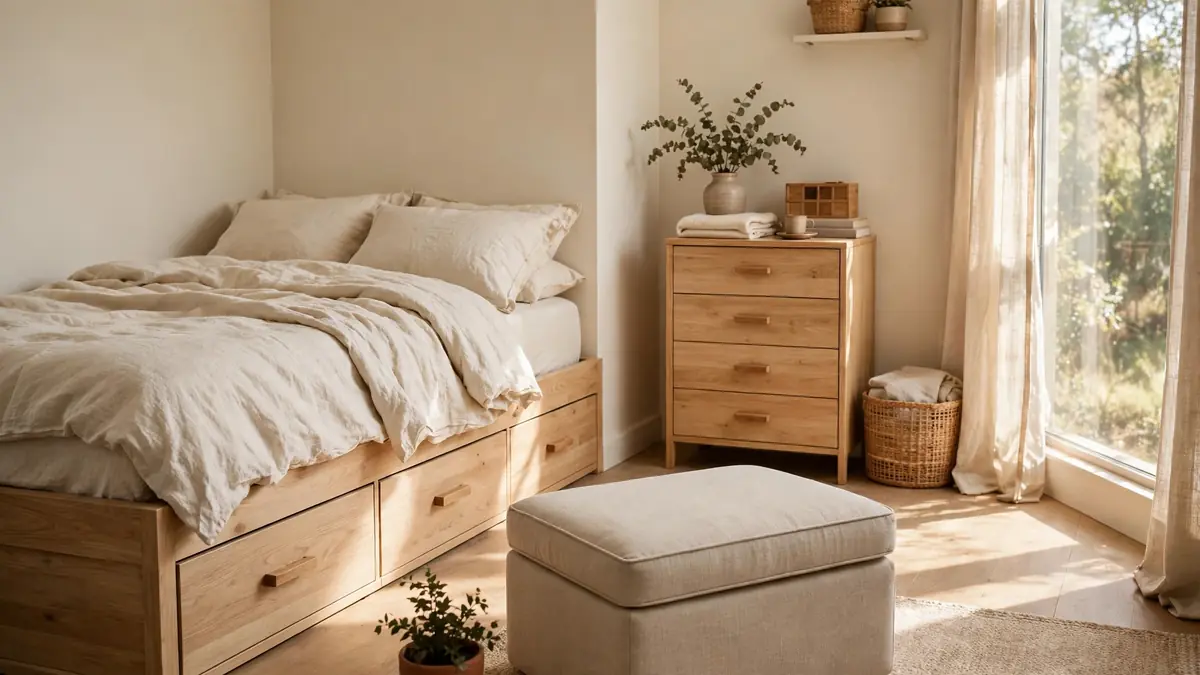
In a one-person bedroom, every piece should earn its place. Choose furniture that does two jobs at once. A bed with drawers underneath stores shoes and spare bedding. An ottoman with hidden storage holds blankets and doubles as a seat. A desk that folds against the wall gives you a workspace that disappears when the day ends.
Measure before you buy, and leave at least 24 inches (60 cm) of clear space around the bed so you can move and clean easily. Buy large pieces in simple, timeless shapes, and let cushions, art, and throws carry the colour. One well-chosen piece that serves two purposes beats three small pieces that crowd the room.
13. Add Soft Textures With Throws and Cushions

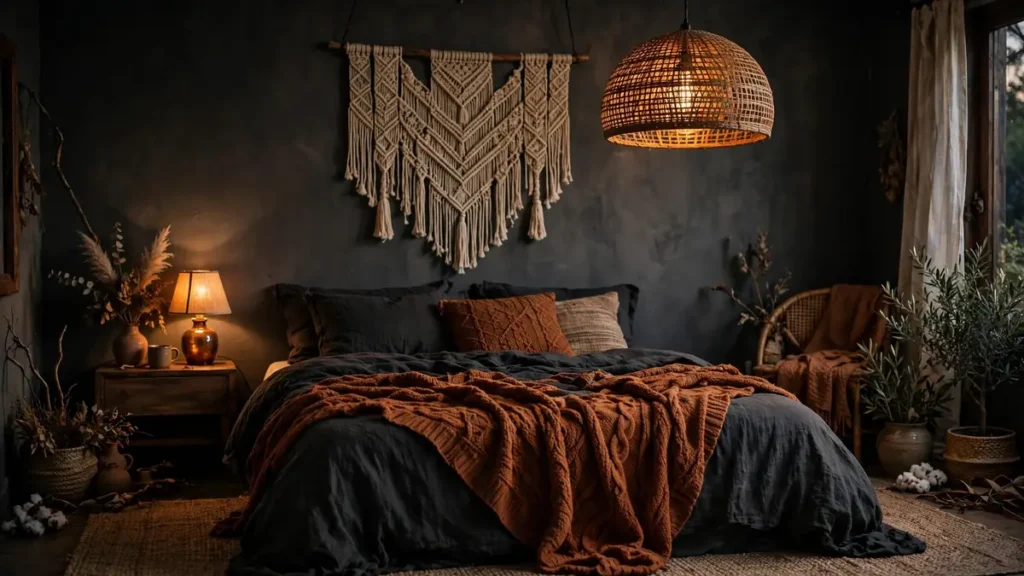
Texture is what makes a bedroom feel inviting. A mix of soft materials adds depth and comfort, even when the colours are simple. Drape a chunky knit throw over the end of the bed, and add velvet or linen cushions in your accent colour.
Do not overdo it. Two or three textures are enough: for example, a linen duvet, a velvet cushion, and a faux fur throw. Too many textures in one room feel busy instead of cosy. Change the throw with the seasons: a light cotton throw in summer, a heavier wool throw in winter. Small swaps like this refresh the room without new spending.
14. Lay Down a Rug That Grounds the Bed
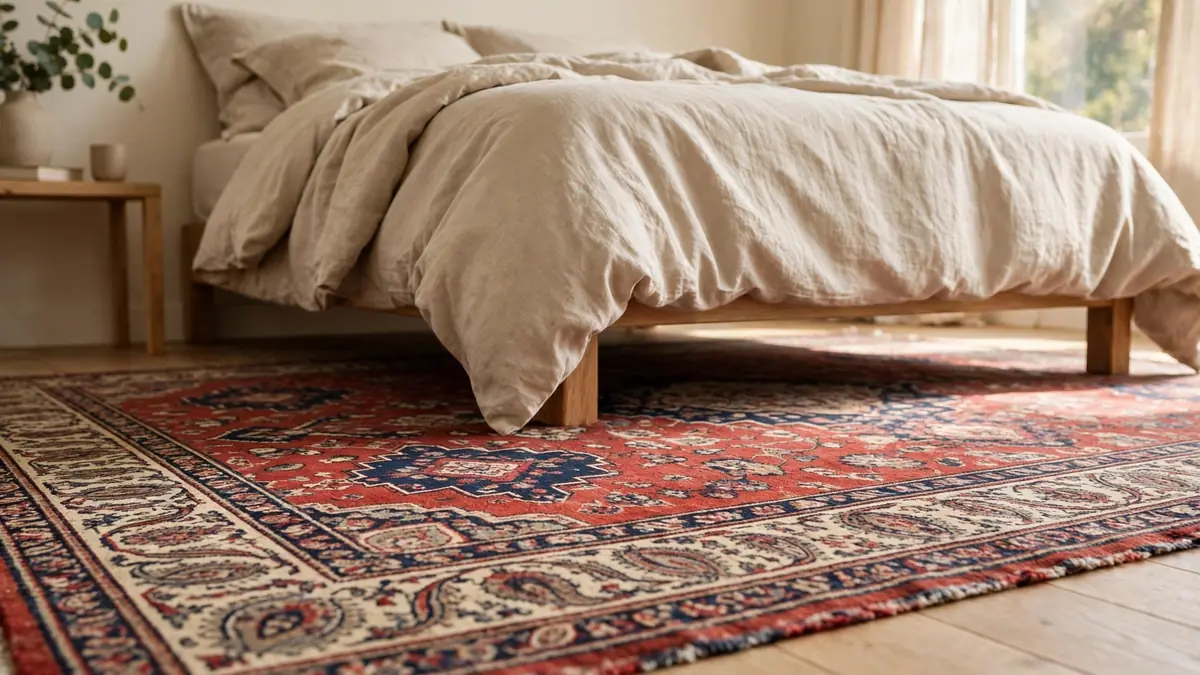
A rug warms the floor and pulls the room together. Choose one large enough for the front legs of the bed to rest on it, so the bed and rug read as one unit. A thick rug beside the bed gives your feet a warm landing on cold mornings.
For a single woman's bedroom, a patterned Persian-style rug adds colour and character, while a plain woven rug in a neutral tone keeps the room calm. Measure the room first, and leave at least 12 inches (30 cm) of rug showing on each side of the bed.
15. Install Floating Shelves to Free Floor Space
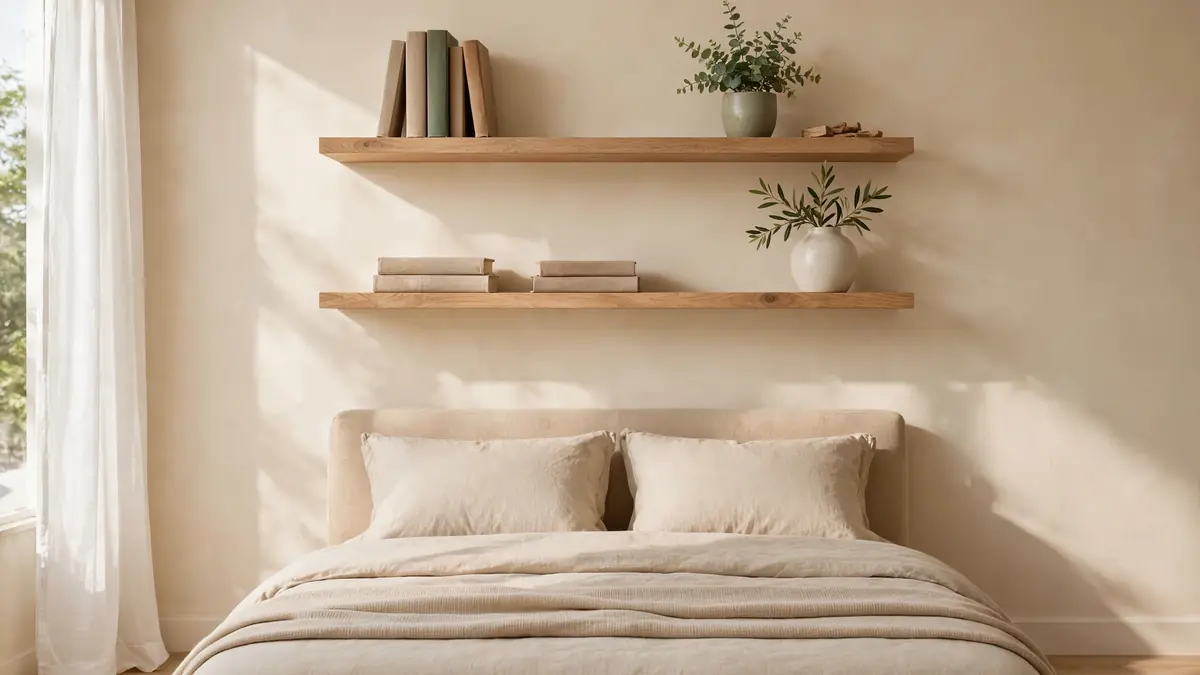
Floating shelves add storage and display space without taking any floor. Place a pair above the bed to draw the eye up and make the room feel taller, or fit one above your dressing table for makeup and jewellery.
Use a level to mark where the shelves go, drill holes for the brackets, and fix them firmly to the wall. For heavy items, fix shelves to studs or use proper wall anchors. Mix what you display: a few books, a small plant, and one decorative object look better than a shelf packed edge to edge. Leave some empty space on each shelf so the room feels calm, not crowded.
16. Build a Small Workspace That Stays Separate
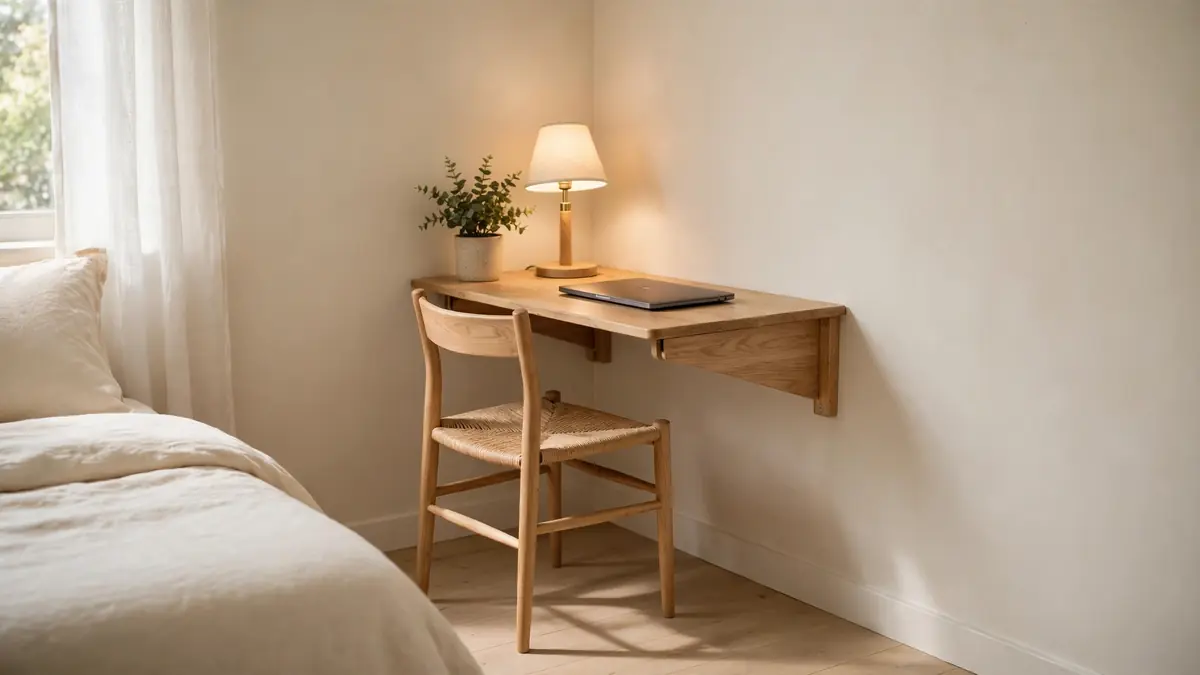
If you work from home, give work its own spot so it does not spread across the bed. A small desk in one corner, or a wall-mounted fold-down desk, is enough. Keep the desk facing the wall or window, not the bed, so work and rest stay visually separate.
Store work items in one box or drawer when the day ends, and close the laptop. That small closing ritual tells your brain that work is over. Add a desk lamp with warm light for evenings, and a small plant to soften the corner. If space is very tight, a narrow console table can work as a desk, and a laptop stand keeps the screen at a comfortable height.
17. Add a Full-Length Mirror for Light and Outfits
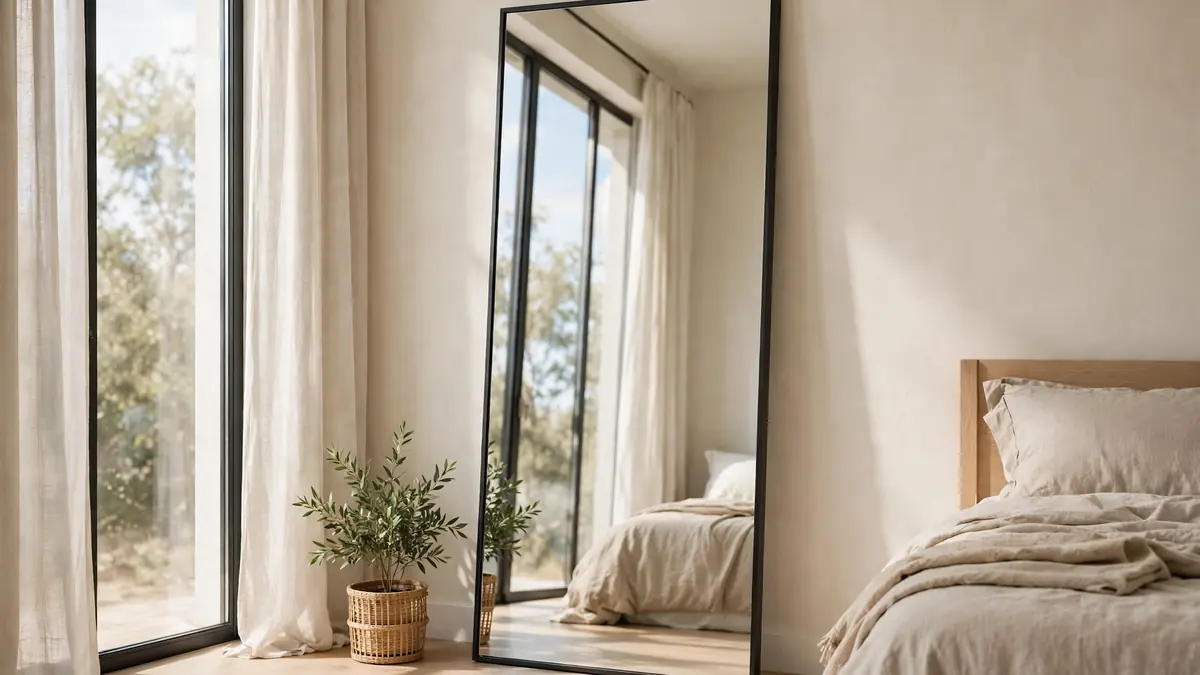
A full-length mirror does two jobs: it bounces light around the room, and it lets you check your full outfit before you leave. Place it where daylight hits it, such as near a window or opposite the bed, but not facing the bed directly if that disturbs your sleep.
Choose a mirror with a frame that matches your style, such as slim black metal for a modern room or warm wood for a softer feel. Lean a large mirror against the wall if you cannot drill, or hang it firmly with proper fixings. Keep the glass clean and the area in front of it clear, so the mirror adds light instead of reflecting clutter.
18. Keep a Lockable Drawer for Private Things
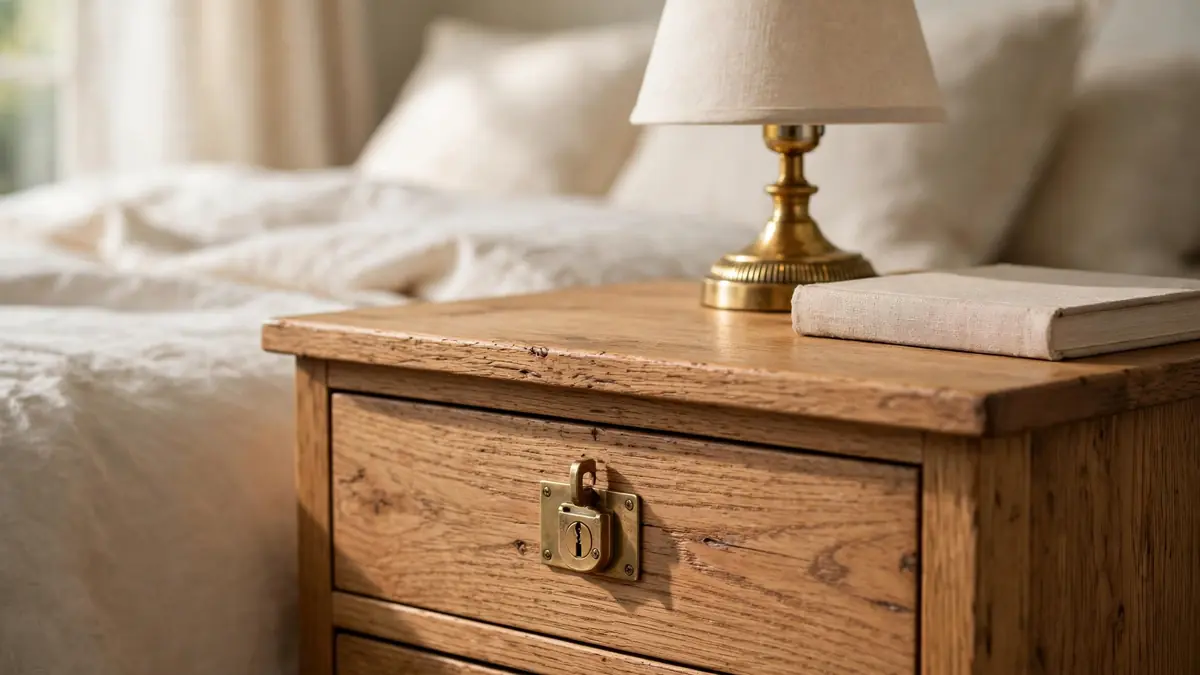
Living alone means your bedroom holds your private life, and a lockable drawer gives you a calm, secure spot for it. Use it for documents, spare cash, jewellery, and personal items. A small drawer unit beside the bed works well, and it doubles as a nightstand.
Test your door and window locks when you move in, not months later, and tell your landlord in writing if a lock feels loose or broken. Keep a small torch or a charged phone near the bed so you can move safely if the power fails. These touches cost little, but they add real peace of mind in a solo home.
19. Make a Mood Board That Grows With You
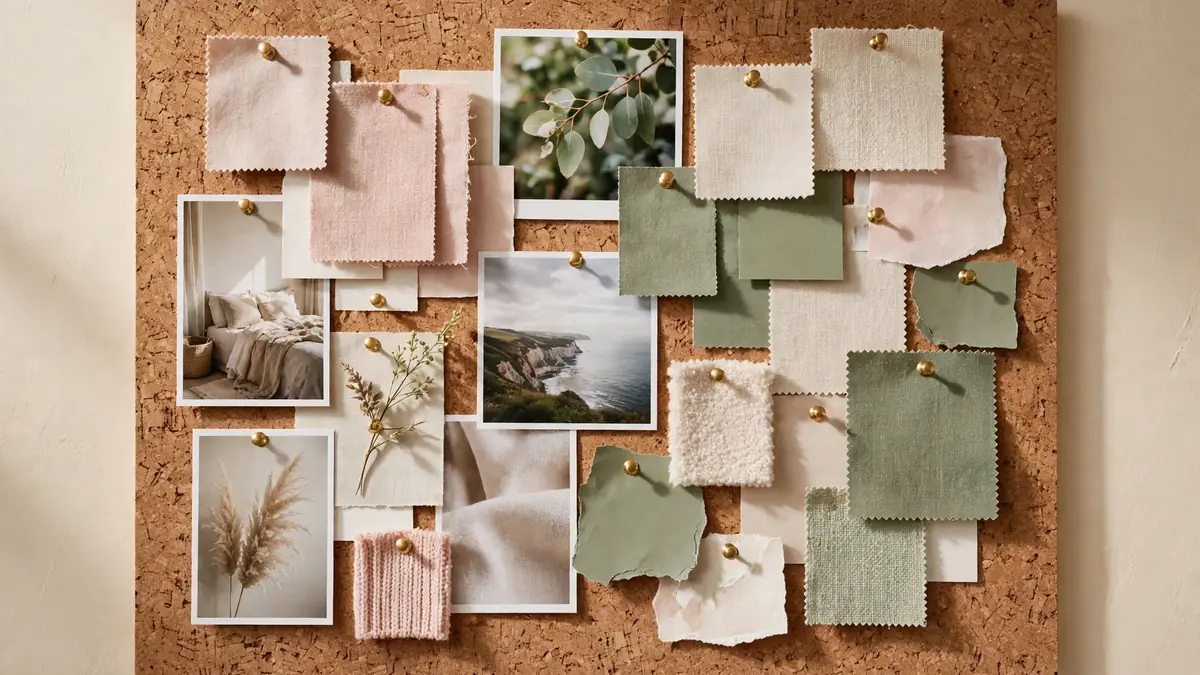
A mood board turns your taste into something you can see and build on. Start with a corkboard, a blank wall, or a digital board on Pinterest. Pin images, colours, quotes, and fabric swatches that feel like you, and group them by theme, such as "coastal retreat" or "boho chic."
Arrange the pins so the board sparks joy every time you look at it. Let it change as your style grows: swap one or two pins each season and store the rest in a labelled box. The board is not just decor. It is a working plan for the room, and it stops impulse buys because you can check every new item against it first.
How to Choose the Right Style for You
Start with how you want the room to feel, not with a style name. Do you want calm and airy, warm and cosy, or bold and dramatic? Pick one feeling and let it guide every choice. Then choose a style direction that matches it: calm neutral (white, beige, soft grey, linen and light wood), warm modern (warm white, tan, black hints, boucle and oak), or soft classic (cream, sage, dusty blue, velvet and brushed brass).
Test new items against your direction. Ask if the colour and texture fit your base. If they do not, the item needs a strong reason to stay. You can still mix in one bold piece. A bright cushion or a fun print adds life, and one strong piece stands out more than five competing ones. Live with the layout for one full week, note what annoys you at real moments like dressing or reading, then move one thing at a time.
Budget-Friendly Ways to Try These Ideas
A solo budget goes further with a clear order. Buy comfort and function first, since you use them daily. Save purely pretty items for later, when the basics feel right. Buy first: a good mattress and pillows, blackout curtains, a bedside lamp, and a lockable drawer unit. Buy later: decorative cushions, art and prints, and an accent chair.
Second-hand shops suit the buy-later list well. Frames, mirrors, and small tables are easy to clean and paint. Check each item for wobbles and damage before you pay. Set a small monthly amount for decor if money is tight. Slow buying helps you choose pieces you truly love, while fast buying often leads to clutter and regret later. Thrifted finds, DIY projects, and items you already own can transform a room for very little money.
Common Mistakes to Avoid
The most common mistake is buying too much too fast. A room filled in one weekend often feels cluttered and impersonal. Buy the basics first, live with them, then add one piece at a time. Another mistake is matching everything. A room where every item is the same colour and style feels flat. Mix textures and add one bold accent instead.
Do not push every piece of furniture against the wall. Pull the bed and chair slightly away from the wall so the room breathes. Do not hang art too high: the centre of a piece should sit at eye level, about 57 inches (145 cm) from the floor. Do not forget lighting. One ceiling light alone makes a room feel harsh, so add a bedside lamp and one soft accent light.
Tips for Small Bedrooms
Small rooms need smart choices, not fewer ideas. Use height before you buy more furniture: flat boxes under the bed, hooks behind the door, and shelves above the dressing area. Keep daily items at easy reach and rare items up high. Use light colours on walls and bedding to make the room feel larger, and add a large mirror to bounce light around.
Choose narrow furniture made for small spaces, such as a slim dresser or a wall-mounted shelf instead of a wide table. Use a daybed if you need both sleeping and lounging in one spot. Keep the floor clear: a rug, a bed, and one chair are enough, and every extra piece should earn its place. Review your clothes often, since one honest clear-out can free more space than any new storage unit.
Frequently Asked Questions
What colours suit a single woman's bedroom best?
There is no single best colour, only a colour that helps you rest. Calm neutrals like warm white, beige, and soft grey suit most people and most styles. Sage, dusty blue, and blush also work well if you love them. Test a small patch first and check it in morning and evening light before you decide.
How can I make a small bedroom feel bigger?
Use light colours, a large mirror, and furniture that fits the room. Add flat storage under the bed, hooks behind the door, and shelves on the walls to free floor space. Keep surfaces mostly clear and choose narrow furniture. A rug that fits under the front legs of the bed also makes the room feel larger.
How do I decorate a bedroom on a small budget?
Buy sleep and privacy basics first: a good mattress, pillows, blackout curtains, and a bedside lamp. Then add storage that fits your real clothes. Save cushions, art, and accent pieces for later. Shop second-hand for frames, mirrors, and small tables, and try DIY projects like painting a thrifted dresser.
How can I make my bedroom feel cosy, not empty?
Start with warm light, soft layers, and one rug that grounds the bed. Add texture through a throw, cushions, and curtains in your base colours. Fill walls slowly with art you love and keep surfaces mostly clear. A room feels cosy when it feels warm, personal, and calm, not when every corner is full.
What should I buy first for a single woman's bedroom?
Buy sleep and privacy basics before any decor. A good mattress, pillows, blackout curtains, and a bedside lamp change every single night. Next, add storage that fits your real clothes and habits, and a lockable drawer for private items. Save cushions, art, and accent pieces for later, when the basics feel right.
Conclusion
Your bedroom should feel like you, and that takes a few good choices, not a full makeover. Start with a calm colour base, a bed you love, and light you can control. Then add the ideas that fit your room: a dressing corner, a gallery wall, plants, or a reading nook. Buy the basics first, add personal touches slowly, and let the room grow with you.