How to Know If Your Roof Needs Repair in Greenwich, CT
Homeowners in coastal Connecticut know that the weather can take a serious toll on their roofs. Between harsh winters with freeze-thaw cycles, heavy rain, nor’easters, and salt-laden coastal storms, roofing systems in this area experience constant wear and tear.
Understanding the early warning signs can help you act quickly and avoid costly damage. If you’re unsure about your roof’s condition, it may be time to consider Perry’s Roofing roof repair in Greenwich.
Table of Contents
Signs of Shingle Damage
One of the most visible indicators of roof trouble is damaged or missing shingles. Strong winds and storms in Greenwich can loosen or completely remove shingles, exposing the water-resistant underlayment—which is not fully waterproof—to moisture infiltration. You may also notice architectural asphalt or cedar shingles that are curling, cracked, or buckling—issues accelerated by coastal salt air that reduce your roof’s protective ability and should be addressed promptly.
Interior Water Damage
Water stains on ceilings or walls are a clear sign your roof may be compromised. Even small leaks can lead to mold growth, insulation damage, and structural issues over time. Greenwich homeowners, especially those with pre-1980s properties that may have original roofing materials, should regularly inspect attics for damp spots, musty odors (potential indicator of Stachybotrys mold), or discoloration. These subtle signs often indicate a roofing problem before it becomes severe.
Granules in Gutters
If you find a buildup of granules in your gutters or downspouts, your shingles may be deteriorating. Asphalt shingles naturally shed small amounts of granules over time, but excessive loss reduces UV protection and signals that your roof—especially if it has older 3-tab shingles rather than modern 20+ year architectural shingles—may be nearing the end of its lifespan. This is a common issue in homes exposed to Connecticut’s seasonal temperature swings and coastal humidity, which accelerate granule adhesion failure.
Sagging Roof Areas
A sagging roof is a serious concern and often points to structural damage beneath the surface. This can be caused by prolonged water exposure, rotting roof decking or rafters, or weakened trusses and support structures. If you notice any uneven areas or dips in your roofline, it’s important to seek professional evaluation immediately.
Increased Energy Bills
An unexpected rise in heating or cooling costs can sometimes be traced back to roof issues. Poor attic ventilation (e.g., inadequate soffit or ridge vents) or insufficient insulation (Connecticut recommends R-38 to R-60) can allow conditioned air to escape, forcing your HVAC system to work harder; modern infrared thermal imaging can help pinpoint these inefficiencies. In a climate like Greenwich’s, where temperatures vary significantly throughout the year, this can quickly impact your energy efficiency.
When to Call a Professional
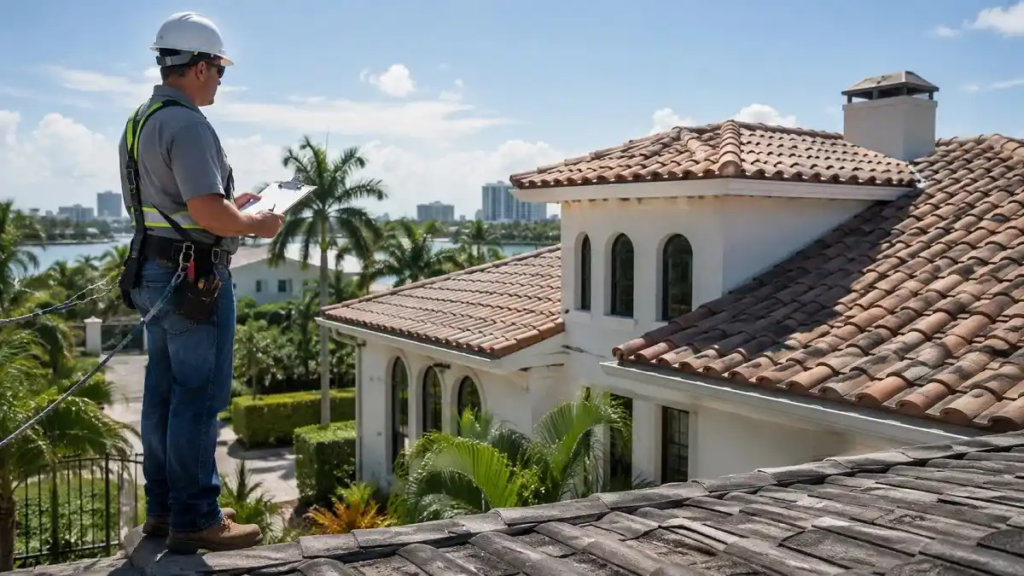
While some signs are easy to spot, others require a trained eye. Scheduling bi-annual inspections—and after major storms like nor’easters—with a HAAG-certified or manufacturer-trained inspector can help catch problems early and extend the life of your roof. If you notice any of the issues above, reaching out for expert help is the best course of action.
Taking a proactive approach to roof maintenance—such as cleaning gutters quarterly, trimming overhanging branches, and checking flashings around chimneys and vents—is essential for protecting your home. By recognizing these warning signs early, you can prevent costly repairs and ensure your roof continues to perform through every season.
Conclusion
Protecting your coastal Connecticut home starts with a well-maintained roof. By staying alert to warning signs—like damaged shingles, interior leaks, granule loss, sagging areas, or unexplained energy spikes—you can address small issues before they become major, costly repairs. In a region where nor’easters, salt air, and freeze-thaw cycles constantly challenge roofing materials, proactive care isn’t just wise—it’s essential.
When in doubt, partner with a trusted local professional who understands Greenwich’s unique climate and building standards. A timely inspection or targeted repair today can preserve your home’s safety, efficiency, and value for years to come. Don’t wait for the next storm to reveal what routine maintenance could have prevented.