Why Smart Property Owners Choose Combined Roofing Solar Partners
Finding the right contractor for your solar installation shouldn’t feel like rolling the dice. When your project involves both roofing work and solar panels, the stakes get higher. A combined roofing solar partner offers something individual contractors can’t: integrated expertise that protects your investment.
Property owners who choose specialized roofing solar partnerships report better outcomes compared to hiring separate contractors. The synergy between roof knowledge and solar expertise creates value that goes far beyond convenience.
What Makes a Roofing Solar Partnership Essential
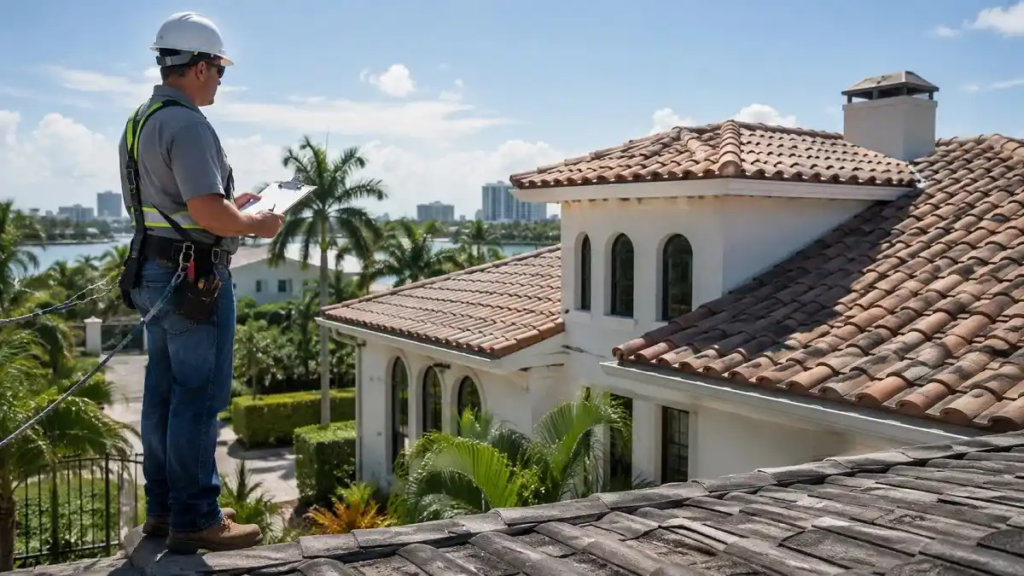
The roof-solar relationship is more complex than most property owners realize. Your roof isn’t just a platform for panels—it’s an integrated system where structural integrity meets energy production.
Structural Expertise Prevents Costly Mistakes
Solar panels add 2-4 pounds per square foot to your roof. A roofing expert evaluates load capacity before installation begins. They identify potential issues like:
- Aged decking that needs reinforcement
- Structural members requiring upgrades
- Drainage problems that panels might worsen
Metal roofs handle solar installations exceptionally well, lasting 40-70 years compared to 25-30 years for most solar panels. A roofing solar partner understands these compatibility factors.
Without proper structural assessment, you risk void warranties, water damage, or complete system failure. Independent solar installers often lack the roofing expertise to spot these red flags early.
Warranty Protection Across Both Systems
Comprehensive warranty protection ensures your roof’s health won’t be affected by solar panel installation. Traditional solar companies can’t offer this assurance without roofing partnerships.
A qualified roofing solar partner provides:
- Unified warranty coverage for both systems
- Coordinated repairs when issues arise
- Single point of contact for claims
- Protection against installation-related roof damage
This integrated approach eliminates finger-pointing between contractors when problems occur.
Key Benefits of Combined Roofing Solar Services
The advantages of partnering with combined service providers extend beyond technical expertise. These partnerships deliver measurable value in time, cost, and peace of mind.
Streamlined Project Management
Managing two separate contractors creates coordination headaches. Different schedules, conflicting priorities, and communication gaps slow progress.
Combined roofing solar partners eliminate these friction points:
- Projects completed 25-40% faster with single-source management. No waiting for one contractor to finish before another starts.
- One project manager handles all aspects. Updates, changes, and decisions flow through a single channel.
- Experienced partners handle both roofing and solar permits simultaneously, preventing delays.
Cost Savings Through an Integrated Approach
Smart property owners save money through economies of scale. Combined services reduce overhead costs that get passed to customers.
Bulk purchasing power reduces costs for both roofing materials and solar components by 10-15%.
Crews work more efficiently when they understand both systems. Less setup time, fewer site visits, reduced coordination costs.
Many roofing solar partners offer integrated financing packages with better terms than separate loans.
Property owners typically save 20-30% compared to hiring separate roofing contractors for similar scope projects.
Essential Qualifications to Look For
Not all roofing solar partnerships deliver equal value. Key qualifications separate legitimate experts from companies trying to cash in on solar trends.
Dual Licensing and Certifications
Your roofing solar partner needs proper credentials for both specialties:
Roofing Requirements:
- State contractor’s license
- Manufacturer certifications (GAF, CertainTeed, etc.)
- Workers’ compensation coverage
Solar Requirements:
- NABCEP certification preferred
- Electrical contractor license
- Solar-specific training documentation
Combined Certifications:
- Integrated system training
- Safety protocol certification
- Ongoing education requirements
Verify all credentials independently. Legitimate contractors welcome verification and provide documentation readily.
Insurance and Bonding Requirements
Adequate protection is non-negotiable when working with roofing solar partners. Minimum coverage should include:
- General liability: $1 million minimum
- Workers’ compensation: State-required levels
- Professional liability: $500,000 recommended
- Bonding: 10% of project value
Request certificates of insurance directly from their carrier. Never accept photocopies or screenshots as proof of coverage.
How to Evaluate Your Roofing Solar Partner
Choosing the right partner requires systematic evaluation. Ask specific questions that reveal experience depth and business practices.
Questions to Ask Before Hiring
Experience Verification:
- How many combined roofing solar projects have you completed?
- Can you provide references from projects similar to mine?
- What’s your average project timeline for this scope?
Technical Expertise:
- How do you assess roof structural capacity for solar loads?
- What happens if you discover roof issues during installation?
- How do you coordinate roofing warranties with solar warranties?
Business Practices:
- Are you licensed for both roofing and solar work?
- Who handles permits and inspections?
- What’s included in your project management fee?
Document all responses. Professional contractors provide detailed, confident answers to these questions.
Red Flags to Avoid
Certain warning signs indicate problematic contractors:
Pricing Red Flags:
- Quotes significantly below market rates
- Pressure for immediate decisions
- Large upfront payment requests
Credential Red Flags:
- Reluctance to provide license numbers
- Missing insurance documentation
- No local business address
Communication Red Flags:
- Vague project timelines
- Unwillingness to provide written estimates
- Door-to-door solicitation tactics
Trust your instincts. Quality roofing solar partners earn business through reputation, not high-pressure sales tactics.
Partnership Models That Work Best
Different partnership structures offer varying benefits. Understanding these models helps you choose the approach that fits your needs.
Single Company vs. Joint Ventures
Single Company Benefits:
- Unified responsibility
- Streamlined communication
- Integrated warranties
- Consistent quality standards
Joint Venture Benefits:
- Specialized expertise in each area
- Potentially lower costs
- Broader service capabilities
- Established local relationships
Most property owners prefer a single roofing company for residential projects. Joint ventures work better for large commercial installations requiring specialized expertise.
Long-term Maintenance Partnerships
The relationship shouldn’t end at installation. Quality roofing solar partners offer ongoing support:
Maintenance Services:
- Annual system inspections
- Preventive roof maintenance
- Performance monitoring
- Prompt repair responses
Performance Guarantees:
- Production warranties
- Roof integrity protection
- Response time commitments
- Replacement part availability
Long-term partnerships protect your investment and maintain optimal performance throughout system life.
FAQs
How much can I save by using a combined roofing solar partner?
Property owners typically save 20-30% compared to hiring separate contractors. Savings come from reduced coordination costs, bulk material purchasing, and streamlined labor efficiency.
What certifications should my roofing solar partner have?
Look for state contractor licenses in both roofing and solar, NABCEP certification, manufacturer training certificates, and proper insurance coverage, including general liability and workers’ compensation.
How long do combined roofing solar projects typically take?
Integrated projects complete 25-40% faster than separate contractor approaches. Most residential projects finish within 3-5 days versus 7-10 days with separate contractors.
What happens if problems occur after installation?
Quality roofing solar partners provide unified warranty coverage and single-point responsibility. This eliminates disputes between contractors about repair responsibility.
Should I replace my roof before installing solar panels?
If your roof is more than 15 years old or shows signs of wear, replacing it before solar installation prevents costly removal and reinstallation later. A roofing solar partner can assess your specific situation.