Roofing Services in Houston: What You Need to Know in 2025
Your roof faces relentless challenges in Houston. Scorching summer heat, sudden hailstorms, and hurricane-force winds test every shingle, membrane, and flashing system year after year.
When your roof fails, the consequences ripple through your entire home. Water damage destroys belongings, mold threatens health, and repair costs multiply quickly. Choosing the right roofing contractor makes the difference between a roof that protects your family and one that leaves you vulnerable.
Houston’s unique climate demands specialized knowledge. Your roofer needs to understand local building codes, windstorm certification requirements, and insurance claim processes that other cities don’t face.
Overview of Houston’s Roofing Market
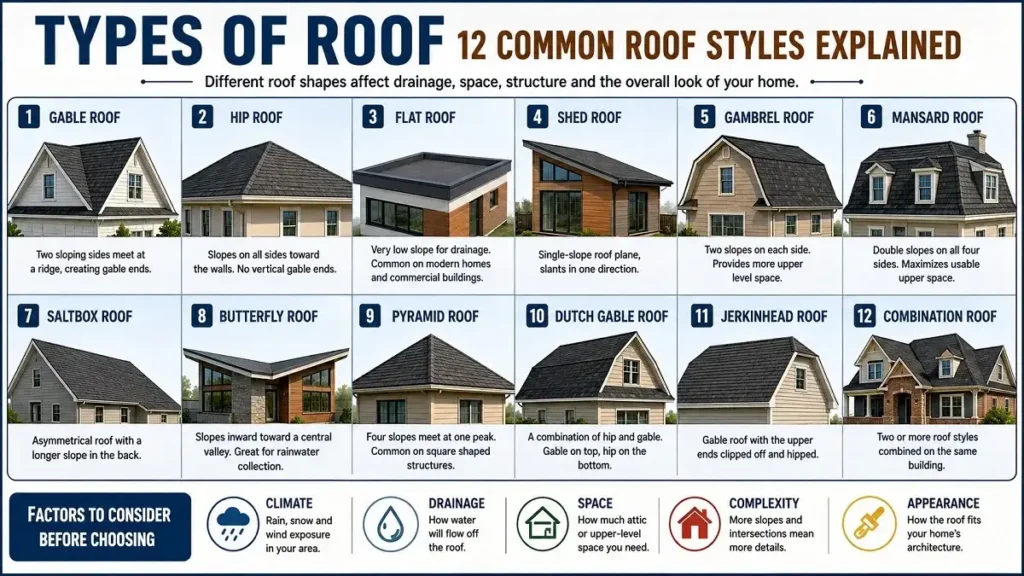
Houston homeowners primarily choose between three roofing types. Asphalt shingles dominate residential properties due to their balance of cost and performance. Metal roofing gains popularity for its wind resistance and energy efficiency. Commercial buildings typically use flat membrane systems designed for low-slope applications.
Storm season drives peak demand from May through November. Hurricane Beryl in 2024 created a massive surge in replacement needs, with some contractors booking months ahead. This seasonal pattern affects both availability and pricing.
Most Houston roofs last 15-20 years under normal conditions. Hurricane damage often forces premature replacements, sometimes within 10-12 years of installation.
The market includes both national chains and local specialists. Local contractors often provide faster response times and better understanding of Houston-specific challenges. National companies may offer broader warranty networks but less personalized service.
Houston Roofing Regulations and Quality Standards
Houston follows the International Building Code (IBC) with local amendments that address the city’s specific climate risks. These regulations protect homeowners but create compliance requirements your contractor must understand.
- Wind Resistance Requirements: All roofing materials must meet specific wind resistance standards. Shingles need Class F ratings for winds up to 110 mph. Hurricane straps and enhanced fastening patterns become mandatory in certain zones.
- Fire Safety Standards: Materials must carry Class A fire ratings. This affects shingle choices and limits certain membrane options on commercial buildings.
- Layer Limitations: Houston limits roof layering to prevent structural overload. Most residential properties can support only one or two shingle layers before requiring complete tear-off and replacement.
- Windstorm Inspections: Many insurance policies require WPI-8 windstorm inspections. Your contractor should understand this certification process and help coordinate required documentation.
- Permit Requirements: Roof replacements require city permits. Reputable contractors handle permit applications as part of their service. Be cautious of contractors who suggest skipping this step to save money or time.
How to Choose the Right Houston Roofing Contractor
Start with certifications that matter in Houston’s market. GAF Master Elite certification shows advanced training and access to premium warranties. RCAT (Roofing Contractors Association of Texas) membership indicates commitment to industry standards.
Check Better Business Bureau ratings and complaint histories. A+ ratings don’t guarantee perfect service, but patterns of unresolved complaints reveal potential problems.
Questions to Ask Every Contractor
Ask about warranty terms upfront. Quality contractors offer 30-year transferable warranties on materials plus separate labor warranties. Understand what voids coverage and how warranty service works.
Verify insurance claim experience. Houston’s storm frequency makes this expertise crucial. Your contractor should handle insurance communication, provide detailed damage documentation, and understand claim processes.
Request local references from recent jobs. Drive by completed projects if possible. Quality work speaks for itself through consistent appearance and proper installation details.
Red Flags to Avoid
Door-to-door solicitation after storms often signals questionable operators. Legitimate contractors stay busy through referrals and don’t need to hunt for business immediately after disasters.
Demands for full payment upfront indicate potential problems. Standard practice involves small deposits with progress payments tied to completion milestones.
Significantly low bids may indicate inferior materials, shortcuts in installation, or missing permits and insurance. Quality roofing requires appropriate investment.
Top Roofing Companies in Houston
Integris Roofing
Integris Roofing earned strong homeowner praise after Hurricane Beryl for fast, transparent service. They specialize in insurance claim assistance and provide detailed photo documentation throughout projects.
Their 30-year transferable warranty and GAF Master Elite certification appeal to homeowners planning to sell within the warranty period. Customer reviews consistently mention professional communication and quality workmanship.
Rose Roofing
Rose Roofing receives frequent Reddit recommendations for consistent reliability. Homeowners report positive experiences across multiple neighborhoods and project types.
The company handles both residential and commercial projects with focus on long-term customer relationships rather than quick turnaround volume.
EZ Roof & Construction
EZ Roof & Construction offers fast service with 4.9-star ratings and lifetime warranty options. They specialize in storm damage repair and gutter integration.
Their friendly service approach appeals to homeowners who value personal attention during stressful roof replacement situations.
314 Roofing
314 Roofing incorporates drone and thermal imaging technology for detailed inspections. This approach helps identify problems missed by traditional visual inspections.
Their 5.0 Google rating and BBB A+ status reflect consistent customer satisfaction. The technology focus appeals to homeowners who want comprehensive damage assessment.
Other Notable Companies
Several other companies earn positive mentions in local discussions. Proper Roofing, Houston Strong Roofing, and Joe Ochoa Roofing maintain solid reputations for specific neighborhoods or project types.
Braun’s Roofing receives mixed feedback. Some customers report excellent results while others mention follow-up issues or pricing concerns. Research recent reviews carefully before choosing.
Real Customer Experiences and Reviews
Hurricane Beryl created a natural test of Roofing Services in Houston. Homeowners shared their experiences across social media and review platforms.
“Integris came out the day after Beryl and had our insurance paperwork ready within 48 hours,” reported one Memorial area homeowner. “They took photos of every damaged shingle and explained the whole process step by step.”
Rose Roofing customers consistently mention reliability. “We’ve recommended Rose to three neighbors now,” wrote a Cypress resident. “They show up when promised and clean up completely after each day.”
Some contractors struggled with the post-storm volume. Several homeowners reported communication gaps and extended timelines as companies took on more work than they could handle efficiently.
The experience highlights why established local relationships matter. Companies with deep Houston roots managed the crisis better than those expanding rapidly into the market.
Common Praise Points
Customers value contractors who handle insurance communication directly. “I never had to call the insurance company myself,” one homeowner noted. This service saves stress during already difficult situations.
Photo documentation throughout projects builds trust. Customers appreciate seeing progress and understanding what work was performed.
Clean daily cleanup separates professional contractors from others. “They cleaned up every nail and scrap every single day,” reported a satisfied customer.
Frequent Complaints
Poor communication creates most customer frustration. Delayed callbacks, missed appointments, and unclear project timelines generate negative reviews even when final work quality meets standards.
Surprise charges or change orders cause problems. Quality contractors provide detailed written estimates that minimize unexpected costs.
Inadequate cleanup and debris removal create lasting negative impressions. Nails in driveways and material scraps in landscaping show lack of professionalism.
Common Services and Pricing Factors
Houston roofing contractors offer services ranging from minor repairs to complete replacements with associated pricing variations.
Repair Services
Small repairs typically cost $300-800 depending on extent and accessibility. Common issues include loose shingles after windstorms, flashing problems around chimneys, and minor leak repairs.
Emergency tarping services cost $500-1,200 for temporary protection after storm damage. This prevents additional water damage while planning permanent repairs.
Replacement Services
Complete residential replacements range from $8,000-25,000 based on home size, material choice, and complexity factors.
Asphalt shingle replacements cost $8-12 per square foot installed. Premium architectural shingles add $2-4 per square foot but provide better wind resistance and longer warranties.
Metal roofing costs $12-18 per square foot installed. The higher upfront cost often balances through energy savings and longer lifespan in Houston’s climate.
Technology Integration
Drone inspections add $200-400 to project costs but provide detailed damage assessment and documentation valuable for insurance claims.
Thermal imaging inspections cost $300-600 but identify hidden moisture problems and energy loss areas not visible through standard inspection methods.
Pricing Variables
Roof pitch affects labor costs significantly. Steep roofs require additional safety equipment and slower installation, increasing per-square-foot pricing by 15-25%.
Multiple-story homes cost more due to safety requirements and material handling complexity.
Permit costs add $150-300 to most projects. Quality contractors include this in their estimates rather than presenting it as a surprise charge.
Making Your Decision
Quality roofing requires balancing multiple factors rather than choosing based on price alone. Houston’s climate demands contractors who understand local challenges and have proven track records during major storms.
Start by requesting quotes from three contractors with strong local reputations. Compare warranty terms, insurance claim experience, and customer references equally with pricing.
Verify all licenses, insurance, and bonding before signing contracts. Ask for certificates directly from insurance providers rather than accepting copies that might be outdated.
Schedule inspections when weather permits thorough assessment. Rushed evaluations during storm cleanup periods may miss important details that affect long-term performance.
Your roof represents one of your home’s largest investments. Choose contractors who demonstrate professionalism through clear communication, detailed proposals, and commitment to quality that protects your family for decades.
Plan when possible rather than waiting for emergencies. Non-storm periods offer better contractor availability, more material choices, and typically better pricing than peak demand seasons.