Why Roaches Keep Coming Back After Treatment
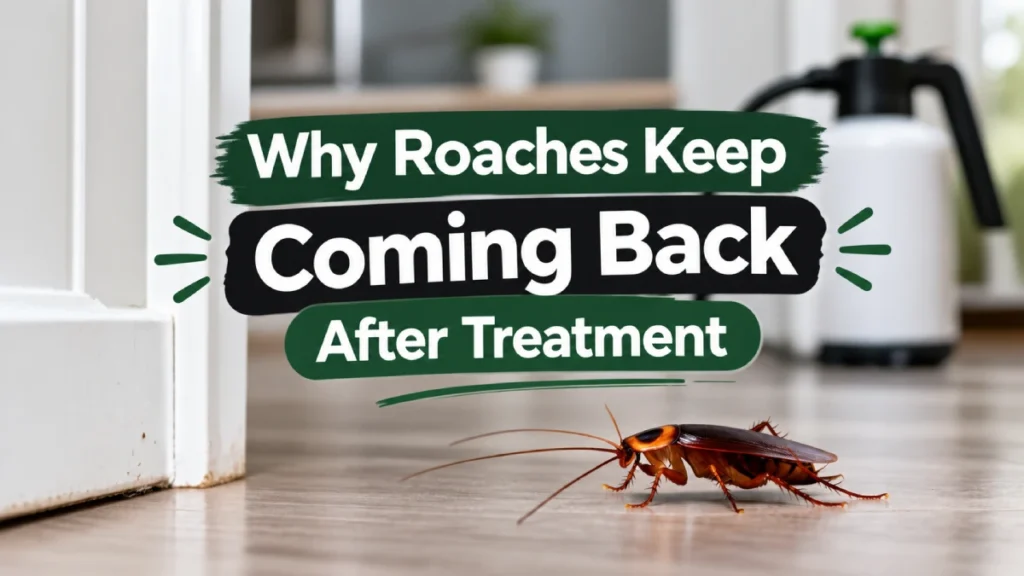
Seeing a cockroach after treatment does not immediately prove the service failed. A disturbed adult may appear, an egg case may hatch, or a slow-acting bait may still be working. The important clue is whether activity is trending down and where the new insects appear.
Do not cover the room with a second product. Record the species, life stage, location, and timing first. That evidence can separate normal early activity from a missed harborage, reinvasion, resistance, or a treatment plan that needs adjustment.
Quick answer
Recheck the treatment instructions and follow-up date. Use numbered sticky monitors, remove competing food and water, and avoid spraying over bait. Contact the provider promptly if counts stay flat or rise, nymphs continue appearing, or roaches spread into new rooms.
Table of Contents
- Start With the Treatment Timeline
- Count Roaches Instead of Relying on Memory
- Egg Cases Can Produce a Delayed Wave
- A Missed Harborage Can Keep Reseeding the Room
- Food and Water Can Outcompete Bait
- Spray Can Contaminate or Repel From Bait
- The Species May Have Been Misidentified
- Resistance Can Reduce Product Performance
- Apartments Can Be Reinfested From Connected Units
- Exterior Entry Can Restart the Problem
- Cleaning May Have Removed the Treatment
- Call Back Before Adding Another Product
- Measure Progress Until the Source Is Quiet
Start With the Treatment Timeline
Ask what product and method were used. Gel bait, enclosed stations, insect growth regulators, dust, and targeted sprays do not produce identical timelines.
Some cockroach baits may take a week or longer to show a clear decline. A contact treatment can produce dead or exposed insects sooner without proving that hidden egg cases and harborages were reached.
The service report should state the treated areas, preparation steps, expected response, and follow-up interval. If it does not, request those details instead of guessing.
Count Roaches Instead of Relying on Memory
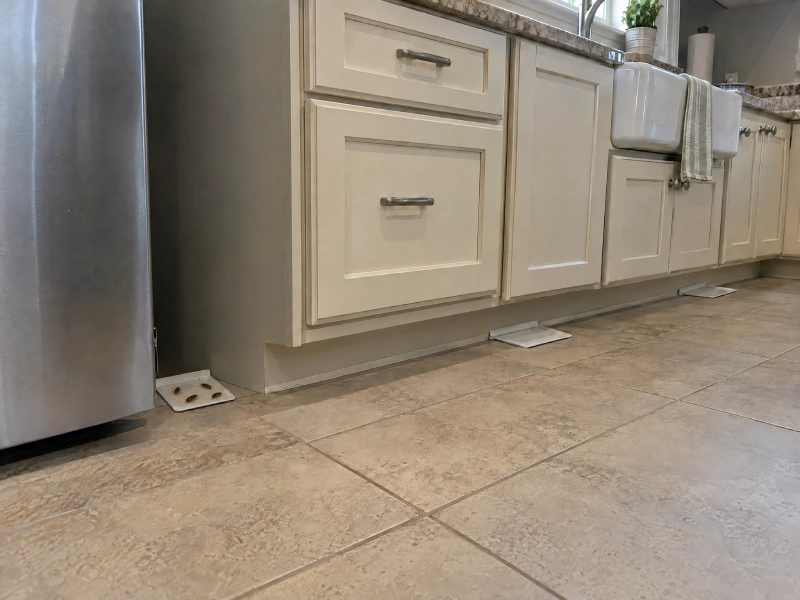
Place numbered sticky monitors against wall-floor edges and close to suspected harborages. Useful kitchen points include the refrigerator, range, dishwasher, sink cabinet, trash area, and connected utility space.
Check at the same time each day and record adults, nymphs, and egg cases separately. A drop from ten nightly catches to two is meaningful even if two visible roaches still feel alarming.
| Monitoring pattern | What it may suggest | Next step |
|---|---|---|
| Counts fall steadily | Treatment is likely progressing | Continue sanitation and scheduled follow-up |
| Adults fall but tiny nymphs appear | An egg case may have hatched | Report it; keep targeted control and monitoring active |
| Counts stay unchanged | Bait refusal, missed harborage, or competing resources | Reassess placement and conditions with the provider |
| Activity shifts to a new room | Dispersal, connected route, or wider infestation | Expand monitoring; avoid random spraying |
| Roaches return after a quiet period | Reinvasion or incomplete source correction | Inspect entry and neighboring areas |
One trap is not enough to map a kitchen. Location-by-location counts show where the population remains concentrated.
Egg Cases Can Produce a Delayed Wave
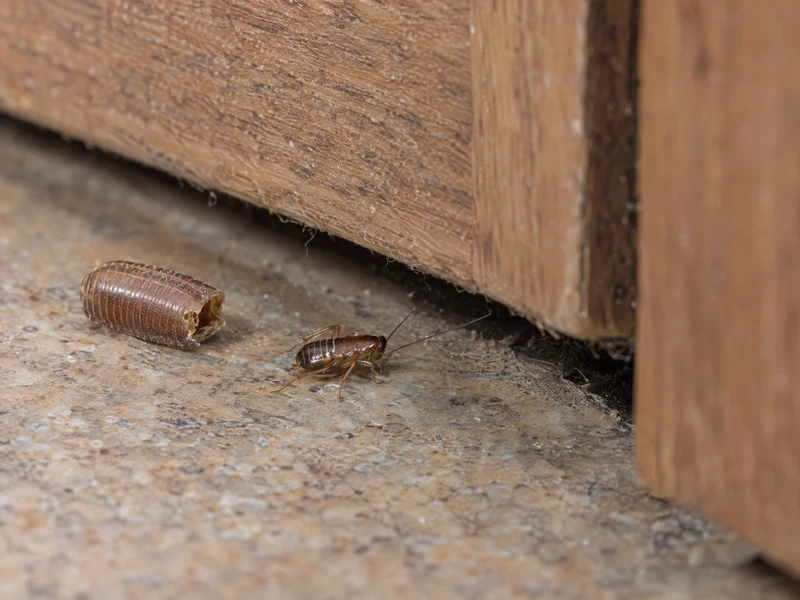
Many treatments do not penetrate every cockroach egg case. Young nymphs can emerge after adults have declined, creating the impression that the infestation returned from nowhere.
Finding several very small roaches after treatment is important. Photograph or capture them, note the location, and inform the pest professional. Do not assume they require a different chemical immediately.
Our guide to baby cockroaches in the kitchen explains why life-stage evidence helps locate nearby breeding.
A Missed Harborage Can Keep Reseeding the Room
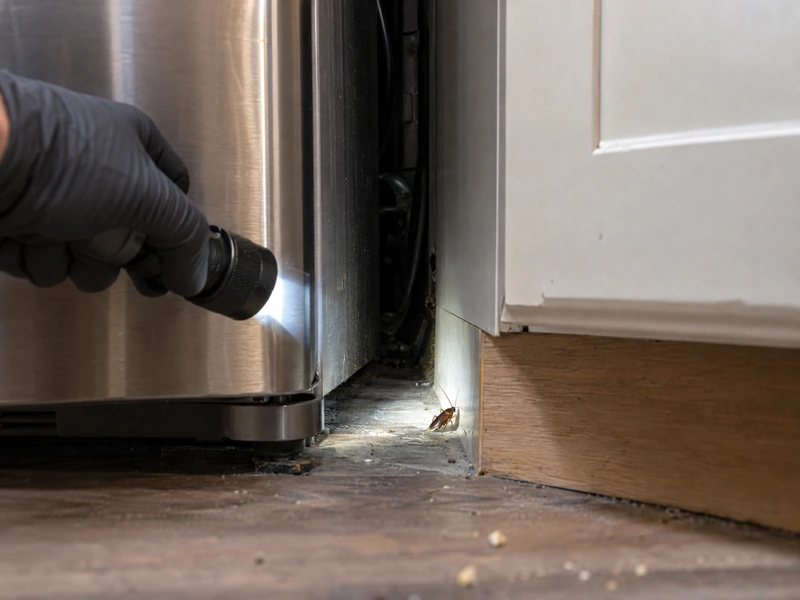
Cockroaches squeeze into narrow spaces behind cabinet backs, appliance motors, hinges, toe-kicks, wall penetrations, and clutter. Treatment placed several feet away may not reach nymphs that travel short distances.
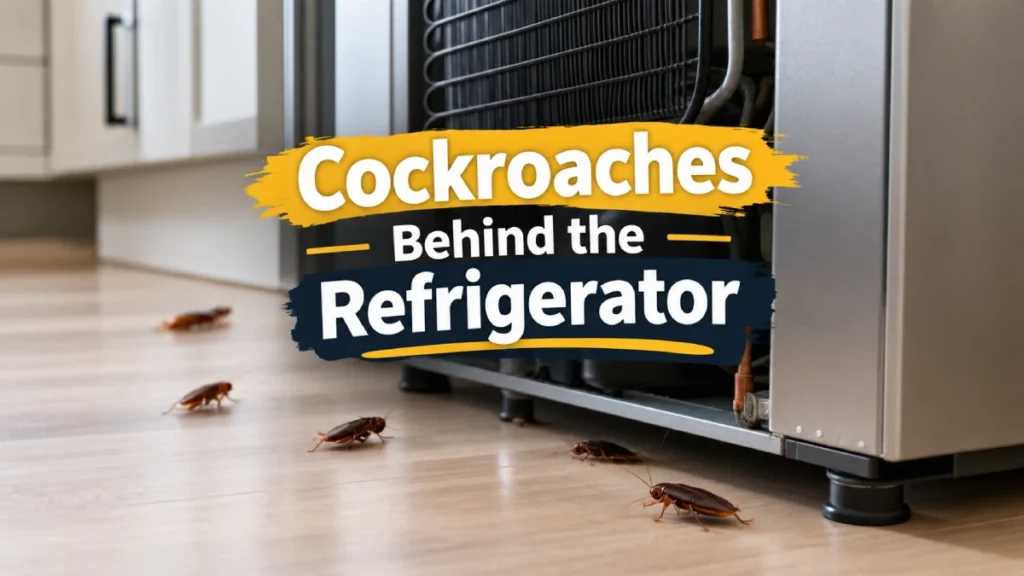
Inspect with a flashlight and monitors rather than dismantling live equipment. If counts are highest at the refrigerator, use the safe inspection plan for cockroaches behind the refrigerator.
Tell the technician which trap has the highest count. Targeted placement close to the active harborage is more useful than increasing product across the whole room.
Food and Water Can Outcompete Bait
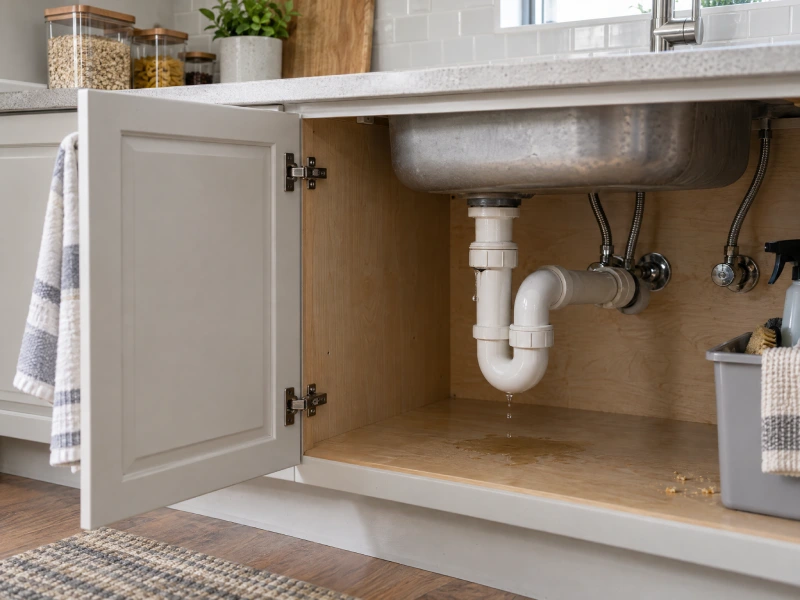
Roaches can survive on crumbs, grease film, pet food, trash residue, cardboard glue, and small spills. Standing water in a sink, leaking pipe, appliance drip pan, or pet bowl can sustain them.
Clean behind safely movable items, store food in tight containers, rinse recycling, close trash, and avoid leaving pet food overnight. Repair plumbing leaks and dry kitchen surfaces when not in use.
Do not remove or scrub away bait placements. Ask the provider which areas should remain undisturbed and which cleaners are compatible with the program.
Treatment-support checklist
- Keep sinks and counters dry overnight.
- Remove grease and crumbs from appliance edges.
- Store food and pet supplies in sealed containers.
- Reduce cardboard and paper clutter.
- Do not spray or clean over bait.
- Record trap counts by location.
Spray Can Contaminate or Repel From Bait
Adding a retail aerosol after a professional bait service can change cockroach behavior and make the bait less attractive. Repellent residue may move insects away from monitored harborages.
Do not combine products unless both labels and the treatment professional support the plan. Never apply pesticide to food-contact surfaces, drains, electrical equipment, appliance controls, or other unlabeled locations.
If you already sprayed, tell the provider the product name, registration number, date, and location. That information affects the follow-up decision.
The Species May Have Been Misidentified
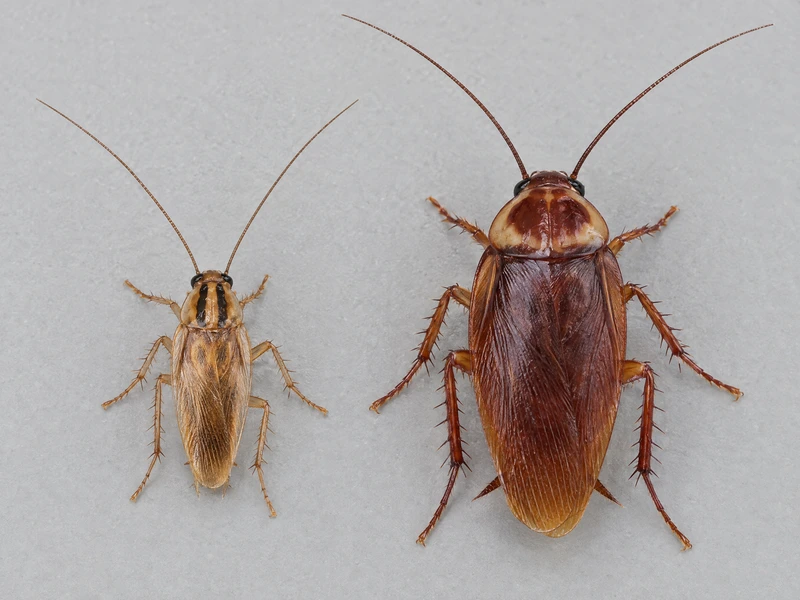
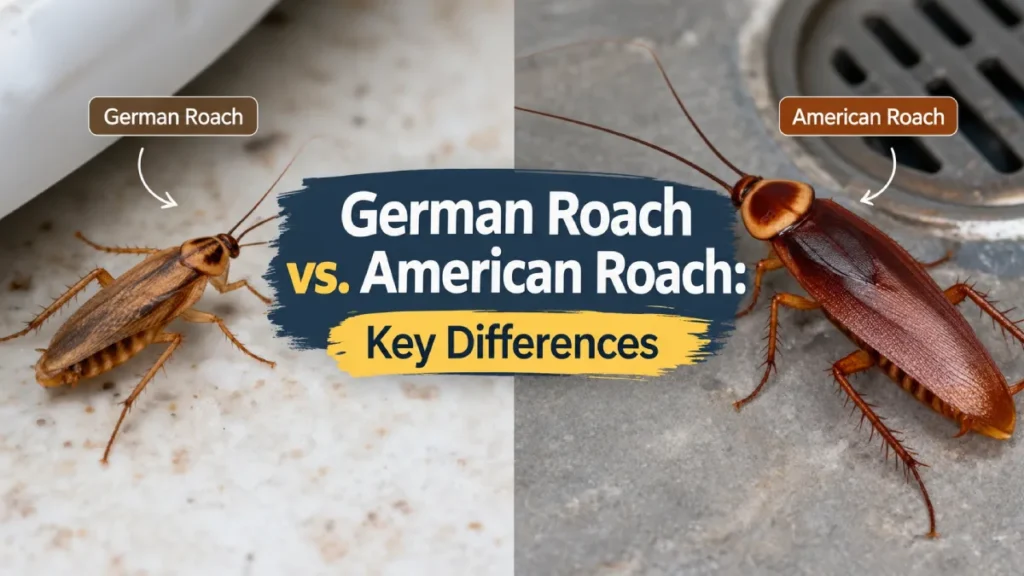
German cockroaches commonly live and breed indoors near kitchens and bathrooms. American, Oriental, Turkestan, and other species may enter from basements, drains, landscaping, or utility areas.
A plan focused only on indoor cabinets may not stop an outdoor-associated species entering through a door or sewer route. Conversely, an exterior perimeter treatment alone will not reach German cockroach harborages behind kitchen appliances.
Preserve a specimen and use markings, adult size, and location together. The German vs. American cockroach guide shows how identification changes the inspection.
Resistance Can Reduce Product Performance
German cockroach populations have documented resistance to multiple insecticides. Behavioral avoidance can also affect bait acceptance.
Do not respond by mixing a stronger batch or applying more than the label allows. A licensed professional can review the active ingredient, placement, bait condition, previous products, and local response history.
Changing the brand name may not change the active ingredient or mode of action. Ask what is being rotated and why rather than demanding a different-looking package.
Apartments Can Be Reinfested From Connected Units
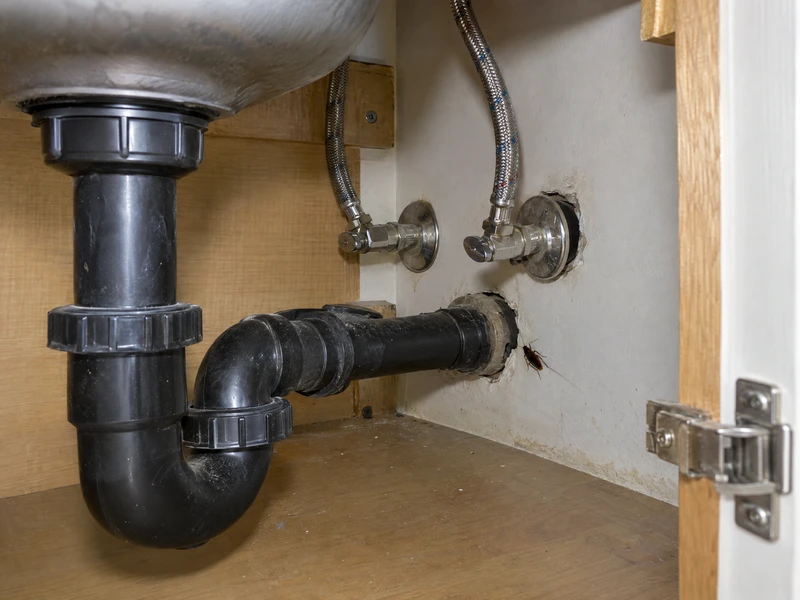
Shared walls, plumbing penetrations, utility chases, hallways, trash rooms, and neighboring apartments can sustain movement. One treated unit may improve and then receive new roaches from an untreated source.
Provide management with dated photos and trap records. Ask whether adjacent units and common areas were inspected and whether leaks and structural gaps are being repaired.
Effective multi-unit control coordinates residents, maintenance, and pest professionals. Repeatedly treating only the reporting apartment can miss the building’s main harborages.
Exterior Entry Can Restart the Problem
Large outdoor-associated cockroaches may enter beneath worn door sweeps, through screens, utility penetrations, floor drains, or gaps around plumbing. Damp mulch, leaking irrigation, trash, and drain defects near the building can support activity.
Inspect the matching exterior area and basement or crawlspace. Repair doors, screens, and unnecessary gaps without blocking ventilation or drainage.
Plumbing or sewer defects require the appropriate trade. Do not pour pesticide into a drain because a roach appeared nearby.
Cleaning May Have Removed the Treatment
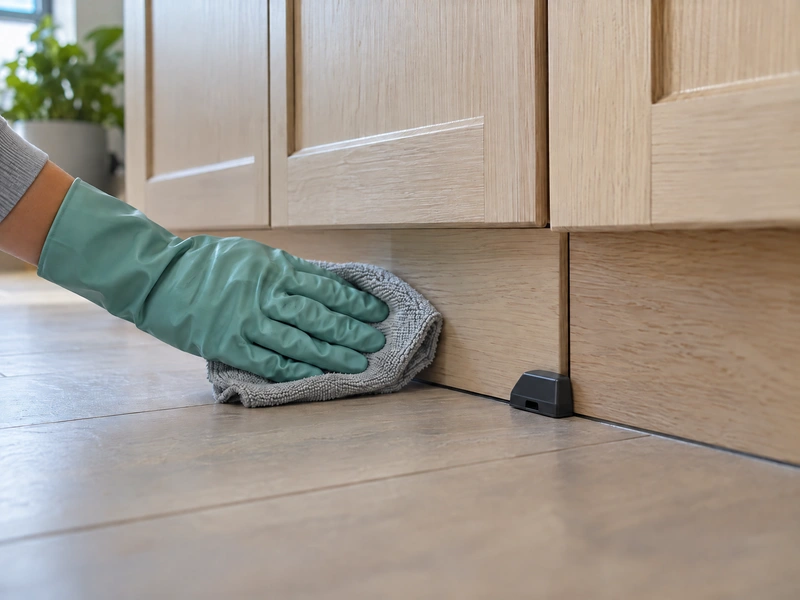
Mopping, pressure washing, degreasing, or wiping a treated crack can shorten residual performance or remove bait. At the same time, failing to clean competing food can weaken the program.
That balance should be stated in the service instructions. Ask which placements must remain untouched, which surfaces can be cleaned, and when normal cleaning can resume.
Never leave contaminated food surfaces uncleaned solely to preserve a pesticide. Contact the provider for product-specific guidance.
Call Back Before Adding Another Product
Contact the pest company when counts fail to decline by the promised follow-up point, new rooms become active, nymphs continue, or a heavily infested appliance or wall void was missed.
Ask for a review of identification, monitor data, sanitation, moisture, bait acceptance, entry routes, and connected units. A useful follow-up changes the plan based on evidence rather than repeating the same application automatically.
Mention asthma, allergies, children, pets, pregnancy, or exposure concerns. Keep treatment records and product information.
Measure Progress Until the Source Is Quiet
Roaches can reappear after treatment because eggs hatch, a harborage was missed, bait lost competition, a population resists the product, or insects return from another unit or exterior route.
Use trap counts and life stages to identify which explanation fits. Support the treatment with sanitation, moisture repair, and exclusion, then request a targeted follow-up when the trend does not improve. The goal is not one quiet night—it is sustained zero activity across the monitored hot spots.