Flavortop Nectarine Tree: Growing Guide, Taste Review & Care Tips
A ripe Flavortop nectarine pulled straight off your tree — still warm from the sun — tastes nothing like what you find at the grocery store. It is genuinely a different fruit. The first time you bite into one, you understand immediately why this variety has stayed popular since the 1960s. It is not trendy. It just consistently delivers.
This guide covers what the Flavortop tastes like, where it grows, how to plant it, and how to manage the problems that come up. It is honest about the work involved, because growing a nectarine is rewarding but not hands-off.
Flavortop Nectarine at a Glance
| Trait | What You Get |
| Type | Yellow-fleshed, freestone nectarine |
| USDA Hardiness Zones | 5–9 |
| Chill Hours Needed | ~650 hours below 45°F |
| Full-Grown Size | 10–15 ft tall and wide (with pruning) |
| Spring Bloom | Showy pink flowers |
| Harvest Time | Mid to late summer |
| Self-Pollinating? | Yes |
| Fruit Appearance | Large, deep red-gold skin, golden flesh |
What Does a Flavortop Nectarine Actually Taste Like?
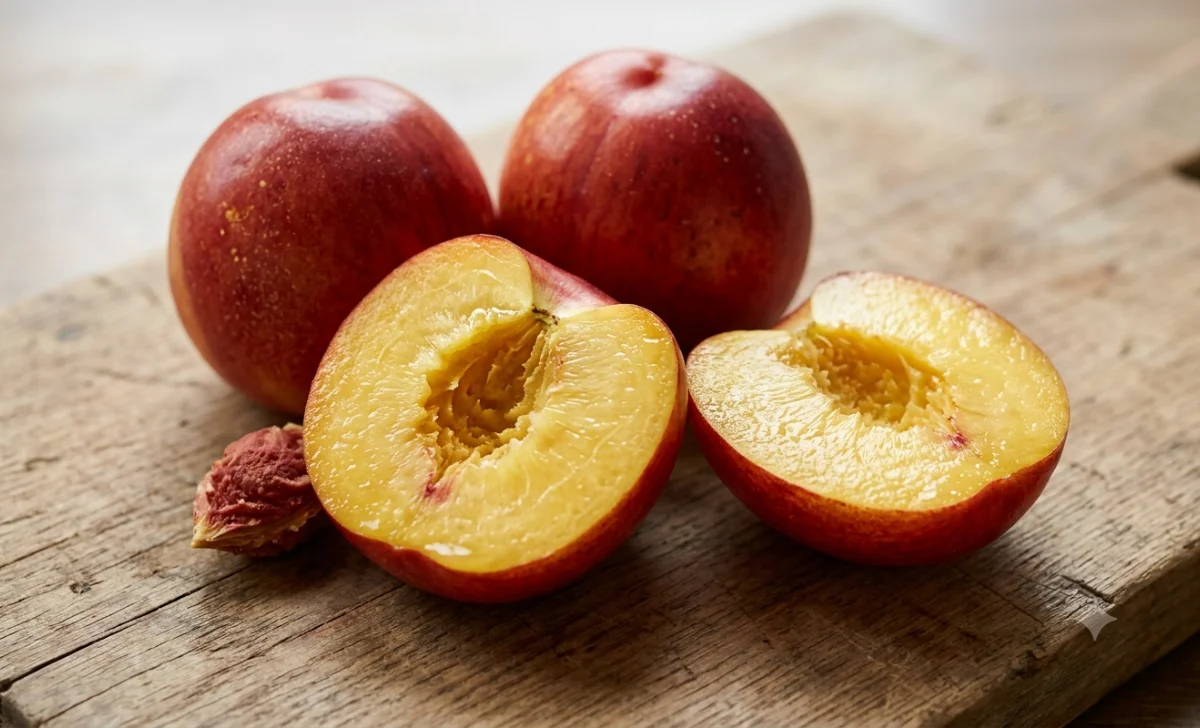
Flavortop nectarines are rich and genuinely sweet, with a clean, slightly tangy edge that keeps them from being one-dimensional. There is a brightness underneath the sweetness — almost citrusy — that gives each bite real complexity. That balance is exactly why they rank so high in formal taste comparisons.
Most people do not fully appreciate this until they grow their own. Supermarket nectarines are picked early, shipped long distances, and stored in cold warehouses. They never finish ripening the way they do on the tree. Your first home harvest changes expectations permanently.
Size, Appearance, and Freestone Advantage
Flavortop fruit runs large. The skin colours up to a deep red-gold in full sun — almost like an apple finish. Inside, the flesh is golden-yellow, firm but juicy, and holds together well when cut.
Critically, Flavortop is a freestone variety: the pit comes away from the flesh cleanly. Clingstone nectarines make kitchen prep a slow fight. Freestone saves real time whether you are slicing fresh, halving for the grill, or putting up a batch for canning or jam. Fresh eating is where it shines, but the firm flesh also holds up well for pies, crumbles, and freezing.
Where Does the Flavortop Nectarine Grow?
Flavortop grows best in USDA hardiness zones 5 through 9. It needs roughly 650 chill hours — meaning 650 hours below about 45°F over winter — to break dormancy and produce fruit reliably.
This is where many first-time growers get caught out. A fruit tree uses cold winter hours as a biological trigger that tells it spring is safe. If your winters are too warm to bank those hours, the tree blooms sporadically and sets almost no fruit. Before purchasing, check your area’s average chill hours. Zones 5 through 8 are almost always fine. Zone 9 is borderline, especially in warmer inland areas.
Site Requirements Before You Plant
Not every yard suits every tree. Here is what a Flavortop needs to actually perform.
Full Sun and Good Drainage
The tree requires at least 6 to 8 hours of direct sunlight daily. More sun means stronger flowering and sweeter, riper fruit. Soil must drain well — wet roots lead directly to root rot and fungal problems. If your soil holds water after rain, plant on a slight mound or work compost into the area before planting. Ideal soil pH sits between 6.0 and 7.0.
Smart Placement on Your Property
A south- or west-facing wall or fence provides warmth and some frost protection, which matters in borderline zones. Keep the tree away from power lines — a mature specimen can reach 15 to 20 feet without pruning. Also, think about the ripe zone: ripe nectarines that fall to the ground attract wasps and get messy near patios or walkways.
How to Plant Your Flavortop Tree
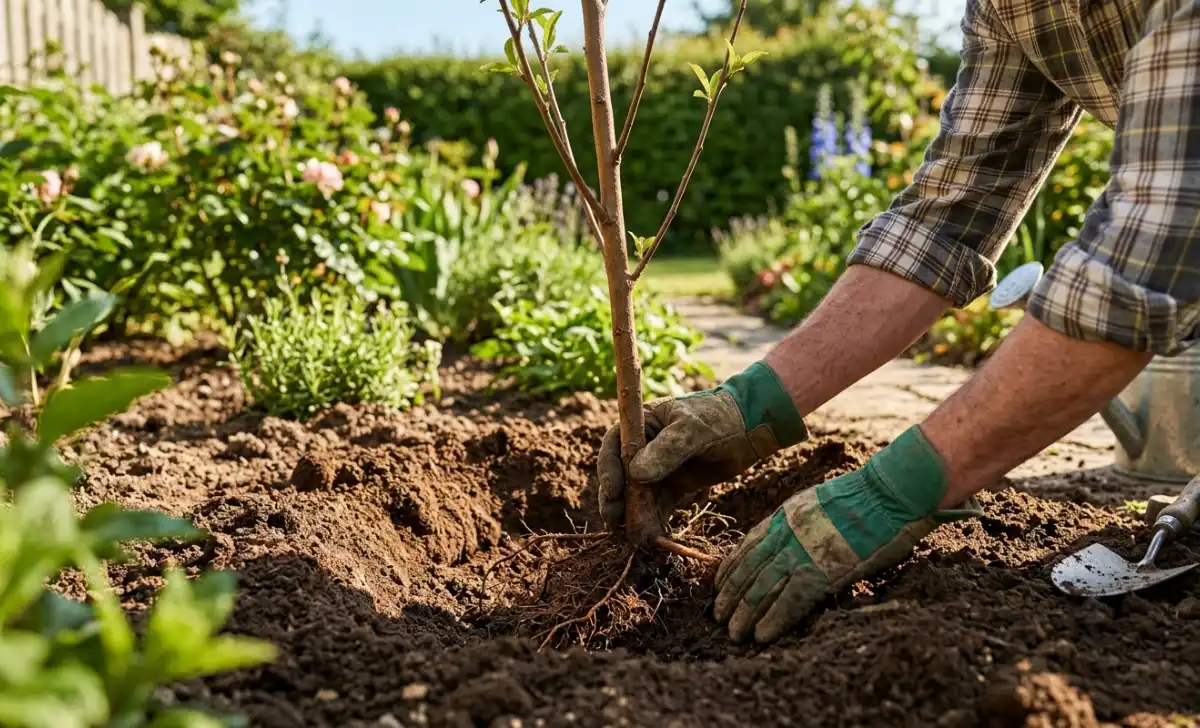
- Dig a hole twice as wide as the root ball but the same depth. Loosen the sides so the roots can spread outward.
- Spread bare roots gently if circling. This prevents root-binding later.
- Position the graft union — that slight bump on the trunk — about 2 inches above the soil line.
- Backfill with the original soil only. Skip fertiliser in the hole — it discourages roots from spreading into the surrounding ground.
- Water deeply immediately after planting to settle the soil and eliminate air pockets.
- Add 2 to 3 inches of mulch around the base, keeping it away from the trunk itself.
During the first growing season, water deeply once a week unless heavy rain falls. Deep, slow watering builds downward root growth — the foundation for long-term strength.
Year-by-Year: What to Expect
Year 1 — Establishment
The tree channels energy into roots. Remove any blossoms that form so it stays focused on establishing rather than fruiting. Water consistently, fertilise lightly in early spring with a balanced 10-10-10 formula, and prune only dead or damaged wood.
Year 2 — First Real Blossoms
Expect a decent flower show. Remove most of them again. You can let a handful develop into small trial fruit, but do not expect much yet. Begin light pruning to start shaping an open-centre form.
Year 3 — Production Begins
This is when things get genuinely exciting. The tree will set far more fruit than it can ripen properly. Thinning becomes critical here (covered below). Expect your first real harvest, though years four and five typically yield more.
Years 4 and Beyond — Full Output
A healthy Flavortop produces 50 to 100 pounds of fruit in a good season. With proper care, this continues for 15 to 20 years.
Ongoing Care Through the Seasons
Watering
Aim for 1 to 1.5 inches of water per week during the growing season, including rainfall. Deep, infrequent soaking beats frequent shallow sprinkling because it pushes roots downward. Check by pressing two or three fingers into the soil — if it feels dry that deep, water now.
Feeding
Apply a balanced fertiliser in early spring before new growth starts, following package rates based on tree age. A general guide is about one pound per year of tree age. Do not over-fertilise. Too much nitrogen pushes leafy growth at the expense of fruit and can reduce flowering for multiple seasons.
Pruning
Pruning is the most important annual task. The goal is an open, vase-like canopy that lets sunlight reach all parts of the tree and allows air to move through branches — both of which reduce disease pressure.
Prune in late winter or early spring while the tree is still dormant. Remove dead, diseased, or crossing branches first. Then thin the canopy to build 3 to 5 main limbs spreading outward from an open centre. Step back frequently and evaluate the shape as you go.
Fruit Thinning
After the tree’s natural early-summer fruit drop, go through and remove the remaining small nectarines until they are spaced about 6 inches apart along each branch. This trades raw quantity for meaningful size and flavour — and protects branches from snapping under excess weight. It feels painful the first time. The quality difference at harvest makes it worth it every time.
Pests and Diseases to Manage
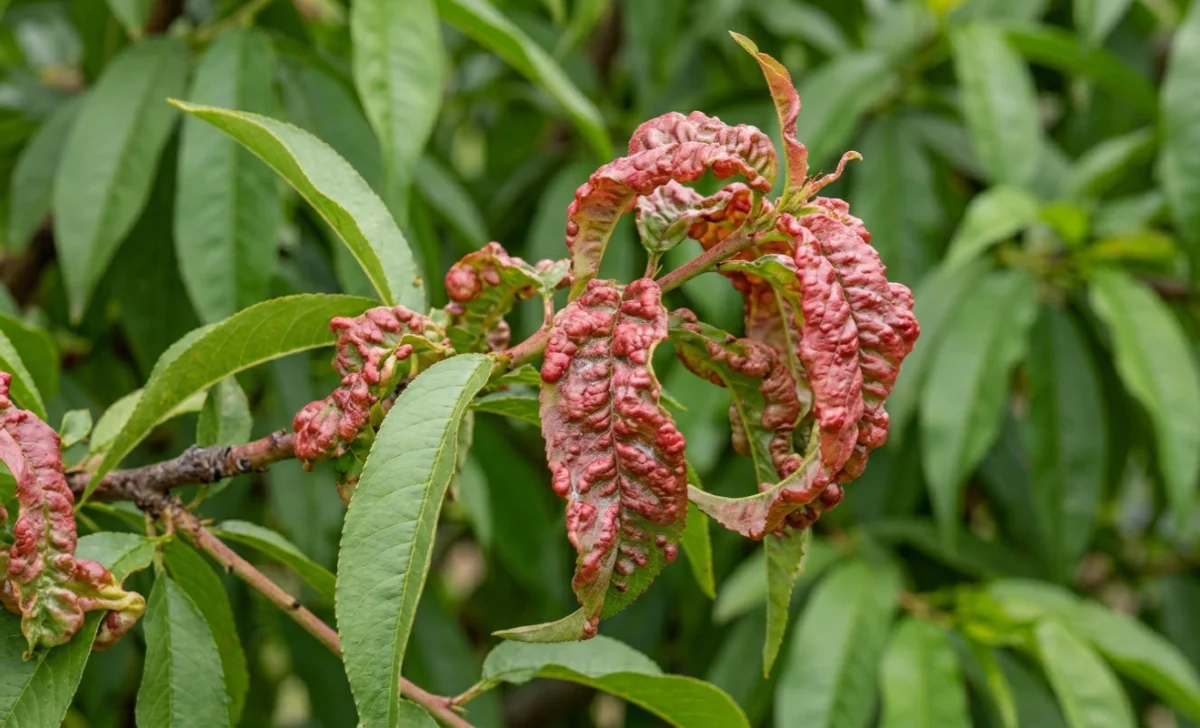
Flavortop is not disease-resistant. Planning for prevention is far easier than dealing with problems once they appear.
Peach Leaf Curl
The most common issue: distorted, reddish, puffy leaves appearing in cool, wet springs. The fix is a copper-based fungicide applied in late winter before buds swell. Apply again in early spring. Do this even in years when nothing appears — prevention costs far less than treatment.
Brown Rot
Brown, mushy spots on fruit near harvest time, worse in humid weather. Pick up fallen fruit immediately, remove dead wood, and prune for good airflow. If it appears mid-season, remove the affected fruit at once.
Common Insects
- Aphids: Cluster on new growth. A strong hose spray usually dislodges them. Neem oil works for persistent cases.
- Spider mites: Show up in hot, dry spells as speckled, dusty-looking leaves. Neem oil or regular misting helps.
- Oriental fruit moths: Larvae tunnel into fruit and shoots. Pheromone traps help you monitor; most home growers accept minor damage.
- Birds: Netting during harvest works but requires effort. Many growers treat bird damage as part of the deal.
Practical Spray Schedule
- Late fall (November–December): Dormant copper spray. Best single defence against leaf curl.
- Late winter (January–February): Second copper spray before buds swell.
- Spring as needed: Sulfur-based fungicide if curl appears despite dormant sprays. Avoid sulfur above 85°F.
- Summer as needed: Remove brown rot fruit immediately. Improve airflow with targeted pruning.
When and How to Harvest
Flavortop ripens mid to late summer, though exact timing depends on your local climate more than the variety itself. In warm valleys, it may be ready by mid-July; in cooler areas,s it can run into August or September.
Do not go by dates — go by the fruit. A ripe Flavortop shows deep yellow colour with red blush, gives slightly when pressed near the stem, and smells unmistakably like a nectarine. It releases from the branch with a gentle twist. If you have to pull hard, give it three more days.
Fruit left on the tree an extra two to three days past “looking ready” is noticeably sweeter. Eat the best ones fresh, still warm from the sun. Refrigerate the rest for up to two or three weeks, or move them into jams, pies, canning, or the freezer.
Why Is Your Tree Not Fruiting? Common Causes
- Insufficient chill hours: If your area averages below 600 hours, Flavortop may not be the right fit.
- Too much nitrogen fertiliser: Pushes leafy growth instead of flowers. Cut back and be patient.
- Pruning at the wrong time: Pruning in late spring or summer removes flower buds already set. Prune only in late winter.
- Late frost: A hard freeze during bloom kills blossoms and wipes out that year’s crop. Site the tree against a warm wall and use frost cloth when freezes are predicted during bloom.
- The tree is too young: Trees under two to three years old often do not fruit. Keep caring for it and wait.
The Real Payoff
The Flavortop nectarine takes real work: watering, feeding, pruning, thinning fruit, and some spraying. None of that is complicated once you know the rhythm of it. What comes back in return — a tree full of large, genuinely exceptional fruit every summer for 15 to 20 years — is one of the better deals available in home gardening.
If you have been considering a fruit tree and flavour is your priority, Flavortop is the variety to plant. It has been earning that reputation since 1969, and it shows no sign of giving up the title.
This content is for general informational purposes. Growing conditions, climate, and individual results may vary. Check with your local agricultural extension office when making planting decisions.