What Is Modular Furniture? The Complete Guide for 2026
Modular furniture is a system of individual pieces, called modules, that connect and reconfigure to fit different spaces, needs, or layouts. Each unit works alone or combines with others to create sofas, shelving, office setups, and more. It differs from regular furniture because you can rearrange, expand, or reduce it as your home or work life changes.
What Is Modular Furniture, Exactly?
If you have ever wished your sofa could fit a different wall, or your bookshelf could grow with your collection, modular furniture solves exactly that problem.
At its core, modular furniture is built from self-contained units. Each piece is designed to connect or combine with others from the same system. You can add modules, remove them, or rearrange them without replacing the entire set.
Think of it as building blocks for your home. A modular sofa might start as a two-seater. Add a corner unit and a chaise, and it becomes a full sectional. Move later? Reconfigure it to fit the new room.
This flexibility is what separates modular furniture from a standard sofa or fixed shelf. The design is intentional: every piece is made to work with every other piece in the system.
Modular Furniture vs. Regular Furniture: Key Differences
People often confuse modular furniture with sectional sofas or regular sets. Here is how they differ.
Regular furniture is fixed in size, shape, and function. A three-seat sofa is always a three-seat sofa. A standard bookshelf has set dimensions you cannot change. Once you buy it and place it, your options are limited.
Modular furniture is built around change. The individual units are interchangeable. You can swap pieces in and out, buy additional modules later, and adjust the configuration entirely.
Here is a quick comparison:
- Regular furniture: Fixed size, single use, hard to adapt when you move or redecorate
- Modular furniture: Adjustable layout, multi-use configurations, designed to grow or shrink with your needs
- Sectional sofa vs. modular sofa: A sectional is one connected piece sold as a unit; a modular sofa is a collection of separate pieces you assemble yourself
The difference matters most when your life changes: a new apartment, a new family member, or a shift to remote work. Modular systems adapt without forcing you to start over.
Common Modular Furniture Examples
Modular furniture shows up in almost every room of a home or office. Here are the most common types you will encounter.
Modular Sofas and Couches
A modular sofa couch is probably the most popular example. It comes in individual seat units, corner pieces, armrests, and ottomans. You buy what you need and arrange them to fit your room. Brands like IKEA’s VALLENTUNA or Pottery Barn’s Sactionals are well-known modular sofa systems.
Modular leather sofas follow the same principle with premium upholstery. They are popular in living rooms where both style and flexibility matter.
Modular Shelving Systems
Modular shelving lets you start with a simple unit and add shelves, drawers, or cabinets as needed. IKEA’s KALLAX and BILLY series are classic examples of modular shelving that millions of homes use worldwide.
Modular Office Furniture
Modular office furniture includes desks, filing units, and storage that connect into a larger workspace. As remote work has grown, so has demand for home office systems that can expand or collapse based on available space. Herman Miller, Steelcase, and Haworth are leading brands in this category.
Modular Bedroom Furniture
Modular beds with attached storage, bedside units that connect, and wardrobe systems you build piece by piece all fall into this group. They are especially practical in smaller bedrooms where every inch counts.
Modular Kitchen Units
Kitchen cabinets and pantry storage systems are often modular by design. You choose the base units and add upper cabinets, drawers, and corner pieces to match your layout.
Why Modular Furniture for Small Spaces Works So Well
Small apartments and studio flats are where modular furniture really proves its worth.
When floor space is limited, you cannot afford furniture that serves only one purpose. A modular system lets a living room double as a home office. A modular sofa bed frees you from dedicating a room to guests. A wall-mounted modular shelving unit replaces several standalone pieces with one cohesive system.
The global multifunctional furniture market was valued at USD 15.9 billion in 2024, driven largely by rapid urbanisation and shrinking living spaces in major cities. Studio apartments and compact flats are now the norm in many urban centres, and modular furniture is the practical response.
For small spaces, the best approach is to prioritise modular pieces that do more than one job. A modular sofa with built-in storage beats a regular couch every time. A desk that folds into a wall unit when not in use beats a fixed desk that takes up permanent space.
Some specific tips for small spaces:
- Choose modular shelving over standalone bookcases; you can expand vertically rather than horizontally
- Pick a modular sofa over a sectional so you can reduce its footprint in a smaller room
- Use modular storage cubes under stairs or in corners where standard furniture will not fit
- Look for modular bed frames with integrated storage drawers and headboard shelves
The Modular Furniture Sofa: What Makes It Different
The modular sofa is the bestseller of the entire modular furniture category. Modular sofas lead the product type segment with a 28.3% market share, driven by their adaptability and space-saving qualities.
What makes a modular sofa different from a regular couch or even a sectional?
A regular couch is one piece. A sectional is several joined pieces sold together as a set with a fixed configuration. A modular sofa is a system: each seat, corner, armrest, and ottoman is a separate unit. You buy what you need, arrange it however you want, and add to it later.
This matters practically. If you move from a large home to an apartment, you can remove two-seat units, and the sofa still works. If you move to a bigger place, you order more units. No need to buy an entirely new sofa.
A modular leather sofa or a fabric modular sofa follows the same logic. The upholstery style does not change the underlying principle: individual units, total flexibility.
Popular modular sofa brands include IKEA (VALLENTUNA system), West Elm (Harmony collection), Joybird, Crate and Barrel, and Pottery Barn (Sactionals). Each system uses proprietary connectors, so mixing brands is rarely possible.
Modular Furniture IKEA: What the Brand Offers
IKEA is the most widely recognised name in accessible modular furniture. Their systems are designed to be affordable, self-assembled, and expandable over time.
Key IKEA modular systems include:
- KALLAX: A cube shelving unit that stacks and arranges in dozens of configurations
- BILLY: The iconic bookcase with add-on height extensions and door attachments
- VALLENTUNA: A full modular sofa system with sleeper options and storage seats
- PAX: A wardrobe system where you choose frame sizes, doors, and internal fittings
- BESTÅ: A modular storage and TV unit system for living rooms
IKEA holds a 19% market share in modular home furniture in Europe as of 2023, according to the European Furniture Industries Confederation.
IKEA’s modular philosophy is central to its entire product range. Nearly every major category follows a system-based approach, which is why so many households start with one IKEA piece and build out from there over time.
The main trade-off with IKEA modular furniture is durability. The materials are generally engineered wood rather than solid wood, and some systems wear faster than premium alternatives. For budget buyers or those who move frequently, IKEA remains the most practical starting point. Modular Office Furniture: Built for How Work Has Changed
The office furniture category has seen some of the strongest growth in modular design. The widespread adoption of remote and hybrid work models has accelerated demand for ergonomic modular office furniture, including adjustable desks, integrated storage modules, and multifunctional workspace systems.
Modular office furniture systems let you build a complete workstation from individual components: desk surfaces, pedestals, filing units, overhead storage, and privacy screens. In a corporate setting, this means the office layout can shift as teams grow or shrink without replacing all the furniture.
In a home office, modular desk systems let you start small and add components as your work needs change. A simple corner desk can expand into a full L-shaped workstation with a separate storage tower when needed.
Top modular office furniture brands include:
- Herman Miller: Known for the Canvas system, a wall-based modular office platform
- Steelcase: Offers the Flex Collection for agile team environments
- Haworth: Provides the Enclose system for private work areas within open offices
- IKEA: The ALEX and BEKANT series offer affordable home office modularity
Modular Furniture Brands Worth Knowing
The market is large and growing. The global modular furniture market was valued at USD 82.5 billion in 2024 and is projected to reach USD 130.6 billion by 2034, growing at a CAGR of 4.7%.
Here are the main brands across price ranges:
Budget-Friendly:
- IKEA (modular shelving, sofas, wardrobes, home office)
- Wayfair’s private label lines
Mid-Range:
- West Elm (Harmony modular sofa)
- Crate and Barrel (modular seating and storage)
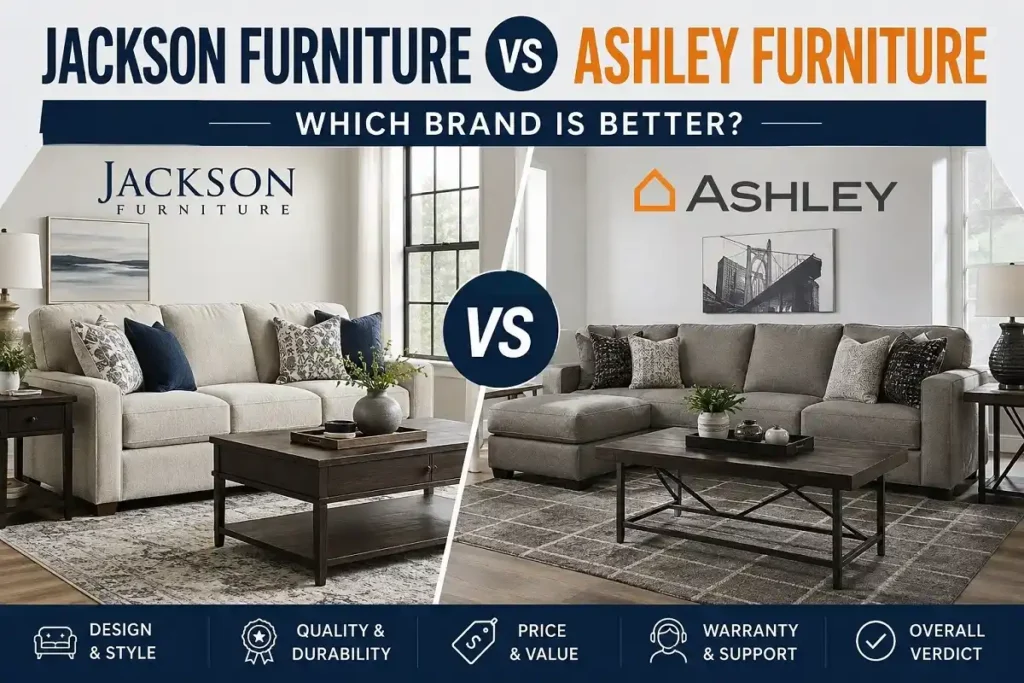
- Ashley Furniture (modular sectional systems)
Premium:
- Herman Miller (office and home systems)
- Steelcase (office furniture)
- Clei (Italian space-saving modular systems)
- USM Modular Furniture (Swiss-made steel and glass systems)
- Natuzzi (modular leather sofas)
Each brand uses proprietary connection systems, so you are generally locked into one brand’s ecosystem once you start. Research the full range before committing to a system.
The Real Benefits of Modular Furniture
Here is why more buyers are choosing modular over traditional furniture:
Flexibility in layout: You rearrange whenever you want without buying new furniture. This is especially useful in rental homes where you move often.
Space efficiency: Modular pieces fit exact dimensions. You can fill an awkward corner or use vertical wall space that standard furniture ignores.
Cost over time: The upfront cost may be higher, but you add pieces gradually rather than replacing entire sets. One modular shelf bought today can still be part of your home in ten years.
Sustainability: 62% of consumers prefer eco-friendly modular designs, and 58% favor recycled wood-based modular products. Because you replace individual modules rather than entire pieces, modular furniture creates less waste than regular furniture.
Customisation: You choose the configuration, colour, fabric, and size. Most modular systems offer more choices than any standard furniture set.
The Disadvantages of Modular Design
Modular furniture is not the right choice for everyone. Here are the honest drawbacks.
Higher upfront cost: 54% of consumers consider modular furniture expensive, and 47% delay purchase decisions because of cost. A quality modular sofa system costs more than a comparable fixed sofa at the same style level.
Brand lock-in: Once you invest in one brand’s system, adding pieces from a different brand rarely works. If the brand discontinues a line, replacement modules become difficult to find.
Assembly complexity: Modular systems require you to assemble and connect pieces correctly. Mistakes during setup can affect stability and appearance.
Can look bulky: Without careful planning, combining too many modules in a small room creates a cluttered effect rather than a clean, open look.
Quality varies widely: Budget modular furniture often uses lower-grade materials that wear faster. A modular sofa from a discount retailer will not last as long as one from a premium brand.
How Long Do Modular Sofas Last?
A well-built modular sofa should last between 7 and 15 years, depending on the quality of materials and how much use it receives.
Premium modular sofas from brands like Crate and Barrel, Joybird, or Natuzzi use hardwood frames, high-density foam, and durable fabric or leather. These can last 10 to 15 years or longer with proper care.
Budget modular sofas, including some IKEA options, typically use engineered wood frames and lower-density foam. These hold up well for 5 to 7 years under regular use.
The modular advantage here is that you do not have to replace the entire sofa when one part wears out. If the cushion foam degrades in one seat unit, you replace that unit. If the upholstery on one section tears, many brands sell replacement covers. This extends the effective lifespan well beyond that of a comparable fixed sofa.
To get the most life from a modular sofa:
- Rotate seat cushions regularly to distribute wear evenly
- Keep it away from direct sunlight to prevent fabric fading
- Follow the manufacturer’s cleaning instructions exactly
- Check connector hardware annually and tighten any loose fittings
Final Thoughts
Modular furniture gives you something standard furniture cannot: the ability to change your space without starting from scratch.
Whether you are furnishing a studio apartment, building a home office, or buying your first sofa, the modular approach offers genuine long-term value. You buy what you need now, add to it later, and adapt it as your life changes.
The market reflects this clearly. The global modular furniture market is projected to grow from USD 88.4 billion in 2025 to USD 134.7 billion by 2035, driven by increasing consumer demand for customizable, space-efficient furniture. The growth is not a trend. It reflects a genuine shift in how people want to live and furnish their homes.
Start with a clear picture of your space, your budget, and how you expect your needs to change. Then choose a system from a brand that will still be around when you want to add the next piece.
FAQs
What is meant by modular furniture?
Modular furniture refers to pieces built from individual, self-contained units that can be combined, rearranged, or expanded. Each module works alone but is designed to connect with others in the same system, giving you full control over the final configuration and size.
What is the difference between modular furniture and regular furniture?
Regular furniture has a fixed size and shape. A three-seat sofa is always a three-seat sofa. Modular furniture is made of separate pieces that you arrange yourself. You can add, remove, or rearrange modules to suit different rooms or changing needs.
What is a modular furniture sofa or couch?
A modular sofa is a seating system made of individual units: seats, corner pieces, armrests, ottomans, and sometimes sleeper sections. Unlike a sectional, which is sold as one connected set, each modular sofa unit is a separate piece. You build the sofa you want and can change it later.
What are the disadvantages of modular design?
The main disadvantages include higher upfront costs compared to standard furniture, brand lock-in once you invest in a system, complexity during assembly, and variable quality across price ranges. Budget modular furniture can wear faster than well-built traditional pieces.
Is modular furniture worth the investment?
For people who move frequently, live in smaller spaces, or want furniture that adapts over time, modular furniture tends to offer better value than replacing fixed pieces every few years. The key is choosing a quality brand and system that will remain available for future purchases.