Glass Table Addicciando: The Complete Guide to Choosing, Styling, and Caring for One
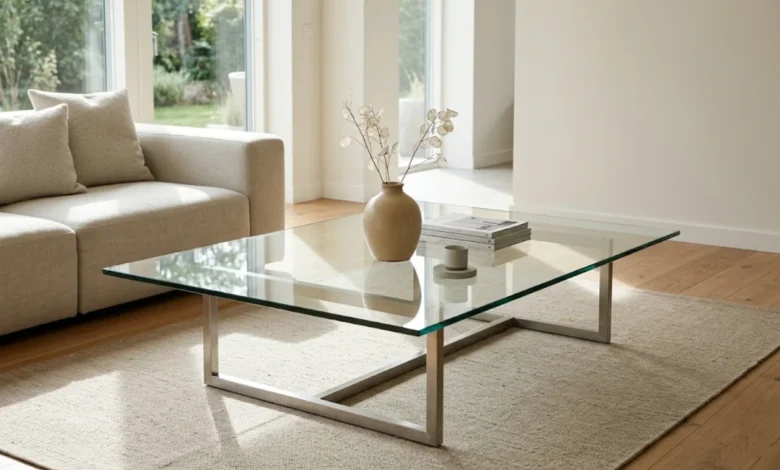
Glass Table Addicciando refers to a category of Italian-inspired glass furniture built around tempered glass tops and precision-crafted bases. The name draws from the Italian word for “enthusiast.” These tables open up small spaces visually, reflect natural light, and require almost no maintenance. They work across dining rooms, living rooms, and home offices. Tempered glass makes them 4 to 5 times stronger than standard glass.
Have you ever walked into a room and immediately felt it was too heavy? Too full, too dark, too crowded? Most of the time, the furniture is doing that. A solid wood dining table in a compact room can feel like a wall dropped in the middle of your floor plan.
A glass table changes that. And the Glass Table Addicciando design takes it further, combining Italian-inspired craft with real structural strength.
This guide covers what this table is, where the name comes from, how these pieces are made, where they work best, and how to care for them long term. By the end, you will know exactly what to look for before you buy.
What “Addicciando” Actually Means
The word addicciando comes directly from Italian, where it translates to “enthusiast” or someone deeply committed to their interest. In furniture terms, it signals a philosophy rather than a brand.
A Glass Table Addicciando is not a mass-market product. It is a design approach. The name describes furniture made for people who treat their living spaces seriously, who choose pieces with purpose rather than convenience.
That distinction matters when you are comparing tables. Generic glass furniture exists everywhere. The addicciando design category goes further. Every detail, from the edge finish to the base material to the glass thickness, is considered rather than defaulted.
How the Glass Table Addiction Is Built
The core of every piece is tempered glass. This is not ordinary window glass. Tempered glass goes through a controlled thermal process: heated to around 1,100 degrees Fahrenheit, then rapidly cooled. The result is a surface that is 4 to 5 times stronger than standard glass of the same thickness.
When tempered glass does break, it fractures into small, blunt pieces rather than sharp shards, reducing injury risk by approximately 80 Percent compared to regular glass. That safety profile matters in homes with children or pets.
The base materials in quality addicciando designs include brushed stainless steel, powder-coated metal, solid wood, marble, and, in some cases, transparent acrylic. Each base material changes the character of the piece. Steel reads as modern and structural. Wood softens the overall look. Marble adds weight and formality.
Detail finishing separates well-made tables from average ones:
- Bevelled edges that catch and distribute light
- Rounded corners that reduce impact risk
- Precision-engineered joints built to last decades
- Polish consistency across the entire glass surface
Studies show that glass furniture can make rooms appear 15 to 20 Percent larger without any change to actual square footage. That number matters most in apartments and compact urban homes where visual space is the only space you can add.
Three Table Styles and Where Each One Works
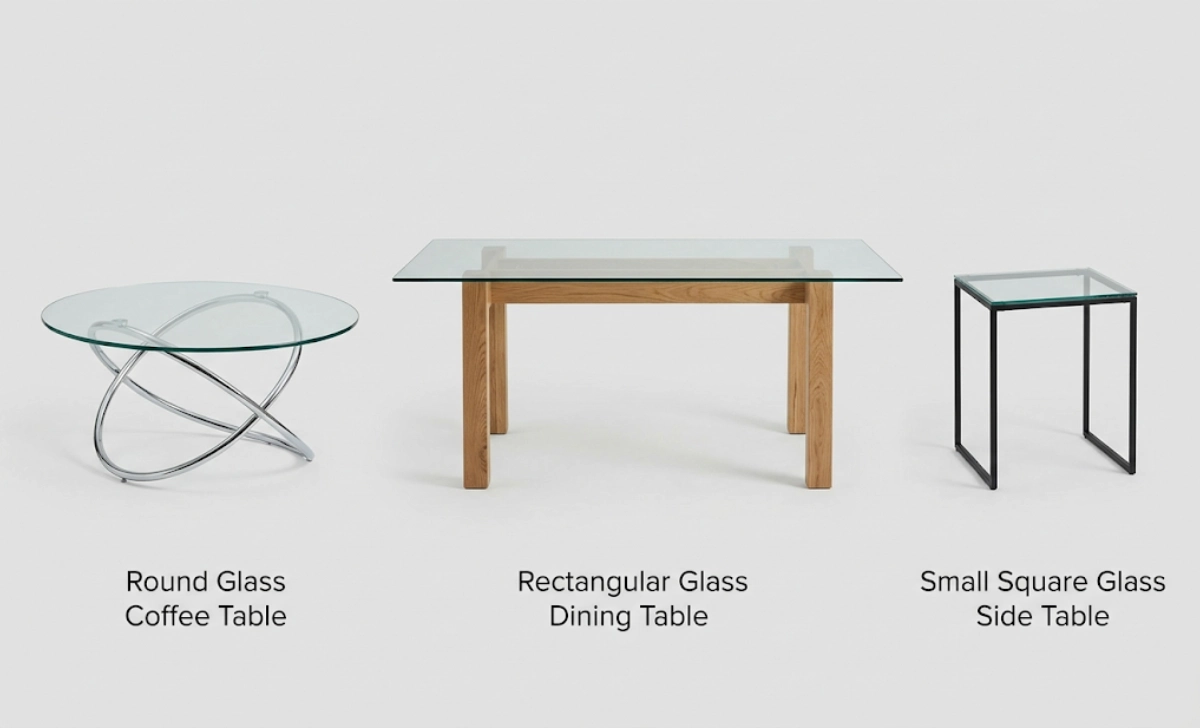
Not every table in this design family serves the same room. Understanding the differences helps you buy the right piece the first time.
Coffee Tables: A glass coffee table creates a clean visual anchor in living rooms without blocking the space. In smaller rooms, it functions almost invisibly. Many coffee table versions in this design family use geometric or curved bases, which add quiet character without competing with the rest of the room.
Dining Tables: Glass dining tables solve a common problem: a crowded-looking dining area. The transparent surface keeps sightlines open. The room does not shrink when everyone sits down. Paired with upholstered chairs or textured seating, a glass dining table reads as formal without feeling heavy. Prices range from around $500 for a simple extendable design to several thousand dollars for premium pieces with unique bases.
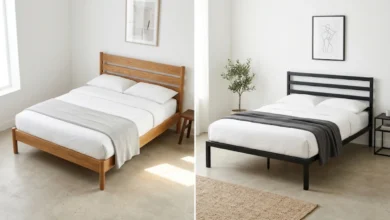
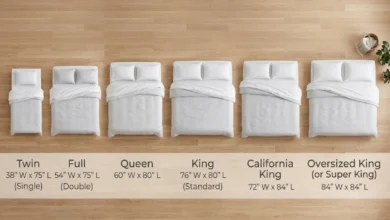
Side and Accent Tables: These are often overlooked but highly effective. A glass side table beside a sofa, in a corner, or used as a bedside piece brings brightness to spots that usually stay dim. It reflects whatever light exists nearby, making small areas feel finished rather than forgotten. If you are using one as a nightstand, check that the height aligns with your bed frame. A table that sits too low or too high next to the mattress creates a proportional mismatch that is hard to ignore. For guidance on how bed dimensions affect furniture placement, see this breakdown of types of bed sizes.
Glass Table Addicciando and 2026 Design Trends
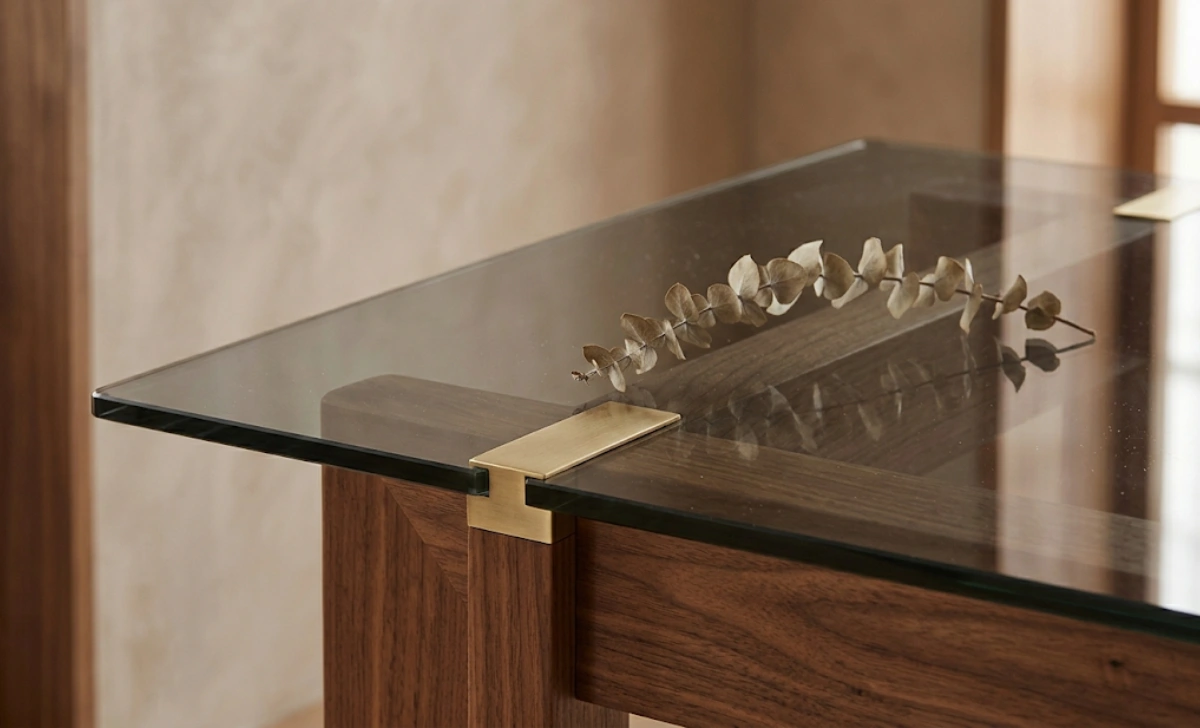
In 2025, glass table design priorities include material layering, eco-conscious choices, and artistic silhouettes. The year pushes toward glass you can see and feel, with tactile finishes like ribbed, etched, and glossy surfaces paired with vintage or unconventional bases.
Several specific directions are gaining attention right now:
Mixed material bases. Designs combining glass tops with wooden or marble bases, then adding metal accents or leather details, create visual interest without feeling cluttered.
Tinted glass. Emerald green, cobalt blue, and smoky Gray glass tops are replacing clear glass in spaces where the homeowner wants the table itself to carry personality. These work particularly well against neutral walls and light-toned flooring.
Sustainable manufacturing. Recycled glass surfaces are a growing part of 2025 home design. Designers are choosing materials that are as responsible as they are visually strong. If sustainability is a priority for you, it is worth understanding how glass fits into a broader set of eco-friendly furniture options before you finalise your purchase.
Smart glass. Some high-end addicciando pieces now feature glass that switches between transparent and opaque at the touch of a button, giving the table a secondary function as a privacy screen in open-plan spaces.
Glass has trended throughout history for nearly 2,000 years, but its current moment is tied to a specific shift: people want furniture that brings light and openness rather than weight and bulk.
How to Choose the Right Glass Table Addicciando
Buying a glass table is a longer-term decision than most people treat it as. Here is what to evaluate before you commit:
Glass thickness. Aim for 8 to 12mm for a coffee or side table, and 10 to 15mm for a dining table. Thinner glass flexes under load and creates noise. Thicker glass carries weight confidently and stays quiet.
Base stability. Lift or press the table in a showroom. A quality base feels solid, not hollow. Wobble at purchase means wobble for years.
Edge finish. Look for consistent beveling or polishing around the entire perimeter, including corners. Raw or uneven edges indicate lower-quality processing.
Weight capacity. Confirm the manufacturer’s stated capacity against your actual use. A dining table that cannot comfortably hold the weight of a full meal setting is not a dining table.
Room tone matching. Glass reflects its environment. If your room has warm tones, a clear glass table will pick those up. If it has cool tones, consider whether the reflection will add or distract.
A quality checklist before buying:
- Glass thickness appropriate for function (8mm minimum)
- Tempered, not annealed, glass construction
- Stable base with no visible flex or wobble
- Rounded or bevelled edges throughout
- Weight rating is clearly stated
- Finish consistently and scratch-free on inspection
Styling a Glass Table Addicciando Without Overcrowding It
Glass surfaces need fewer of them, not more. The transparency is the design. When you pile too many objects on a glass table, you lose the open visual that made the table worth buying.
For living rooms. One low vase, a small tray with two or three objects, or a single architectural piece works well. Keep the height of table accessories low so sightlines stay clear.
For dining rooms. A centred runner in a natural fabric, a low floral arrangement, or a set of uniform candles balances the table without blocking faces across from each other. Avoid tall centrepieces on glass. They read as heavy.
For home offices and studios. A slim tray holds daily-use items. One quality accessory, a polished pen stand or a small sculptural object, keeps the surface calm. Glass promotes focus when it is kept clean and minimal.
For internal reference, see also: [How to choose colour schemes that work with glass furniture] and [Room design ideas for open-plan living spaces].
Caring for a Glass Table Addicciando
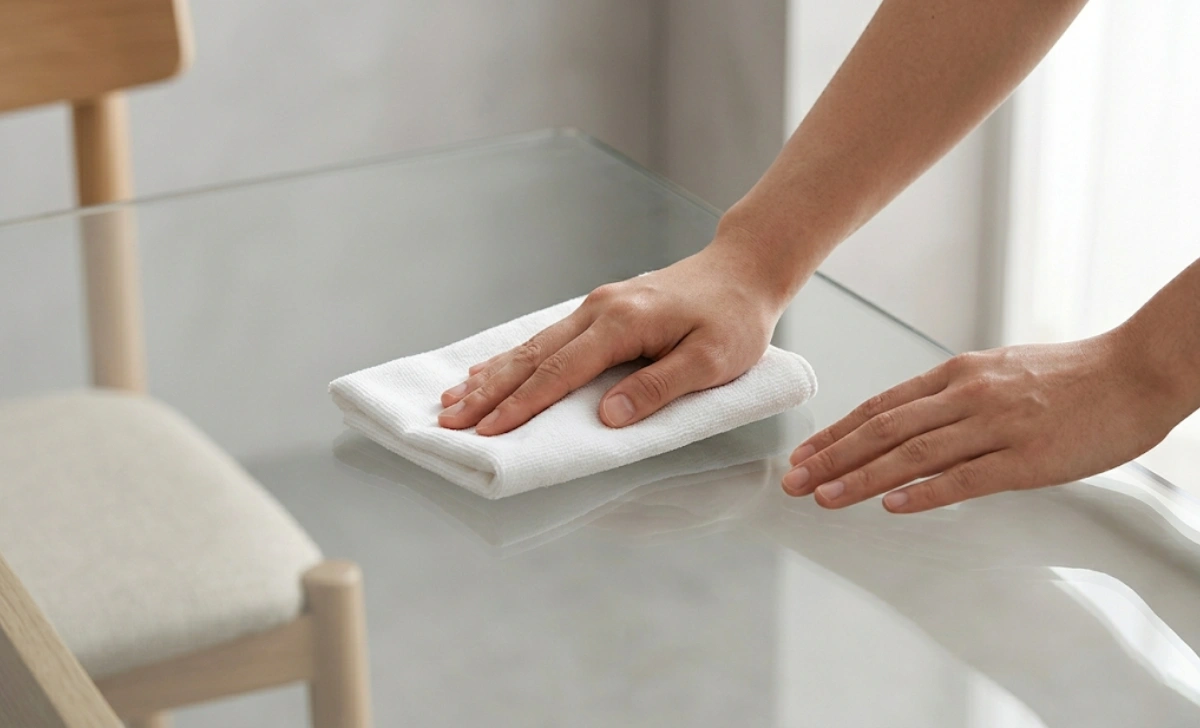
Maintenance is the simplest part of owning a glass table. The common worry that glass is fragile or hard to keep clean is not supported by how these tables actually perform.
Daily cleaning. A microfiber cloth removes fingerprints, dust, and water spots without any product. For coffee rings or food residue, a small amount of diluted glass cleaner works. Avoid abrasive cloths or sponges.
Surface protection. Use coasters under drinks. Place felt pads under decorative objects. Both habits prevent micro-scratches that accumulate over time and dull the surface.
Structural care. Keep the table on stable, level flooring. Uneven floors concentrate weight at one point on the base and create long-term stress on joints. Avoid placing the table where it will be struck repeatedly from one side.
For households with young children. Corner protectors are available in transparent silicone and are nearly invisible when applied. Add them during the years children are moving fast through the house, then remove them later.
Glass does not need oiling, sealing, staining, or any of the regular maintenance that wood requires. A consistent wiping routine and basic surface protection are genuinely all this table needs.
Glass vs. Wood vs. Metal: A Direct Comparison
Each material brings something specific to a room. Understanding the differences makes the choice easier.
Glass reads as open, light, and modern. It reflects the room’s light and colour, making spaces feel larger. It shows fingerprints and requires regular wiping. It does not age with visible wear the way wood does.
Wood reads as warm and grounded. It hides surface imperfections better over time. It requires periodic treatment to maintain its finish and can be damaged by water or heat if not protected. It adds visual weight to a room.
Metal reads as industrial and precise. It is highly durable and low maintenance, but it can feel cold in rooms that are already minimal. It combines well with glass bases in Addicciando designs.
For open-plan homes where visual continuity matters, glass wins. For traditional or warm-toned rooms where comfort is the priority, wood often makes more sense. Many addicciando designs combine glass tops with wood or metal bases, capturing qualities from both categories in a single piece. Glass also pairs particularly well with modular furniture systems, since both share the same open-plan logic: flexible, reconfigurable, and visually light.
FAQs
Is a glass table safe in a home with children?
Yes, provided it uses tempered glass. Tempered glass, which is standard in quality addicciando designs, breaks into small, blunt fragments rather than sharp shards. For additional peace of mind, rounded edges and silicone corner guards are practical additions while children are young.
How thick should a glass dining table top be?
For a dining table, 10 to 15mm is the recommended range. Thicker glass handles the load of dishes, serving platters, and everyday use without flexing. Thinner glass is appropriate for coffee or side tables with lighter use demands.
Will a glass table make my small room look bigger?
Research supports this consistently. Glass furniture allows the eye to pass through the surface rather than stopping at it, which creates a perceived increase in room size. One analysis found that glass furniture contributes to a room appearing 15 to 20 Percent larger visually.
What is the easiest way to clean a glass table daily?
A dry microfiber cloth handles most daily cleaning. For marks or residue, use a diluted glass cleaner applied to the cloth rather than sprayed directly onto the table. Avoid any abrasive material that would scratch the surface over time.
How long does a well-made glass table last?
Quality Glass Table Addicciando pieces, when properly maintained, are built to last 20 to 30 years. The glass itself does not degrade with age. The base material and joint quality determine longevity, which is why buying a piece with reinforced construction is worth the higher initial cost.