Coolideas TheHomeTrotters Com: 10 Smart Ways to Transform Your Home on a Budget
Your living room feels cramped. Your bedroom looks the same as it did two years ago. Your kitchen has zero personality, and somehow storage is always overflowing. You’re not alone—millions of renters and homeowners stare at their spaces thinking they need a complete renovation to feel better, when what they really need is a system that actually works.
Enter Coolideas TheHomeTrotters Com—a design philosophy that proves you don’t need a designer’s budget or months of construction to transform where you live. The idea is simple: combine smart space planning, handmade and vintage finds, and multi-functional pieces into a cohesive approach that makes your home feel intentional and personal. Let’s break down how to make this work in your actual space, with real numbers and room-specific examples you can execute this weekend.
Table of Contents
- What Exactly Is Coolideas TheHomeTrotters Com and Why Is Everyone Talking About It?
- How Can You Transform Small Spaces Without Spending a Dime on Renovation?
- What Budget-Friendly Home Upgrades Actually Make a Visible Difference?
- How Do You Give Your Home Global Character and Real Personality?
- What Smart Storage Solutions Prevent Clutter From Coming Back?
- How Does Modern Technology Fit Into Everyday Home Design?
- What Common Mistakes Should You Avoid When Redecorating Your Space?
- Your Next Move
- FAQs
What Exactly Is Coolideas TheHomeTrotters Com and Why Is Everyone Talking About It?
TheHomeTrotters is built on a straightforward philosophy: your home should reflect where you’ve been and who you are, not what an algorithm told you to buy. The “Coolideas” framework takes that philosophy and makes it practical—it’s not about maximalism for its own sake, and it’s not about sterile minimalism either. It’s about intention.
Here’s what sets it apart from generic home improvement advice. Most design tips say things like “add greenery” or “get floating shelves.” Coolideas TheHomeTrotters Com says: pick up a trailing pothos from your local garden centre ($12), put it on a high shelf in your living room where it catches afternoon light, and suddenly you’ve added life to vertical space without cluttering your floor. The difference is specificity—not just what to do, but where, how, and for how much.
The framework works because it respects your actual situation. Whether you’re renting a studio in Los Angeles, settling into your first home in the Midwest, or refreshing a suburban space, the core ideas stay the same: maximise vertical space, choose pieces that earn their place, source thoughtfully, and prioritise what actually improves your day-to-day life.
How Can You Transform Small Spaces Without Spending a Dime on Renovation?
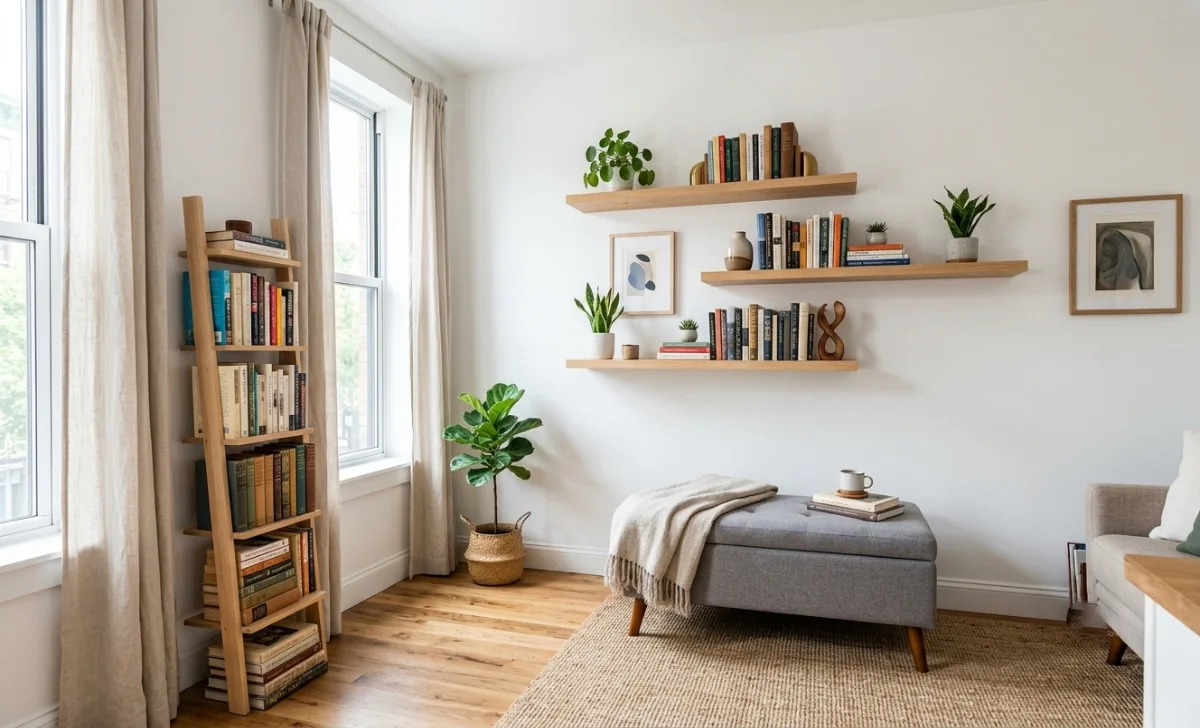
Picture this: you walk into a 500-square-foot apartment. The walls feel close. Floor space is precious. A standard couch and coffee table eat up half the room, and there’s nowhere to put anything else. Now walk out and come back in mentally after applying three changes: floating shelves above the existing furniture (not fighting for floor space), a storage ottoman instead of a regular coffee table, and one tall, narrow bookcase tucked beside the window. Suddenly the room breathes. The clutter has somewhere to go. Your eyes move up and around, not just straight ahead at the crowded ground level.
This is how small-space transformation actually happens—not through ripping out walls, but through redirecting how the space functions. The Coolideas approach prioritises vertical real estate because that’s where most small homes have untapped potential.
Vertical Storage Tricks That Free Up Floor Space
Floating shelves are the obvious move, but here’s what actually works: install them at different heights. One shelf at 48 inches for books and decor objects, another at 60 inches for smaller items and plants. This creates visual rhythm and prevents the dead, flat look of shelves in a single line.
Another often-overlooked option is wall-mounted magnetic strips for small metal items in the kitchen or office—scissors, keys, small tools. A magnetic strip costs $8 and frees up a drawer.
Pegboards deserve attention, too. Yes, they’re practical for garages, but in a bedroom or living room, a painted pegboard with a few woven baskets attached becomes both storage and wall art. Thrift stores have vintage pegboards for $3–$8, and a coat of paint transforms them completely.
Hanging organisers on the back of doors (shoe racks, clear pockets, canvas systems) pull double duty. They store things and stay invisible when the door is closed. This is Coolideas TheHomeTrotters Com thinking at its best—solving problems without visibly adding furniture.
If you’re still developing your eye for how vertical systems work together in a space, this guide on improving your interior design skills walks through the foundational principles that make storage solutions look intentional rather than cluttered. The same logic applies whether you’re styling shelves or organising a closet.
Multi-Functional Furniture Worth Every Dollar
Here’s something most people overlook: furniture that does two jobs removes the need for furniture that does one. A storage ottoman costs about what a regular coffee table costs, but it holds blankets, books, or board games inside. Storage benches at the foot of the bed do the same—seating, storage, and visual anchor, all in one piece.
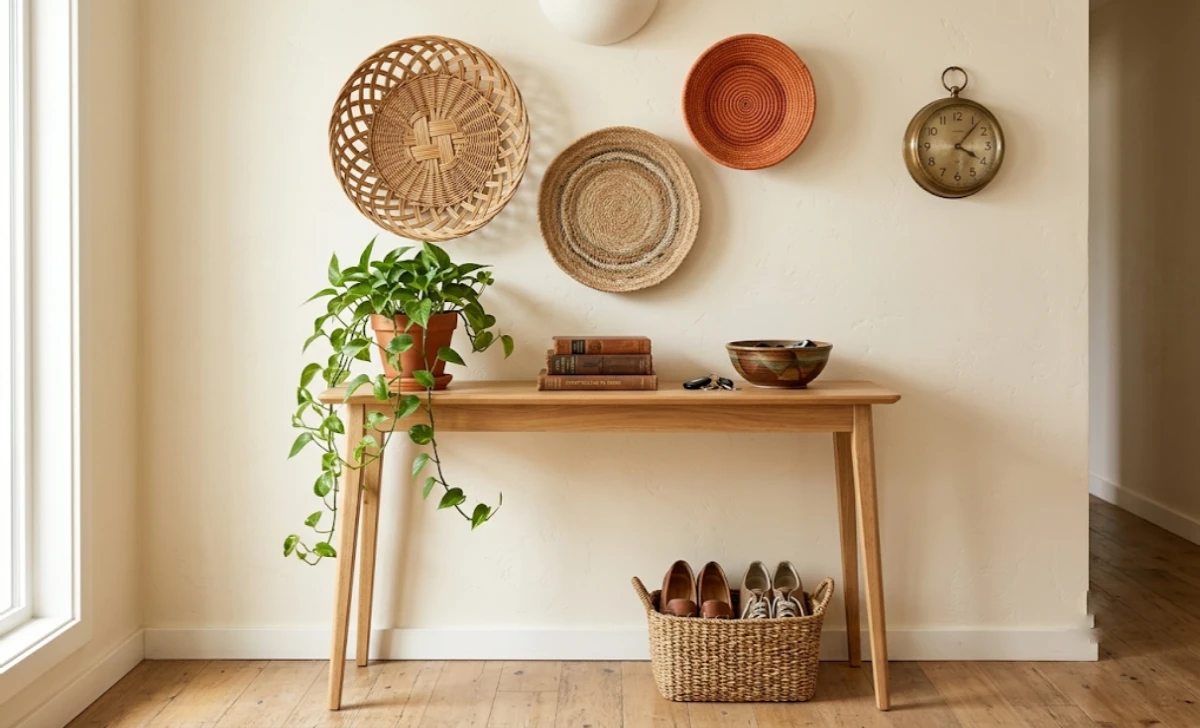
Consider a console table behind your couch if you have one, or against a wall if you don’t. It holds lamps, decor, and keys, but takes up less floor footprint than a bulky dresser or shelving unit. For under $150, you can find a solid wood or metal console at a thrift store or flea market that will outlast three trendy pieces.
Wall-mounted desks ($80–$200) collapse or stay slim in small bedrooms. They give you a workspace without claiming permanent real estate. Nesting tables ($40–$80 for a set of three) expand when you need surface space and tuck away when you don’t.
What Budget-Friendly Home Upgrades Actually Make a Visible Difference?
Not every upgrade costs the same amount of effort or money to create impact. Some changes—like repainting a single wall—take a weekend but shift the entire room’s energy. Others require patience and intentional shopping but cost almost nothing. The trick is knowing which category to prioritise based on your time and budget.
Under-$50 Changes That Instantly Refresh a Room
A fresh coat of paint on a single accent wall ($20–$40 in materials) changes how a room photographs, how you feel in it, and what anchors your other decor choices. Pair it with two or three pieces of new (or thrifted) wall art, and you have a refreshed focal point for under $50.
Peel-and-stick wallpaper or tile is the renter’s secret weapon. A 28-square-foot roll of peel-and-stick wallpaper costs $15–$30 and sticks to any wall or even cabinet. When you move, you peel it off. This is how Coolideas TheHomeTrotters Com philosophy works in a rental: commit to the space without permanent alteration.
New hardware on existing furniture is invisible but transforms how it feels. Cabinet handles, drawer pulls, and door knobs for a bedroom set cost $2–$5 each. Swap out eight pieces for $30, and suddenly a hand-me-down dresser looks intentional.
A large mirror ($20–$40, thrifted or new) reflects light and makes any room feel bigger. Lean it against the wall if you don’t want to hang anything, and it still works. Hang it with a thrifted frame for personality.
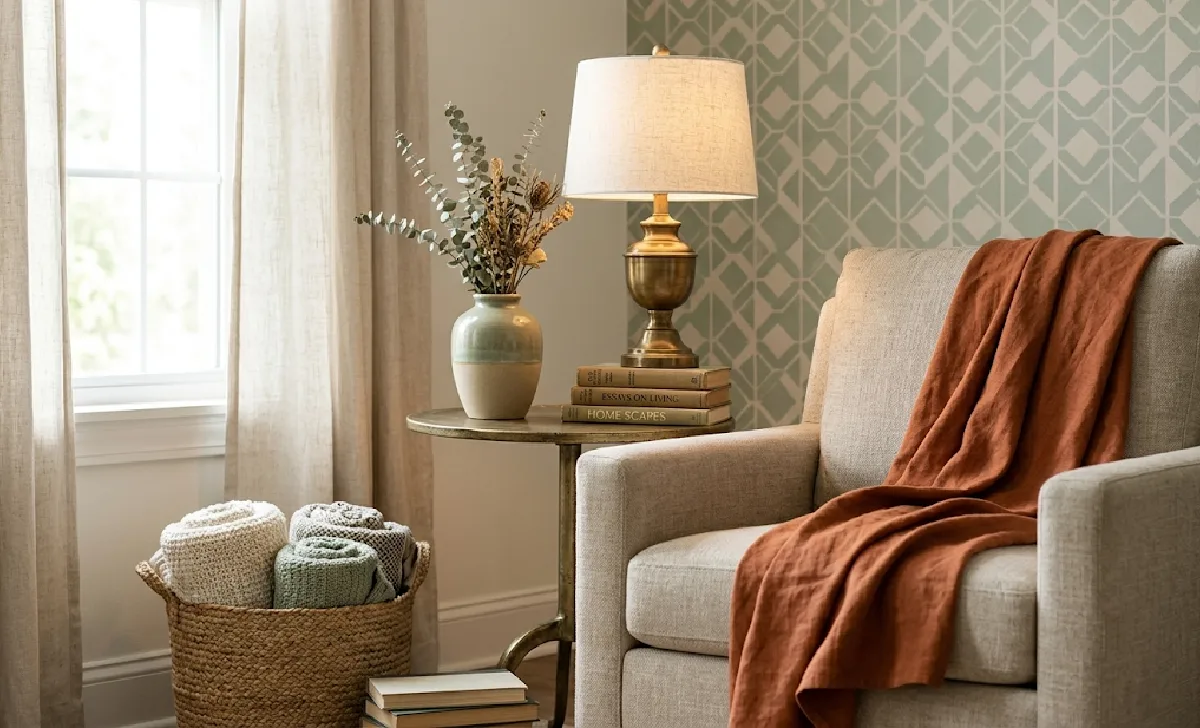
Lighting is underrated. A floor lamp with a warm bulb ($25–$50) changes the mood of an entire room. Most overhead lights feel sterile—adding a lamp that casts warm, directional light makes people actually want to spend time in the space.
Rental-Safe Upgrades That Protect Your Deposit
Command hooks and damage-free hangers let you hang art, mirrors, and shelves without drilling holes. A gallery wall with 8–10 pieces using command strips costs under $50 total (hooks plus thrifted frames) and comes down cleanly.
Freestanding room dividers or curtain rods with sheer fabric ($30–$60) create visual zones without permanent walls. This is especially useful in studio apartments where one room is technically everything.
Adhesive floor coverings come in tiles, rugs, and runners. A high-traffic area that shows wear gets an inexpensive rug ($30–$80) that you take with you. The landlord sees the original floor under it, your deposit is safe, and your space is improved.
Room-by-Room Starter Budget Comparison:
| Room | Top 3 Quick Wins | Estimated Budget |
|---|---|---|
| Living Room | Accent wall paint, floating shelf, storage ottoman | $100–$150 |
| Bedroom | New bedding or duvet cover, wall-mounted shelves, one statement mirror | $80–$120 |
| Kitchen | Open shelving styling (organise existing items), hardware swap on cabinets, under-shelf lighting | $50–$100 |
| Bathroom/Balcony | Peel-and-stick tile or wallpaper, mirror with thrifted frame, tall plant or tiered plant stand | $60–$100 |
How Do You Give Your Home Global Character and Real Personality?
This is where Coolideas TheHomeTrotters Com separates itself from standard decor advice. Your home doesn’t need to match a trend or fit a single aesthetic category. It needs to feel like you—which often means mixing styles, eras, and origins in a way that tells your story.
Where to Find Handmade and Vintage Decor Pieces
Here’s what most people overlook: thrift stores and local markets have pieces that mass-produced retailers will never stock. A handwoven basket from a community craft fair ($15–$30) holds blankets and looks better than a plastic storage container. A vintage ceramic pot ($3–$8 at estate sales) becomes a planter that cost a fraction of new pottery.
Estate sales and auctions are treasure hunts. Most items are priced to move, especially furniture and decor. You’ll find oil paintings, brass lamps, wooden bowls, and serving pieces that feel collected, not purchased. Learn to spot quality wood, solid construction, and timeless shapes—these pieces last decades.
Etsy and local maker platforms let you support craftspeople directly. A handmade ceramic mug or wood cutting board costs $15–$30 but becomes a daily object you actually enjoy using. This is TheHomeTrotter’s philosophy in action: pay for intention and quality, skip the mass-market middleman.
Local artisan fairs and craft markets happen year-round in most cities. A morning browsing a farmer’s market–style craft fair yields unique wall hangings, textiles, and small furniture pieces that no one else in your neighbourhood will own.
Blending Heirlooms With Modern Design
If you have family pieces—your grandmother’s quilt, an old wooden table, vintage silverware—integrate them rather than storing them. Drape the quilt over a modern sofa arm. Use the table as a console or office desk. Display the silverware in open shelving or a glass cabinet. Heirlooms anchor a space and tell your family’s story. They also cost nothing new.
Mix old and new deliberately. A modern floor lamp next to a vintage chair. A contemporary painting above a thrifted dresser. A sleek black bookshelf holding both new books and old leather-bound volumes. This intentional mixing makes a home feel curated, not cluttered.
Thrifted frames filled with your own photos, your partner’s art, or postcards from places you’ve travelled are personal in a way that generic wall art never is. Frame 6–8 images in matching or complementary frames (thrifted) and create a gallery wall for under $40. It tells who you are.
What Smart Storage Solutions Prevent Clutter From Coming Back?
Storage is only useful if you maintain it. The moment you organise the kitchen junk drawer, it fills up again unless you have a system. Coolideas TheHomeTrotters Com focuses on storage that works with how you actually live, not against it.
Categorise by activity, not by item type. Instead of “bathroom drawer,” think “morning routine”—toothbrush, face wash, deodorant together. Instead of “kitchen storage,” think “cooking prep”—knives, cutting board, mixing bowls near the stove. This mental shift makes cleanup intuitive instead of a chore.
Visible storage works better than hidden storage for everyday items. Open shelves with clearly arranged items tell your brain where something belongs. A basket of cooking utensils on the counter takes two seconds to grab from and two seconds to return to. A drawer full of utensils hidden away means you grab three forks before you find what you want.
Labels matter. They’re boring, but they work. Label shelves and container lids so that when someone else uses your space, they return items to the right place. This applies whether you live alone, with a partner, or in a shared apartment.
Seasonal rotation prevents clutter year-round. Summer clothes go up, winter clothes come down. Holiday decorations live in vacuum-sealed bags in an upper closet shelf. This isn’t new advice, but it’s foundational—you can’t keep clutter at bay without some seasonal discipline.
How Does Modern Technology Fit Into Everyday Home Design?
Smart home technology gets oversold as a luxury. In reality, a few thoughtful tech additions improve daily life without overcomplicating things or requiring an engineering degree.
Smart bulbs ($10–$20 each) let you dim lights or change colour temperature without adding switches or wiring. This is especially useful in rental spaces where you can’t alter fixtures. One smart bulb in a bedside lamp means no stumbling to the wall switch at night. One in the living room means you can create mood without overhead lights.
Smart speakers with voice control ($30–$100) play music, set timers, and answer questions without you touching a phone. They’re genuinely useful, and newer models have better sound quality than budget speakers from five years ago. Place one in a kitchen or bedroom for practical benefit.
Smart power strips ($15–$30) turn off devices when you’re not using them, which saves money and reduces phantom power drain. Plug a TV, lamp, and sound system into one strip and turn them all off with one button or voice command.
The rule: add technology only if it solves a real problem in your space. Don’t get a smart thermostat if you live in a rental building where you can’t control heat anyway. Do get a smart bulb if you’re tired of getting out of bed to turn off the light.
What Common Mistakes Should You Avoid When Redecorating Your Space?
Honestly, most people overthink this. Here are the actual mistakes worth avoiding:
Mistake: Buying furniture before measuring. You see a beautiful couch and buy it without checking your doorway width or room dimensions. Result: it doesn’t fit, or it overwhelms the space. Measure first, always.
Corrected approach: Measure your room’s length and width, measure doorways and hallways, and take photos. Bring measurements to thrift stores and furniture shopping. Sit in the room (or stand in a showroom) and visualise the piece in place. If it doesn’t feel right in the space, it won’t look right once it’s home.
Mistake: Decorating an unfinished foundation. You hang art and add plants before the room has good lighting, proper storage, or functional furniture. The result is pretty but impractical.
Corrected approach: Set up function first—lighting that works, storage that holds what you need, seating that’s actually comfortable. Then add personality. A beautiful room that doesn’t work is worse than a plain room that does.
Mistake: Following trends without personal anchor. You see an aesthetic online and buy everything in that style, then feel bored six months later because it’s not actually you.
Corrected approach: Build from pieces you genuinely love. If that’s vintage brass and plants, commit to that. If it’s modern minimalism, commit to that. Trends change; your personal preference stays.
Mistake: Overcrowding surfaces. More decoration doesn’t mean more interesting. A shelf with 30 small objects looks chaotic. A shelf with 5 well-chosen objects looks intentional.
Corrected approach: The Coolideas TheHomeTrotters Com philosophy again: every piece should earn its place. If you’re not sure about an object, leave it off the shelf. Come back to it in a month. If you miss it, add it back. If you don’t, move on.
Mistake: Buying one-use items. That decorative bowl that holds nothing, the throw pillow that doesn’t go with anything else, the vase you bought “just because.”
Corrected approach: Every piece should either serve a function or genuinely make you happy when you look at it. Ideally both. A handmade ceramic bowl that costs $20 but you use for keys, remote controls, and small items every day earns its place. A decorative bowl that sits empty and collects dust doesn’t.
Your Next Move
If you do one thing this weekend, walk through your home and notice which room frustrates you most—the one that feels cramped, cluttered, or uninspiring. Pick one idea from this guide that addresses that specific problem. Maybe it’s floating shelves in the bedroom, a peel-and-stick accent wall in the living room, or a storage ottoman instead of a regular coffee table. Make that single change and see how it shifts the space. Small moves compound, and after one change works, the next one becomes obvious.
Coolideas TheHomeTrotters Com works because it’s not about reinventing your entire home—it’s about solving real problems with intention, mixing pieces that tell your story, and discovering that small budgets can create spaces that feel yours entirely. When your home is styled thoughtfully and works for how you actually live, you won’t want to go anywhere else. Create a space worth staying in by prioritising comfort, personality, and intention in every room.
FAQs
What is Coolideas TheHomeTrotters Com exactly?
It’s a home design framework that combines smart space planning, handmade and vintage finds, and multi-functional furniture into a practical system you can apply room by room. It works for renters, homeowners, and anyone on a realistic budget.
How can I make my small apartment look bigger without renovating?
Focus on vertical storage (floating shelves, wall-mounted systems, tall narrow furniture), add mirrors to reflect light, use peel-and-stick wallpaper on a single wall for definition, and choose multi-functional pieces like storage ottomans. These changes cost $100–$150 per room.
What are the cheapest ways to upgrade a rental apartment?
Use command hooks and damage-free hangers for art and shelves, peel-and-stick wallpaper or tile on accent areas, fresh paint on one wall (if allowed), swap cabinet hardware, and add a floor lamp for better lighting. All of these come off or get painted back if you need to restore the space.
Where can I find affordable handmade home decor?
Estate sales, local craft fairs, Etsy, thrift stores, and flea markets are your best sources. You’ll find one-of-a-kind pieces for a fraction of retail price, and you’ll support artisans directly. Budget $5–$30 per piece depending on size and quality.
How do I add personality to a plain room?
Start with one intentional choice—a colour on one wall, a thrifted mirror or artwork, or a houseplant. Then add pieces slowly: a handmade ceramic bowl, a family heirloom, a photo in a frame you love. Personality grows when you add pieces that mean something to you, not random decor.
What furniture works best in small spaces?
Storage ottomans, console tables, wall-mounted desks, nesting tables, and tall narrow bookcases. These pieces provide function without claiming excessive floor space. Thrift stores have solid options for $30–$100, which beats buying new for furniture that may not work out.