Types of Interior Design Jobs Available: How to Find Them, What They Pay, and Where to Look

Interior design jobs are available across residential, commercial, and hospitality sectors in the U.S. The median salary is $63,490 per year, according to BLS 2024 data. Around 7,800 positions are open annually. Top hiring cities include New York, Houston, Chicago, and Dallas. Most roles require a bachelor’s degree, a strong portfolio, and proficiency in software like AutoCAD or Revit.
Getting a job in interior design is not as simple as having a good eye for colour. The market is specific. Employers want particular software skills, documented portfolio experience, and, in many cases, a recognised credential. If you’re entering the field or looking to move up, knowing where to focus your energy makes a real difference.
This guide breaks down what interior design jobs actually involve, what they pay, where the best opportunities are, and how to position yourself for a serious hire.
What Interior Design Jobs Actually Involve
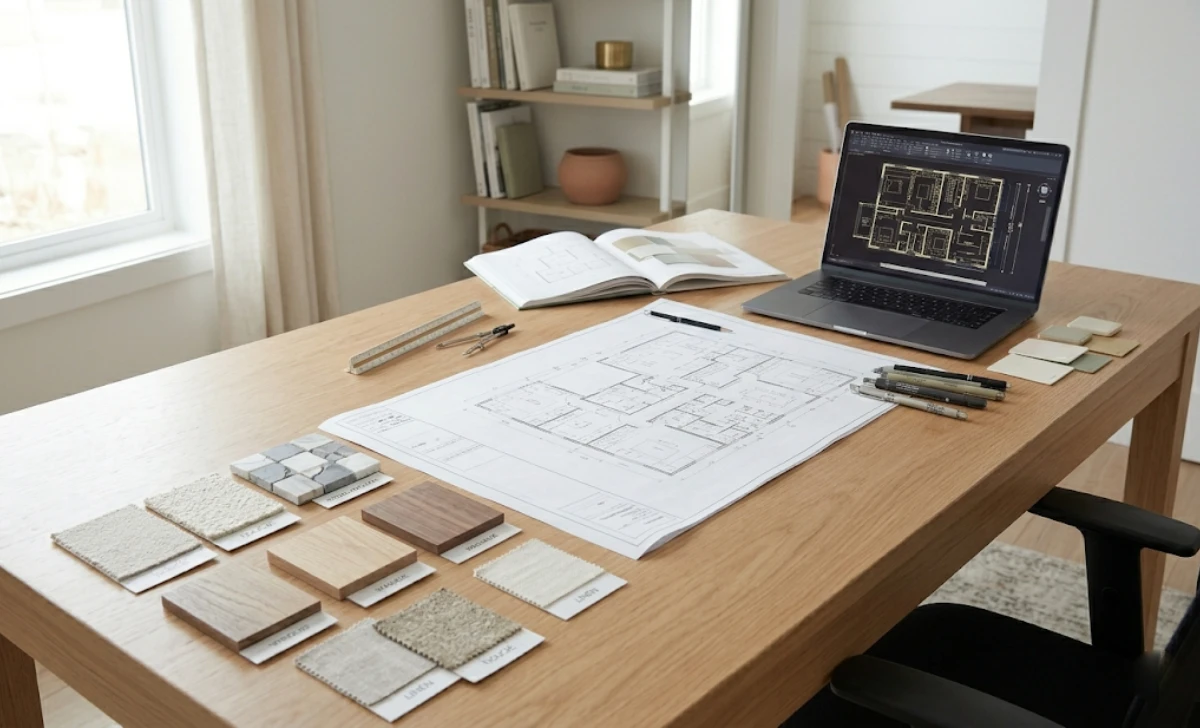
Many people assume interior design is mostly about choosing furniture and paint colours. It’s not. Most professional roles involve technical work alongside creative decisions.
Interior designers plan and coordinate interior spaces to meet safety codes, client goals, and building regulations. They read architectural drawings, specify materials, manage contractor relationships, and often oversee project budgets. On large commercial projects, this work can take months and involve teams from multiple disciplines.
Job descriptions commonly include:
- Space planning and floor plan development
- CAD and 3D rendering software (AutoCAD, Revit, SketchUp, Enscape)
- Client presentations and mood board creation
- Specification writing for furniture, fixtures, and materials
- Coordination with architects, contractors, and vendors
- Site visits and project management oversight
The technical side matters. Firms in sectors like healthcare, hospitality, and corporate design expect candidates who can navigate building codes and produce precise construction documentation, not just attractive visuals.
Interior Design Jobs: Salaries and Pay Ranges
Pay in this field varies a lot depending on location, specialisation, and experience level.
The median annual wage for interior designers was $63,490 in May 2024, according to the U.S. Bureau of Labour Statistics. The lowest 10 per cent earned less than $38,480, while the highest 10 per cent earned more than $106,090.
The American Society of Interior Designers (ASID) 2025 State of Interior Design Report puts the average salary for interior designers in 2024 at $71,430, a 2.1% increase from the previous year.
By industry, the numbers break down further. The top-paying industries for interior designers are architectural, engineering, and related services at $73,990; wholesale trade at $67,520; and specialised design services at $62,710.
Location also shifts the numbers significantly. Designers working in major metro areas generally earn more than those in smaller markets. Senior designers at established firms, design directors, and studio principals can earn between $100,000 and $150,000 or more annually.
The Interior Design Job Market Right Now
The overall job picture is stable rather than explosive, but consistent demand keeps positions available year over year.
Employment of interior designers is projected to grow 3 per cent from 2024 to 2034, roughly in line with the average across all U.S. occupations. About 7,800 openings are projected each year, on average, over the decade.
The ASID 2024 State of Interior Design Report estimates the total number of interior designers, both employed and self-employed, at nearly 128,800 in 2024, a 4.1% increase year-over-year. Of those, approximately 55% are employed, and 45% are self-employed.
The 2025 ASID report also notes rising adoption of AI tools across design services, alongside projected market growth to $204 billion by 2031 at a 5.83% CAGR, driven by residential demand and renovation activity.
One factor worth noting: the field is tied to construction and real estate activity. When those sectors slow, interior design hiring typically slows with them. Firms with diverse portfolios across multiple client types tend to maintain steadier hiring through economic shifts.
Where Interior Design Jobs Are Concentrated
Location matters more in interior design than in many professions. Work tends to cluster in cities where construction, real estate, and commercial development are active.
Some of the top interior design firms in the United States are located in New York City, Chicago, Miami, Los Angeles, Dallas, and Washington, D.C.
Texas is a particularly active market. Indeed currently lists over 600 interior designer positions across the state, with heavy concentration in Houston, Dallas, and Austin. Houston alone has active listings from firms like Gensler, PGAL, and Curve Hospitality, covering everything from entry-level roles to senior positions requiring 10 or more years of experience.
Indiana and Michigan are smaller markets but still active, particularly in the residential and healthcare design sectors. Detroit has seen renewed commercial development that has created openings for mid-level designers with mixed-use and adaptive reuse experience.
California and Texas alone account for over 10% of interior designers in the United States. Traditional home decor is more popular in southern states like Texas and Louisiana, while seaside themes are more prominent along the East Coast.
For designers who want to keep their options open, knowing the range of interior design styles in demand across different markets helps you tailor your portfolio to regional preferences.
Types of Interior Design Jobs Available
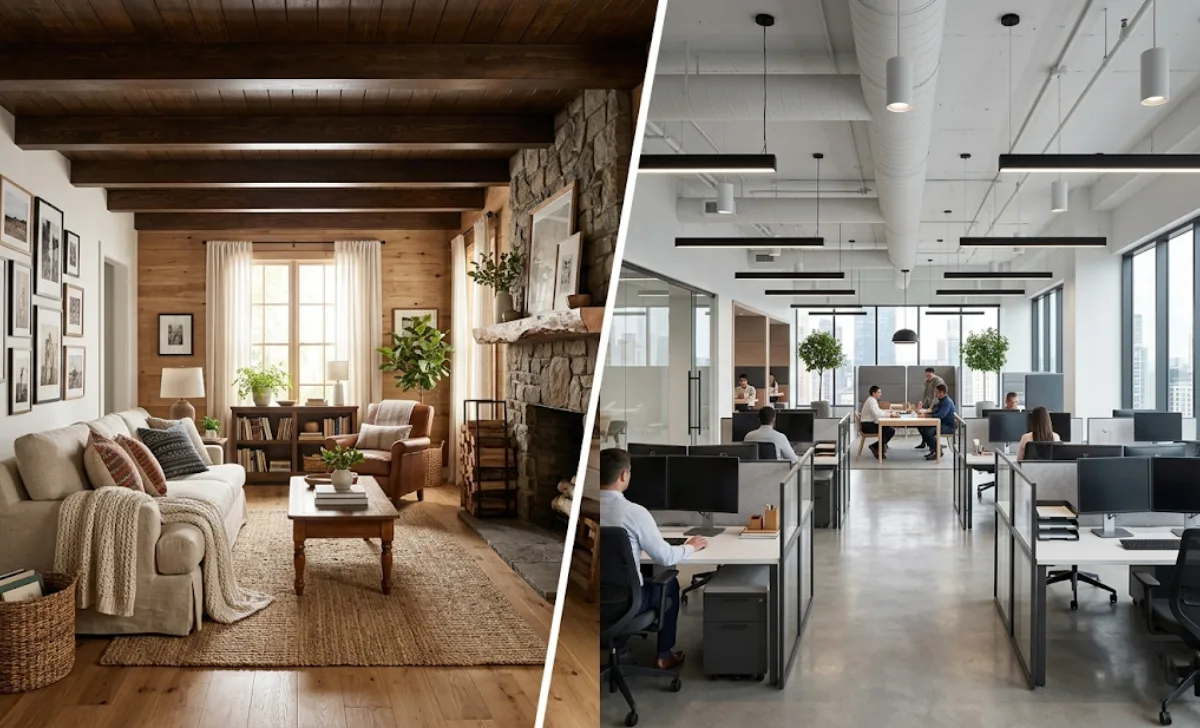
The field has more variety than most people expect. Here are the main tracks:
Residential Interior Designer Works directly with homeowners on single-family homes, apartments, or condos. Projects range from single-room updates to full new-build specifications. Pay can vary widely, especially for designers working on commission or project fees.
Commercial Interior Designer Covers offices, retail spaces, hotels, restaurants, and public buildings. This track usually involves larger teams, tighter deadlines, and more technical documentation requirements.
Healthcare Interior Designer: A growing speciality focused on hospitals, clinics, and assisted living facilities. Requires knowledge of infection control standards, accessibility requirements, and evidence-based design. Command some of the highest salaries in the field.
Hospitality Interior Designer Works on hotels, resorts, restaurants, and entertainment venues. Strong visual storytelling and brand alignment skills are essential here.
Set Designer / Staging Consultant Overlaps with real estate and media. Home stagers prepare properties for sale; set designers work in film, TV, and photography.
Virtual Interior Designer: A newer track that has grown significantly since 2020. Designers work entirely online, delivering mood boards, floor plans, and product lists without in-person visits. If you are curious about how this model works, this guide to working with a virtual interior designer covers the process in detail.
What Employers Actually Look for in Interior Design Jobs
Hiring managers are specific about what they want. A generic resume won’t move forward at a competitive firm.
The skills that come up most consistently in job postings include:
- Proficiency in AutoCAD and/or Revit (often listed as required, not preferred)
- 3D rendering experience using Enscape, Lumion, or similar software
- Clear understanding of FF&E (furniture, fixtures, and equipment) specification
- Space planning and code compliance knowledge
- Strong visual communication, both verbal and written
- Client-facing skills for presentations and scope discussions
Georges Fares, an interior design expert at Zippia, advises: “Focusing on niche areas within interior design that are currently in high demand, such as sustainable design, healthcare design, or incorporating advanced technology, can significantly improve your market value and allow you to command higher fees.”
A well-organised portfolio is not optional. It should demonstrate problem-solving and project outcomes, not just attractive photos. Case studies that show before-and-after transformations, budget management, and client goals met tend to perform well in hiring reviews.
How to Stand Out When Applying for Interior Design Jobs
The job market has specific pressure points. Here is how to address them directly.
Build a portfolio that tells a story. Each project entry should explain the client’s goal, your design decisions, and the result. Hiring managers want to see how you think, not just what the finished space looks like.
Get credentialed. The National Council for Interior Design Qualification (NCIDQ) exam is the standard professional certification in the U.S. As of October 2024, the Council for Interior Design Qualification reported 17,447 active certificate holders, up from 16,539 in 2023. In spring 2024 alone, 544 new certifications were awarded, a 14.3% increase from the prior year. Having the credential moves your application into a shorter pile.
Target firms with varied client portfolios. As noted earlier, firms working across multiple sectors tend to be more stable employers. Look for studios that list healthcare, corporate, and residential work rather than those dependent on one client type.
Show your online presence. Platforms like Houzz, LinkedIn, and Instagram have become part of the hiring picture. Designers with active and well-documented profiles on these platforms often receive recruiter outreach before they even apply anywhere.
Consider your residential range. Clients and employers both appreciate designers who can work across different aesthetics, from contemporary to traditional. Being able to handle something like a rustic bedroom project with the same confidence as a modern urban apartment makes you more versatile and more hirable.
Where to Search for Interior Design Jobs
The main job boards for this field include:
- Indeed – High volume of listings across all states and experience levels
- ZipRecruiter – Strong for mid-level positions in secondary markets like Indiana
- Glassdoor – Useful for salary data alongside listings, particularly in markets like Houston
- Dezeen Jobs – Focused specifically on architecture and design, with international listings
- Bespoke Careers – Specialist recruiter for design firms with U.S. and international roles
- ASID Career Centre – Listings from firms that prioritise credentialed candidates
- LinkedIn – Important for both applications and recruiter outreach
Niche boards like Dezeen Jobs and Bespoke Careers often list roles that never appear on general job sites. If you’re targeting boutique studios or international firms, check those first.
FAQs
Do you need a degree to get interior design jobs?
Most employers require a bachelor’s degree, typically in interior design, architecture, or fine arts. Some firms accept an associate degree for entry-level roles, but a four-year degree opens significantly more doors. The NCIDQ exam also requires documented education and work experience, so degree choice matters for long-term licensing.
How long does it take to become a licensed interior designer?
In most U.S. states, you need a combination of education and work experience before sitting the NCIDQ exam. The typical path is a four-year degree plus two years of documented professional experience. The full process from graduation to certification commonly takes three to four years.
Are interior design jobs remote-friendly?
Some roles are particularly in virtual design, e-commerce, and project coordination. However, most interior design positions still require in-person client meetings, site visits, and contractor coordination. Fully remote roles exist but represent a smaller share of the overall market.
What is the difference between an interior designer and an interior decorator?
Interior designers are trained and often licensed professionals who handle space planning, code compliance, structural considerations, and full-project coordination. Decorators focus on aesthetics without the technical and regulatory components. In many states, the title “interior designer” is legally protected and requires specific credentials.
Which specialisation pays the most in interior design?
Healthcare and corporate design tend to pay the most, particularly at the senior level. Designers specialising in sustainable design or technology-integrated spaces are also seeing premium compensation. Residential work can pay well at the luxury end, especially for experienced designers with strong client networks.