Interior Design Styles: A Complete Guide to Finding Your Look
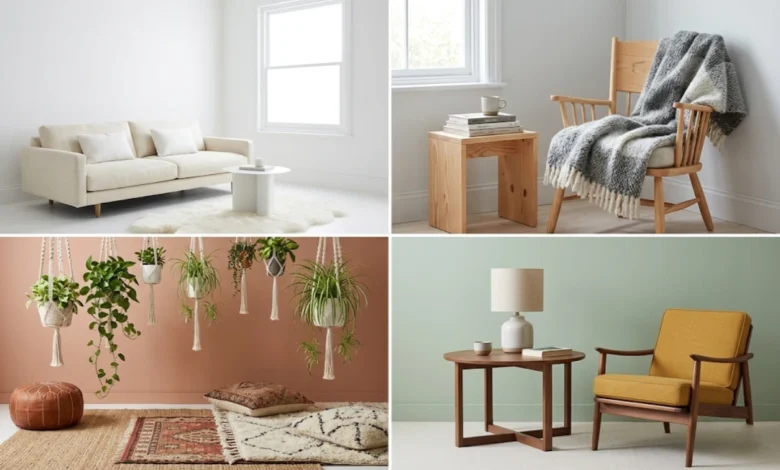
Interior design styles are distinct visual approaches used to decorate a home or space. Each style has its own rules about colour, furniture, layout, and materials. From minimalist to maximalist, modern to traditional, knowing the main styles helps you make confident choices, avoid costly mistakes, and build a home that feels intentional and personal.
Choosing how to decorate your home is harder than it looks. You scroll through Pinterest for an hour, save fifty photos, and still feel stuck because nothing quite connects. That happens when you don’t know which interior design style fits your life.
This guide breaks down the most popular interior design styles, shows you what separates one from another, and helps you figure out which direction suits you best.
What Are Interior Design Styles?
Interior design styles are categories that group together specific choices in colour, furniture, texture, and layout. They give a space visual consistency.
Think of a style as a set of guidelines, not strict rules. A modern living room favours clean lines and neutral tones. A bohemian bedroom layers textiles, plants, and personal objects. Knowing these patterns helps you shop with purpose and decorate with confidence.
Styles are not fixed in time either. Many evolve as cultural tastes shift. According to a 2025 report from Homes and Gardens, there has been a noticeable shift away from pop-culture-driven fads toward designs inspired by the past and focused on longevity.
The Most Popular Interior Design Styles Today
Here is a breakdown of the styles you’ll encounter most often, with the key traits that define each one.
Minimalist
Minimalism is built around one idea: keep only what you need.
Spaces are uncluttered, calm, and intentional. Neutral colours, white walls, and carefully chosen furniture define the look. Surfaces stay clear. Storage is hidden. Every object earns its place.
This approach is widely preferred. According to data from Dara Agruss Design, 63 per cent of consumers prefer minimalist interiors. The appeal lies in how clean, open spaces reduce visual stress and make a home feel larger than it is.
Good minimalism is not cold or empty. It is selective.
Key traits:
- Neutral palette (white, grey, beige, soft black)
- Clean-lined furniture with geometric shapes
- No decorative clutter
- Quality over quantity
Modern
Modern design refers specifically to a style that emerged from the early to mid-20th century, rooted in Bauhaus and post-war principles. It is not the same as “contemporary,” though many people use the terms interchangeably.
Modern interiors use a monochromatic palette, abundant natural light, and natural materials like wood and stone. Furniture is low-profile and functional. Ornamentation is intentionally avoided.
If you want a timeless space with architectural clarity, modern design delivers that. It does not chase trends.
Key traits:
- Monochromatic or earth-based color palette
- Natural materials, especially wood and leather
- Open floor plans
- Strong horizontal and vertical lines
Traditional
Traditional design draws from historical European styles, particularly 18th and 19th-century English and French interiors. It is not tied to one specific era but uses furnishings and details that feel classic and well-established.
Think upholstered sofas, wooden furniture with carved detail, rich fabrics like velvet or damask, and symmetrical arrangements. Colour palettes lean warm, with deep reds, greens, and cream.
A traditionally styled room feels comfortable and refined. It rewards quality craftsmanship and rewards careful layering of textiles and objects.
Key traits:
- Symmetrical furniture arrangements
- Rich, warm color palettes
- Antique or antique-inspired furniture
- Layered textiles and window treatments
Scandinavian
Scandinavian design, rooted in Nordic countries, prioritises function, light, and simplicity. It shares ground with minimalism but is warmer in tone.
The palette stays pale: whites, light greys, soft beiges, and muted blues. Furniture is simple, low-maintenance, and built to last. Natural wood features heavily. Textiles, especially wool and linen, add warmth.
The concept of “hygge,” a Danish idea of cosy comfort, drives much of Scandinavian design. Spaces feel lived-in and calm rather than stark.
Key traits:
- Light woods like pine, birch, or oak
- Pale, airy colour palette
- Simple, functional furniture
- Cosy textiles: sheepskin throws, knitted cushions
Japandi
Japandi is a newer style that blends Japanese and Scandinavian aesthetics. Both traditions value simplicity, craft, and natural materials, which makes them pair well.
The result is a space that feels serene and deliberate. The colour palette is restrained: soft whites, warm greys, and earthy browns and blacks. Furniture stays low and clean-lined. Handmade ceramics, natural textiles, and plants appear throughout.
Japandi has grown in popularity over the past three years. According to Architessa, the ongoing revival of wood-centric design has carried Japandi’s principles directly into 2025 trends.
Key traits:
- Wabi-sabi philosophy: embrace imperfection
- Low furniture with clean profiles
- Neutral, nature-inspired palette
- Handcrafted objects and natural materials
Mid-Century Modern
Mid-century modern (MCM) covers the period roughly from 1945 to 1969. It is defined by clean lines, organic curves, and a love of new materials from that era, including moulded plywood, fibreglass, and plastic.
Iconic pieces like the Eames lounge chair, Noguchi coffee table, and Tulip chair come from this movement. The palette mixes warm neutrals with bold accent colours: mustard yellow, avocado green, and burnt orange.
MCM had a massive resurgence in recent years, though survey data from 1stDibs shows that “mid-century modernism fatigue” set in by 2025, with only 20 per cent of designers favouring it, down from 40 per cent the year before. Still, well-executed MCM spaces remain striking.
Key traits:
- Tapered legs on furniture
- Organic shapes and curves
- Bold accent colours on a neutral base
- Mix of wood, metal, and fabric
Contemporary
Contemporary design reflects what is current. Unlike “modern,” which refers to a fixed historical period, contemporary simply means now.
In 2025, contemporary interiors lean toward warm, tactile materials: bouclé fabric, textured plaster walls, cane and rattan, and earthy tones like terracotta and mocha. Maximalism has also re-entered the picture. The 1stDibs 2025 Designer Trends Survey found that 33 per cent of designers plan to pursue sophisticated maximalism, with an equal percentage citing eclecticism as their current guiding principle.
Contemporary spaces change with time by design. They reflect the cultural moment.
Key traits:
- Evolves year to year
- Currently favours warm earth tones and rich textures
- Mixes old and new pieces
- Prioritises personal expression
BohemianThe The
The Bohemian style is the most expressive on this list. It breaks most design “rules” and thrives on layering, colour, and collected objects.
Textiles play a big role: Persian rugs, macramé wall hangings, embroidered cushions, and woven throws. Plants fill corners and shelves. Furniture often mixes eras and origins. Colours can be bold, earthy, or jewel-toned.
The core philosophy is personal expression. There is no single “right” way to do boho. The space should reflect the person living in it, including travels, interests, and collected finds.
Key traits:
- Layered textiles and rugs
- Eclectic furniture from different eras
- Plants and natural objects
- Bold or earthy colour palette
Coastal
Coastal design evokes the feeling of being near water, even if the home is miles inland. It draws from natural beach environments: soft blues, sandy beiges, natural textures, and organic shapes.
Materials like wicker, jute, linen, and driftwood are central to the look. Walls often stay light. Windows stay unobstructed to let in natural light. The goal is ease and airiness.
Coastal design is not about nautical props. Anchors and model ships are optional. The real character comes from natural light, breathable textiles, and a relaxed atmosphere.
Key traits:
- Soft blues, whites, sandy beiges
- Natural textures: jute, rattan, linen
- Light-filled rooms with minimal window dressing
- Organic shapes in furniture and decor
Industrial
Industrial design borrows from converted warehouses and factories. Exposed brick, concrete floors, metal beams, and open ceilings are defining features.
The palette is largely neutral: greys, blacks, and raw wood tones. Furniture tends to be simple and utilitarian. Leather sofas, metal shelving, and vintage factory lighting are common choices.
Industrial spaces feel urban and confident. The style works especially well in loft apartments and open-plan spaces with high ceilings.
Key traits:
- Exposed structural materials (brick, concrete, metal)
- Dark or neutral palette
- Utilitarian furniture
- Vintage or factory-style lighting
Modern Farmhouse
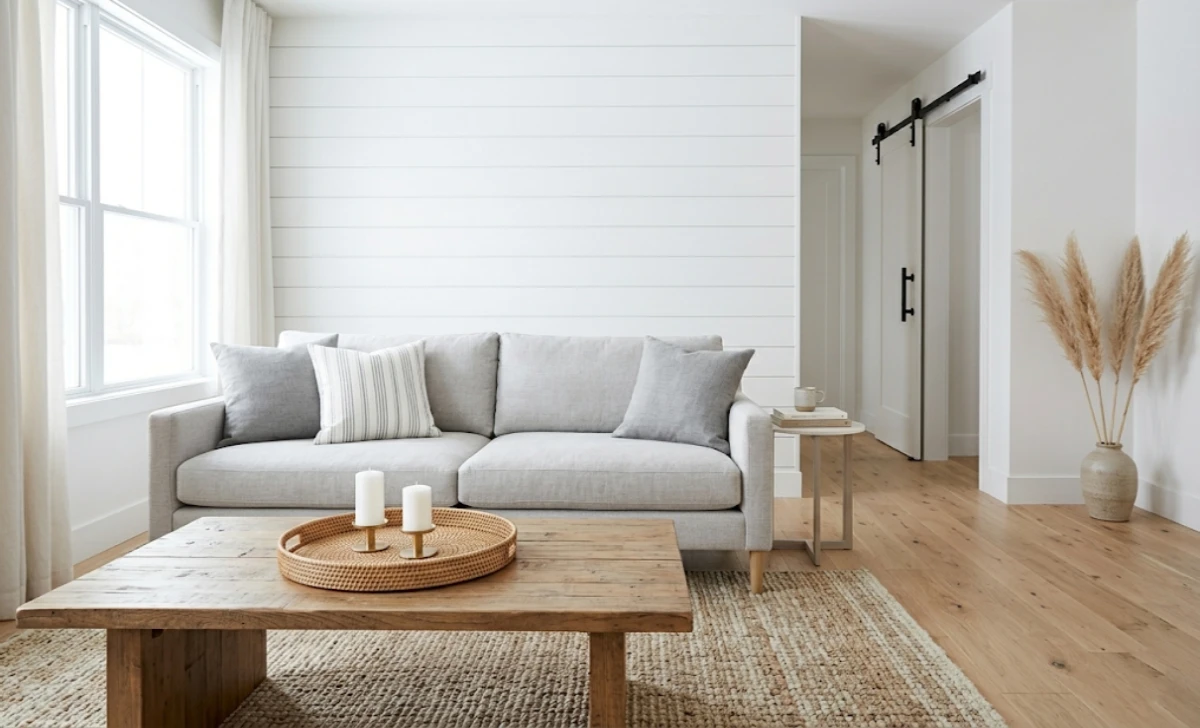
Modern farmhouse blends the warmth of traditional farmhouse style with cleaner, more contemporary lines. It is practical, welcoming, and relaxed.
Shiplap walls, barn doors, and natural wood are signature elements. The palette stays muted: whites, warm greys, and soft blacks. Metals like matte black and brushed nickel appear throughout. The overall feel is casual but considered. Barn doors are a signature feature here, though older hardware can develop noise over time. Our guide on how to fix a squeaky door covers a quick, lasting fix before it becomes a nuisance.
This style works well in family homes where comfort and durability matter as much as appearance. If you want to apply these ideas to your bedroom specifically, see our guide on rustic bedroom charm for practical tips on reclaimed wood furniture, warm lighting, and cosy bedding choices.
Key traits:
- Shiplap, beadboard, or reclaimed wood accents
- Neutral palette with matte black hardware
- Comfortable, practical furniture
- Vintage-inspired objects alongside modern fixtures
Art Deco
Art Deco comes from the 1920s and 1930s. It is bold, glamorous, and geometric. Brass accents, jewel tones, mirrored surfaces, and rich materials like marble and lacquered wood define the aesthetic.
Symmetry is important. Patterns are bold: chevrons, sunbursts, fan shapes. The palette includes deep greens, sapphire blues, gold, and black.
According to Architessa’s 2025 design forecast, Art Deco is seeing renewed interest as designers move toward richer, more layered spaces.
Key traits:
- Geometric patterns and bold symmetry
- Rich materials: marble, brass, velvet
- Jewel-tone colour palette
- Glamorous lighting fixtures
Transitional
Transitional design sits between traditional and contemporary. It is a balanced style for people who find pure minimalism too cold and full traditional too formal.
The furniture mixes classic shapes with simpler profiles. The palette stays neutral. Fabrics blend textures without being overly decorative. There is enough warmth to feel comfortable and enough restraint to feel current.
This style is highly livable. It ages well and works across many home types and budgets.
Key traits:
- Neutral palette with subtle warmth
- Mix of classic and contemporary furniture shapes
- Understated textures and fabrics
- Balanced, unfussy arrangements
How to Choose the Right Interior Design Style for Your Home
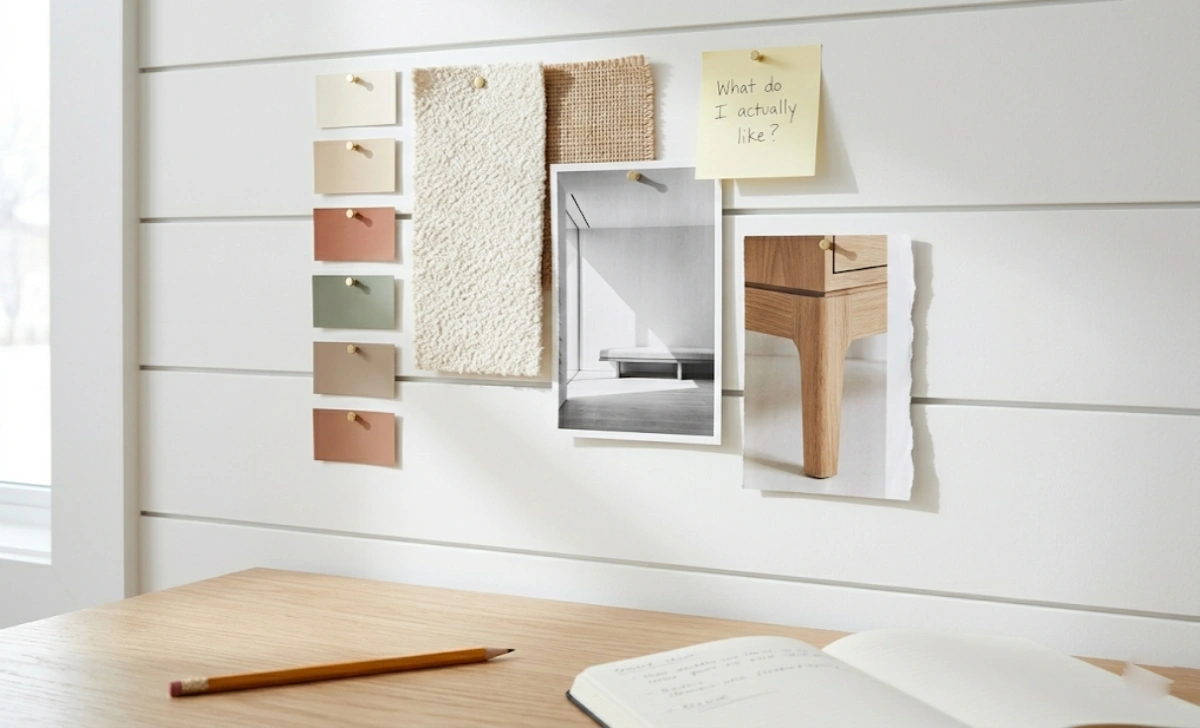
Picking a style is not just about what looks attractive online. It should match how you actually live.
Start with these questions:
- How much maintenance are you willing to do? Minimalist spaces stay clean easily. Bohemian spaces need more upkeep.
- Do you prefer warmth or coolness in a room? Warmer styles (traditional, farmhouse, Japandi) feel cosy. Cooler ones (modern, industrial) feel sharp and graphic.
- Do you collect things? If yes, maximalist styles like bohemian or eclectic contemporary will suit you better than minimalism.
- What architecture does your home have? Industrial works in lofts. Coastal suits beach houses. Art Deco suits pre-war apartment buildings.
You don’t have to pick just one style. Most well-designed homes blend two or three. The key is choosing a primary direction, then layering in secondary influences.
Interior Design Styles for Small Spaces
Not every style works equally well in a compact home. Some make a small space feel open; others can make it feel cluttered.
The best styles for small spaces include:
- Minimalist: Less furniture, more floor space, light palette.
- Scandinavian: Pale colours and simple furniture create an airy feel.
- Japandi: Low furniture keeps sight lines clear.
- Contemporary: Can be tailored to any size with smart furniture choices.
- Coastal: Light tones and natural textures make rooms feel larger.
Styles to approach with more care in small spaces include bohemian and maximalist contemporary, both of which require good spatial planning to avoid feeling overwhelming.
In bedrooms, especially, the size of your bed frame directly affects how much floor space any style has to breathe. Our complete guide to types of bed sizes helps you match mattress dimensions to your room before committing to a layout or furniture purchases.
How to Mix Interior Design Styles Well
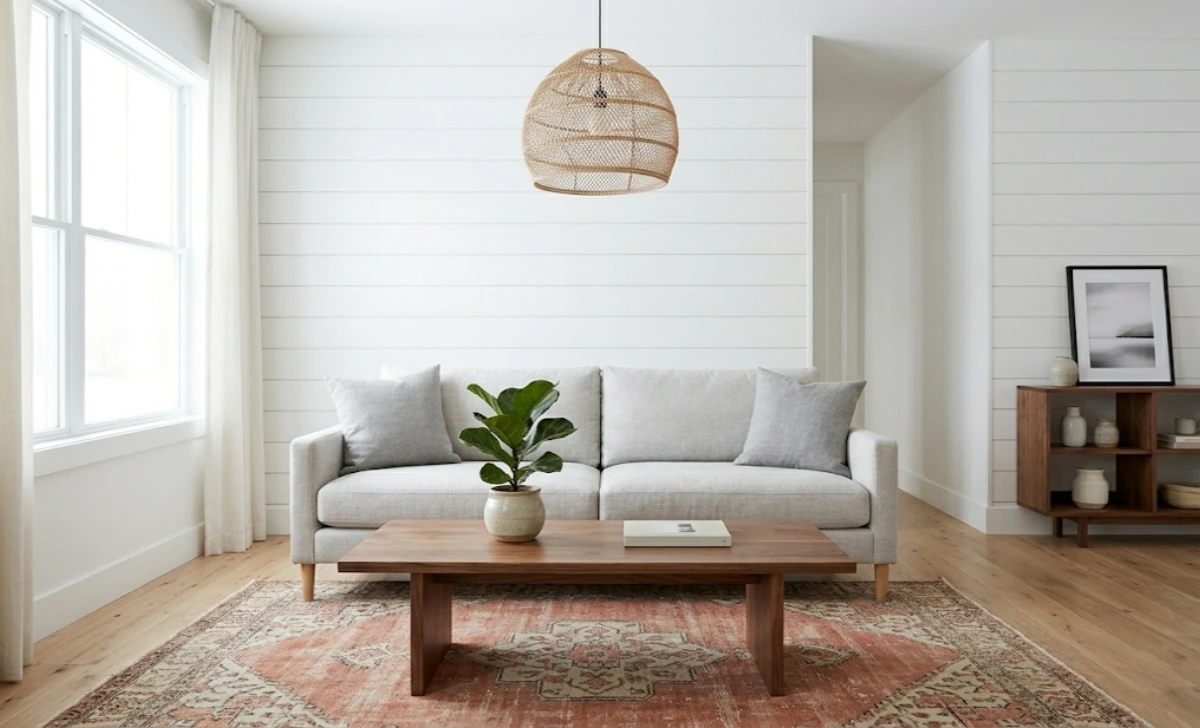
Mixing styles is not a mistake. It is how most real homes are decorated. The key is doing it with intention.
Follow these principles:
- Choose one dominant style. Let everything else support it.
- Find a common thread. This could be a colour, a material, or a silhouette that appears across different pieces.
- Limit the number of styles you mix. Two or three is manageable. More than that becomes chaotic.
- Use transitions wisely. One eclectic accent piece in a minimalist room makes it interesting. Ten does not.
For example, a Scandinavian base pairs well with Japandi accents. A traditional room can absorb a few mid-century modern pieces without losing its character. A coastal space can take on industrial touches through brushed metal lighting.
FAQs
What is the most popular interior design style right now?
As of 2025, contemporary styles leaning toward warm textures, earth tones, and maximalist layering are the most widely practised. Japandi and transitional styles are also highly preferred for their livability. Data from the 1stDibs 2025 Designer Trends Survey shows eclecticism and maximalism tied for the top spot among design professionals.
What is the difference between modern and contemporary design?
Modern refers to a specific design movement from the early to mid-20th century, rooted in Bauhaus principles. Contemporary means current. A modern room uses period-specific furniture and forms. A contemporary room uses whatever is trending now.
Can you mix different interior design styles in one home?
Yes, and most homes do. The approach works best when you have one dominant style and use others as accents. A shared colour palette or material helps different styles coexist without conflict.
How do I figure out my interior design style?
Look at what you save online and identify recurring patterns. Pay attention to whether you prefer warmth or cool tones, clutter or clarity, historic or forward-looking aesthetics. Then match those preferences to one of the main style categories.
Which interior design style is easiest to maintain?
Minimalist and Scandinavian styles are the easiest to maintain because they use fewer objects and simpler surfaces. Traditional and bohemian styles take more time to keep looking polished because of their layered nature.