How to Remove Glue from Walls: The Complete Step-by-Step Guide
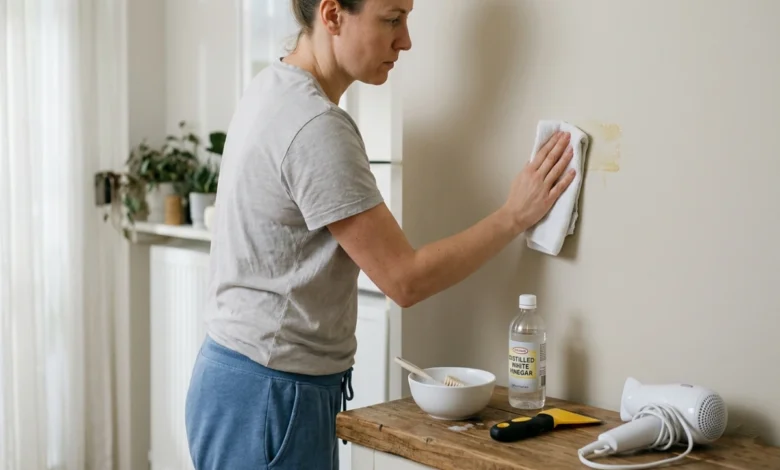
To remove glue from walls, start with warm water and dish soap on a soft cloth. For stubborn residue, apply gentle heat with a hair dryer for 20 to 30 seconds, then scrape with a plastic putty knife. Rubbing alcohol or white vinegar works well on tape and sticker residue. For heavy construction adhesive, use a commercial adhesive remover. Always test any method on a small hidden area first.
Glue on a wall sounds like a small problem. But if you try to paint over it or scrape it off the wrong way, you can end up with peeling paint, torn drywall paper, or a sticky mess that just spreads. Whether you are dealing with tape residue from hanging posters, leftover wallpaper glue, or chunks of construction adhesive from a renovation, the method you choose matters.
This guide covers every type of wall glue, which removal method works best for each, and exactly how to do it without damaging the surface underneath.
What Type of Glue Are You Dealing With?
Before you grab a scraper or pour on a cleaner, figure out what you are removing. Different adhesives respond to different methods.
- Tape residue (scotch tape, duct tape, painter’s tape): Light, pressure-sensitive adhesive. Often responds to heat or alcohol.
- Sticker and decal residue: Similar to tape, but can leave a thin film that spreads if you rub too hard.
- Wallpaper paste: Water-based glue that softens with warm water and vinegar.
- Hot glue: Thick, rigid blobs. Heat loosens it fast.
- Construction adhesive (Liquid Nails, Gorilla Glue, Loctite): Heavy-duty polymer-based bond. Needs stronger tools and longer soak times.
- Double-sided tape: Strong bonding adhesive that often bonds with the wall paint itself.
Identifying the glue type helps you pick the right product from the start and avoids wasted effort or wall damage.
Tools and Supplies You Need
Keep these ready before you begin. Most are already in your home.
- Warm water
- Dish soap (a few drops)
- White vinegar
- Rubbing alcohol (70% isopropyl)
- Plastic scraper or old credit card
- Microfiber cloths
- Hair dryer
- Baking soda (optional, for extra abrasion)
- Commercial adhesive remover such as Goo Gone or Goof Off (for stubborn cases)
- Drop cloth or old towels to protect your floor
Avoid metal scrapers on painted drywall. Using a plastic tool instead of metal helps protect the wall surface and prevents gouging the drywall underneath.
How to Remove Glue from Walls: Method by Method
Warm Water and Dish Soap (Best Starting Point)
This is the safest method for most painted walls. It works well on tape residue, sticker glue, and wallpaper paste.
- Mix a few drops of dish soap with a bowl of warm water.
- Soak a microfiber cloth and wring it out so it is damp, not dripping.
- Press the cloth firmly against the glue for 10 minutes.
- Gently rub in circles until the residue lifts.
- Wipe the area with a clean, damp cloth to remove any soapy film.
Adding a tablespoon of baking soda to the dish soap and warm water mixture gives you extra cleaning power on more stubborn spots.
Rinse well. A soapy film left on the wall can prevent new paint from sticking later.
White Vinegar Solution (Great for Wallpaper Glue)
Mix 1 part white vinegar with 6 parts hot water and apply it to the glued area with a sponge. After a few minutes, you should be able to start peeling the glue away.
For very sticky spots, mix equal parts vinegar and water, dab it on, wait 3 to 5 minutes, and wipe with a microfiber cloth.
Vinegar is mildly acidic, which helps break down water-based glues like wallpaper paste without attacking the wall paint. It is safe for most painted drywall and plaster. Ventilate the room; the smell fades quickly as the wall dries.
Heat from a Hair Dryer (Best for Tape and Mounting Strips)
Heat softens adhesive bonds fast. It works particularly well on double-sided tape, mounting strips, and wall hooks.
Hold a hair dryer a few inches from the adhesive for 20 to 30 seconds. The warmth softens the glue so you can peel or wipe it away. Be careful not to overheat painted walls — steady, gentle heat works best.
Once the glue softens, use a plastic scraper or your fingernail to lift the edge, then peel slowly. If it starts to harden again, apply more heat.
Do not use a heat gun on drywall. The temperature is far higher than that of a hair dryer and can damage the wall surface or scorch the paint.
Rubbing Alcohol (Best for Tape Residue and Hot Glue)
Rubbing alcohol dissolves most pressure-sensitive adhesives quickly. It is a good choice when soap and water leave a sticky film behind.
Apply rubbing alcohol to a cloth, let it sit on the residue for a moment, rub with the cloth, and use a plastic scraper to remove whatever remains.
Test the alcohol on a hidden spot first. Alcohol or acetone may damage painted surfaces, so be careful when using these substances. On matte or flat paint, alcohol can dull the finish. On semi-gloss or eggshell, it is usually safe.
Commercial Adhesive Removers (For Heavy Construction Adhesive)
Products like Goo Gone, Goof Off, and Krud Kutter are designed for stubborn, heavy-duty adhesives. Use these when all other methods have not worked.
Apply the adhesive remover using the sponge applicator, wait for a few minutes, then try to scrape off the adhesive. If the adhesive does not melt easily, apply a generous amount and leave it for up to an hour before scraping.
When choosing a product, look for EPA Safer Choice or low-VOC labels, which indicate safer formulas for indoor use. Always work in a ventilated room and wear gloves.
Note: Goo Gone is oil-based rather than solvent-based, which can cause paint adhesion problems if you are planning to repaint, so always degrease the wall thoroughly after using it.
How to Remove Glue from Walls Before Painting
This step matters more than most homeowners realise. Many homeowners are surprised to find that painting over glue leads to peeling, cracking, or bubbling paint. Even if the wall looks clean, small bits of glue can stop paint from sticking properly or cause patching compound to fail.
After removing the bulk of the adhesive, run your hand over the surface. If it feels sticky, shiny, or slick in spots, there is probably still some glue there. You can also spray a little water on the area. If it beads up instead of soaking in, that is another sign the wall is not fully clean.
Once the wall is clean and completely dry, apply a coat of primer before painting. Wait at least 24 hours after cleaning before applying paint or a new mural, as any leftover glue or moisture can negatively affect the new finish.
How to Remove Glue from Walls Without Damaging Paint
The biggest risk with any glue removal is pulling off the paint along with the adhesive. Here is how to keep the paint intact:
- Always start with the gentlest method (warm water) and work up from there.
- Never soak the wall. Wet drywall paper can tear.
- Scrape at a low angle, almost parallel to the wall surface.
- Work in small sections rather than scrubbing a large area at once.
- On textured walls, avoid scrubbing at grout, seams, or uneven surfaces as paint may peel more easily there.
If the paint has already been pulled off in spots, wait until the wall is completely dry, then touch up with matching paint. For larger patches, sand the area lightly, prime it, and repaint.
Removing Construction Adhesive from Walls
Construction adhesives like Liquid Nails, Loctite, and similar products are in a different category from tape or sticker glue. They contain polymers like polyurethane or epoxy that create very strong bonds. Unlike everyday glues, construction adhesives are formulated for long-term structural integrity and are gap-filling, water-resistant, and able to withstand a lot.
For these, follow this approach:
- Apply a commercial adhesive remover or a citrus-based cleaner directly to the dried adhesive.
- Let it soak for a minimum of 30 to 60 minutes.
- Use a plastic scraper to slowly work under the edge of the adhesive.
- Keep the surface warm with a hair dryer while scraping, since once the surface cools, construction adhesive tends to harden and become more difficult to remove without damaging the wall.
- Clean the area with warm, soapy water and let it dry fully before patching or painting.
For very large areas, or if the adhesive has bonded through the paint into the drywall itself, professional help may be the safer option.
Wall Type Matters: Adjust Your Method
Not all walls respond the same way.
Painted drywall: The most common and the most delicate. Use the gentlest tools available. Plastic scrapers only. Avoid soaking.
Plaster walls: More durable than drywall but can crack under pressure. Use the same chemical methods, but scrape even more gently.
Tile and glass: These can handle stronger solvents and even a razor blade scraper. Acetone and commercial removers work well here.
Brick and concrete: Porous surfaces absorb adhesive deeply. Applying petroleum jelly to dried glue, rubbing it in, and leaving it for 30 minutes can help loosen the bond before scraping. For heavy construction adhesive on brick, a commercial adhesive remover in a pump sprayer is most effective.
Common Mistakes That Damage Walls
Knowing what not to do saves you from a bigger repair job.
- Using metal scrapers on drywall: They cut into the surface paper and create gouges that need patching.
- Soaking the wall with liquid: Too much moisture causes the drywall paper to bubble and tear.
- Skipping the test patch: Always test any solvent on a hidden spot before applying it to a visible area.
- Rushing the soak time: Adhesive removers need time to work. Scraping too early means more force and more damage.
- Painting without cleaning first: As noted earlier, glue under fresh paint causes the finish to peel, sometimes within weeks. Wallpaper glue in particular is water-based, and when water-based paint is applied on top of it, the glue becomes sticky again, which creates a new mess on the wall surface.
When to Call a Professional
Most glue removal is a DIY task. But a few situations call for professional help.
If the wall is large or there are multiple rooms with glue, the job can become time-consuming. Damage from improper scraping or signs of mould behind old wallpaper may also require expert attention. If you are preparing your home for sale or inspection, professional help ensures your walls are clean and sound.
Also, consider a professional if you suspect lead paint. In older homes, the EPA recommends testing for lead before any scraping or sanding. Disturbing lead paint without proper containment is a health hazard.
Final Thoughts
Removing glue from walls is very doable when you match the method to the type of adhesive and wall surface. Start gently, be patient, and always test before treating a full area. The extra time you spend cleaning the wall properly before priming or painting pays off in a finish that looks smooth and holds up over time.
FAQs
Can I use WD-40 to remove glue from walls?
Yes, WD-40 can loosen adhesive residue on walls, but use it sparingly. It leaves an oily film that you must clean off completely before painting, or new paint will not stick. Wipe the area with soapy water after use.
Will rubbing alcohol remove dried super glue from a wall?
Acetone (nail polish remover) works better than rubbing alcohol on cured super glue. Apply it to a cloth, press it against the glue for several minutes, and then rub gently. Test on a hidden spot first, as acetone can strip some paints.
Does Goo Gone remove construction adhesive from drywall?
Goo Gone is effective on light to medium adhesives but may struggle with heavy construction adhesives. For construction adhesive on drywall, a dedicated construction adhesive remover works faster. Clean the wall thoroughly with soap and water after using Goo Gone before painting.
How long should I let vinegar sit on wallpaper glue?
Let the vinegar solution sit for 10 to 15 minutes before scraping or wiping. For older, dried-on wallpaper glue, apply the solution, cover the area with plastic wrap to slow evaporation, and leave it for 30 minutes for better results.
Can I sand off dried glue from a wall?
Fine-grit sandpaper (220 grit) can remove small, thin spots of dried glue, but sanding can scuff or remove the paint around it. Use sanding as a last step after chemical or heat methods, not as your first move.