Luuxly.com House Interior Design Guide: Transform Your Home in 2025
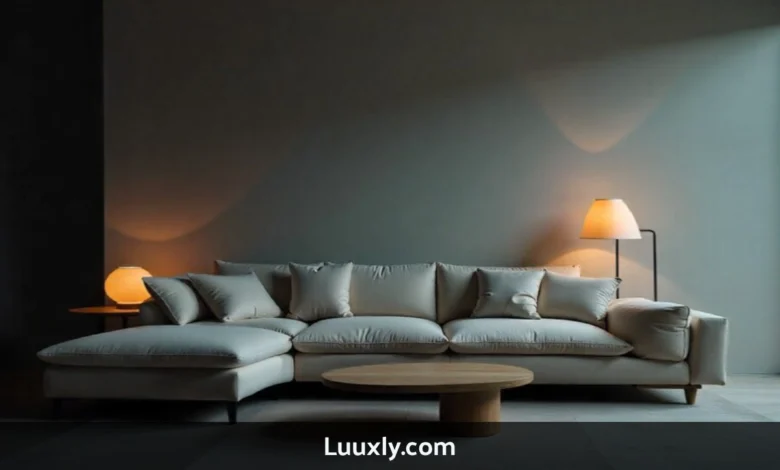
Luuxly.com offers curated house interior design inspiration blending timeless elegance with modern trends. Discover how to create luxurious living spaces using earth tones, natural materials, and functional design that reflects your personal style without breaking your budget.
Your home tells your story. Every room, every corner, every detail speaks to who you are and how you live.
Luuxly.com has become a trusted resource for those seeking to transform their houses into sophisticated sanctuaries. This platform bridges the gap between high-end design and practical living, offering guidance that anyone can follow regardless of budget or space constraints.
In this guide, you’ll learn how to apply Luuxly.com principles to create house interiors that feel both luxurious and livable. You’ll discover current design trends, practical tips, and specific recommendations that work for real homes.
What Makes Luuxly.com House Interior Design Different
Luuxly.com takes a distinct approach to interior design. The platform focuses on quality over quantity and timeless appeal over fleeting trends.
You won’t find advice that demands complete home overhauls or expensive designer pieces. Instead, the philosophy centers on thoughtful curation and intentional choices that build over time.
The style combines minimalist principles with warm, inviting elements. Clean lines meet natural textures. Neutral palettes get punctuated with meaningful accents. Function pairs with beauty in every room.
This approach works because it prioritizes your needs first. Your home should serve your lifestyle, not the other way around.
Earth Tones Take Center Stage in 2025
The color palette for house interiors has shifted dramatically. Bold blacks and grays have given way to warm, nurturing earth tones.
Pantone named “mocha mousse” as their 2025 Color of the Year. This warming brown shade carries rich, earthy elegance that makes spaces feel grounded and welcoming.
You can incorporate earth tones through:
- Wall colors ranging from light sand to deep terracotta
- Warm brown furniture pieces in walnut or chocolate finishes
- Clay and rust accent colors in textiles and decor
- Natural stone elements in countertops or backsplashes
Research shows our color preferences develop from emotional experiences over time. After years dominated by stark whites and cool grays, people now crave environments that feel connected to nature.
Start with one room. Try a warm beige or soft terracotta on an accent wall. Notice how it changes the entire mood of the space.
Natural Materials Create Lasting Appeal
Luuxly.com emphasizes using materials that stand the test of time. Natural elements bring authenticity and warmth that synthetic alternatives can’t match.
Focus on these materials for your house interior:
Wood: Choose pieces in warm tones like walnut, oak, or reclaimed pine. Wood adds instant character and ages beautifully.
Stone: Incorporate marble, granite, or limestone in kitchens and bathrooms. These materials offer durability alongside visual interest.
Natural Fibers: Select cotton, linen, wool, and jute for textiles. These fabrics breathe better and feel more comfortable than synthetics.
Metal Accents: Mix brass, bronze, and brushed steel for hardware and fixtures. Combining metals adds depth without overwhelming a space.
Quality materials cost more upfront but last significantly longer. A solid wood dining table can serve your family for decades, while particle board furniture might need replacing in just a few years.
Design Your Living Room for Real Life
Your living room should work as hard as you do. This space needs to accommodate daily activities while maintaining style and comfort.
Furniture Selection:
Choose pieces with both form and function. A comfortable sofa in durable fabric beats a beautiful but impractical showpiece. Look for furniture with clean lines and neutral upholstery that won’t date quickly.
Curved furniture continues trending into 2025. Rounded sofas and armchairs soften angular rooms and create better conversation areas.
Layered Lighting:
Overhead lighting alone creates harsh, unflattering spaces. Instead, use multiple light sources at different heights.
Place table lamps in corners. Add floor lamps near reading chairs. Install dimmer switches to adjust the mood throughout the day.
Small lamps with soft bulbs create the most inviting atmosphere. Scatter them throughout the room rather than relying on one bright fixture.
Texture and Depth:
Combine different materials to add visual interest. Pair a velvet throw pillow with linen cushions. Place a woven jute rug under a smooth leather ottoman.
These contrasts make spaces feel more collected and less staged.
Kitchen Design That Balances Beauty and Function
Kitchens face unique design challenges. They must look good while handling daily cooking, cleaning, and gathering.
Organized Storage:
Butler pantries and back kitchens are gaining popularity. These dedicated spaces hide everyday clutter while keeping items accessible.
Add pull-out drawers in lower cabinets. Install vertical dividers for baking sheets and cutting boards. Create a beverage station separate from your main prep area.
Warm Color Palettes:
White kitchens remain timeless, but warm tones are taking over. Consider sage green cabinets, warm wood tones, or cream-colored walls.
These colors create a more lived-in, welcoming feel compared to stark white everything.
Mixed Materials:
Combine different finishes for added interest. Pair matte cabinets with polished hardware. Use wood cutting boards and ceramic canisters alongside stainless steel appliances.
Natural stone backsplashes in neutral tones add texture without overwhelming the space.
Bedroom Sanctuaries for Better Rest
Your bedroom should promote relaxation and quality sleep. Design choices here directly impact your well-being.
Color Psychology:
Stick with calming neutrals for bedroom walls. Soft beiges, warm grays, and muted greens all encourage rest.
Add personality through bedding, artwork, and accent pieces rather than bold wall colors.
Quality Bedding:
Invest in natural fiber sheets. Cotton and linen breathe better than synthetics, regulating temperature throughout the night.
Layer your bed with different textures. A linen duvet cover, cotton sheets, and a wool throw create depth and comfort.
Minimal Clutter:
Remove work materials, exercise equipment, and excess furniture. Your bedroom should feel spacious and peaceful.
Add closed storage, like dressers or wardrobes, to hide necessary items. Keep surfaces clear except for a few meaningful pieces.
Bathroom Spaces That Feel Like Spas
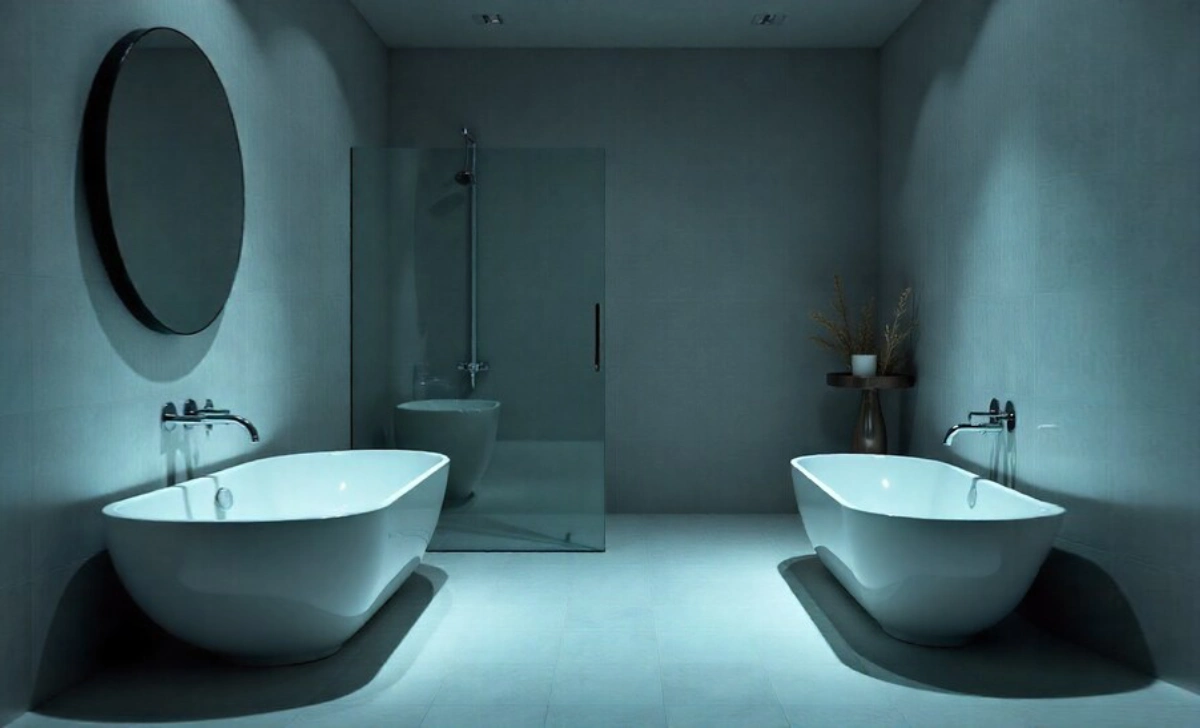
The “spathroom” trend transforms ordinary bathrooms into wellness retreats. You can achieve this without major renovations.
Sensory Elements:
Add plants that thrive in humidity. Eucalyptus, pothos, and ferns bring life and improve air quality.
Use aromatherapy through candles or essential oil diffusers. Lavender, bergamot, and sandalwood promote relaxation.
Upgraded Textiles:
Swap thin towels for plush, hotel-quality versions. Add a soft bath mat and a cozy robe on a hook.
These simple changes make your daily routine feel more indulgent.
Improved Lighting:
Install dimmer switches or use battery-powered candles. Soft lighting transforms a utilitarian space into a calming retreat.
Consider warm-toned bulbs rather than harsh white light.
Sustainable Choices for Lasting Design
Luuxly.com promotes sustainability as both ethical and practical. Durable, well-made items reduce waste and save money over time.
Buy Less, Choose Better:
Select pieces you truly love rather than filling your home quickly. A carefully chosen sofa will serve you for years.
Avoid fast furniture from big-box stores. These pieces often use particle board and synthetic fabrics that degrade quickly.
Support Artisan Craftsmanship:
Look for handmade items from local craftspeople. These pieces bring uniqueness and support small businesses.
Vintage and antique stores offer quality furniture at reasonable prices. A well-built vintage dresser often costs less than new particle board alternatives.
Natural Over Synthetic:
Choose organic cotton, recycled materials, and sustainably sourced wood when possible.
These materials often perform better and last longer than synthetic options.
Personalize Your Space with Collected Items
Your home should reflect your experiences and interests. Generic showroom styling feels cold and impersonal.
Gallery Walls:
Create walls filled with meaningful art, photos, and prints collected over time. Mix frame styles and sizes for an organic look.
Include pieces from different periods of your life. Travel photos, family portraits, and artwork you love all belong together.
Display Collections:
Showcase items you’ve gathered. Vintage books, pottery, or textiles become decor when thoughtfully arranged.
Group similar items together. Five small vases create more impact than one vase scattered with four unrelated objects.
Tell Your Story:
Every room should include elements that speak to your personality. Maybe you love gardening, cooking, or traveling. Let these interests show.
Your home becomes more interesting when it tells your unique story rather than mimicking catalog pages.
Practical Steps to Start Your Interior Transformation
You don’t need to redesign everything at once. Small changes create a significant impact when done thoughtfully.
Week 1: Declutter and Clean
Remove items you don’t use or love. Deep clean each room. You’ll see your space with fresh eyes.
Week 2: Assess Your Color Palette
Notice which colors dominate your space. Do they feel right? Start planning changes if needed.
Week 3: Add Natural Elements
Bring in plants, natural fiber textiles, or wood pieces. These additions warm up any space immediately.
Week 4: Improve Lighting
Add lamps, change bulbs to warm tones, and install dimmers where possible.
Ongoing: Make Thoughtful Purchases
Build your home slowly. Wait for pieces you truly love rather than buying quickly to fill space.
Common Interior Design Mistakes to Avoid
Even with good intentions, certain missteps can undermine your design efforts.
Matching Everything:
Perfectly matched furniture sets look staged and impersonal. Mix styles, eras, and finishes for collected charm.
Ignoring Scale:
Furniture must fit your room proportions. Oversized pieces overwhelm small spaces while tiny furniture gets lost in large rooms.
Following Trends Blindly:
Trendy architectural changes like bold tile or painted brick create costly regrets. Save trends for easily changed elements like pillows and artwork.
Poor Lighting Placement:
Overhead lighting alone creates flat, unflattering spaces. Use multiple sources at various heights.
Rushing the Process:
Good design takes time. Live with a space before making permanent changes. Your needs become clearer with daily use.
Final Thoughts
Creating a beautiful house interior doesn’t require unlimited budgets or professional designers. The Luuxly.com approach proves that thoughtful choices, quality materials, and personal expression matter more than expensive overhauls.
Start with one room. Make small improvements over time. Choose pieces that serve your life while bringing you joy.
Your home should support your wellbeing, reflect your personality, and adapt as your needs change. That’s the essence of good design.
The principles you’ve learned here work for any space, any style, and any budget. Take what resonates, ignore what doesn’t, and create a home that truly feels like yours.
FAQs
What defines Luuxly.com’s style in-house interiors?
Luuxly.com style blends minimalist principles with warm, natural elements. It prioritizes quality over quantity, uses earth tones and natural materials, and focuses on creating timeless spaces that reflect personal style rather than fleeting trends.
How can I start transforming my house interior on a budget?
Begin with decluttering and deep cleaning. Add affordable natural elements like plants and textiles. Improve lighting with inexpensive lamps. Shop secondhand for quality furniture. Make changes gradually, choosing pieces you truly love rather than buying everything at once.
What are the most important house interior trends for 2025?
Earth tones replace cool grays, with warm browns, terracottas, and beiges dominating color palettes. Natural materials like wood and stone are essential. Curved furniture continues trending. Dedicated functional spaces are replacing open concepts. Sustainable, quality pieces are favored over fast furniture.
How do I choose the right colors for my house interior?
Select colors that make you feel comfortable and align with each room’s purpose. Bedrooms need calming neutrals. Living areas can handle warmer, richer tones. Start with one accent wall before committing to full room changes. Consider how natural light affects colors throughout the day.
What makes a house interior feel luxurious without high costs?
Quality textiles like natural fiber bedding and plush towels create a luxury feel. Good lighting with multiple sources adds ambiance. Fresh flowers or realistic faux arrangements add elegance. Decluttered, organized spaces feel more expensive. Mixing natural materials adds depth and interest without breaking budgets.