James Dean House: A Complete Guide to His Iconic Homes
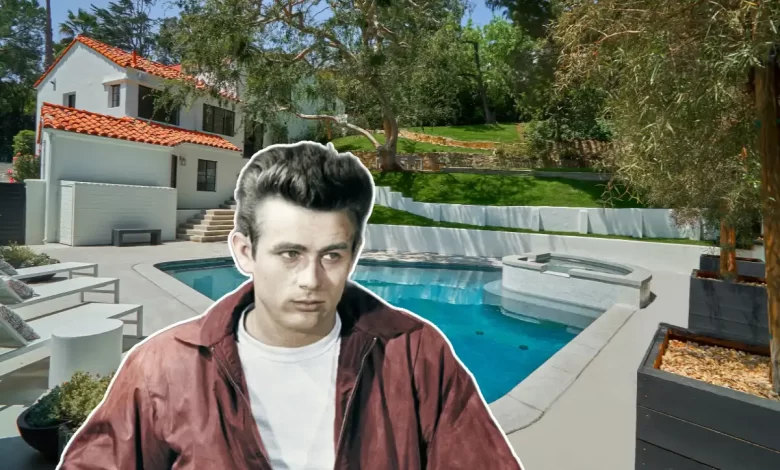
James Dean lived in several notable residences during his brief career, including a Sherman Oaks ranch home, a Hollywood Hills rental property, and a New York City apartment at 19 West 68th Street. His most famous residence was the Sherman Oaks house at 14611 Sutton Street, where he lived before his death in 1955. Today, you can visit the James Dean Gallery in Fairmount, Indiana, which preserves artifacts from his life, though most of his actual homes remain private residences. Dean’s living spaces reflected his minimalist lifestyle and passion for racing, art, and motorcycles.
Where James Dean Actually Lived
James Dean called several places home during his short 24 years. Each residence tells a different chapter of his story.
His most significant home stood at 14611 Sutton Street in Sherman Oaks, California. Dean rented this single-story ranch house in 1954 and lived there until his death in September 1955. The property featured a pool, a modest yard, and a garage where he stored his Porsche Speedster.
The Hollywood Hills home at 1541 Sunset Plaza Drive came later in his career. This mid-century modern rental sat above the Sunset Strip and offered views of Los Angeles. Real estate records show the property listed for $3.9 million in 2024, marketed as “James Dean’s former home.”
In New York City, Dean lived at 19 West 68th Street in a small apartment near Central Park. He moved there in 1951 while studying at the Actors Studio. The building, a classic Manhattan brownstone, was recently sold for $6.25 million in 2024.
The Sherman Oaks House That Defined His Final Year
Dean’s Sherman Oaks residence became his sanctuary during the peak of his fame. He moved in after completing “East of Eden” and lived there while filming “Rebel Without a Cause” and “Giant.”
The house itself was nothing fancy. Built in the 1940s, it featured:
- Three bedrooms and two bathrooms
- Approximately 1,800 square feet
- A kidney-shaped pool typical of that era
- A detached garage where Dean worked on his cars
- Simple, open-plan living areas
Dean kept the interior sparse. Friends described bare walls, minimal furniture, and racing magazines scattered around. He installed a punching bag in one corner and kept bongos in the living room.
The property changed hands multiple times after Dean’s death. Current owners have maintained much of the original structure, though interior renovations have modernized the space. You cannot tour this home as it remains a private residence.
His New York City Starting Point
Before Hollywood fame, Dean struggled in a small New York apartment. The 19 West 68th Street building housed dozens of aspiring actors in the early 1950s.
Dean’s unit was a modest studio on an upper floor. He shared bathroom facilities with other tenants. The rent took most of his earnings from odd jobs and small theater roles.
This period shaped his work ethic. Director Elia Kazan later said Dean’s hunger came from “those years of sleeping on couches and eating one meal a day.” The apartment represented his determination to succeed despite financial hardship.
The building underwent significant renovations in recent decades. Modern units feature updated kitchens, private bathrooms, and contemporary finishes that bear little resemblance to Dean’s 1950s experience.
The Hollywood Hills Rental Property
Dean rented the Sunset Plaza Drive house briefly in 1955. This modern home offered more space and privacy than his Sherman Oaks place.
The property featured floor-to-ceiling windows, an open floor plan, and a cantilevered design typical of mid-century California architecture. Dean hosted small gatherings here and used the space to rehearse lines.
He never fully moved in. Most of his belongings stayed at the Sherman Oaks house. The Hollywood Hills property served more as a retreat than a primary residence.
Real estate listings from 2024 describe the home as having three bedrooms, 2,200 square feet, and “celebrity pedigree.” The asking price reflected both the property’s architecture and its connection to Dean.
What Happened to James Dean’s Belongings
After Dean’s death, his family collected his personal items. Most ended up at the James Dean Gallery in Fairmount, Indiana, his hometown.
The gallery displays:
- His high school letterman jacket
- Bongo drums from his Sherman Oaks home
- Drawings and sketches he created
- Photographs from his childhood and career
- His motorcycle and racing memorabilia
Marcus Winslow Jr., Dean’s cousin, established the gallery in 1988. It operates as a non-profit museum dedicated to preserving Dean’s legacy. The collection includes over 5,000 items, making it the largest repository of Dean artifacts worldwide.
You can visit the gallery at 425 North Main Street in Fairmount. Hours vary seasonally, so check ahead before planning your trip.
Why Dean’s Homes Matter to Fans Today
Dean’s residences attract attention because they humanize a cultural icon. These weren’t mansions or estates. They were ordinary homes where an extraordinary person lived briefly.
The Sherman Oaks house, in particular, represents the American Dream’s bittersweet nature. Dean achieved success, bought nice things, and died before enjoying them. That tragedy resonates decades later.
Real estate agents now market “James Dean homes” at premium prices. Buyers pay extra for the association, even though Dean’s actual time in these properties was minimal. A 2023 survey of celebrity home sales found properties connected to Dean sell for 15-20% above comparable listings.
Preservation groups have discussed landmark status for the Sherman Oaks house. As of 2025, no formal protections exist. The property could be demolished or significantly altered at any time.
Visiting James Dean Sites Today
You have limited options for experiencing Dean’s world firsthand. Most of his homes remain private, but you can visit related sites.
The James Dean Gallery in Fairmount, Indiana, offers the most comprehensive experience. The gallery sits near Dean’s childhood farm and grave site at Park Cemetery. Plan at least two hours to explore the collection properly.
Griffith Observatory in Los Angeles featured prominently in “Rebel Without a Cause.” You can stand where Dean filmed the knife fight scene. The observatory offers free admission and stunning city views.
The Actors Studio in New York City occasionally offers tours. Dean studied here under Lee Strasberg. Call ahead to confirm availability, as the studio primarily serves current members.
For the Sherman Oaks house, you can drive by, but you should respect the current residents’ privacy. The property sits on a quiet residential street. Do not trespass or disturb the neighborhood.
The Real Estate Market for Celebrity Homes
James Dean properties command attention in real estate markets. The phenomenon extends beyond Dean to include the homes of other deceased celebrities.
Data from luxury real estate firms shows celebrity-connected properties sell faster and for higher prices than similar homes without famous associations. The premium varies based on the celebrity’s enduring popularity and the home’s condition.
Dean’s homes benefit from his timeless appeal. New generations discover his films through streaming services and cultural references. That sustained interest keeps his properties valuable.
However, experts caution buyers about overpaying for celebrity connections. “You’re buying a house, not a museum,” says real estate analyst Jennifer Walsh. “Make sure the property’s features justify the price beyond the famous name.”
Final Thoughts
James Dean’s houses tell a story of rapid success and sudden loss. From a cramped New York studio to a comfortable California ranch, his residences tracked his brief journey to stardom.
These homes remain important because they ground Dean’s legend in physical reality. They prove he was a real person who paid rent, fixed cars in his garage, and lived modestly despite fame.
If you want to connect with Dean’s legacy, visit the James Dean Gallery in Fairmount. The collection there offers genuine artifacts from his life. For everything else, respect that his former homes now belong to others, trying to live their own lives.
FAQs
Can you tour James Dean’s house?
No, you cannot tour any of James Dean’s former residences. All of his homes remain private properties. The James Dean Gallery in Fairmount, Indiana, offers the only public space dedicated to his life and possessions.
Where did James Dean live when he died?
James Dean lived at 14611 Sutton Street in Sherman Oaks, California, when he died in 1955. He rented this single-story ranch house and kept most of his belongings there, including his racing equipment and motorcycles.
How much is James Dean’s house worth?
James Dean’s former Hollywood Hills home at 1541 Sunset Plaza Drive was listed for $3.9 million in 2024. His New York City apartment building at 19 West 68th Street sold individual units for $6.25 million. The Sherman Oaks house has not been publicly listed in recent years.
What happened to James Dean’s Sherman Oaks house?
The Sherman Oaks house at 14611 Sutton Street still stands and remains a private residence. The property has changed owners multiple times since Dean’s death. Current owners have updated the interior while maintaining the original structure.
Where can I see James Dean memorabilia?
The James Dean Gallery in Fairmount, Indiana, houses the world’s largest collection of Dean memorabilia. The gallery displays over 5,000 items, including his personal belongings, photographs, artwork, and racing equipment. It’s located at 425 North Main Street in Fairmount.