Sheet Vinyl Flooring: The Complete Buyer’s Guide (2026)
Sheet vinyl flooring is a budget-friendly, water-resistant floor covering sold in wide rolls and installed as one continuous piece. It costs between $0.50 and $2.00 per square foot for materials, making it the most affordable vinyl option available, especially in the vinyl sheet flooring category. It works well in kitchens, bathrooms, basements, and laundry rooms where moisture is a constant concern.
Is Sheet Vinyl Flooring Worth It?
Walk into any big-box store, and you’ll find dozens of flooring options competing for your attention and your budget. Yet sheet vinyl flooring keeps outselling most of them in high-moisture rooms. Why choose resilient flooring? It delivers water resistance, easy cleaning, and a softer underfoot feel at a price that’s hard to beat.
This guide covers everything you need to know before buying: how sheet vinyl compares to other types, what it costs, how to install it, and which rooms it suits best.
What Is Sheet Vinyl Flooring?
Sheet vinyl is a synthetic floor covering manufactured in large rolls, typically 6 or 12 feet wide. It’s made from polyvinyl chloride (PVC) and features multiple layers: a backing layer for stability, a printed design layer, and a clear wear layer on top that protects the surface from everyday scuffs and stains.
Unlike vinyl planks or tiles, sheet vinyl installs as a single, continuous piece. This means no seams in the middle of your floor — an important advantage in wet areas where gaps between planks can allow moisture to seep through, making it a resistant option.
Sheet Vinyl vs. Luxury Vinyl Plank: Key Differences
Homeowners often ask whether they should choose sheet vinyl or luxury vinyl plank (LVP) from a range of designs. Both are vinyl products, but they behave quite differently when compared to carpet.
| Feature | Sheet Vinyl | Luxury Vinyl Plank (LVP) is a stylish option for new flooring. |
|---|---|---|
| Material cost per sq ft for vinyl sheet flooring can vary, so it’s wise to browse different options. | $0.50 – $2.00 | $2.00 – $7.00 |
| Installed cost per sq ft for vinyl sheet flooring | $2.00 – $7.00 | $4.00 – $12.00 |
| Seams | None (single piece), which makes it easy to clean. | Visible between planks |
| Water resistance | Excellent | Excellent |
| DIY difficulty | Moderate maintenance is required for vinyl sheet products. | Easy to moderate |
| Underfoot comfort | Softer | Firmer |
| Replaceability | Full sheet only | Individual planks |
Sheet vinyl wins on price and seamless water protection. LVP wins on DIY ease and realistic wood appearance. For a bathroom or laundry room, waterproof vinyl sheet flooring is often the smarter pick due to its easy-to-clean properties.
How Much Does Sheet Vinyl Flooring Cost?
Cost is one of the biggest reasons people choose sheet vinyl. Here’s a realistic breakdown for 2025:
Material costs:
- Entry-level sheet vinyl: $0.50 – $1.00 per square foot, making it an affordable choice for those looking to shop for new flooring.
- Mid-grade sheet vinyl: $1.00 – $2.00 per square foot, a stylish option for budget-conscious shoppers.
- Premium cushioned sheet vinyl: $2.00 – $5.00 per square foot
Installation costs: consider hiring a professional installer for the best results.
- Professional labor for installing vinyl sheet flooring: $2.00 – $4.00 per square foot.
- Fully installed cost (materials + labor): $2.00 – $7.00 per square foot
For a standard 200-square-foot bathroom, expect to pay $400 to $1,400 total for professional installation, depending on material quality and your local labor rates.
Additional costs to budget for:
- Old flooring removal: $0.50 – $2.00 per square foot
- Subfloor repair or leveling: $1.00 – $3.00 per square foot
- Transition strips and trim: $1.00 – $3.00 per linear foot
According to Homewyse, the estimated cost to install sheet vinyl flooring in January 2026 starts at $3.78 to $5.25 per square foot for a standard project.
Pros of Sheet Vinyl Flooring
Sheet vinyl has a long track record for good reasons. Here are its strongest advantages: easy to clean and maintain.
1. Water resistance is a key feature of many vinyl sheet products. The PVC construction makes sheet vinyl completely waterproof. Spills, splashes, and humidity do not penetrate the surface, which is why it performs so well in kitchens, bathrooms, and basements.
2. Affordable price. Sheet vinyl consistently ranks as the lowest-cost vinyl flooring type. At $0.50 to $2.00 per square foot for materials, it suits tight renovation budgets without sacrificing function.
3. Comfort underfoot. Sheet vinyl is softer than ceramic tile, stone, or hardwood, making it a comfortable choice for homes with dogs. Many products include a built-in cushion layer, which makes a real difference when you’re standing at the kitchen sink for extended periods.
4. Easy maintenance. Sweep regularly and damp-mop with a pH-neutral cleaner. That’s the entire maintenance routine. No polishing, no refinishing, no special treatments required.
5. No visible seams in the collection of vinyl tiles. Because the floor installs as one piece, there are no gaps where water, dirt, or bacteria can hide. This makes it especially practical in food prep or wet areas.
6. Wide design range. Modern printing technology gives sheet vinyl realistic looks that mimic hardwood, stone, and ceramic tile. The variety available in 2025 is far broader than the outdated retro patterns many people associate with vinyl.
Cons of Sheet Vinyl Flooring
No flooring is perfect. Here’s what to keep in mind:
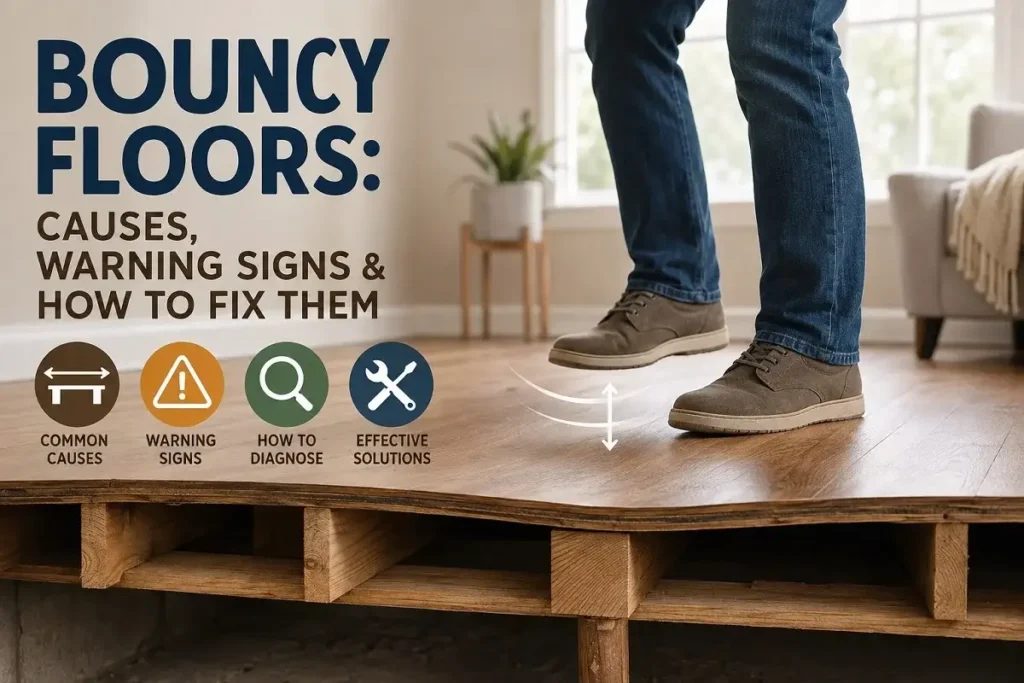
1. Subfloor sensitivity. Sheet vinyl requires a smooth, perfectly flat subfloor. Because it’s flexible, small bumps, debris, or uneven spots beneath the surface will telegraph through over time, creating visible lumps or premature wear spots.
2. Difficult to repair. If one section is torn or punctured, you generally have to replace the entire sheet rather than a single plank, which can be a hassle for pet owners with cats. This is a meaningful disadvantage compared to LVP, where only the damaged plank needs replacing, while with vinyl sheet flooring, the entire sheet may need to be replaced.
3. Susceptibility to discoloration. Low-quality sheet vinyl can yellow over time, particularly from prolonged contact with rubber-backed mats or direct sunlight, affecting its overall style. Choosing a mid-grade or better product reduces this risk significantly.
4. Not as durable as premium options. Entry-level sheet vinyl may carry a warranty of only 5 to 6 years. Premium LVP and rigid-core vinyl products can be warrantied for 25 to 35 years. If you’re planning a long-term installation in a high-traffic area, LVP may deliver better long-term value, especially when considering the range of designs available.
5. Can’t be refinished. Unlike hardwood, you cannot sand or refinish sheet vinyl when it shows wear. Once the wear layer is gone, replacement is the only option.
Best Rooms for Sheet Vinyl Flooring
Sheet vinyl is not ideal for every room. Use it where its strengths matter most:
Kitchens: High moisture, heavy foot traffic, and frequent spills make the kitchen a natural fit. The seamless surface also simplifies cleanup after cooking.
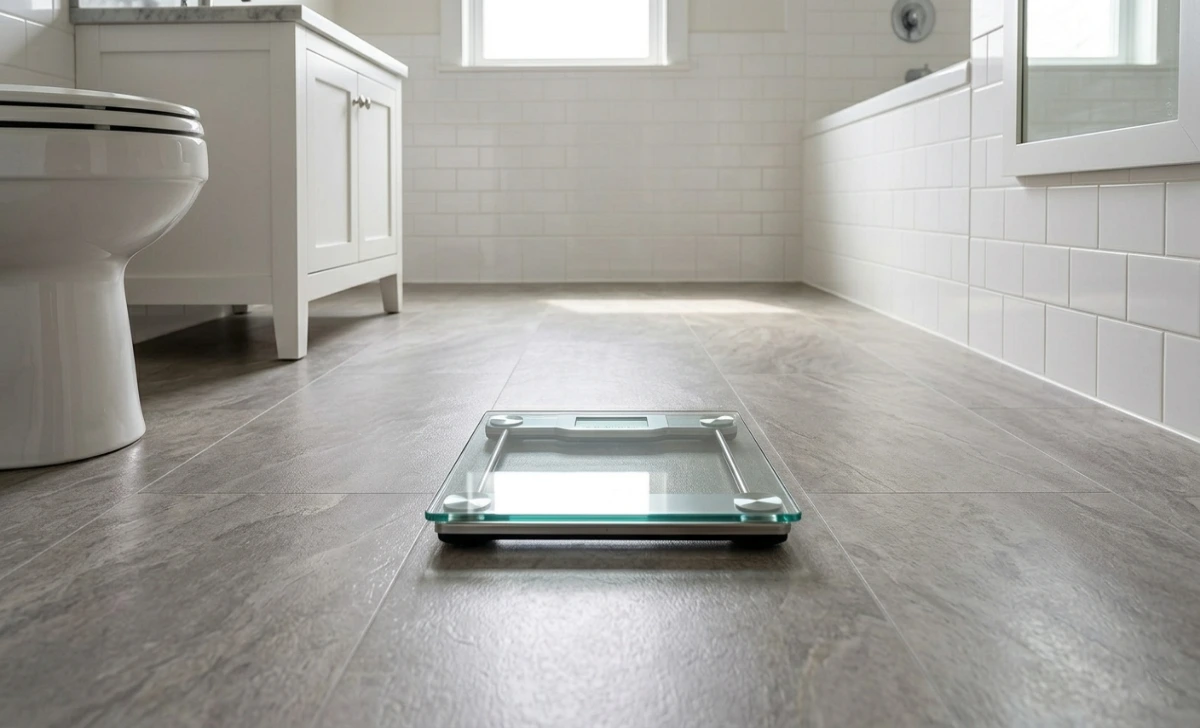
Bathrooms: select a flooring option that is resistant to moisture. Sheet vinyl’s water resistance shines here. No seams means no moisture getting under the floor, which prevents subfloor damage and mold growth over time.
Laundry rooms: choose a flooring that is easy to clean and maintain. Appliance leaks and steam make laundry rooms tough on flooring. Sheet vinyl handles both vinyl sheet products without complaint.
Basements: Ground-level and below-grade spaces often face humidity. Sheet vinyl tolerates this better than laminate or hardwood, which swell and warp when exposed to moisture.
Mudrooms and entryways are ideal spaces for resilient flooring options like vinyl sheet flooring. High foot traffic, wet boots, and tracked-in dirt are daily realities. Sheet vinyl cleans up fast and holds up well in these conditions.
Sheet vinyl is generally not recommended for formal living rooms, dining rooms, or bedrooms if you want a high-end style, but it can be a practical choice for easy-to-clean spaces. In those spaces, waterproof vinyl sheet flooring or hardwood may better match your aesthetic goals.
How to Install Sheet Vinyl Flooring
Professional installation is strongly recommended for sheet vinyl, especially in larger rooms. Precise cutting around cabinets, toilets, and fixtures takes skill. That said, experienced DIYers can handle smaller bathrooms or laundry rooms with care.
Step-by-step overview:
- Measure the room. Add 3 to 4 inches to each dimension to allow for trimming. Order at least 10% extra for waste.
- Prepare the subfloor for the installation of Mannington vinyl flooring. Fill any cracks, sand down high spots, and ensure the surface is completely clean, dry, and flat. Any imperfection at this stage will show through later.
- Create a template. In complex rooms with multiple fixtures, make a paper template first, then transfer the shape to your vinyl sheet.
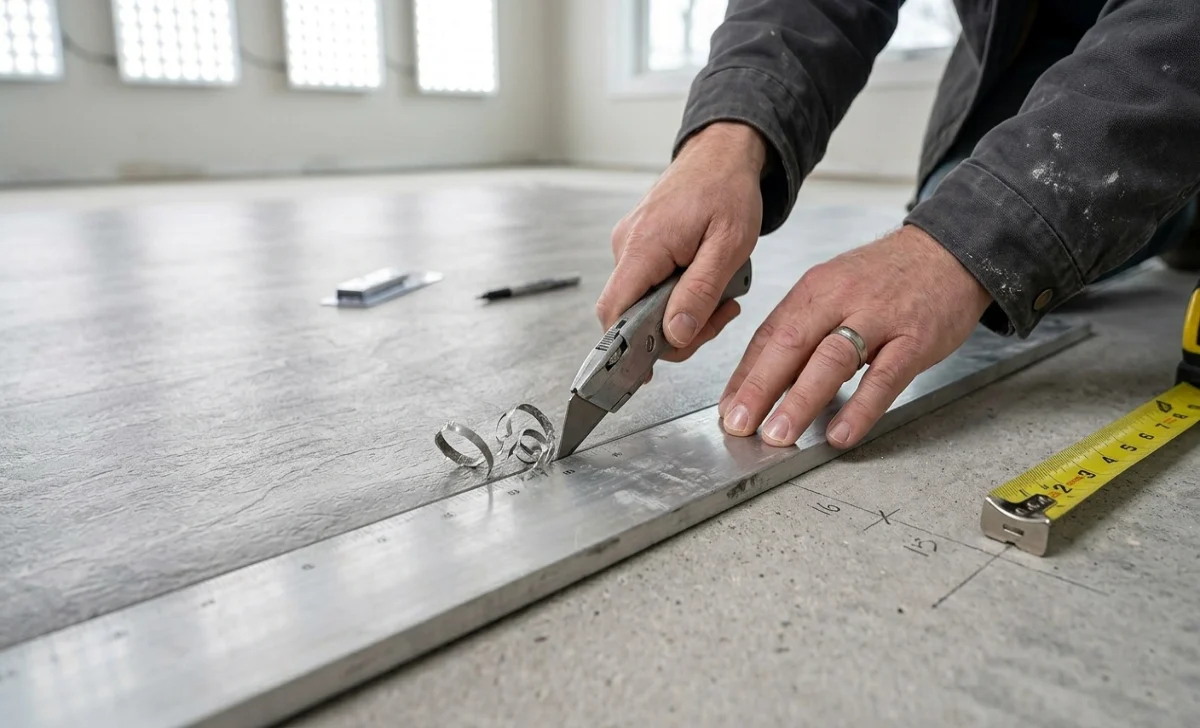
- Cut the sheet. Use a sharp utility knife and a straightedge. Score lightly first, then cut fully through.
- Position and glue. Roll back half the sheet, apply adhesive to the subfloor (if required by the manufacturer), and carefully lay the vinyl down, smoothing out air bubbles as you go.
- Trim the edges. Use a floor roller to press the sheet firmly and trim any excess along walls with a utility knife.
- Install trim. Fit quarter-round or base molding to cover the edges and provide a finished look.
For a full-glue installation in a bathroom or kitchen, always follow the manufacturer’s adhesive specifications. Some sheet vinyl products are designed for perimeter-only gluing or loose-lay installation, which simplifies removal later.
Caring for Sheet Vinyl Flooring
One of sheet vinyl’s biggest selling points is how easy it is to maintain. Follow these simple practices to ensure your new flooring remains easy to maintain:
- Sweep or vacuum daily to remove dirt and grit, which act as abrasives underfoot.
- Damp-mop weekly with a pH-neutral cleaner. Avoid bleach, ammonia-based cleaners, or steam mops, which can damage the wear layer.
- Place felt pads under furniture legs to prevent indentations and scratches.
- Avoid rubber-backed mats directly on sheet vinyl; they can cause yellowing over time. Use vinyl-safe rugs instead.
- Clean spills quickly, even though the waterproof vinyl sheet flooring is designed for durability. Standing water along edges or seams can eventually work its way underneath.
With proper care, a mid-grade sheet vinyl floor can last 10 to 20 years.
Sheet Vinyl Flooring and Environmental Considerations
PVC-based flooring has faced environmental criticism in the past. A few things worth knowing:
Some sheet vinyl products release volatile organic compounds (VOCs) during and after installation, which can be a concern for pet owners. This off-gassing is most pronounced in the first few days. Choose products certified by GREENGUARD or FloorScore if indoor air quality is a priority for you or your family.
Recycling options for vinyl flooring remain limited compared to hardwood or tile, but some manufacturers have take-back programs. Look for products with recycled content or those explicitly marketed as low-VOC if sustainability is a factor in your decision.
Final Thoughts
Sheet vinyl flooring is one of the most practical, budget-conscious flooring choices available in 2025. It covers wet areas better than most alternatives at a fraction of the cost of stone or premium vinyl plank. The key is matching it to the right rooms, choosing a product with an adequate wear layer, and ensuring your subfloor is properly prepared before installation.
If your priority is affordability and water resistance in kitchens, bathrooms, or basements, sheet vinyl is a strong, well-tested choice that delivers real value for everyday living and is easy to clean and maintain.
FAQs About Sheet Vinyl Flooring
1. Can you install sheet vinyl over existing flooring?
Yes, in many cases. You can install sheet vinyl over existing smooth, firmly bonded vinyl, ceramic tile, or concrete as long as the surface is flat. Avoid installing over floating floors, soft materials, or any flooring with significant texture or high spots.
2. How long does sheet vinyl flooring last?
Entry-level products typically last 5 to 10 years. Mid-grade and premium sheet vinyl can last 15 to 20 years with proper maintenance. The wear layer thickness is the biggest factor — a thicker wear layer means longer life.
3. Is sheet vinyl flooring waterproof?
Yes. Sheet vinyl is 100% waterproof across its surface. However, water can penetrate along edges or at seams if not properly sealed. A full-glue installation eliminates most moisture risk.
4. Can you install sheet vinyl yourself?
Small rooms are manageable for a careful DIYer. Large rooms, spaces with many fixtures, or any room requiring complex cuts are better left to a professional to avoid costly errors.
5. Does sheet vinyl add value to a home?
Sheet vinyl is not typically cited as a value-adding upgrade by real estate professionals. However, fresh, clean flooring in bathrooms and kitchens does improve buyer appeal, especially when using easy-to-clean vinyl tiles. For higher-end resale goals, LVP or tile may deliver a stronger return.