How to Estimate Property Sale Potential for Better Pricing Plans
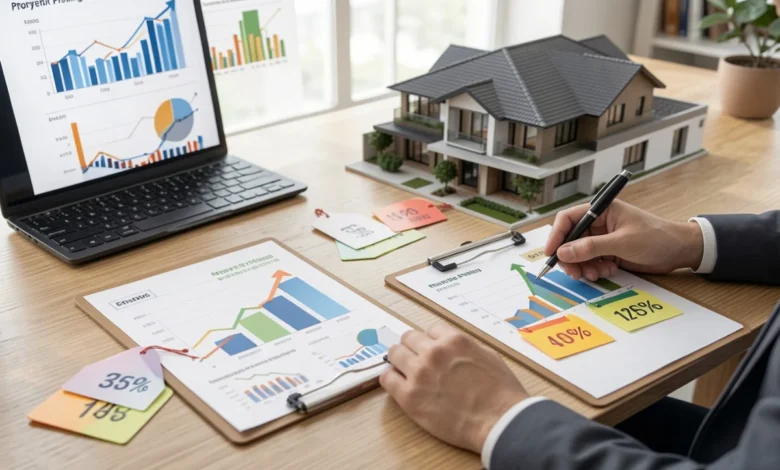
What truly determines how much a property can sell for in today’s market? Many sellers rely on guesswork or outdated comparisons, which often leads to missed opportunities. Accurate pricing starts with understanding real market signals and buyer behavior.
Small details can make a big difference in how a property is perceived and valued. A structured approach helps remove uncertainty and improve decision-making. Clear insights allow sellers to stay competitive without undervaluing their asset.
This guide will show practical steps to estimate sales potential and set smarter pricing strategies. Keep on reading!
Study Local Market Trends
Understanding local trends is the foundation of accurately estimating property value. Prices can vary widely depending on location, demand, and recent sales activity.
Review recent transactions in the same neighborhood and compare similar properties carefully. Pay attention to how long listings stay on the market before selling, and these patterns reveal whether prices are rising, stable, or declining. Reliable data builds a stronger pricing strategy.
Evaluate Property Condition
The condition of a property directly affects how buyers perceive its worth. Well-maintained homes often attract higher offers and sell faster.
Inspect key areas such as structure, interiors, and essential systems before listing. Small upgrades can improve appeal without large investments.
Clean, functional spaces make a strong impression on potential buyers. Presentation plays a major role in final pricing outcomes.
Compare Similar Listings
Looking at comparable properties helps create a realistic pricing range. These comparisons should focus on homes with similar size, features, and location.
Analyze both active listings and recently sold properties for a complete picture. Notice pricing differences and what may have caused them, and this is a good place to see the research behind successful listings. Clear comparisons reduce the risk of overpricing or underpricing.
Understand Buyer Demand
Buyer demand shifts based on economic conditions and lifestyle trends. Knowing what buyers want helps align pricing with expectations.
Identify popular features such as space, accessibility, or modern upgrades. Monitor how quickly properties are being viewed and sold in your area.
Strong demand allows for more confident pricing decisions. Weak demand may require a more flexible approach.
Consider Timing and Seasonality
The timing of a sale can influence both price and speed. Certain seasons naturally bring more buyers into the market.
Spring and early summer often see higher activity and stronger competition. Off-peak seasons may require more strategic pricing to attract attention.
Market timing should always be considered alongside other factors. Smart timing can improve both visibility and value.
Factor in Economic Conditions
The economy as a whole has a big impact on property prices. Interest rates, the number of jobs available, and inflation all have an effect on how buyers act.
Keep an eye on current financial trends that affect your ability to buy things. People are willing to pay more for things when the cost of borrowing money is low. Economic uncertainty could make people less likely to make offers and slow down sales.
Turning Property Potential Into Smart Pricing Decisions
Figuring out the right price requires knowing how big the market could be and what buyers want. Analysis of data, conditions, timing, and competition helps people make decisions and stay away from mistakes.
Setting prices correctly and appealing to buyers is easier when you have a clear plan. Listings stay competitive as times change by being looked at often and having small changes made.
Sales and results go up when you prepare well. All of your listings will do better if you follow these steps.
Did you like this guide? Great! Please browse our website for more!