Oronsuuts: What It Means, Why It Matters, and How Mongolia’s Apartments Are Changing
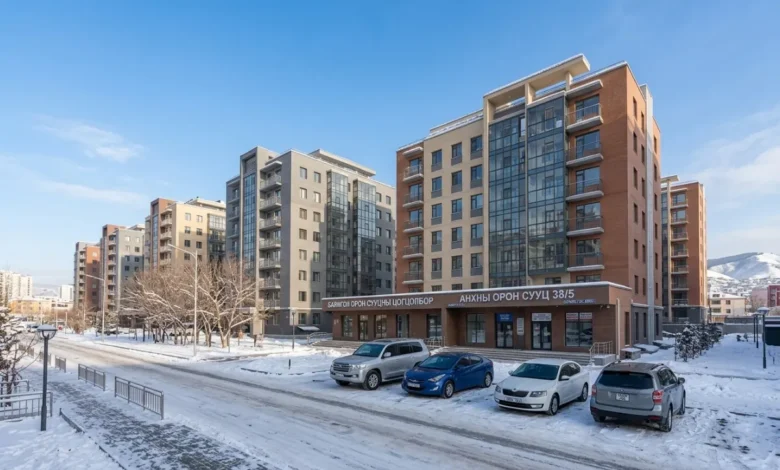
Oronsuuts (орон сууц) is the Mongolian word for a residential apartment or housing complex. It refers to the multi-storey apartment buildings that now define urban life in Ulaanbaatar and other Mongolian cities. As Mongolia’s urban population grows, Oronsuuts has become the country’s most common and important housing type, offering central heating, security, and modern amenities that traditional ger dwellings cannot provide.
If you have seen the word “Oronsuuts” and had no idea what it referred to, you are not alone. The term appears in housing searches, property listings, and a growing number of digital articles. Some pages treat it as a housing term. Others use it loosely as a digital content idea.
This article cuts through the confusion. You will learn what Oronsuuts actually means, where the word comes from, why apartment living in Mongolia is growing so fast, what it costs to rent or buy, and what challenges residents face. By the end, you will have a clear picture of what Oronsuuts really is and why it matters in 2026.
What Oronsuuts Actually Means
In Mongolian, “орон сууц” (romanised as Oronsuuts or Oron Suuts) translates directly to “residential dwelling” or “apartment.” The word is used every day in Mongolia when people talk about where they live, where they are moving, or what kind of housing they are looking for.
It is not a brand, a concept, or a made-up digital term. It is simply the standard Mongolian word for a residential apartment unit or building.
When you see the phrase “Oronsuuts худалдаалж байна” in a Mongolian property listing, it means “apartment for sale.” When someone says they live in an Oronsuuts, they mean they live in a flat inside an apartment block.
Outside Mongolia, especially on English-language content websites, the word has been picked up as a keyword. Some sites have stretched its meaning to cover streaming platforms or digital tools. That usage is not accurate. The word has a clear, specific meaning in Mongolian housing culture, and that is the meaning worth knowing.
The History Behind Oronsuuts in Mongolia
From Gers to Apartment Blocks
For much of Mongolia’s history, residential life was built around the ger, a portable round tent suited to the nomadic lifestyle. Families moved seasonally with their herds across the vast steppe, taking their homes with them.
Urbanisation changed everything. As economic opportunities concentrated in Ulaanbaatar, people left rural areas in large numbers. The capital could not absorb them all into formal housing. By the mid-2000s, large ger districts had grown around the city’s edges. Families built semi-permanent ger compounds without access to piped water, central heating, or sewage systems.
The Mongolian government, international lenders, and private developers began pushing apartment construction as the answer. The term Oronsuuts became synonymous with this shift, representing a cleaner, more stable, and warmer way of living in the city.
Soviet-Era Foundations
The earliest apartment blocks in Ulaanbaatar were built during the Soviet period, from the 1950s through the 1980s. These buildings were practical rather than comfortable. They provided shelter, running water, and central heating, but layouts were small, and building quality was basic.
Many of those Soviet-era buildings are still occupied today. Residents live with ageing plumbing, cracked insulation, and outdated electrical systems. These older blocks sit alongside a newer generation of Oronsuuts that look and function very differently.
The way residential buildings age and change hands over decades is a theme that stretches far beyond Mongolia. Even historically significant homes go through similar cycles of occupation, neglect, and repurposing. The story of the Erwin Rommel home in Herrlingen is a good example of how a private residence can survive long after its original occupants are gone, quietly passing into new hands on an ordinary residential street.
How Fast Is Apartment Construction Growing?
The numbers are striking. In 2025, Mongolia completed 25,817 new apartment units, the highest number in the country’s recorded history. That represented a jump of more than 30% compared to the 19,790 units completed in 2024. Between 2010 and 2025, the country averaged around 17,800 completed units per year, up sharply from just 4,000 units annually between 2003 and 2009.
Ulaanbaatar leads this growth. The city now holds an estimated 1.7 million people, nearly half of Mongolia’s total population of 3.3 million, within just 0.3% of the country’s land area. That concentration keeps demand for formal housing high and shows no sign of slowing.
Property prices reflect the pressure. New apartment prices in Ulaanbaatar rose 15.2% in 2023 and 15.7% in 2024. Older apartments increased even faster, with prices up 18.7% in 2024 alone. These are significant annual gains that speak to how much people want to move out of ger districts and into permanent housing.
Who Lives in Oronsuuts and Why
The Appeal of Apartment Life
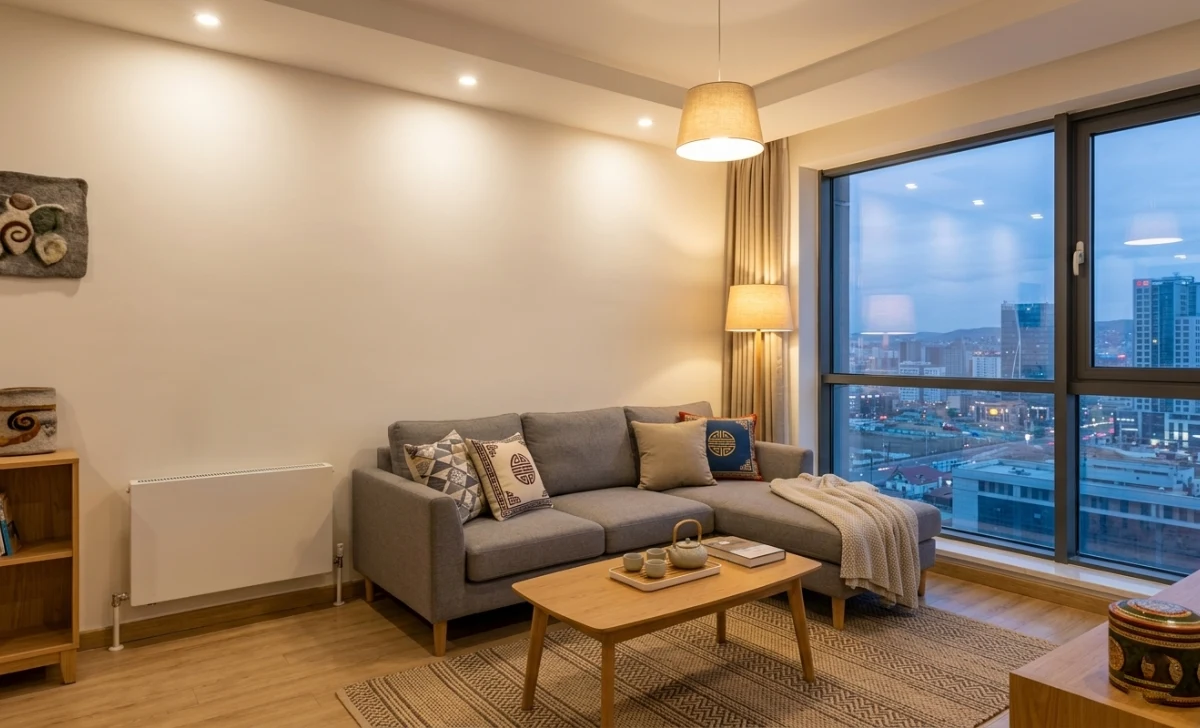
Living in an Oronsuuts brings practical benefits that matter deeply in a country where winters regularly push temperatures below minus 30 degrees Celsius. Central heating is not optional in that climate. It is a survival requirement.
A standard modern Oronsuuts building offers:
- Central district heating or in-building boiler systems
- Reliable piped water and sanitation
- Secure entryways with intercoms or key fobs
- Elevators in taller buildings
- Underground or covered parking
- Proximity to shops, schools, and medical clinics
Younger Mongolians are drawn to apartment living for reasons beyond warmth. City jobs, social life, and access to digital infrastructure all cluster in the parts of Ulaanbaatar where Oronsuuts buildings are concentrated. Moving into a modern apartment is often part of a broader life transition: a new job, a growing family, or a decision to stay in the city permanently.
Security is another factor that matters to residents. Controlled building entrances reduce day-to-day crime concerns, but perimeter security at the property level is equally worth thinking through. Choosing the right gate for your property is one practical step that adds both safety and kerb appeal, whether you own a standalone home or manage a gated residential compound.
Who Makes Up the Market
The Oronsuuts market in Mongolia broadly divides into three groups:
- Middle-income families upgrading from ger district housing
- Young professionals and students renting close to work or university
- Investors and business owners buying for rental income or capital gain
Foreign nationals working for mining companies, international organisations, and diplomatic missions also rent Oronsuuts units, often in higher-end developments in central Ulaanbaatar.
Types of Oronsuuts Available in Mongolia
Not all apartments in Mongolia are the same. The market has developed clear tiers.
Standard mid-range blocks make up the largest share of the market. These are typically five to twelve storeys, built since the early 2000s, with functional layouts and basic shared infrastructure. Most Mongolian families who have moved out of ger districts live in this type of building.
Luxury developments have grown significantly in central Ulaanbaatar. These buildings include fitness centres, 24-hour security, concierge desks, underground parking, and finishes more common to East Asian city apartments. Prices per square metre are considerably higher, and foreign buyers or rental tenants account for a meaningful portion of demand.
Affordable housing projects, often supported by government mortgage schemes or development programmes, target lower-income households. These developments are typically on the city’s periphery where land is cheaper, with smaller units and more basic fittings.
The Oronsuuts Investment Case
Mongolia’s residential property market has attracted growing attention from investors, both domestic and foreign. The combination of rapid urban growth, constrained supply of quality housing, and a young population drives sustained demand.
Selling property in fast-growing urban markets also looks different from traditional methods. If you are thinking about how to exit an investment efficiently, it is worth reading up on the modern home selling method that many owners now use to reduce time on market and cut transaction costs.
The World Bank’s portfolio in Mongolia reached $396.9 million by March 2025, with significant funds directed at urban sector development. That kind of institutional investment signals confidence in the country’s long-term urbanisation trajectory.
For individual investors, Oronsuuts units in well-located Ulaanbaatar districts have shown strong price appreciation. Rental yields are supported by high tenant demand, particularly near universities and business districts. However, several risks deserve serious attention before any investment decision.
Construction quality varies considerably across developers. Some buildings completed in the 2010s already show signs of poor workmanship. Buyers should obtain independent structural assessments rather than relying on developer materials alone.
The mortgage market in Mongolia carries high interest rates by international standards, which limits the pool of local buyers and can slow resale timelines. Regulatory changes around foreign ownership also require careful legal review before purchase.
The Real Challenges Facing Oronsuuts Residents
Air Pollution Is Severe
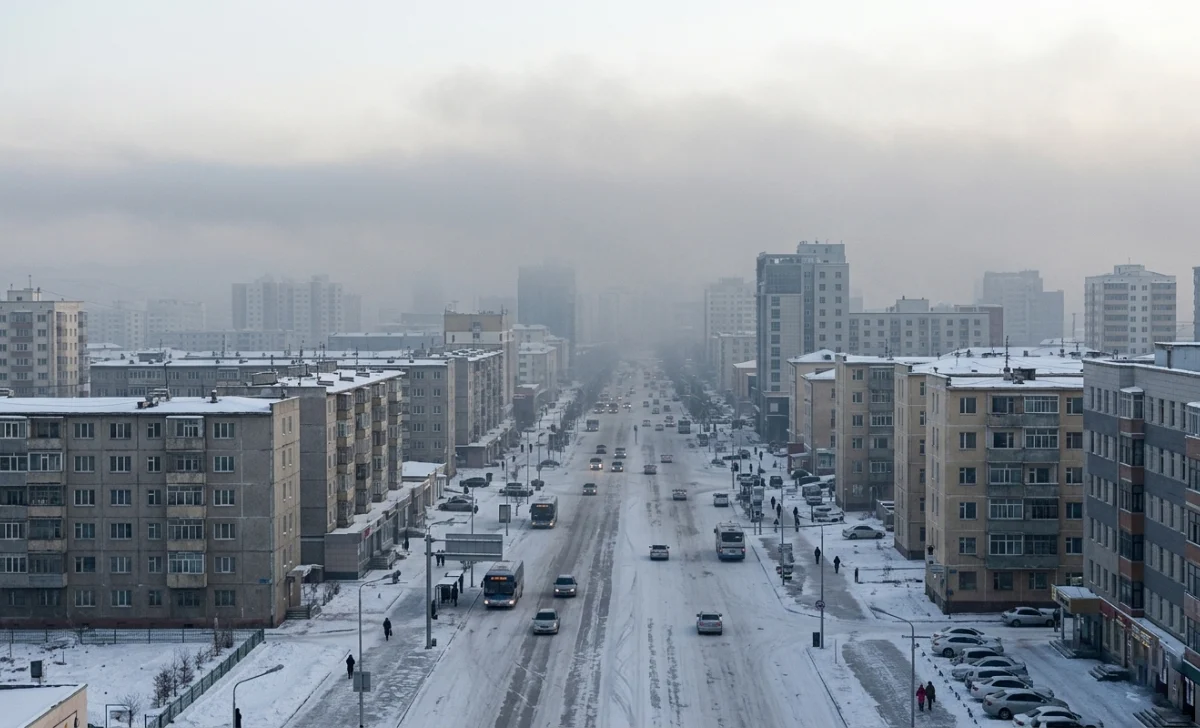
Ulaanbaatar has one of the worst air quality records of any capital city in the world. During winter, coal-burning stoves in ger districts produce dense smoke that settles across the entire city. Residents of Oronsuuts buildings can close their windows, but the air quality outside remains a serious health concern.
The Mongolian government has implemented partial coal bans in ger districts and promoted cleaner heating fuel, but progress has been slow. Families who live in apartments with central heating contribute far less to pollution than ger households, but the city-wide problem affects everyone.
Rising Prices Are Pricing People Out
The same price gains that make Oronsuuts attractive to investors create a serious problem for ordinary families. With new apartment prices rising between 15% and 16% per year, younger or lower-income households find it increasingly hard to buy.
The government operates subsidised mortgage programmes, but demand far outpaces supply. Many families remain in ger districts not by choice, but because they cannot afford to move out. A 2025 study in the journal Nature found that housing improvements in informal settlements had fallen short of official projections by an average of 2.8% since the COVID-19 pandemic, indicating that progress is slower than planned.
Traffic and Infrastructure Strain
Ulaanbaatar was not designed for 1.7 million people. Road congestion is a daily problem, particularly in the central districts where most Oronsuuts buildings are concentrated. Public transport improvements are planned, including a metro line and tramway system due between 2025 and 2028, but these are still years from completion.
Residents of peripheral Oronsuuts developments often face long commutes on crowded roads. This is a consideration that property listings rarely highlight, but residents mention consistently.
What Does Oronsuuts Cost in 2026?
Prices vary significantly by location, age of building, and quality tier. Central Ulaanbaatar commands the highest per-square-metre prices. Newer buildings cost more than older Soviet-era blocks, even in the same neighbourhood.
For context, the 2024 real estate market in Ulaanbaatar showed average prices for new apartments running well above older stock. Rental prices similarly reflect both location and quality. Serviced apartments aimed at foreign residents or business travellers sit at a significant premium above the general market.
Anyone actively searching should compare prices across multiple listings and visit properties in person. Online photos frequently show best-case conditions. Checking water pressure, heating performance, and window insulation during a winter visit tells you far more than pictures taken in summer.
Oronsuuts and Mongolia’s Urban Future
The Mongolian government has committed to a significant programme of urban development projects running through 2028. Planned works include a metro system, a tramway network, major road projects, and several large-scale housing developments in Ulaanbaatar’s ger districts.
The goal is to convert more ger households into permanent apartment residents, reducing pollution, improving living standards, and generating economic activity through construction. The Bayankhoshuu sub-centre project, for example, targets over 800 households in a new green-certified complex designed to meet international energy efficiency standards.
Sustainable building practices are becoming more common. Newer Oronsuuts developments increasingly use improved insulation, energy-monitoring systems, and more efficient heating technologies. The shift is partly driven by government standards and partly by buyers who understand that lower energy bills matter over the long term.
Oronsuuts in Online Searches: Clearing Up the Confusion
You may have come across the word Oronsuuts on websites that have nothing to do with Mongolia or housing. Some content sites use the term as a standalone keyword topic, writing broadly about digital content, streaming platforms, or online tools under this heading.
This usage is misleading. Oronsuuts is a Mongolian housing term with a specific, well-established meaning. When it appears on websites talking about movies or digital systems, those pages are typically using the word to target search traffic rather than to provide accurate information.
If you are looking for housing information related to Mongolia, search specifically for Mongolian property platforms and government housing resources. If you are a researcher or journalist, the most reliable data comes from sources like the Global Property Guide’s Mongolia analysis, the World Bank’s urban development publications, and the UN-Habitat Mongolia page.
FAQs
What does Oronsuuts mean?
It is the Mongolian word for residential apartment or housing complex. The Mongolian spelling is “орон сууц.” It is used daily in Mongolia when people discuss renting, buying, or living in apartments.
Why is apartment living growing so fast in Mongolia?
Ulaanbaatar’s population has grown from around 630,000 in 2001 to an estimated 1.7 million by 2025. Rural-to-urban migration continues, driven by employment, education, and healthcare opportunities. This population growth creates sustained demand for formal housing.
Is Oronsuuts a good investment in 2026?
The market has shown strong price growth, with new apartment prices rising over 15% annually in 2023 and 2024. Long-term demand looks stable given continued urbanisation. However, construction quality varies, interest rates are high, and market access rules for foreign buyers require legal advice. No investment in this market should be made without professional guidance.
How does Oronsuuts differ from a ger?
A ger is a portable, circular tent used in nomadic life. It provides shelter but not central heating, piped water, or sanitation. An Oronsuuts is a permanent apartment in a multi-storey building with modern utilities. The two represent fundamentally different ways of living.
What are the main problems with Oronsuuts in Ulaanbaatar?
Air pollution, rising prices, and traffic congestion are the most commonly cited problems. Heating and insulation quality in older buildings is also a frequent concern. Buyers and renters should inspect buildings carefully and ask current residents about day-to-day issues.