How to Skim Coat a Wall: A Complete Step-by-Step Guide
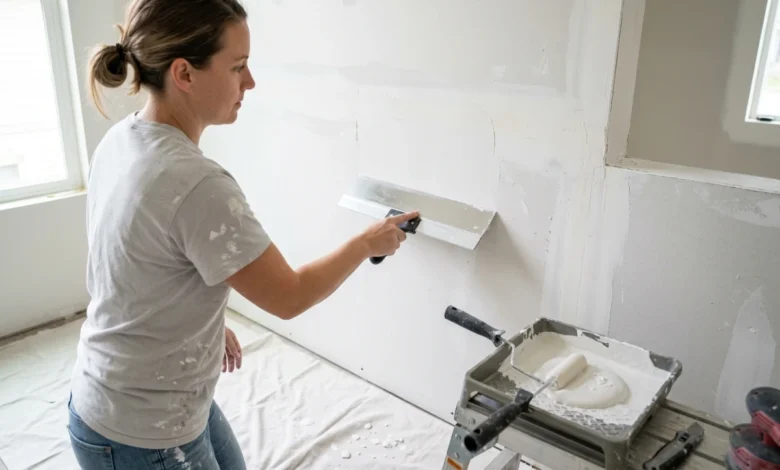
Skim coating is the process of applying a thin layer of joint compound across a wall surface to create a smooth, paint-ready finish. It works on new drywall, damaged surfaces, and textured walls. You will need joint compound, a paint roller, a wide taping knife, primer, and sandpaper. Most DIY projects cost around $50 in materials and take two to three days to complete.
What Is Skim Coating and When Do You Need It
Most people assume drywall is smooth right out of the box. It is not. The paper face on standard drywall has a subtle crosshatch texture. Once you paint over it, that texture shows up. Skim coating is how you fix that.
A skim coat is a very thin layer of drywall joint compound, sometimes called “mud,” spread across an entire wall surface. When it dries and is sanded, the wall becomes flat and consistent. Paint then goes on evenly and looks far cleaner.
You need to skim coat in these situations:
- After removing the wallpaper that tore the drywall face paper
- When you want to cover existing wall texture (like orange peel or knockdown)
- On new drywall that needs a Level 5 finish before painting
- To repair large areas of surface damage, scrapes, or water stains
- Before applying high-gloss or satin paint that shows every flaw
According to Angi’s 2026 cost data, skim coating a room yourself costs around $50 in materials, making it one of the more budget-friendly wall repair methods available.
Tools and Materials You Need to Skim Coat a Wall
Before you start, gather everything. Running out of supplies mid-job causes lap marks and uneven drying.
Materials:
- All-purpose joint compound (pre-mixed or powdered)
- Drywall primer or PVA bonding primer
- Drop cloths or plastic sheeting
- Painter’s tape
Tools:
- 12-inch taping knife (also called a finishing knife)
- 6-inch taping knife for edges and corners
- Paint roller with a 1/2-inch nap cover
- Roller tray or 5-gallon bucket with a screen
- Drill with a mixing paddle attachment
- Sanding pole with 120- and 150-grit sanding screen
- Spray bottle filled with water
- Wet rags for cleanup
One gallon of pre-mixed joint compound covers about 75 square feet of wall. Always buy more than you think you need. Running short mid-project and having to mix a new batch can create inconsistencies in texture and drying time.
If you plan to skim coat a large space, powdered joint compound is more cost-efficient. You can buy four times the coverage compared to pre-mixed for roughly the same price.
How to Prep Your Walls Before Skim Coating
Prep work determines 80 per cent of your final result. Skip it, and your skim coat will bubble, peel, or crack.
Step 1: Clear and protect the room
Move furniture out or push it to the centre and cover it. Cover floors, furniture, and appliances, then seal off the room to contain drywall dust. If you skip this step, you will be cleaning drywall dust out of every corner of your house for weeks.
Remove all outlet covers and light switch plates. Tape off the outlets themselves so no compound gets inside them.
Step 2: Remove baseboards
This is worth the extra step. It is much easier to reinstall baseboards than to work around them with a taping knife. Use a pry bar and work slowly to avoid wall damage.
Step 3: Fix existing damage
Fill any holes or deep gouges with setting-type compound (the kind that hardens chemically, not by drying). Let it cure fully. This step is separate from the skim coat and needs to happen first.
Step 4: Apply primer
This is the step most beginners skip. Do not skip it. Prime the entire wall before you apply any compound. Old wallpaper or walls in rough condition need primer to bond properly. Get loose material off before priming, but do not overdo it.
If the wall has stains, use a shellac-based or oil-based stain-blocking primer. For clean drywall, a basic PVA drywall primer works fine. Let the primer dry completely, usually two to four hours.
How to Skim Coat a Wall Step by Step
Once your wall is prepped and primed, you are ready to apply the skim coat. This process usually requires two thin coats, not one thick one.
Mix Your Joint Compound
If you are using pre-mixed compound, add small amounts of water and stir with your drill and mixing paddle. You want a consistency close to thick pancake batter. It should be spreadable without dripping. Make sure there are no lumps. If the compound is too runny, add more dry mix to correct it.
Do not over-thin. Mud that is too watery will shrink excessively as it dries and create deep cracks.
Apply the First Coat
Work in 4-foot by 4-foot sections. This keeps the compound wet long enough for you to smooth it before it starts to set.
Use your paint roller to roll a thin layer of compound directly onto the wall. It looks messy at this stage. That is normal.
Immediately follow the roller with your 12-inch taping knife. Hold the blade at a 15- to 20-degree angle to the wall and make long, overlapping passes from top to bottom. Apply firm, steady pressure. The goal is to push the compound thin and fill surface imperfections, not to build it up thick.
Wipe the knife blade clean after each pass with a wet rag. Dried compound on the blade creates drag marks.
Let the First Coat Dry Completely
This is where patience matters most. Do not rush to the second coat. You will typically wait 24 hours for a skim coat to dry, though drying time depends on humidity, temperature, and coat thickness.
The compound changes from dark gray-white to a uniform bright white when it is fully dry. If any gray areas remain, wait longer.
Sand the First Coat
Use a sanding pole with a 120-grit screen and lightly sand the entire surface. You are knocking down high spots and ridges, not sanding through the compound. Wipe the wall down with a barely damp cloth to remove dust.
Apply the Second Coat
Repeat the rolling and taping knife process. The second coat goes on thinner than the first. This layer fills any remaining streaks or thin spots from coat one.
Some walls with heavy texture or significant damage need a third coat. Let each coat dry completely before moving to the next.
Common Mistakes That Ruin a Skim Coat
These are the errors that turn a weekend project into a month-long repair job.
Using a compound that is too thick: Thick mud drags and tears. It also shrinks more as it dries, leaving cracks and depressions.
Working too large an area at once: If the compound starts to dry before you smooth it, you get drag lines and ridges. Stick to 4-foot sections.
Skipping primer: Unprimed drywall absorbs moisture from the compound instantly. This causes the compound to bond poorly, crack, and sometimes bubble when painted.
Applying one thick coat instead of two thin ones: A single heavy application shrinks too much and takes far longer to dry. Two thin coats give you better adhesion and a flatter surface.
Sanding too aggressively: Over-sanding cuts through the skim coat and back into the drywall paper, creating soft, fuzzy spots that will show through paint.
Not cleaning the knife between passes: Dried compound on the blade drags across wet compound and leaves grooves.
How to Sand and Prime After Skim Coating
Once your final coat is fully dry, it is time to sand and prime before painting.
Sanding the final coat:
Start with a 120-grit screen on your sanding pole. Work in long, overlapping strokes. Keep even pressure so you do not dig into softer areas. Then move to 150-grit for the final pass.
Drywall dust is extremely fine. Wear an N95 respirator and eye protection. Seal the room with plastic sheeting over doorways to contain the dust before you start.
Wipe down the wall:
Use a barely damp sponge or cloth to wipe the entire surface. Let it dry for 30 to 60 minutes.
Apply finish primer:
Apply one coat of drywall primer before painting. This step is essential. The skim coat surface is porous and will absorb your first coat of paint unevenly if you do not prime it. You will see lap marks and colour variation even with premium paint.
Let the primer dry fully, then assess the surface under raking light (a work light held at a low angle). Any remaining imperfections will cast a shadow and become visible. Address them with a thin skim of compound before the paint goes on.
DIY vs. Hiring a Professional: What You Should Know
Skim coating is a learnable skill, but it takes practice to get right. Here is an honest look at your options.
DIY skim coating:
The material cost is low. Doing the project yourself costs around $50 in materials, though speciality tools can bring that figure up to $430 if you are starting from scratch. The tradeoff is time and a learning curve. Expect your first attempt to take three to four days for an average room, and accept that the result may not be perfectly flat.
Hiring a professional:
A local drywall contractor typically charges $50 to $100 per hour, and most full-room projects land between $300 and $1,200 total. Per square foot, the estimated cost to skim coat runs $0.95 to $1.35 per square foot as of January 2026, according to Homewyse cost data.
Professionals work faster. A skilled two-person crew typically handles around 400 square feet per day on smooth drywall. That same area might take a first-time DIYer two full days.
The quality difference is real. Experienced finishers have the tools and technique to handle tricky corners, ceilings, and textures without the streaks, bubbles, and visible seams that often appear in first-time DIY projects.
If your walls are heavily damaged, have extensive texture, or you are prepping for a high-end paint finish, hiring a pro is the smarter financial decision. If you have a single room with moderate texture and you enjoy hands-on work, DIY is absolutely achievable.
FAQs
How many coats of skim coat does a wall need?
Most walls need two coats. The first fills surface imperfections and provides a base. The second evens out the surface and eliminates streaks or thin spots. Heavily textured walls or surfaces after wallpaper removal may need three coats.
Can I skim coat over existing paint?
Yes, but the painted surface must be properly prepared. Sand the paint lightly to dull the sheen, wipe it clean, and apply a bonding primer before applying any compound. Without this prep, the compound will not adhere and will crack or peel.
How long does skim coating take to dry?
Each coat needs a full 24 hours to dry under normal conditions (around 70°F, moderate humidity). High humidity, cold temperatures, or thick application can extend this to 48 hours. Never sand or apply a second coat until the first is completely white and dry to the touch.
What is the difference between skim coating and plastering?
Skim coating uses drywall joint compound applied in thin layers over existing drywall. Plastering is a separate process using plaster materials, often over a lath or mesh substrate, and typically results in a harder, thicker wall surface. Skim coating is the modern standard for finishing drywall in residential construction.
Do I need to sand between every coat?
Yes. Lightly sand between coats to knock down any ridges or high spots. Use 120-grit between coats and finish with 150-grit after the final coat. Skipping this step traps imperfections under the next layer and makes them impossible to fix without adding more compound.