How to Fix a Squeaky Door: A Complete Step-by-Step Guide
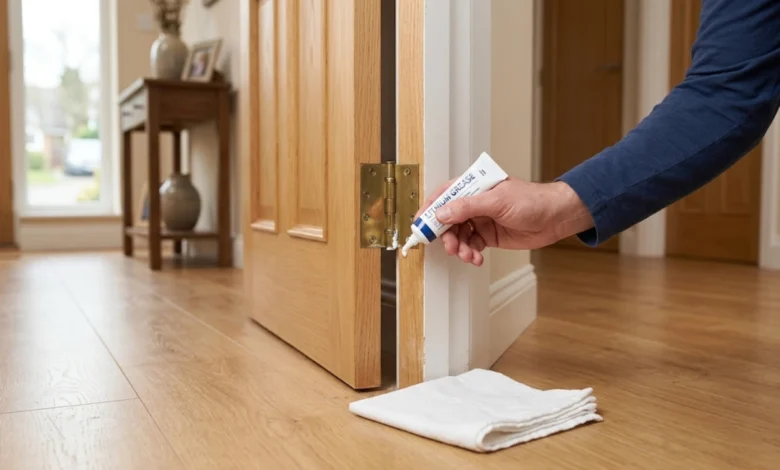
A squeaky door is almost always caused by dirty or dry door hinges. To fix it, locate the noisy hinge, clean off any grime, and apply a lubricant such as white lithium grease, silicone spray, or petroleum jelly. For persistent squeaks, remove the hinge pin, clean it thoroughly, relubricate, and reinsert. The fix takes under 15 minutes and costs little to nothing.
That grinding, high-pitched squeak every time you open your bedroom door at night is one of the most aggravating sounds in a home. The good news: you almost certainly do not need a contractor.
In most cases, fixing a squeaky door takes less than 15 minutes, costs nothing extra, and uses products already sitting in your kitchen or garage. This guide walks you through every cause, every fix, and the best lubricants to use, so you can put that squeak to rest for good.
Why Does a Door Squeak in the First Place?
Before you reach for a lubricant, it helps to understand what is actually causing the noise. A squeak is the sound of metal rubbing against metal under friction. Several things can create that friction:
- Dry hinges: Over time, the lubricant inside a hinge dries out completely, and the metal parts begin grinding against each other.
- Dirt and grime build-up: Dust mixes with old grease and turns into a thick residue that increases friction instead of reducing it.
- Bent hinge knuckles: Hinges are made from relatively soft metal. They can become misaligned from heavy use, and the misaligned parts rub together when the door moves.
- Loose screws: A loose hinge screw shifts the hinge out of position and puts uneven pressure on the knuckles.
- Door misalignment: If a door has dropped or warped slightly, its full weight bears down on one hinge, which creates stress and noise.
- Wood rubbing on wood: Less common, but humidity can cause a door or frame to swell until wood contacts wood directly.
According to Bob Vila’s home improvement team, the high-pitched noise is often an indication that the hinge is dirty or lacking sufficient lubricant, making lubrication the right first step in the vast majority of cases.
How to Locate the Squeaky Hinge
Most interior doors have three hinges. Do not assume they are all causing the noise.
Open and close the door slowly while keeping your ear close to each hinge in turn. Ask someone else to move the door while you listen, if possible. The hinge producing the loudest sound is your target. Once identified, mark it with a piece of tape so you do not lose track while you gather your tools.
Tools and Materials You Will Need
You do not need specialist equipment. Here is what to gather before you start:
- A clean cloth or rag
- A household cleaner or a small wire brush
- A hammer and a large nail (for removing hinge pins)
- Your chosen lubricant (see options below)
- Paper towels to catch drips
How to Fix a Squeaky Door: Step-by-Step
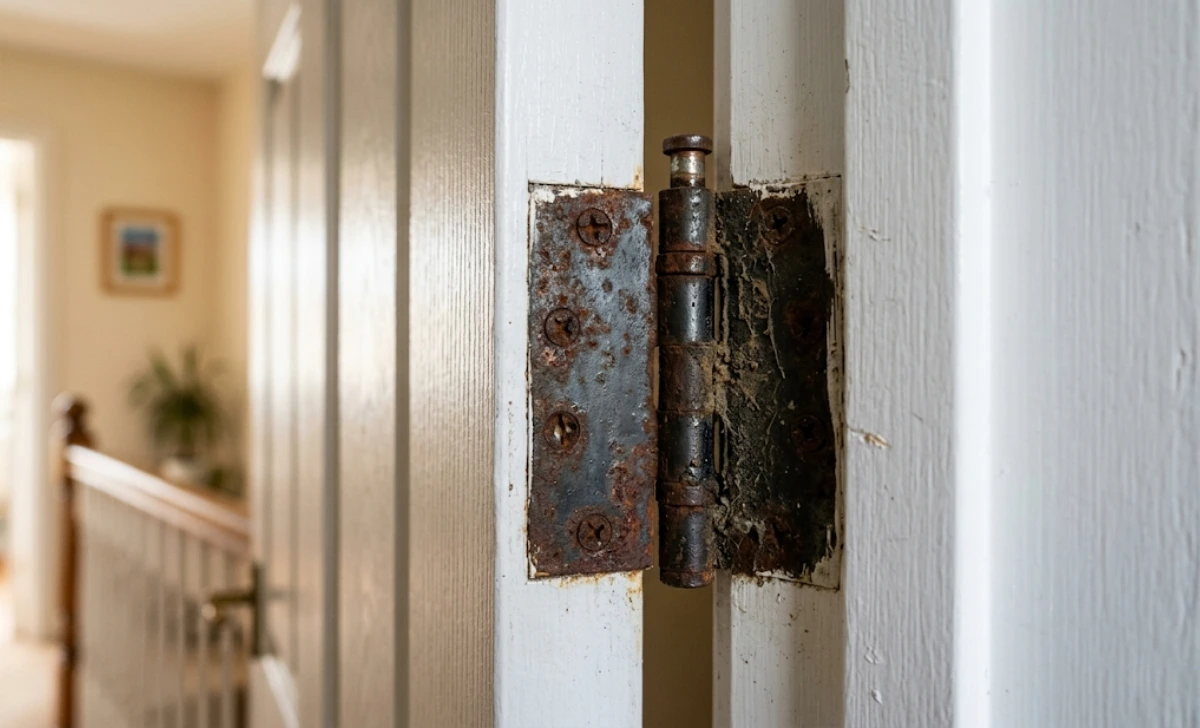
Step 1: Clean the Hinge First
Wipe the visible surface of the hinge with a clean cloth to remove loose dust. If there is visible grime or thick residue built up around the knuckles, apply a small amount of household degreaser and scrub with a wire brush or old toothbrush.
Skipping this step is one of the most common mistakes. Applying fresh lubricant over old grime just mixes the two together and gives you a stickier mess that attracts more dirt within weeks.
Step 2: Try Lubricating Without Removing the Pin
Use a spray lubricant with a straw or tube attachment and aim it directly into the seams between the hinge knuckles. Open and close the door several times to work the lubricant deep into the hinge. Wipe away any excess with a rag.
This approach works well for mild squeaks where the hinge has simply dried out.
Step 3: Remove the Hinge Pin for a Deeper Fix
For a stubborn squeak, you need to remove the hinge pin entirely. Here is how:
- Place the tip of a large nail against the bottom of the hinge pin.
- Tap the nail upward with a hammer until the pin head rises above the top of the hinge.
- Pull the pin out with your fingers or pliers.
- Inspect the pin for rust, scoring, or rough patches.
- Clean the pin with a cloth or fine steel wool.
- Apply your chosen lubricant along the full length of the pin.
- Reinsert the pin and tap it back down firmly.
- Open and close the door several times to spread the lubricant evenly.
If you do this with the door closed and latched, you can remove the pin without the door falling off. That keeps things manageable when you are working alone.
Step 4: Tighten Any Loose Screws
Once the hinge is lubricated, check every screw on that hinge. Tighten each one with a screwdriver. If a screw spins without biting, the hole is stripped. Fill the hole with a wooden toothpick dipped in wood glue, let it dry, then drive the screw back in. This gives the screw fresh material to grip.
Step 5: Test the Door
Open and close the door at least five or six times, slowly at first, then at normal speed. Listen carefully. If the squeak is gone, wipe away any excess lubricant from the hinge and surrounding paint. If a faint squeak remains, apply a second small amount of lubricant to the pin seam and repeat.
Best Lubricants for Squeaky Door Hinges
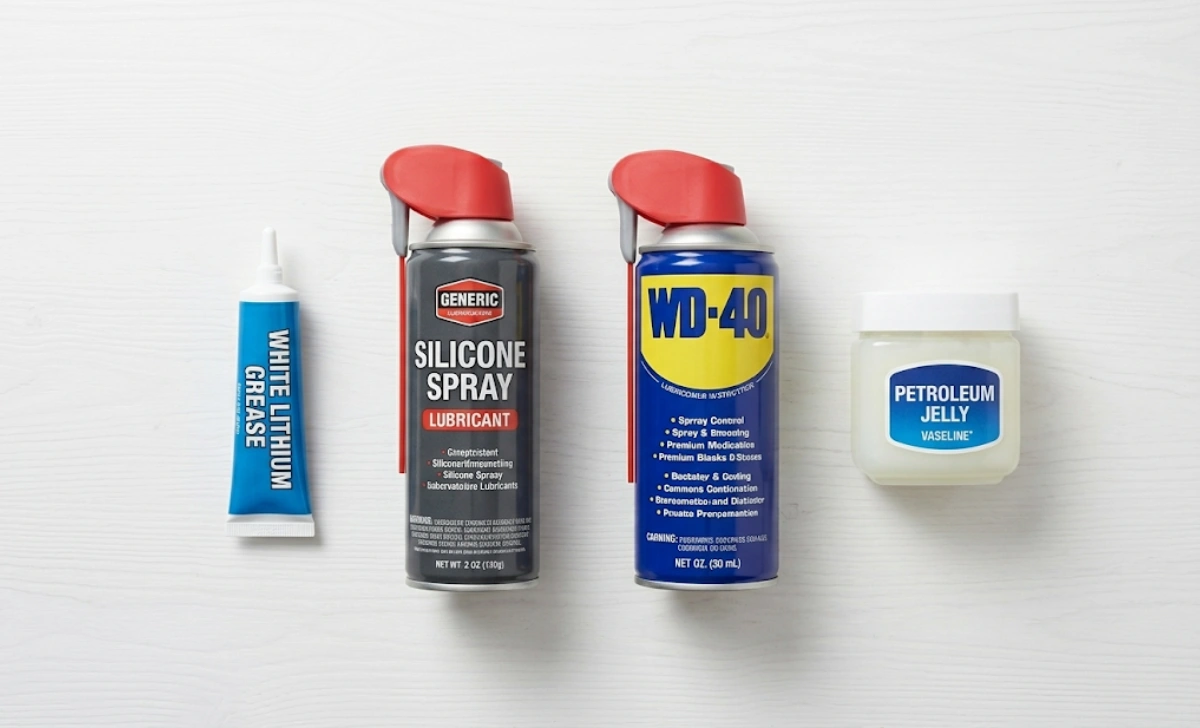
Not all lubricants are equal. Here is a clear breakdown of your options, from most effective to least:
White Lithium Grease (Best Long-Term Option)
White lithium grease stands out as the best choice for squeaky hinges in most home environments. It is a thick, durable lubricant that adheres well to metal surfaces, providing a lasting layer that silences squeaking door hinges while resisting wear and tear. It also helps prevent rust and corrosion, which extends the life of your hinges considerably.
Apply it directly to the hinge pin, not just the surface of the knuckles.
Silicone Spray (Best for a Quick Fix)
Silicone spray is excellent for fixing squeaky hinges and is widely available both online and in DIY stores. It contains no mineral oils or grease and is safe on plastic, rubber, and metal alike.
The best approach is to remove the pin, spray inside the hinge, and spray the pin separately before reinserting it. Silicone spray does not last as long as white lithium grease, so plan to reapply every year or so.
WD-40 (Short-Term Relief Only)
WD-40 is the product most people reach for first, and it will stop a squeak quickly. However, WD-40 is primarily a water displacer, not a lubricant. It contains relatively little actual lubricating agent and tends to attract dirt over time. Use WD-40 as a temporary measure while you source a better long-term product.
Household Alternatives in a Pinch
If you need a fix right now and cannot get to a hardware store, these common items work as short-term solutions:
- Petroleum jelly (Vaseline): Remove the pin, coat it thoroughly, and reinsert. Effective, but it can look greasy on visible hinges.
- Bar soap or paraffin candle wax: Rub directly onto the pin and inside the knuckles. Works surprisingly well and leaves no mess.
- Olive oil: Apply with a cotton swab or pipette. Note that olive oil can thicken and gum the hinge as it ages, causing more noise over time. Replace it with a proper lubricant as soon as you can.
- Hairspray: A last-resort option. The polymers create a temporary seal, but hairspray leaves a sticky residue that collects dust quickly.
When Lubrication Is Not Enough
Sometimes a squeak signals a bigger problem that lubrication alone cannot fix.
Replace the hinge if:
- The hinge pin is severely scored, pitted with rust, or bent.
- The hinge leaf itself is cracked or bent out of shape.
- The knuckles are visibly misaligned and do not sit flush.
No amount of lubricant can revive a door hinge that has gotten pinched or rusted out. Replacing a standard interior door hinge costs between $3 and $15 per hinge and takes about 20 minutes with a screwdriver.
Check for door misalignment if:
- The squeak returns within days of lubricating.
- The door sticks or does not latch properly.
- The gap between the door and frame is uneven.
A misaligned door puts constant stress on one hinge. No lubricant will fix that permanently. In older homes, door frames can shift over the years of settling. If your home’s structure is involved, it may be worth a professional assessment. Many of the same principles apply to outdoor fixtures as well; our guide on backyard metal repairs covers how to assess and treat metal components that are exposed to the elements.
How to Fix a Squeaky Door Hinge on Painted Frames
Many older homes have hinges that have been painted over multiple times. The paint fills the knuckle gaps and creates its own friction.
To fix this:
- Score around the hinge edges carefully with a utility knife before removing the pin.
- Use a heat gun on low to soften thick paint if the pin will not move.
- Remove as much paint as possible from the knuckle gaps with a thin tool or a wire brush.
- Lubricate and reassemble as normal.
Avoid painting over hinges in the future. If the surrounding trim needs a fresh coat, mask the hinges with painter’s tape first. Getting a clean line around hardware is one of the details that separates a polished result from an amateur one. Our guide to professional painting services covers techniques for protecting hardware and trim during interior paint jobs.
Preventing Squeaky Hinges Long Term
A few simple habits will keep your hinges quiet for years:
- Lubricate door hinges once every one to two years as part of your regular home maintenance routine.
- Wipe down visible hinge surfaces during general cleaning to stop grime build-up before it starts.
- Check and tighten hinge screws seasonally, especially after significant temperature changes.
- In high-humidity areas, choose stainless steel or brass hinges, which resist corrosion better than standard steel.
Doors in transitional spaces like sunrooms, screened porches, or enclosed patios face more moisture and temperature variation than interior doors. That wear tends to show up in hinges first. If you have one of these spaces, our guide on 3-season rooms covers hardware maintenance specific to those environments.
FAQs
Why does my door squeak only in the morning?
Temperature and humidity change overnight. Wood absorbs moisture and expands slightly, which can cause the door or frame to press harder against the hinge. This is common in older homes and homes without stable climate control. Lubricating the hinge usually reduces the squeak, even if it does not eliminate the humidity-related swelling.
Can I fix a squeaky door without removing the hinge pin?
Yes. Spraying silicone lubricant or WD-40 directly into the hinge knuckles, then working the door back and forth, can stop a mild squeak without any disassembly. For stubborn squeaks, removing the pin gives far better results because you can clean and coat the full length of the pin.
How long does door hinge lubrication last?
It depends on the lubricant. White lithium grease typically lasts one to two years. Silicone spray lasts six to twelve months. WD-40 and household alternatives like olive oil may need reapplication within a few weeks. High-traffic doors need attention more frequently than rarely used ones.
Is a squeaky door a sign of a structural problem?
Occasionally. If lubrication and screw-tightening do not fix the squeak, and the door is also sticking or misaligned, the frame may have shifted. This is more common in homes over 30 years old. A carpenter or structural specialist can confirm whether settling or moisture damage is involved.
What is the best lubricant to use on door hinges?
White lithium grease gives the longest-lasting results and resists rust. Silicone spray is a close second and is easier to apply without removing the pin. Both are available at any hardware store for under $10.