Essential Insights on Financing Ground-Up Construction Deals
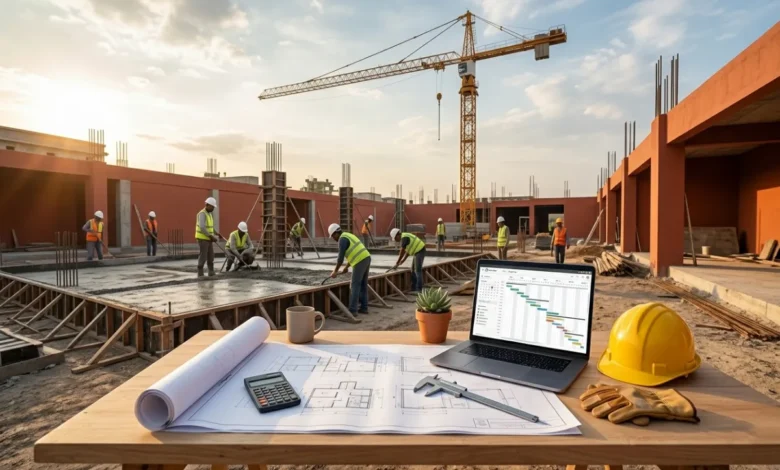
What does it take to finance a project built from the ground up? Many developers face high costs, tight timelines, and strict lender rules. Strong planning and clear funding paths can make the difference between success and delay.
Understanding how construction financing works helps reduce risk and improve outcomes. Careful choices around lenders, budgets, and schedules keep projects on track. Reliable strategies also help secure approvals and maintain steady progress from start to finish.
This guide explains practical steps to fund construction deals with confidence and control. Keep on reading!
Understanding Construction Financing Basics
In contrast to property loans, construction financing releases funds slowly as work progresses. Before giving money, lenders carefully look over project plans, costs, and schedules.
Borrowers have to give detailed plans for how they will finish the project and pay back the loan. Lenders can trust that the project will work if there is clear documentation.
Building a Strong Project Plan
A good plan spells out every step, from buying the land to finishing the building and selling or renting it. It also has realistic deadlines and accurate cost estimates based on the current state of the market.
Before construction starts, lenders want to know that risks have been thought through and dealt with. A well-thought-out plan keeps the project on track and cuts down on surprises.
Choosing the Right Lender
The rates, terms, and flexibility of construction loans vary from lender to lender. Some are experts at building from the ground up and know what the problems are.
Working with experienced lenders makes getting money easier and more reliable. When developers need to move quickly to take advantage of opportunities that only last a short time, they often look for fast new construction loans.
Managing Costs and Budget Risks
Unexpected costs often come up in construction projects, so it is important to make a careful budget. Costs can change quickly when the prices of labor and materials go up or down.
For these reasons, contingency funds lower the risks without stopping progress. Spending stays on track with regular reviews of costs.
Structuring the Loan Properly
How easy it is to get money for construction depends a lot on how the loans are structured. Schedules for draws, interest rates, and terms for paying back loans must all match the project timeline.
Borrower and lender should have clear agreements to avoid confusion and delays. Having the right structure also helps keep the cash flow steady during all the stages of construction.
Maintaining Strong Communication
Contractors, lenders, and developers should be able to talk to each other freely so that everyone is on the same page. By sending regular updates, you can find problems earlier and solve them more quickly.
By being open and honest, you can build trust and long-lasting professional relationships. Consistent communication also makes it easier to get approvals for fund releases faster during the building phase.
Smart Strategies To Finance Ground-up Construction
It is important to plan, keep an eye on, and talk to your partners about start-up construction financing. Developers can better manage risk and progress when they know what to expect in terms of costs, timelines, and investor expectations. Building trusting relationships between contractors and lenders makes it easier to get money for each stage.
To cut down on delays and get better results on projects, stick to tried-and-true methods and be disciplined. Being proactive with management, having a clear budget, and smart financing all help.
Did you like this guide? Great! Please browse our website for more!