Why Is My Microwave Sparking? Causes, Fixes, and When to Stop Using It
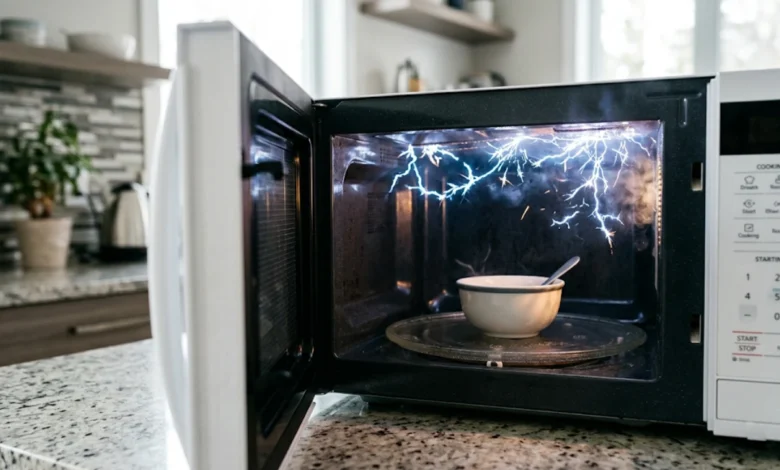
Microwave sparking, also called arcing, is usually caused by metal objects, food residue, a damaged waveguide cover, or chipped interior paint. Most fixes cost under $20 and take less than 30 minutes. Stop using the microwave the moment you see sparking to avoid damage or a fire risk. If the problem continues after basic fixes, the magnetron may be failing.
You press start, and suddenly there are blue or white flashes inside your microwave. It feels alarming. Is it dangerous? Is the appliance ruined?
In most cases, microwave sparking has a straightforward cause and a cheap fix. This article covers every major reason it happens, what you can do at home, and when to walk away from the appliance entirely.
What Causes Microwave Sparking?
Sparking inside a microwave, known as arcing, happens when microwave energy hits a conductive material. The electromagnetic waves have nowhere to absorb, so they discharge as visible sparks or flashes.
Here are the most common causes:
- Metal utensils, spoons, or forks left inside
- Aluminium foil or metallic food packaging
- Dishes with gold or metallic glaze or trim
- A cracked, burned, or food-stained waveguide cover
- Chipped or peeling interior paint
- Food grease or residue baked onto the walls
- A broken rack support (on models with a metal rack)
- A failing magnetron
The first six causes are things you can fix yourself. The last two may mean it is time to call a technician or replace the appliance entirely.
The Waveguide Cover Is Often the Culprit
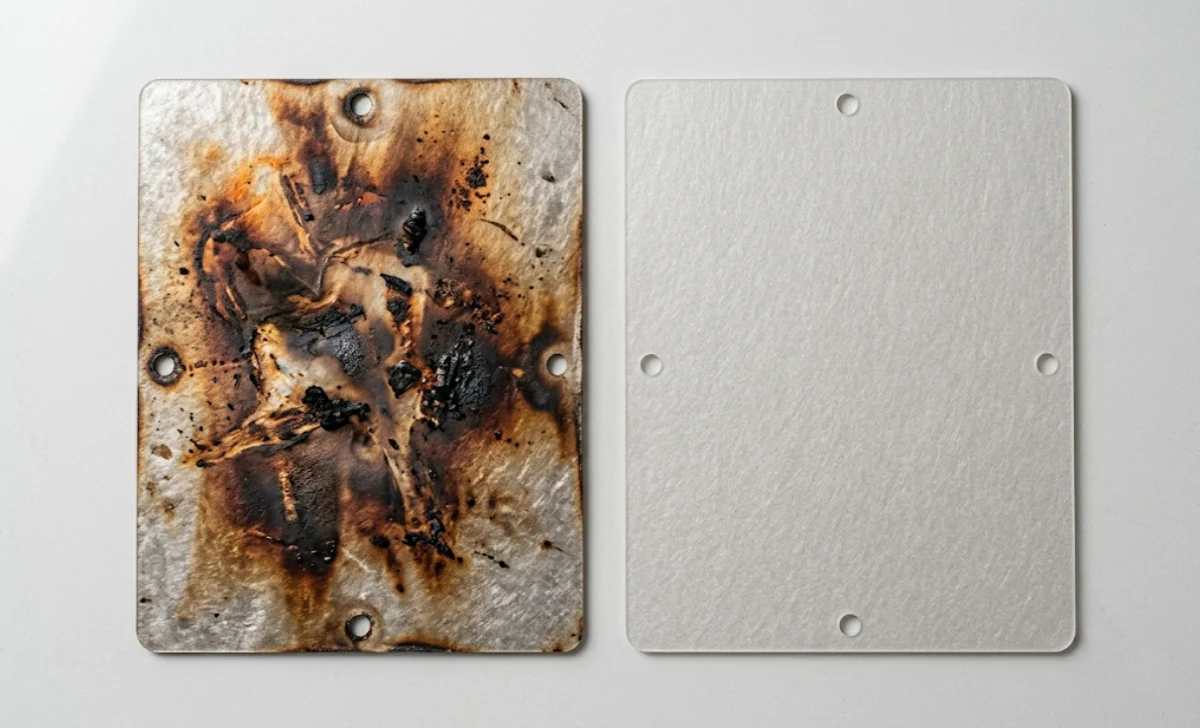
The waveguide cover is a flat panel, usually made of mica or plastic, found on the interior wall or ceiling of your microwave. Its job is to protect the internal electronics from food splatter.
When this cover gets cracked, wet, or coated with baked-on grease, it starts absorbing microwave energy instead of passing it through. That absorbed energy discharges as a spark.
According to Whirlpool’s product support team, a damaged waveguide cover is one of the most common causes of microwave arcing. A replacement part typically costs between $10 and $20 and is easy to install yourself. Look up your microwave’s model number, usually printed on a sticker inside the door frame, and order the matching part.
To inspect yours, look for dark spots, burns, or visible cracks. If the surface feels soft or smells burnt, replace it before using the microwave again.
Metal and Metallic Materials Cause Immediate Sparking
This is the most obvious trigger, but it still catches people off guard regularly. Thin, lightweight metal is especially reactive. A small twist tie, the metallic lining on a paper bag, a forgotten spoon, or a bowl with a metallic rim can all cause sparking within seconds.
Thicker metal, like a large fork or knife, may not spark as dramatically right away, but it still stresses the magnetron and causes cumulative damage over time.
Always check your containers before microwaving. If a dish does not carry a “microwave-safe” label, or if it has any decorative metallic trim, leave it out of the microwave entirely.
Is Microwave Sparking Dangerous?
A single spark from a forgotten fork is usually not a major problem. Stop the microwave, remove the metal, and you can continue cooking.
Repeated sparking, or sparking with no obvious metal inside, is a different matter. It can burn the interior walls, permanently damage the magnetron, or, if there is grease buildup, start a small fire inside the cavity.
If you see smoke, smell burning plastic or electrical odours, or notice discolouration spreading across the walls, unplug the microwave immediately and do not use it again until the cause is found.
For a broader look at home electrical safety, including what steps to take when any appliance behaves unexpectedly, this guide on electrical safety tips every homeowner should know covers the basics in clear, practical terms.
How to Fix Microwave Sparking at Home
Most cases of microwave sparking can be resolved in under 30 minutes. Work through these steps in order:
- Unplug the microwave before you inspect anything inside.
- Remove all metal. Check for foil, utensils, or metallic-trimmed dishes.
- Clean the interior thoroughly. Use a damp cloth with mild dish soap. Pay close attention to the walls, ceiling, and floor of the cooking cavity. Dried grease and food residue both absorb microwave energy and can arc.
- Inspect the waveguide cover. If it looks burned, stained, or cracked, replace it. Do not attempt to clean a cracked cover. Order the part that matches your model number.
- Check the interior paint. Chipped or peeling paint on the walls can cause arcing. Small chips can be touched up with food-safe microwave cavity paint, available at appliance parts retailers. Larger damage is a sign that the appliance may need replacing.
- Check the rack supports if your model came with a metal turntable rack. Cracked or misaligned supports can allow the metal rack to touch the walls and arc.
If you complete all six steps and the sparking continues, the magnetron is the likely source of the problem.
When the Magnetron Is Failing
The magnetron is the core component that generates the electromagnetic energy used to heat food. A failing magnetron often causes sparking as one of its earliest signs.
Other symptoms include food that heats unevenly or not at all, an unusual buzzing or humming during operation, and the microwave tripping your circuit breaker during use.
Replacing a magnetron typically costs between $100 and $200, including parts and labour, according to appliance repair data from HomeAdvisor’s 2023 national survey. Since a new mid-range microwave costs around $150 to $300, the math often favours buying a replacement rather than repairing.
When evaluating whether to repair or replace a home appliance, it helps to think about the useful lifespan alongside repair cost. The same logic applies to other home heating and cooking equipment. If you are reassessing your home’s appliances more broadly, this detailed review of the Alpine by Comfortbilt HP41 Pellet Stove walks through how to evaluate performance, longevity, and overall value before committing to a purchase.
How to Prevent Microwave Sparking
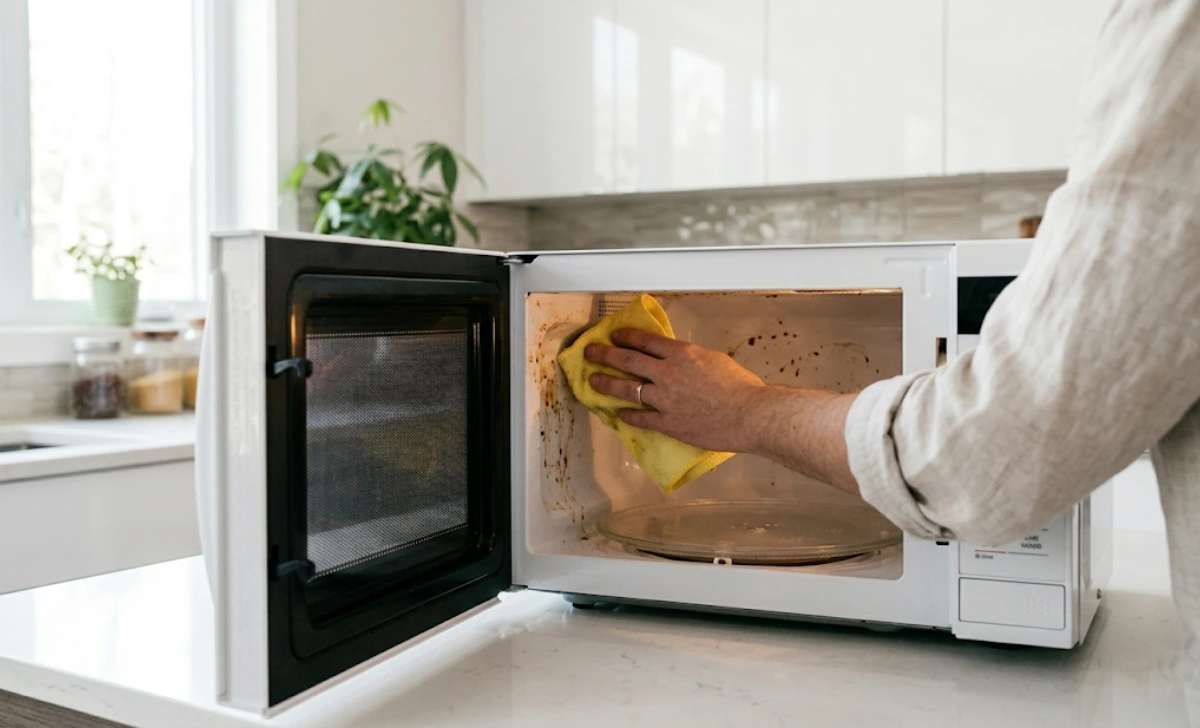
Prevention requires very little effort and saves money on repairs. These habits will keep your microwave running safely:
- Use only containers labelled as microwave-safe. When in doubt, use a glass or ceramic dish with no metallic trim.
- Cover food loosely with a microwave-safe lid or paper towel to contain splatter.
- Wipe down the interior after every few uses, especially after heating greasy or saucy foods.
- Replace the waveguide cover at the first sign of damage. Do not wait until it starts sparking.
- Never run the microwave empty. With no food to absorb the energy, the magnetron takes the full load and can fail prematurely.
- Avoid heating anything in its original packaging unless the package is labelled microwave-safe.
A clean microwave interior is the single most effective way to prevent sparking. Regular maintenance also extends the usable life of the appliance by years.
When to Call a Technician or Replace the Unit
Some problems are beyond a home repair. Contact a certified appliance technician if:
- Sparking continues after you have removed the metal and replaced the waveguide cover.
- You see burn marks, holes, or visible damage on the interior walls.
- The microwave trips your circuit breaker when in use.
- You smell burning plastic, rubber, or an electrical odour even when the unit is not running.
According to the National Association of Home Builders, the average useful life of a microwave is 9 years. If your appliance is 8 years or older and needs a major repair, replacing it is almost always the better financial decision.
Home electrical devices can sometimes look unfamiliar or raise questions when you are already dealing with appliance issues. If you have noticed an unknown device plugged into a wall outlet and are unsure what it is, this article on what the Adtran box plugged into the wall is explains it clearly.
FAQs
Can I keep using my microwave if it is sparking?
No. Stop the microwave immediately when sparking starts. Identify and resolve the cause before using it again. Continued use risks permanent damage to the magnetron and, in the presence of grease, a small fire inside the cavity.
Why is my microwave sparking with no metal inside?
The most likely causes are a dirty or damaged waveguide cover, chipped interior paint, or a failing magnetron. Start by cleaning the interior thoroughly, then inspect the waveguide cover for burns or cracks.
Is it safe to replace the waveguide cover yourself?
Yes, for most people. Unplug the microwave, remove the old cover, and fit the replacement part in its place. Make sure the part matches your model number exactly. The process takes about 10 minutes and requires no tools.
How much does it cost to fix a sparking microwave?
If the cause is a dirty interior or a damaged waveguide cover, the fix costs between $0 and $20. If the magnetron is failing, parts and labour typically run $100 to $200, which often makes buying a replacement microwave a better option.
Can a microwave start a fire from sparking?
A microwave will not explode, but sustained arcing can ignite grease buildup on the interior walls. This is why cleaning the cavity regularly matters as much as removing metal objects.