Electrical Safety Tips Every Homeowner Should Know
Electricity powers many of the devices and systems homeowners rely on every day. From lighting and appliances to heating and cooling equipment, a home’s electrical system plays an essential role in daily life. Because electricity can also present serious safety risks when handled improperly, homeowners need to understand basic electrical safety practices.
Whether you are maintaining your home or planning upgrades, taking the right precautions during electrical work can help prevent accidents and protect your property.
Avoid Overloading Outlets
One of the most common electrical safety issues in homes is overloaded outlets. When too many devices are connected to a single outlet or power strip, it can cause circuits to overheat. This increases the risk of electrical fires and damage to appliances. Homeowners should spread electrical devices across multiple outlets and avoid plugging several high-power appliances into the same circuit.
Use Extension Cords Properly
Extension cords can be useful for temporary power needs, but they should never be used as a permanent wiring solution. Running extension cords under rugs or through doorways can damage the cord and create a fire hazard. For long-term electrical needs, it is safer to install additional outlets rather than relying on extension cords during electrical work or everyday use.
Inspect Cords and Plugs
Damaged cords and plugs can create serious safety risks. Frayed wiring, cracked insulation, or bent prongs may expose live electrical components. Homeowners should regularly check power cords on appliances and electronics and replace any damaged equipment. Using damaged cords during electrical work or normal use can increase the risk of electrical shock.
Keep Electrical Devices Away from Water
Water and electricity are a dangerous combination. Electrical appliances and outlets should be kept away from sinks, bathtubs, and other water sources. Bathrooms, kitchens, and outdoor areas often require special safety outlets known as ground fault circuit interrupters (GFCIs). These outlets automatically shut off power if they detect a potential electrical fault, adding an extra layer of protection during everyday electrical use and electrical work.
Install Smoke and Carbon Monoxide Detectors
Electrical problems can sometimes lead to fires. Installing smoke detectors throughout the home can provide early warning if a fire starts. Carbon monoxide detectors are also important for homes with fuel-burning appliances. Regularly testing these safety devices helps ensure they are working properly and ready to alert homeowners in an emergency.
Turn Off Power Before Electrical Work
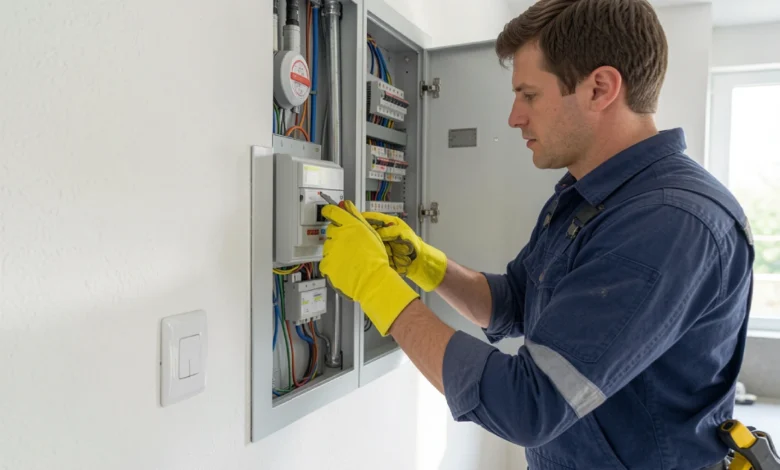
One of the most important safety steps homeowners should follow is turning off power before performing any electrical work. This typically involves switching off the appropriate circuit breaker in the home’s electrical panel. Working on wiring or fixtures while the power is still active can lead to serious injury or electrical shock.
Avoid DIY Electrical Repairs Beyond Basic Tasks
While some simple tasks, such as replacing light bulbs or resetting breakers, can be handled by homeowners, more complex electrical projects should be left to trained professionals. Improper installation or repairs can create safety hazards and may violate local building codes. When more advanced electrical work is needed, hiring a qualified professional is the safest option.
Schedule Periodic Electrical Inspections
Over time, electrical systems can experience wear or become outdated as power demands increase. Scheduling occasional inspections can help identify potential issues before they become dangerous. A professional inspection can ensure that wiring, outlets, and electrical panels are functioning safely.
By following these electrical safety tips, homeowners can reduce risks and maintain a safer living environment. Being mindful of safe practices during everyday use and while performing electrical work helps protect both your home and your family.