How to Go Greener at Home Without Spending a Fortune
People keep throwing money at the wrong things. I’ve been in the Australian building and home renovation game for two decades. I see it every single day. A client calls me up wanting to save the planet and asks for a fifty grand quote on a bespoke off-grid solar and battery rig. Yet their windows rattle in the wind and their roof leaks hot air like a broken hair dryer.
We need a massive reality check. Going green at home doesn’t mean blowing your life savings on shiny gadgets. It means fixing the basics. Do you want real results? Stop watching lifestyle shows and start looking at your actual house.
Stop Buying Useless Gadgets
Let’s get one thing straight. You can’t buy your way out of a massive carbon footprint. I constantly tell my clients to put down the credit card and pick up a caulking gun. The greenest products are the ones you don’t actually buy. But if you must spend cash, spend it where it counts.
Lighting is the absolute low-hanging fruit. Swapping old halogens for quality LEDs cuts your lighting energy usage by up to 80 percent immediately. I did this in a four-bedroom place in Melbourne last year. The owner saw a 300 dollar drop in their quarterly power bill straight away. That’s a real metric. No fluff. Just cash back in your pocket.
Don’t jump straight to the expensive stuff. Nail the fundamentals first. Have you actually checked the weather stripping around your front door? Probably not. Start there.
Rethink the Great Aussie Backyard
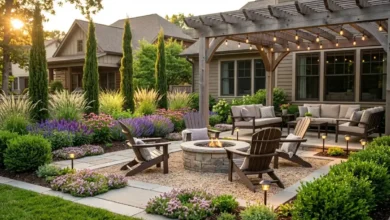
We love our outdoor spaces here. But the traditional timber deck is a maintenance nightmare and a hidden environmental trap. You spend every second summer washing it down with toxic chemicals. You strip the old stain. You slap on a new coat of volatile compounds just to stop the timber from rotting away. The whole process exhausts everyone.
I finally told a client in Brisbane to scrap the hardwood idea entirely. We looked at alternatives. Using high-quality composite decking material completely changes the game. Manufacturers make it from recycled plastics and reclaimed wood fibres. You never have to stain it. You stop dumping chemicals into your garden beds. Plus, it lasts way longer. Buy it once and leave it alone. That is actual sustainability. It stops the cycle of consumption and chemical waste dead in its tracks.
Seal the Gaps Before You Go Solar
I want to scream every time I see brand new solar panels on a house with zero insulation. It’s like putting a massive air conditioning unit inside a cheap camping tent. What is the point? You generate all this clean energy just to bleed it out through single-glazed windows and uninsulated ceiling cavities. The last time I inspected a supposedly green reno in Sydney, the tradies had left massive gaps around the downlights. All the home’s heating literally escaped straight through the roof.
Fix your thermal envelope. Get up in the roof space and check the insulation batts. Are they moved around? Are there bare patches? Fix them. Buy draught excluders for your doors. Hang thick curtains over those massive glass sliding doors. Bunnings sells this stuff for next to nothing. You will drastically reduce your need for heating and cooling. That cuts your emissions down faster than any expensive piece of tech ever will.
Stop Heating Water for No Reason
Australians use a ridiculous amount of hot water. You probably don’t even think about it until the winter power bill arrives. But heating water accounts for a massive chunk of your household energy use. People always ask me about expensive solar hot water systems. Sure, they work great. But why not just use less hot water first?
I installed a low-flow showerhead in my own place back in 2021. The rest of my family complained for exactly two days before they forgot about it. We slashed our hot water usage by thirty percent practically overnight. It cost me forty bucks. You can also turn down the thermostat on your actual hot water system. Most plumbers set them way too high by default. Drop it down to 60 degrees Celsius. You kill the bacteria, but you stop wasting energy keeping a giant tank of water at boiling point 24 hours a day.
Building Fresh? Think Smarter, Not Bigger
Maybe you’re planning a massive knock-down rebuild or a huge extension. The biggest waste of money and carbon happens before you even move in. Traditional building sites operate as absolute disaster zones for waste. Tradies throw skips full of offcuts, damaged materials, and plastic packaging straight to landfill. It drives me mad.
If you want to build fresh, look into alternative construction methods. You get incredible precision with custom modular homes. Factory workers construct the bulk of the house in a controlled environment. They calculate materials down to the millimetre. They recycle offcuts on the spot instead of throwing them in a skip. Trucks then transport the modules to your block, and builders lock them together on site.
This process reduces site disruption, slashes material waste, and delivers a hyper-efficient house. Stop thinking a massive sprawling McMansion is the only way to build. Build tight, build smart, and keep your waste out of the local tip.
Protect Your Money Like You Protect the Planet
Going green sometimes attracts sharks. Dodgy operators flood the industry, promising zero-carbon miracles for rock bottom prices. I’ve seen cowboys burn clients completely with fake green credentials. You think you’re buying a sustainable heat pump system. You end up with a cheap import that breaks in six months, and nobody can repair it.
Treat a green renovation like any serious financial investment. Vet your contractors heavily. Ask them for proof of their claims. If you plan to sign a massive contract for a whole-home energy retrofit, don’t blindly trust the sales rep. Get a professional to read the fine print.
Have a competent business lawyer look over the warranties and performance guarantees before you hand over your deposit. You want ironclad clauses that protect you if that fancy system fails to deliver the promised efficiency. Sustainability becomes completely useless if your gear ends up in a landfill a year later and you go bankrupt trying to fix it. Do the homework. Protect your patch.