Vinyl Plank Flooring: Complete Guide to Styles, Costs & Installation
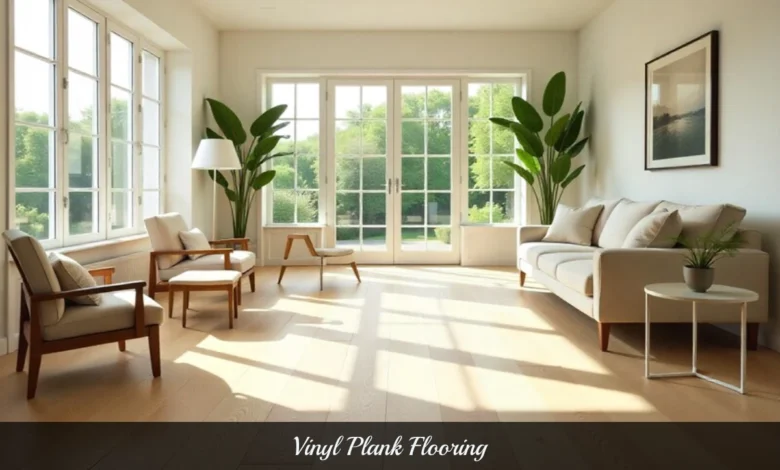
Vinyl plank flooring costs $2 to $7 per square foot for materials, with professional installation adding $1.50 to $3 per square foot. This waterproof flooring option mimics real wood or stone while offering superior durability and easier maintenance at a fraction of the cost of hardwood.
You walk into a flooring showroom and spot what looks like beautiful hardwood planks. You bend down, run your hand across the surface, and realize it’s vinyl. Welcome to modern vinyl plank flooring, where technology meets affordability.
This guide covers everything you need to know about vinyl plank flooring. You’ll learn about material costs, installation methods, top brands, and whether this flooring option fits your home and budget.
What Makes Vinyl Plank Flooring Different
Vinyl plank flooring, also called luxury vinyl plank (LVP), consists of multiple layers pressed together. The bottom layer provides stability. The core layer offers strength. The design layer creates the wood or stone appearance. The top wear layer protects against scratches and stains.
Unlike traditional vinyl sheets, these planks mimic individual hardwood boards. In 2024, the U.S. flooring market saw luxury vinyl plank sales outpace traditional hardwood and laminate, driven by demand for waterproof surfaces that look authentic.
The construction varies between two main types:
Rigid Core (SPC): Made with stone polymer composite. These planks are completely waterproof and handle temperature changes better. They work well in basements and areas with concrete subfloors.
Wood Plastic Composite (WPC): Contains wood and plastic materials. These planks feel softer underfoot and absorb sound better. They’re ideal for upstairs rooms and areas where comfort matters.
Current Vinyl Plank Flooring Trends
The flooring industry shifts every few years. Here’s what’s popular in 2024 and heading into 2025.
Wide plank vinyl flooring is at the forefront of modern design trends. Wider planks create an expansive feel and showcase natural grain patterns better than narrow options. Most top sellers now measure 7 to 9 inches wide, compared to the traditional 6-inch standard.
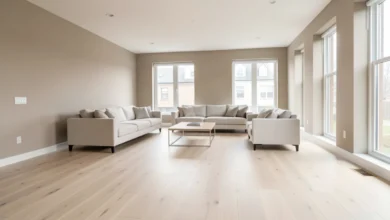
Blonde shades, mid-tone browns, breezy warm hues, and soft modern beiges are at the top of the trend list. These natural tones pair well with multiple design styles and won’t feel dated in five years.
Herringbone and chevron patterns continue gaining popularity. These installation patterns add visual interest without requiring actual hardwood. You get the sophisticated look at vinyl pricing.
Matte finishes dominate over glossy surfaces. The subtle finish looks more authentic and hides minor imperfections better than high-gloss options.
Top Vinyl Plank Flooring Brands
Not all vinyl planks perform equally. Here are the brands that consistently rank highest in testing and customer reviews.
LifeProof (Home Depot exclusive): Budget-friendly option with 22-mil wear layers. Prices start under $4 per square foot. Thanks to a 22-mil wear layer, the planks had no trouble fending off scratches in tough abrasion tests. Works well for bathrooms and kitchens.
Shaw: Known for broad style selections and strong warranties. Their Floorte Pro line offers various collections with enhanced waterproofing. Prices range from $3 to $6 per square foot.
COREtec: Pioneer in 100% waterproof LVP. Features an integrated cork underlayment for comfort and sound reduction. Costs $4 to $7 per square foot. GREENGUARD Gold certified for low emissions.
Style Selections (Lowe’s exclusive): Affordable choice for budget-conscious buyers. Most options include attached padding. Prices typically fall between $1.50 and $3 per square foot.
Mohawk: Added antimicrobial CleanProtect technology in 2023. Their All Pet Plus warranty covers all pet damage, unique in the industry. Mid to high price range at $3 to $6 per square foot.
Vinyl Plank Flooring Cost Breakdown
Understanding costs helps you budget accurately and avoid surprises during your project.
Material Costs:
- Budget options: $1.50 to $2.50 per square foot
- Mid-range options: $2.50 to $4 per square foot
- Premium options: $4 to $7 per square foot
Budget products feature thin wear layers (6-8 mil) and basic designs. Mid-range options include 12-20 mil wear layers with realistic textures. Premium products offer 20+ mil wear layers suitable for commercial spaces.
Installation Costs: Professional installation typically ranges from $1.50 to $3.00 per square foot for click-lock planks. Glue-down installation costs more, ranging from $2.50 to $4 per square foot.
Total Project Costs: For installing 1,000 sq ft of vinyl plank flooring, expect to invest between $1,500 to $8,000+, depending on material quality and installation method.
Additional Expenses:
- Old flooring removal: $0.50 to $2 per square foot
- Subfloor preparation: $1 to $3 per square foot
- Underlayment (if not attached): $0.50 to $1 per square foot
- Transition strips and trim: $1 to $5 per linear foot
Installation Methods Explained
Three main installation methods exist, each with different complexity levels and costs.
Click-Lock Installation: Planks interlock without glue or nails. This floating floor system allows for DIY installation. Takes 1-3 days for an average room. Best for spaces with level subfloors.
Glue-Down Installation: Adhesive bonds planks directly to the subfloor. Requires professional installation in most cases. More permanent and works better on uneven surfaces. Takes 2-4 days, including drying time.
Peel-and-Stick Installation: Planks have adhesive backing. Easiest DIY option but least durable. Works for temporary solutions or low-traffic areas. Can complete small rooms in one day.
Most homeowners choose click-lock installation for the balance between ease and durability.
Where to Use Vinyl Plank Flooring
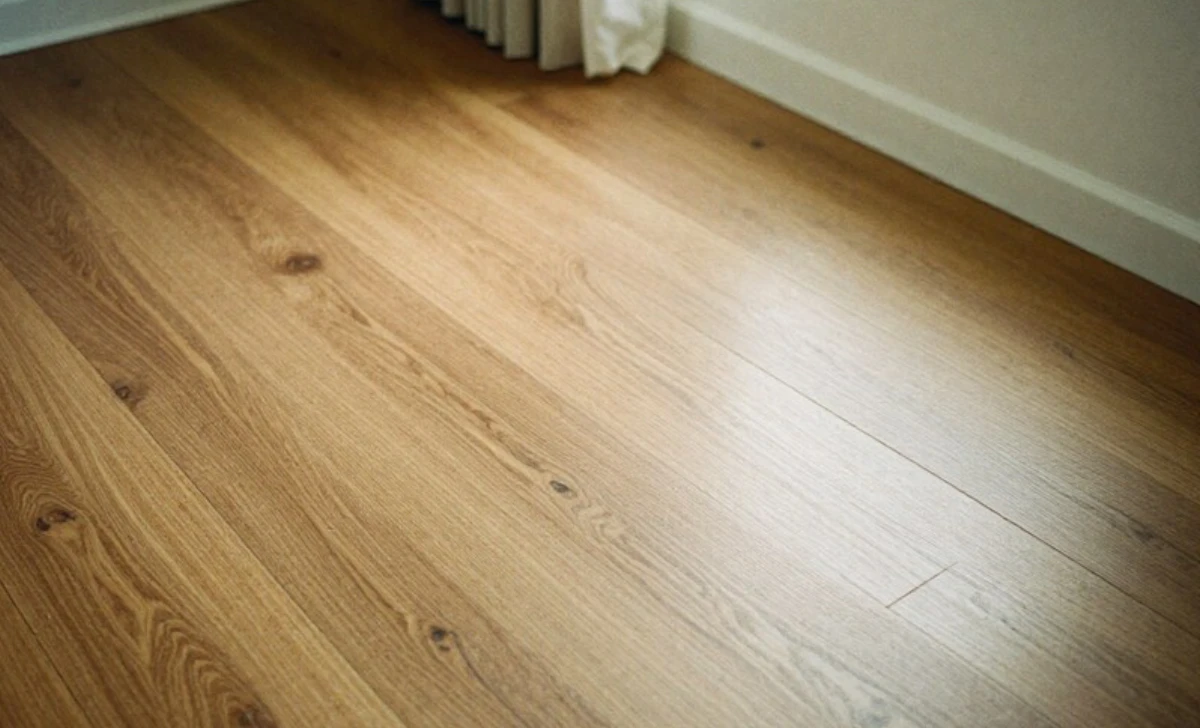
Vinyl plank flooring works in most areas of your home. Here’s where it performs best.
Kitchens: Waterproof construction handles spills easily. Softer than tile, making it more comfortable to stand on. Resists stains from food and grease.
Bathrooms: Completely waterproof options protect against moisture damage. Won’t warp or swell like laminate. Easy to clean and maintain.
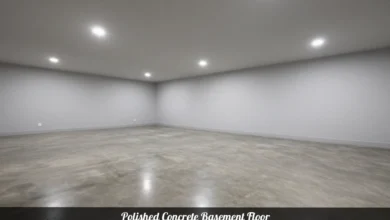
Basements: Moisture resistance prevents mold and mildew growth. Works directly over concrete subfloors. Adds warmth compared to tile or bare concrete.
Living Rooms and Bedrooms: Comfortable underfoot with attached padding. Quieter than tile or hardwood. Wide variety of wood-look options.
Avoid using vinyl plank flooring in direct sunlight areas without UV protection. Extended sun exposure can fade colors over time.
Comparing Vinyl Plank to Other Flooring
How does vinyl stack up against traditional options?
Vinyl vs. Hardwood: Vinyl costs $2 to $7 per square foot. Hardwood costs $8 to $15 per square foot. Vinyl is waterproof. Hardwood needs refinishing every 10-15 years. Vinyl installation is easier and faster.
Vinyl vs. Laminate: Both cost similarly. Vinyl handles water better. Laminate can swell and warp when wet. Vinyl feels softer underfoot. Laminate sounds more hollow without underlayment.
Vinyl vs. Tile: Vinyl costs less than most tile. Vinyl is warmer and softer. Tile lasts longer but requires grout maintenance. Vinyl installation takes less time.
Maintenance and Cleaning Tips
Vinyl plank flooring requires minimal maintenance compared to other options.
Daily Care: Sweep or vacuum regularly to remove dirt and debris. Use a soft-bristle attachment to avoid scratching the wear layer.
Weekly Cleaning: Mop with a pH-neutral cleaner designed for vinyl. Avoid harsh chemicals, abrasive tools, or excessive water. Damp mop only, never saturate the floor.
Stain Removal: Wipe spills immediately to prevent staining. For stubborn marks, use a soft cloth with mild dish soap and water. Test cleaning products in an inconspicuous area first.
Long-Term Care: Place felt pads under furniture legs. Use rugs in high-traffic areas. Avoid dragging heavy objects across the floor.
With proper care, high-quality LVP can last 20-30 years, especially when backed by strong warranties.
Key Factors When Choosing Vinyl Plank
Focus on these specifications when comparing products.
Wear Layer Thickness: Measured in mils (thousandths of an inch). Thicker wear layers last longer. Residential spaces need a minimum of 12 mil. High-traffic areas require 20+ mil.
Plank Thickness: Ranges from 2mm to 8mm. Thicker planks feel more solid and hide subfloor imperfections better. They also provide better sound insulation.
Core Type: SPC cores handle temperature changes better. WPC cores feel more comfortable and reduce noise. Choose based on your installation location and priorities.
Warranty Coverage: Look for lifetime residential warranties. Check if pet damage is covered. Understand what voids the warranty.
Installation System: Click-lock systems are DIY-friendly. Glue-down requires professional installation. Consider your skill level and budget.
Common Mistakes to Avoid
These errors can compromise your flooring investment.
Skipping Subfloor Preparation: Uneven subfloors cause planks to separate or crack. Always level and clean the surface before installation.
Ignoring Acclimation Time: Let planks sit in the installation room for 48 hours. This allows them to adjust to temperature and humidity.
Installing in Extreme Temperatures: Don’t install below 55°F or above 95°F. Temperature affects how planks expand and contract.
Forgetting Expansion Gaps: Leave 1/4 inch gaps around room perimeters. Planks need space to expand and contract with temperature changes.
Choosing Based Only on Price: The cheapest option often has thin wear layers that show damage quickly. Balance cost with quality and warranty.
Final Thoughts
Vinyl plank flooring offers an affordable alternative to hardwood without sacrificing style. The waterproof construction, easy maintenance, and realistic appearance make it practical for busy households.
Expect to spend $3.50 to $10 per square foot installed for quality products. Click-lock installation works for most DIY homeowners. Budget extra for subfloor preparation and old flooring removal.
Choose brands with strong warranties and wear layers above 12 mil. Compare samples in your home’s lighting before making final decisions. Consider hiring professionals for large projects or complex layouts.
The right vinyl plank flooring can transform your space while staying within budget. Research options, read warranties carefully, and don’t rush your decision.
FAQs
Is vinyl plank flooring good for bathrooms?
Yes. Waterproof vinyl plank handles moisture better than hardwood or laminate. Choose rigid core options with sealed edges for maximum water protection.
Can you install vinyl plank over existing flooring?
Sometimes. You can install over existing vinyl or tile if the surface is level and smooth. Remove carpet, damaged floors, or anything with significant height differences.
Does vinyl plank flooring increase home value?
Moderately. It doesn’t add value like hardwood, but it won’t detract either. Buyers appreciate low-maintenance, waterproof flooring in kitchens and bathrooms.
How long does vinyl plank flooring last?
Quality vinyl plank lasts 15-25 years with proper maintenance. Premium products with thick wear layers can reach 30 years. Lifespan depends on traffic levels and care.
Can you refinish vinyl plank flooring?
No. Unlike hardwood, you cannot sand or refinish vinyl planks. Replace damaged planks individually or replace the entire floor when it shows significant wear.