Underdecking in Canton, GA: Turn Your Wet, Wasted Space Into a Year-Round Outdoor Room
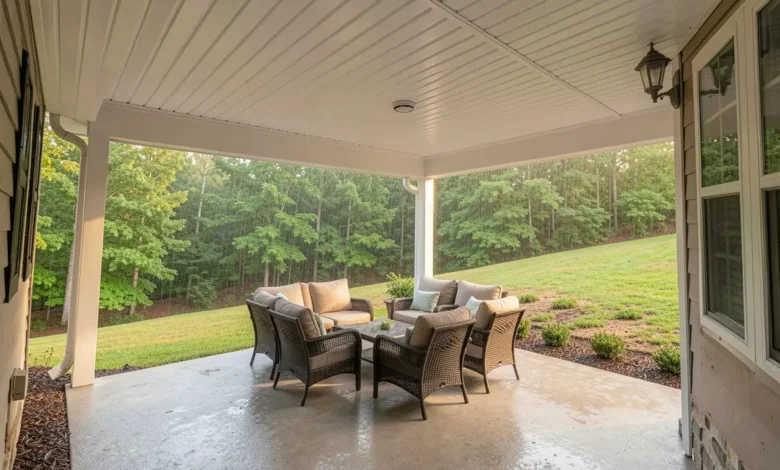
If you have a second-story deck in Canton, GA, you already know what happens underneath it every time it rains. That space turns into a dripping, muddy mess — completely unusable. Maybe you’ve been ignoring it for years, stacking old chairs under there and calling it storage. But that square footage is costing you real money in lost outdoor living space, and it doesn’t have to.
Underdecking in Canton, GA is one of the fastest-growing home upgrades in the area, and for good reason. It takes that forgotten wet zone and turns it into a covered patio, outdoor kitchen space, or a dry storage area that actually works. This guide breaks down exactly what it is, why it matters here specifically, and what you should know before hiring anyone.
What Is an Under-Deck System and Why Does It Matter in Canton?
An under-deck system is a ceiling and drainage solution installed beneath an elevated deck. It captures rainwater that passes through your deck boards, channels it away from the structure, and gives you a dry, finished-looking ceiling underneath.
Canton sits in Cherokee County, and like most of North Georgia, it gets consistent rainfall — averaging around 55 inches per year. That’s well above the national average. For homeowners with raised decks, that rain doesn’t just fall into the yard. It soaks into exposed framing, drips onto anything stored below, and makes the under-deck area completely off-limits during any weather event.
An under-deck drainage system solves this at the structural level. Water hits the ceiling panels, moves through channels, and exits through a gutter system at the perimeter — keeping everything below completely dry.
The Real Cost of Ignoring That Under-Deck Space
Here’s the thing most homeowners don’t think about: that unused space has a dollar value. In Canton and surrounding Cherokee County, the average home with a second-story deck has anywhere from 200 to 600 square feet of under-deck space sitting completely unused.
If you’re spending money on a pergola, a screened porch, or a paver patio somewhere else in your yard to get usable outdoor space, you’re essentially paying for square footage you already own. Underdecking converts what you have into what you need — without an addition, without permits in most cases, and without tearing anything apart.
The cost of a professionally installed under-deck ceiling system in the Canton area typically runs between $20 and $35 per square foot, depending on materials, access difficulty, and whether drainage integration is included. For a 300-square-foot under-deck area, that’s roughly $6,000–$10,500. That’s real money, but compare it to a full-screened porch addition, which regularly exceeds $25,000–$40,000 in this market, and the math starts looking very different.
What You Actually Get: Benefits Worth Talking About
- A dry, functional outdoor living space. The most obvious outcome — but it’s worth being direct about it. Once an under-deck system is installed, you can put furniture, lighting, a TV, or a grill under there and use it regardless of the weather.
- Protection for your deck structure. Water sitting in and around the deck framing accelerates rot and shortens the life of the entire structure. A properly installed under-deck drainage system redirects water before it can do that damage.
- Increased home value. Usable outdoor living space is one of the consistently valued features in the North Georgia real estate market. A finished, weatherproof under-deck area adds functional square footage that shows well in listings.
- Lower maintenance overhead. Once installed, quality systems require minimal upkeep — mostly keeping gutters clear. There’s no painting, no staining, no annual waterproofing treatments.
- Year-round usability. Canton summers are hot and humid, but the shade under a deck combined with a dry overhead system makes the space genuinely comfortable from spring through fall. Add a ceiling fan and string lights, and you have an outdoor room that gets used.
How Under-Deck Installation Actually Works
The process isn’t complicated, but it does require precision. Here’s a straightforward breakdown of how professional installation goes:
A contractor begins by assessing the existing deck framing — checking for rot, confirming structural integrity, and measuring the full area. Then they install an aluminum drainage channel system that attaches directly to the joists. These channels are angled to direct water toward a perimeter gutter.
Next comes the ceiling material itself, typically aluminum or vinyl tongue-and-groove panels that clip into the channels. These panels are rot-proof, insect-resistant, and designed to handle the moisture load without warping or sagging. The perimeter gutter ties into a downspout that carries water away from the foundation.
The entire installation for a standard under-deck area in the 300–400 square foot range typically takes one to two days with a professional crew. You won’t need to vacate your home, and the work doesn’t disrupt the deck above at all.
If you want to see what a well-executed system looks like and understand what professional installation involves, the team at Rooftastic offers detailed under-deck drainage system solutions worth reviewing before you start getting quotes.
Canton, GA-Specific Considerations
A few things make underdecking in this market slightly different from a generic installation guide:
1. Climate
North Georgia’s combination of heavy spring rain and humid summers means you want a system built for high moisture volume. Cheap DIY kits handle drizzle. They don’t handle a Cherokee County spring storm. Material quality and proper gutter sizing matter more here than in drier climates.
2. Sloped lots
Canton has significant topographic variety — many homes sit on sloped lots where the under-deck space is taller on one side than the other. This affects both the access complexity and the drainage slope design. A contractor who works locally will account for this automatically. One who doesn’t know the terrain might miss it.
3. HOA considerations
Some neighborhoods in Canton and the surrounding areas have HOA guidelines around exterior modifications. Under-deck systems are typically considered improvements rather than additions and don’t usually require permits, but it’s worth a quick check before you sign anything.
4. Seasonal timing
The best time to install is late fall or early spring, before the heavy rain season. You’ll also get better contractor availability and potentially better pricing outside of peak summer scheduling.
Covered Patio Under Deck vs. Standalone Patio Cover
A question that comes up often: should you install an under-deck system, or just build a freestanding patio cover somewhere else in the yard?
The answer depends on what you already have. If you have a raised deck, using the under-deck space is almost always more cost-effective per square foot than building a new structure from scratch. You’re using existing framing as the skeleton — you’re just adding a ceiling and drainage layer.
If your deck is a ground-level deck or has very low clearance underneath (less than 6–7 feet), an under-deck system won’t give you functional space even if it manages water. In that case, a separate structure makes more sense.
For most Canton homeowners with a standard second-story deck, the under-deck route wins on cost, timeline, and convenience.
FAQs
How long does an under-deck system last?
Quality aluminum systems are rated for 20–30+ years. They don’t rot, they don’t need painting, and they hold up against North Georgia’s weather load without issue.
Does it require a building permit in Canton?
In most cases, no — under-deck ceiling systems are classified as improvements, not structural additions. That said, Canton and Cherokee County guidelines can vary, and your contractor should confirm before starting work.
Can I install an under-deck system myself?
Technically, yes, but the drainage slope and gutter integration require precision. A poor slope means water pools instead of draining, which creates exactly the moisture problems you’re trying to solve. For most homeowners, professional installation is worth the cost to avoid a redo.
What maintenance does it require?
Mostly gutter cleaning — one or two times per year in Canton, given the tree coverage in many neighborhoods. The panels themselves don’t need treatment or repainting.
Can I add lighting or a fan to the under-deck ceiling?
Yes. Most systems are designed to accommodate electrical runs through or along the framing. Ceiling fans and recessed lighting are common additions that make the space significantly more usable in summer.
How much does underdecking cost in Canton, GA?
Expect $20–$35 per square foot for professional installation with drainage included. Material quality, access difficulty, and whether electrical work is added all affect the final number. Get at least three local quotes before committing.
The Bottom Line
If you have an elevated deck in Canton and that under-deck space is sitting unused, you’re leaving real, livable square footage on the table. An under-deck drainage system is one of the few home upgrades that solves a specific functional problem, adds living space, and protects your existing investment all at once.
The key is hiring someone who knows North Georgia’s rainfall patterns, understands local lot conditions, and installs a system built to actually handle the volume of water this area produces. The difference between a system that works and one that fails is almost always in the drainage design and material quality — not something you want to find out the hard way mid-April.