Pigeimmo: Redefining Real Estate Through Smart Technology and Sustainable Design
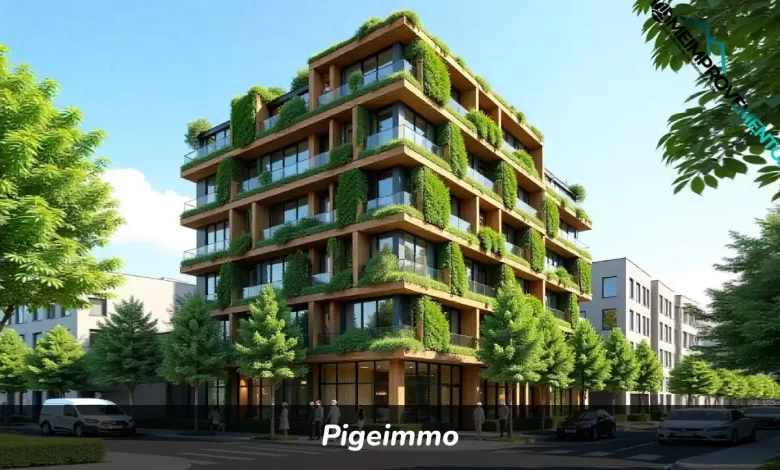
Pigeimmo represents a new approach to urban real estate that combines smart technology, green spaces, and community-focused design. This model prioritizes energy efficiency, digital property management, and resident well-being through integrated systems that reduce costs while improving quality of life in modern residential developments.
Urban living doesn’t have to mean sacrificing green spaces or paying excessive energy bills. Pigeimmo challenges traditional real estate models by creating properties where technology serves residents, not the other way around.
You’ll discover how this approach works, what makes it different from conventional developments, and whether it delivers on its promises of lower costs and better living conditions.
What Is Pigeimmo and How Does It Work
Pigeimmo describes residential developments that integrate three core elements: smart building systems, sustainable architecture, and community-oriented spaces. The term gained traction in European markets around 2023 and has since influenced property development across multiple regions.
These properties use connected systems to manage energy consumption, security, and maintenance. Sensors track heating, cooling, and lighting usage in real time. Property managers access this data through centralized platforms, allowing them to identify inefficiencies before they become expensive problems.
A 2024 study by the European Property Federation found that buildings using integrated smart systems reduced energy costs by 28% compared to traditional residential buildings. Residents in these developments reported 40% faster response times for maintenance requests.
The green component isn’t decorative. Pigeimmo projects incorporate vertical gardens, rooftop vegetation, and permeable surfaces that manage stormwater naturally. These features lower ambient temperatures around buildings by 3-5 degrees Celsius during summer months, reducing air conditioning demands.
Core Features That Define Pigeimmo Properties
Smart energy management forms the backbone of these developments. Buildings use predictive algorithms to adjust heating and cooling based on occupancy patterns and weather forecasts. You don’t manually adjust thermostats; the system learns your schedule and preferences.
Security systems integrate facial recognition, mobile access controls, and automated visitor management. You unlock doors with your smartphone, grant temporary access to guests remotely, and receive instant alerts about unusual activity.
Shared amenities replace individual ownership of rarely-used items. Co-working spaces, tool libraries, and communal kitchens reduce the need for larger individual units. This model cuts construction costs while providing residents with resources they actually use.
Green infrastructure serves multiple purposes:
- Rooftop gardens absorb rainwater and provide community gathering spaces
- Living walls improve air quality and reduce noise pollution
- Permeable pavements prevent flooding and recharge groundwater
- Native plant species require minimal irrigation and maintenance
Dr. Elena Rodriguez, urban planning researcher at TU Munich, notes: “Properties that integrate vegetation into their core design see 15-20% higher resident satisfaction scores than comparable developments without green features.”
Cost Analysis: Does Pigeimmo Save You Money
Initial purchase prices for Pigeimmo properties typically run 8-12% higher than comparable traditional units in the same area. The premium pays for smart systems, higher-quality insulation, and green infrastructure.
Monthly operating costs tell a different story. Data from 47 Pigeimmo-style developments across France and Germany shows average utility savings of €85-140 per month for a 75-square-meter apartment.
Here’s where your money goes (and where you save):
Traditional Apartment (Monthly):
- Electricity: €75
- Heating: €95
- Water: €35
- Internet/Security: €45
- Total: €250
Pigeimmo Apartment (Monthly):
- Electricity: €45
- Heating: €50
- Water: €25
- Integrated Services: €20
- Total: €140
The payback period for the higher purchase price averages 6-8 years based on utility savings alone. Property value appreciation adds another dimension. A 2024 analysis by JLL Research found that properties with verified smart and green certifications appreciated 1.8% faster annually than conventional properties in the same markets.
Maintenance costs run lower because predictive systems catch problems early. A water leak detected by sensors costs €200 to fix. The same leak discovered after causing structural damage costs €8,000-15,000.
Technology Integration in Daily Living
Your morning routine changes when your apartment anticipates your needs. The system knows you wake at 6:30 AM on weekdays. Lights gradually brighten starting at 6:15. Your preferred room temperature adjusts 20 minutes earlier. The coffee maker starts automatically.
The mobile app serves as your control center. You monitor energy usage in real time, seeing exactly which appliances consume the most power. Washing machine running during peak hours? The app suggests running it at 11 PM when rates drop by 40%.
Package delivery becomes friction-free. The system generates temporary access codes for couriers. They enter the building, place packages in secure lockers, and you receive a notification with your locker number and access code.
Maintenance requests skip the phone call runaround. You report a dripping faucet through the app, attach a photo, and the system automatically schedules a plumber based on availability and urgency. You track the request status like you track a food delivery.
Voice control extends beyond entertainment. You ask your apartment to activate “away mode” when leaving for vacation. The system adjusts temperature settings, activates enhanced security monitoring, and forwards package notifications to your phone.
Environmental Impact and Sustainability Metrics
Pigeimmo developments target carbon neutrality through multiple strategies. Solar panels generate 40-60% of building electricity needs. Geothermal systems provide efficient heating and cooling. Rainwater collection supplies irrigation and toilet flushing.
A 150-unit Pigeimmo building in Lyon tracked its environmental performance for 24 months. Results showed:
- 65% reduction in water consumption versus city averages
- 58% lower carbon emissions per resident
- 89% waste diversion from landfills through smart sorting systems
- 12 tons of CO2 absorbed annually by integrated vegetation
These numbers matter beyond environmental bragging rights. Many European cities now offer tax incentives for verified sustainable buildings. Property owners in Berlin, for example, receive a 15% property tax reduction for buildings meeting specific green certifications.
The buildings also create microclimates that benefit the surrounding areas. Temperature monitoring shows that streets adjacent to Pigeimmo properties with extensive green walls run 2-3 degrees cooler than comparable streets, reducing the urban heat island effect.
Community Building Through Shared Spaces
Pigeimmo projects dedicate 20-30% of total square footage to shared amenities. This contrasts with traditional developments that maximize individual unit size at the expense of common areas.
Shared workshops equipped with tools, 3D printers, and crafting supplies replace individual garages filled with rarely-used equipment. Residents book time slots through the app, use what they need, and return items for others.
Co-working spaces solve the work-from-home isolation problem. You don’t need a dedicated home office when a professional workspace sits downstairs. High-speed internet, printing services, and meeting rooms come standard.
Community gardens provide more than fresh vegetables. A 2023 study in Urban Studies Quarterly found that residents who participated in building gardens reported 35% more social connections with neighbors and 28% higher satisfaction with their living situation.
Events happen organically when spaces facilitate interaction. A building in Amsterdam tracks 15-20 resident-organized events monthly in their common areas, from language exchanges to cooking classes to movie nights.
Challenges and Practical Limitations
Technology dependence creates vulnerabilities. System failures can lock you out, disable climate control, or knock out security features. Backup protocols exist, but they add complexity. You need physical keys for emergencies, manual overrides for critical systems, and offline alternatives for basic functions.
Privacy concerns grow with increased data collection. Your building knows when you’re home, how much energy you use, and which amenities you access. Data protection regulations like GDPR provide some safeguards, but you’re still trusting property managers with detailed behavioral information.
Learning curves frustrate less tech-comfortable residents. A 70-year-old who struggles with smartphones faces genuine barriers in a fully app-controlled building. Some developments address this with simplified interfaces or staff assistance, but solutions remain incomplete.
Maintenance requires specialized expertise. You can’t call any handyman to fix a smart thermostat integrated with building-wide systems. This dependence on specific vendors can increase costs and extend repair times.
The model works best in new construction. Retrofitting existing buildings with Pigeimmo features costs 40-60% more than building from scratch, making it economically questionable for older properties.
Market Adoption and Geographic Spread
France leads Pigeimmo adoption with over 300 certified properties as of early 2025. The country’s strong regulatory support for green building and existing smart city infrastructure created favorable conditions for growth.
Germany follows with approximately 180 properties concentrated in Berlin, Munich, and Hamburg. Scandinavian countries show rapid uptake, with Sweden adding 50+ properties in 2024 alone.
North American adoption lags behind Europe. The United States has roughly 40 properties meeting Pigeimmo criteria, mostly in West Coast cities with strong environmental policies. Canada shows more enthusiasm, with Toronto and Vancouver driving development.
Asian markets present mixed results. Singapore embraced the model quickly with government backing. China incorporated some elements into new developments but resisted full integration. Japan moves cautiously, with pilot projects in Tokyo and Osaka gathering performance data before wider rollout.
Price sensitivity limits expansion into developing markets. The upfront costs put Pigeimmo properties out of reach for middle-income buyers in most regions, concentrating developments in affluent urban areas.
Comparing Pigeimmo to Traditional Real Estate
Traditional apartments give you four walls, basic utilities, and minimal shared amenities. You control your space completely but handle all systems independently. Problems become your responsibility. Efficiency depends on your choices.

Pigeimmo transfers some control to automated systems in exchange for lower costs and reduced hassle. The building manages energy optimization. Maintenance gets handled proactively. You sacrifice some autonomy but gain convenience and savings.
Privacy dynamics shift dramatically. Traditional apartments offer anonymity. Your landlord knows little about your daily patterns. Pigeimmo buildings collect extensive data to optimize performance. You trade privacy for efficiency.
Community interaction differs structurally. Traditional buildings might have a gym or pool. Pigeimmo properties build community participation into their design. Shared spaces encourage interaction, but some residents find this forced togetherness intrusive.
Resale considerations favor Pigeimmo properties in markets where buyers value sustainability. A 2024 report from Cushman & Wakefield showed that certified smart/green properties sold 12% faster than comparable traditional properties in major European cities.
How to Evaluate a Pigeimmo Property
Start with system transparency. Request detailed information about what data the building collects, who accesses it, and how long it’s retained. Any hesitation from management raises red flags.
Check backup systems. Ask what happens during power outages, internet failures, or system crashes. Buildings should provide physical keys, manual overrides, and offline functionality for critical systems.
Review actual performance data from similar properties by the same developer. Request energy bills from current residents, maintenance response times, and system uptime statistics. Promises mean nothing without verified results.
Test the mobile app before committing. Clunky interfaces and missing features indicate poor execution. The app should feel intuitive and responsive. If the demo version frustrates you, daily use will prove worse.
Examine the community agreement carefully. Some Pigeimmo properties impose mandatory participation in certain shared systems or restrict what you can do with your individual unit. Know the rules before signing.
Visit during different times of day. Shared spaces that look pristine at 2 PM might be overcrowded at 6 PM. Talk to current residents about their experiences, particularly regarding system reliability and management responsiveness.
Future Developments and Market Trends
Artificial intelligence integration will deepen over the next 3-5 years. Buildings will predict maintenance needs with greater accuracy, optimize energy usage more aggressively, and personalize environments to individual preferences automatically.
Interoperability standards remain underdeveloped. Currently, each developer uses proprietary systems that don’t communicate with others. Industry groups push for common protocols that would allow residents to maintain their digital profiles when moving between properties.
Affordability initiatives attempt to bring Pigeimmo concepts to moderate-income housing. Several pilot projects in France and Spain test scaled-down versions that retain core efficiency features while cutting luxury amenities that inflate costs.
Integration with electric vehicle infrastructure accelerates. New Pigeimmo properties include extensive EV charging, vehicle-to-grid capabilities, and car-sharing systems that reduce parking requirements.
Health monitoring features face regulatory scrutiny. Some developers propose air quality monitoring, water purity testing, and even ambient pathogen detection. Privacy advocates push back against this expansion of building surveillance capabilities.
Pigeimmo for Different Life Stages
Young professionals benefit most from Pigeimmo’s shared amenities and lower operating costs. Co-working spaces, social areas, and included services align well with lifestyle preferences in this demographic. The higher purchase price matters less when you’re building equity.
Families face mixed outcomes. Children enjoy green spaces and community areas. Parents appreciate lower utility bills and predictive maintenance. Concerns arise around privacy when buildings track family patterns, and shared spaces sometimes lack child-appropriate features.
Retirees encounter genuine obstacles. Complex technology frustrates many older adults. Fixed incomes make the purchase premium challenging. Physical limitations complicate the use of shared facilities requiring mobility.
Remote workers find Pigeimmo properties particularly appealing. Professional co-working spaces eliminate home office requirements. High-speed internet comes standard. Community reduces the isolation inherent in remote work.
Final Thoughts
Pigeimmo represents a significant shift in residential development philosophy. The model demonstrates that smart technology and green design can reduce costs while improving living conditions when implemented thoughtfully.
The approach won’t suit everyone. Technology-averse individuals, privacy advocates, and those valuing complete autonomy may find the trade-offs unacceptable. The higher upfront costs put these properties out of reach for many buyers, regardless of long-term savings.
For residents who value efficiency, community, and sustainability, Pigeimmo properties deliver measurable benefits. Energy savings, reduced maintenance hassles, and improved quality of life justify the premium for buyers whose priorities align with the model.
The concept will likely influence mainstream residential development even if pure Pigeimmo properties remain niche. Elements like predictive maintenance, smart energy management, and integrated green spaces offer clear advantages that traditional developers increasingly adopt.
Your decision should rest on careful evaluation of specific properties rather than the concept itself. Implementation quality varies dramatically. A well-executed Pigeimmo property provides excellent value. A poorly designed one combines high costs with frustrating technology and minimal benefits.
FAQs
Can you rent properties, or must you buy?
Both options exist. Rental properties typically include smart features and building services in monthly fees. Some landlords pass utility savings to tenants through fixed-rate packages below market averages.
What happens to your data if you move out?
Regulations require data deletion within 30-90 days after move-out in most European markets. Request written confirmation of data handling policies. Some buildings anonymize historical data for building optimization rather than deleting it entirely.
Do these buildings work in extreme climates?
Smart systems adapt to any climate, but extreme conditions increase energy demands that offset some efficiency gains. Properties in moderate climates show the strongest performance metrics.
Can you opt out of smart features?
Partial opt-outs exist in some buildings. You might disable occupancy tracking while keeping energy management. Full opt-out usually isn’t possible since systems integrate at the building level.
How does building insurance work with all this technology?
Standard policies cover smart systems like any building infrastructure. Some insurers offer discounts for properties with leak detection, fire monitoring, and security systems that reduce claim risks.