Is Madbox Real Estate Worth It? 2025 Pros, Cons, and Pricing
In 2025, with housing prices soaring and sustainable living at the forefront, could Madbox real estate—innovative container homes—be the budget-friendly dwelling you’ve been searching for? The shipping container homes market is projected to grow from $70 billion to over $126 billion by 2034, reflecting a surge in demand for affordable prefab homes. Amid economic uncertainty and a push for eco-friendly building, Madbox, a Texas-based container home innovator, offers expandable tiny houses that promise affordability and sustainable architecture. These homes appeal to buyers seeking modern container conversions without breaking the bank.
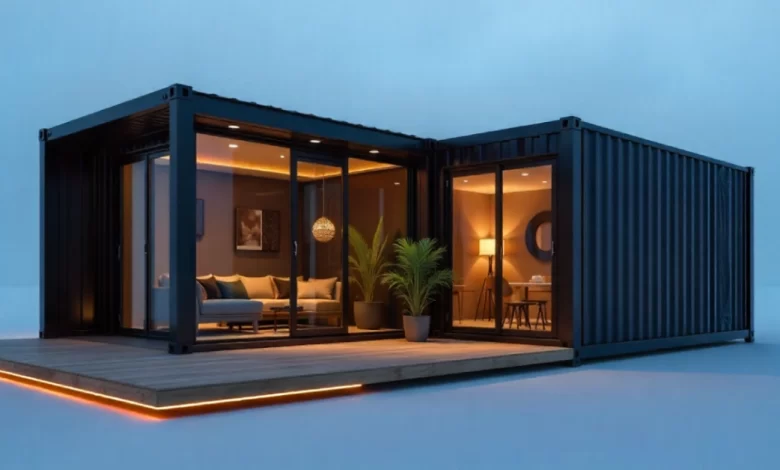
Madbox, headquartered in Texas, specializes in shipping container transformations, turning industrial steel boxes into modular housing options with modern amenities. Their flagship Manarola Tiny House, a 480-square-foot expandable living space, includes two bedrooms, a luxury bathroom, and a kitchen with smart home integrations like Alexa. Whether you’re a first-time buyer, a remote worker, or exploring container office spaces, Madbox real estate delivers portable housing solutions that ship across the United States, including Hawaii and Alaska. But is it worth your investment?
Let’s explore the pros, cons, pricing, and how Madbox compares to competitors like Boxabl, Honomobo, and SG Blocks Inc. to help you decide if these green real estate options fit your needs.
What Is Madbox Real Estate? An Overview
Madbox Real Estate, a leader in modular prefab houses, transforms recycled shipping containers into stylish, eco-friendly designs. Based in Texas, Madbox showcases its tiny home designs on platforms like Facebook and TikTok, where you can see virtual property tours. Unlike traditional homes, their expandable tiny houses are foldable for nationwide prefab delivery, making them accessible even in remote areas like Canada or North America. Their standout Manarola Tiny House offers 480 square feet with luxury bathroom features like rain showers, a full kitchen, and smart home integrations such as voice-controlled lights. Smaller models (320–400 square feet) cater to container office spaces or one-bedroom homes, offering modular housing options for residential or commercial use.
What sets Madbox apart? Their focus on sustainable living uses recycled materials in housing to reduce waste, paired with insulation for energy efficiency to lower bills. These insulated shipping containers are built for quick setup, ideal for off-grid container living or urban settings. In 2025, Madbox has expanded its nationwide shipping capabilities, tapping into the growing demand for affordable modular homes as traditional housing costs climb. Their modern container conversions blend industrial home aesthetics with practicality, making them a top pick for eco-conscious buyers across the United States and beyond.
Pros of Investing in Madbox Real Estate in 2025
Madbox real estate shines in the container homes 2025 market with several advantages that make shipping container transformations appealing for those seeking sustainable architecture. Here’s why they stand out:
- Affordability and Value: Starting under $50,000, Madbox’s affordable prefab homes beat traditional home prices, which have skyrocketed in 2025. Perfect for first-time buyers or expandable living spaces like ADUs (accessory dwelling units).
- Eco-Friendly and Sustainable: Built from recycled materials, housing, these insulated shipping containers reduce environmental impact. Insulation for energy efficiency keeps costs low, aligning with eco-friendly building trends.
- Speed and Convenience: Portable housing solutions like Madbox’s foldable designs allow setup in days, not months, with nationwide shipping to places like Hawaii, Alaska, or Canada.
- Modern Amenities and Customization: From luxury bathroom features to smart home integrations (think Alexa and smart TVs), Madbox offers custom container builds that feel upscale yet practical.
- Investment Potential in 2025: With the container homes market growing, these modular prefab houses are great for rentals or flips, offering durability and industrial home aesthetics for long-term value.
TikTok and YouTube reviews highlight the efficiency of these energy-efficient tiny houses, with many praising Madbox’s affordability compared to the $80,000 average for custom container builds in 2025. For those eyeing green real estate options, Madbox delivers serious value.
Cons and Potential Drawbacks of Madbox Real Estate
No home is perfect, and Madbox real estate has challenges to consider before diving into shipping container homes. Here are the key drawbacks, drawn from sources like Reddit and YouTube:
- Hidden Costs in Setup: Base prices are low, but hidden costs in setup—like site prep, foundations, utilities, permits, and nationwide shipping—can add $10,000–$30,000, pushing totals closer to competitors like Custom Container Living or Bob’s Containers.
- Quality and Durability Concerns: While insulated shipping containers help, poorly modified containers can face rust, condensation, or temperature issues. Some reviews mention “hotbox” conditions in extreme climates like Texas or Canada.
- Space and Livability Limits: The Manarola Tiny House (480 sq ft) suits minimalists but feels cramped for families. Structural tweaks for expandable living spaces can weaken the frame.
- Zoning Regulations and Financing: Zoning for prefab homes varies by location, and 2025’s strict codes in some areas complicate permits. Banks often shy away from loans for modular housing options, requiring cash or specialty financing.
- Limited Feedback and Market Risks: Unlike Boxabl or Honomobo, Madbox has sparse reviews, with low Amazon ratings raising red flags. Market corrections in 2025 could affect investment potential in 2025, especially with prefab scams noted on X.
These issues, common in modern container conversions, mean you’ll need to research thoroughly to avoid surprises with affordable modular homes.
Madbox Real Estate Pricing in 2025: What to Expect
Pricing for Madbox real estate is a big draw in the container homes 2025 market. The Manarola Tiny House starts at $39,900–$49,900, while smaller tiny home designs (320–400 sq ft) range from $19,900–$24,900, ideal for container office spaces or minimalist homes. A $5,000 deposit is required, with financing available through partners, though terms depend on your credit.
Total costs depend on custom container builds (e.g., adding smart home integrations), nationwide prefab delivery, and installation. Hidden costs in setup, like permits or utilitie,s can inflate the price, but a fully built Madbox often undercuts the $80,000 average for shipping container homes in 2025. Economic factors, like potential material cost drops in China (a hub for CIMC and Maersk Container Industry), might bring deals via Amazon or social media.
Here’s a pricing table:
| Model | Size (sq ft) | Base Price | Key Features |
|---|---|---|---|
| Manarola Tiny House | 480 | $39,900–$49,900 | 2 bedrooms, luxury bathroom features, smart home integrations |
| Small Variant | 320–400 | $19,900–$24,900 | 1 bedroom/office, basic kitchen |
For investment potential in 2025, affordable prefab homes like Madbox offer savings over traditional homes, especially for off-grid container living.
How Madbox Stacks Up Against Competitors in 2025
Madbox real estate competes with big names like Boxabl, Honomobo, SG Blocks Inc., Giant Containers, Rhino Cubed, Hive Modular, Logical Homes, CargoHome, Backcountry Containers, and Custom Container Living in the modular prefab houses space. Here’s how it compares:
- Boxabl: Known for the Casita (~$60,000, 361 sq ft) and Baby Box ($19,999), Boxabl offers scalability but higher costs than Madbox’s affordable modular homes.
- Honomobo: The HO2 model ($200,000+) delivers premium eco-friendly designs but isn’t as portable as Madbox’s expandable tiny houses.
- Others: Rhino Cubed and CargoHome focus on tiny home designs, while SG Blocks Inc. and Giant Containers cater to larger projects. Backcountry Containers excels in off-grid container living.
Comparison table:
| Company | Model | Price Range | Pros | Cons |
|---|---|---|---|---|
| Madbox | Manarola | $39,900–$49,900 | Affordable, sustainable architecture, nationwide shipping | Sparse reviews, hidden costs in setup |
| Boxabl | Casita | ~$60,000 | Scalable, modern amenities | Pricier, longer waits |
| Honomobo | HO2 | $200,000+ | Premium eco-friendly building | Less portable, high cost |
For budget-friendly dwellings, Madbox vs. Boxabl 2025 favors Madbox for affordability and industrial home aesthetics. Check competitor sites for more.
Conclusion:
Madbox real estate offers compelling pros—affordability, sustainable living, and modern container conversions—making it a great fit for minimalists or investors eyeing container homes in 2025. However, hidden costs in setup and zoning regulations could challenge budgets or locations. If you’re drawn to energy-efficient tiny houses and can navigate the extras, Madbox’s portable housing solutions are worth a look.
Visit madboxtx.com for virtual property tours, confirm zoning for prefab homes in your area, or share your thoughts below. Are you considering shipping container homes?
FAQs About Madbox Container Homes
How much does a Madbox container home cost?
In 2025, basic single-container homes start from $25,000–$80,000, depending on size and features. Madbox’s expandable models typically range from $39,900–$49,900, but you’ll need to budget an extra $10,000–$30,000 for foundations, utilities, and permits. Compared to traditional homes, which average over $300,000, container homes can save significantly, especially with recycled materials.
What type of shipping containers are best for building?
Most builds use 20-foot or 40-foot dry containers for durability and weather resistance. High-cube containers (9.5 feet tall) provide more headroom. In 2025, “one-trip” containers cost $3,000–$6,000 each and last over 25 years with proper insulation. Avoid damaged or rusted containers unless inspected.
Should I build it myself or hire a contractor?
DIY can cut costs by 30–50%, but requires skills in welding, plumbing, and electrical work. Hiring a contractor ensures code compliance, faster timelines (1–2 months), and fewer mistakes. First-time builders should consider hiring a professional or at least consulting one.
How long does it take to build a Madbox container home?
Professional builds can be completed in 1–2 months. DIY projects often take 3–6 months, depending on your schedule, permit timelines, and weather. Modular designs speed things up by reducing on-site work.
Can I customise the design?
Yes. Popular Madbox designs feature modern minimalism, large windows, and eco-friendly elements like green roofs. In 2025, smart features such as solar panels and open layouts are trending. You can choose single-level or multi-storey builds depending on your land and budget.
Where can I legally build a container home?
Container homes are allowed in many states, but zoning laws vary. In 2025, rural areas in Texas, Wyoming, and parts of Oregon, California, and Nevada are popular due to flexible regulations. Always check local building codes before buying land.
How do I find a builder for my container home?
Look for specialists in modular or container home construction. Reputable builders like Backcountry Containers or Custom Container Living handle expandable designs similar to Madbox. Check licensing, reviews, and previous projects before hiring.