The Basement Design Trends Taking Over 2026 (Plus 82 Stunning Examples)
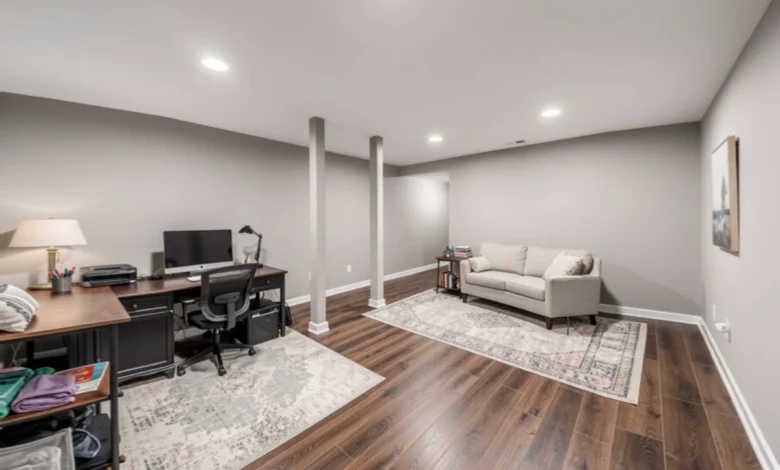
Your basement holds more potential than you realize. What sits beneath your feet right now could become your favorite room in the house. Homeowners across the country are transforming dark, cluttered lower levels into spaces that rival their main floors in style and function. The finished basement ideas dominating 2026 focus on creating rooms that feel intentional, livable, and anything but an afterthought.
This shift didn’t happen overnight. Rising home prices pushed people to maximize every square foot they already own. Remote work created demand for dedicated office spaces. The result? Basements evolved from storage dumps into legitimate living areas that add real value to homes.
Multi-Functional Spaces Lead the Pack
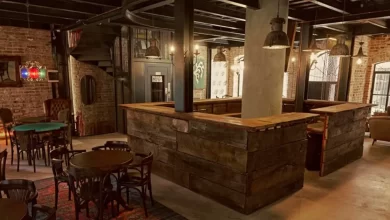
The days of single-purpose basements have ended. Modern basement design ideas embrace flexibility. Your lower level can serve multiple roles without feeling cramped or confused.
Take the basement that combines a home office with a guest suite. You work there during the week, then host visitors on weekends. Or consider the entertainment area that doubles as a kids’ playroom. Smart basement layout plans incorporate zones rather than walls, using furniture placement and area rugs to define different functions.
One homeowner in Portland converted their 800-square-foot basement into three distinct areas: a workout zone with rubber flooring, a lounge with comfortable seating, and a craft station with built-in storage. This approach costs less than building separate rooms and maintains the open feel that makes basements less cave-like.
Choose flooring that works for multiple uses. Luxury vinyl plank handles everything from yoga sessions to wine spills. Pick paint colors neutral enough for any activity. Invest in flexible lighting that adjusts from bright task lighting to dim ambient glow.
Natural Light Became Non-Negotiable
Basements no longer accept darkness as inevitable. The most popular basement remodeling ideas in 2026 prioritize bringing light below grade.
Walkout basements offer the easiest solution. French doors or sliding glass panels connect to backyard patios, flooding the space with daylight. Even fully underground basements find creative ways to brighten up. Egress windows, now required by code in bedrooms, do double duty as light sources.
When natural light proves impossible, artificial solutions step up. Recessed LED lighting creates even, shadow-free illumination that mimics daylight. Light-colored paint on walls and ceilings bounces light around. Mirrors placed across from windows or light fixtures make spaces feel larger and brighter.
A Chicago family transformed their windowless basement by painting everything white, installing 20 recessed lights on dimmers, and adding large mirrors on two walls. The investment in quality lighting paid off in daily livability.
Moisture Management Comes First
No amount of beautiful design matters if water wins. The smartest basement renovation ideas start with moisture control, not paint colors.
Water finds ways into basements through foundation cracks, poor grading, or high water tables. Before installing flooring or drywall, address the source. Grade soil away from your foundation. Clean gutters and extend downspouts at least six feet from the house. Seal foundation cracks.
Choose basement-appropriate materials. Luxury vinyl plank withstands occasional moisture better than hardwood. Moisture-resistant drywall costs slightly more but prevents future headaches. A dehumidifier rated for your square footage prevents mold and musty smells.
One Virginia homeowner spent $3,000 on waterproofing before starting their $25,000 basement finish. Three years later, while neighbors dealt with water damage, their basement stayed dry through multiple heavy rains.
Ceiling Height Dictates Design Direction
Your basement’s ceiling height shapes what’s possible. Standard basements measure 7-8 feet from floor to ceiling. This height works but requires strategic choices.
Low ceilings benefit from vertical visual tricks. Paint ceilings the same color as walls to blur boundaries. Choose low-profile furniture that doesn’t crowd the space. Recessed lighting preserves precious headroom better than hanging fixtures.
Drop ceilings provide access to plumbing and wiring while hiding ductwork. Modern alternatives use sleeker tiles in matte black or white that look intentional. Some homeowners paint exposed joists for an industrial aesthetic that increases perceived height.
A Denver couple with an 8-foot basement ceiling chose to drywall around major beams but leave minor ductwork exposed, painting everything matte black. Their basement feels spacious despite average dimensions.
Climate Control Separates Good from Great
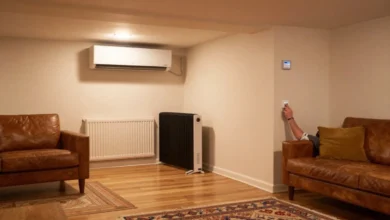
Temperature consistency makes or breaks basement livability. The best finished basement designs extend HVAC systems rather than relying on space heaters.
Basements run cooler than upper floors, which feels great in summer but chilly in winter. Extending your heating and cooling system provides even temperatures year-round. This addition costs $2,000-5,000 but transforms how often you use the space.
Insulate exterior walls even if they’re below grade. Insulate rim joists where the foundation meets the framing. Proper insulation makes HVAC systems work efficiently and keeps your basement comfortable.
An Ohio family added their basement to the main HVAC system when finishing it. The $3,500 expense seemed high until they realized they used their lower level every day instead of avoiding it during temperature extremes.
Sound Control Creates Privacy
Basement spaces need acoustic separation. Whether building a home theater or preventing noise from traveling upstairs, sound control matters.
Add insulation between ceiling joists during construction. Use two layers of drywall with Green Glue compound on walls and ceilings. Install solid core doors. Seal gaps around electrical boxes where sound sneaks through.
Hard surfaces bounce sound around. Add area rugs, upholstered furniture, and acoustic panels to absorb sound. These additions make spaces feel more finished while reducing noise.
A Michigan couple soundproofed their basement music studio with insulated walls and acoustic panels. Their teenage son practices drums without shaking the house. They spent $4,000 during construction, far less than the $10,000+ quote for retrofitting later.
Smart Storage Keeps Spaces Functional
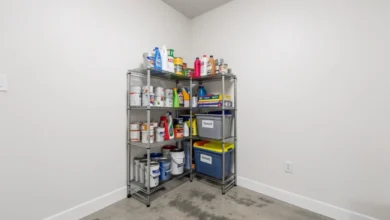
Finished basements still need storage. Built-in solutions work better than freestanding units that create clutter.
Under-stair storage maximizes dead space. Custom cabinets fit perfectly in awkward triangular areas. Built-in shelving provides storage without eating floor area. Window seat benches with lift-up tops store seasonal items while adding seating.
A Seattle homeowner built floor-to-ceiling cabinets painted to match their walls. The 12-foot run stores everything that previously cluttered their garage, but visitors don’t notice it’s there.
Color Choices Set the Mood
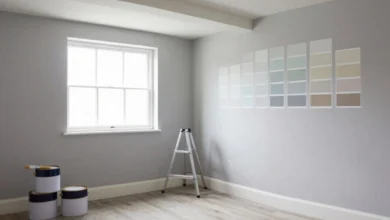
Paint color impacts how basements feel. Light colors remain the safest choice. White, cream, light gray, and soft blue reflect available light and make spaces feel larger.
Dark colors work when used strategically. Deep navy or charcoal creates cozy media rooms. Pair dark walls with excellent lighting and contrast to prevent cave-like feelings.
A Minnesota family painted their basement walls in Classic Gray with white trim. The combination feels modern while remaining neutral enough to work with any furniture style.
Return on Investment Justifies the Cost
Basement finishing pays back at resale and in daily living. The average basement renovation recoups 70-75% of its cost when you sell.
The real return comes from daily use. Families gain dedicated spaces without the $100,000+ cost of additions. Finishing basements costs $60-100 per square foot, far below the $200-300 for additions.
Most homeowners find middle-ground budgets deliver the best value. Quality materials, good lighting, proper HVAC, and thoughtful design create spaces you’ll actually use.
A California family spent $55,000 finishing their 900-square-foot basement. When they sold three years later, their appraiser valued the finished basement at $40,000 more than comparable homes with unfinished lower levels.
Your Basement Deserves This
The 82 finished basement ideas shown here prove what’s possible. Each space started as concrete walls and exposed joists. Homeowners transformed them through planning, smart materials, and functional design.
Start with moisture control and climate systems. Choose durable materials. Plan for lighting that makes the space livable. Design with your actual needs in mind.
The best basement becomes the room your family uses most. Give your lower level the same attention you’d give your kitchen. The result? Square footage that pays dividends in comfort, value, and quality of life.