Best Roofing Services in Baltimore: What Homeowners Need to Know
Your roof is leaking after a heavy storm, or you’ve noticed a few shingles missing after winter. You search online, get five different quotes, and suddenly have no idea who to trust or what you actually need. If that sounds familiar, you’re not alone — finding quality roofing services in Baltimore can feel overwhelming, especially when you don’t know what questions to ask.
This guide cuts through the noise. It covers what roofing services actually involve, what Baltimore homeowners specifically need to watch for, how to evaluate contractors, and what the whole process typically costs.
What Roofing Services in Baltimore Actually Cover
“Roofing services” is a broad term. Most people think it means replacing a roof, but a qualified Baltimore roofing contractor handles a much wider range of work:
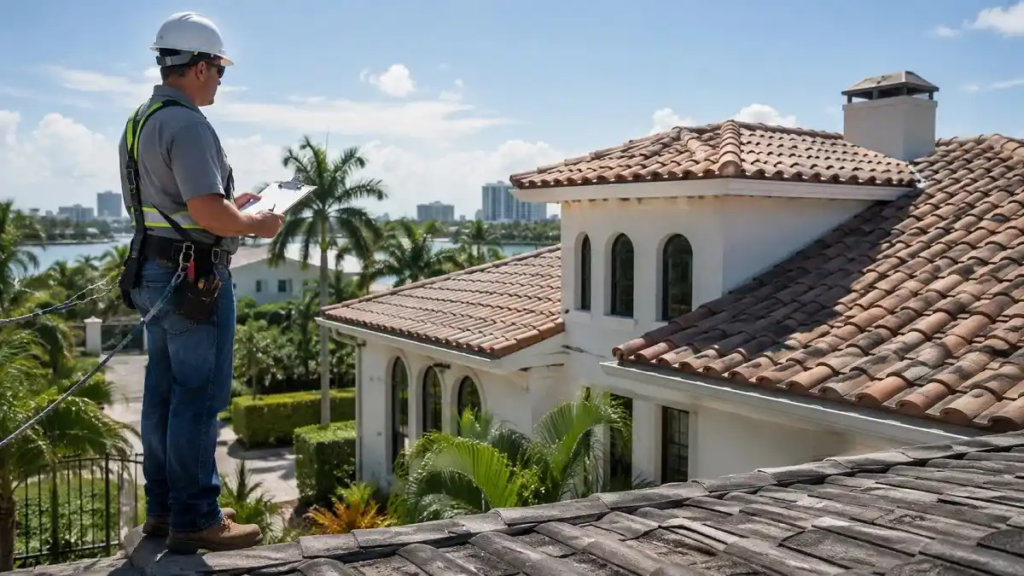
- Roof inspections — Assessing current condition, identifying weak points, checking flashing and drainage
- Roof repair — Fixing leaks, replacing damaged shingles, resealing flashing around chimneys and vents
- Full roof replacement — Removing old materials and installing a new roof system
- Emergency roofing — Temporary repairs after storm damage to prevent further water intrusion
- Gutter installation and repair — Often tied to roofing since drainage directly affects roof health
- Ventilation improvements — Addressing moisture buildup in attics, which accelerates roof deterioration
Baltimore’s climate makes nearly all of these relevant at some point. The city sees heavy snowfall, ice dams in winter, and intense summer humidity — all of which stress roofing materials in different ways.
Baltimore-Specific Roofing Challenges
Not every city puts the same demands on a roof. Baltimore has a few conditions that matter when choosing materials and contractors.
Ice dams and freeze-thaw cycles
Ice dams and freeze-thaw cycles are a real concern from December through February. When snow melts during the day and refreezes at night, water backs up under shingles and causes leaks that often don’t show up until spring. Proper attic insulation and ice-and-water shield installation are critical here — not every contractor does this by default.
Humidity and summer heat
Humidity and summer heat accelerate the aging of asphalt shingles. A roof that might last 25 years in a drier climate may start showing wear at 18–20 years in Baltimore’s humid summers. This is worth factoring in when choosing between standard and architectural shingles.
Older housing stock
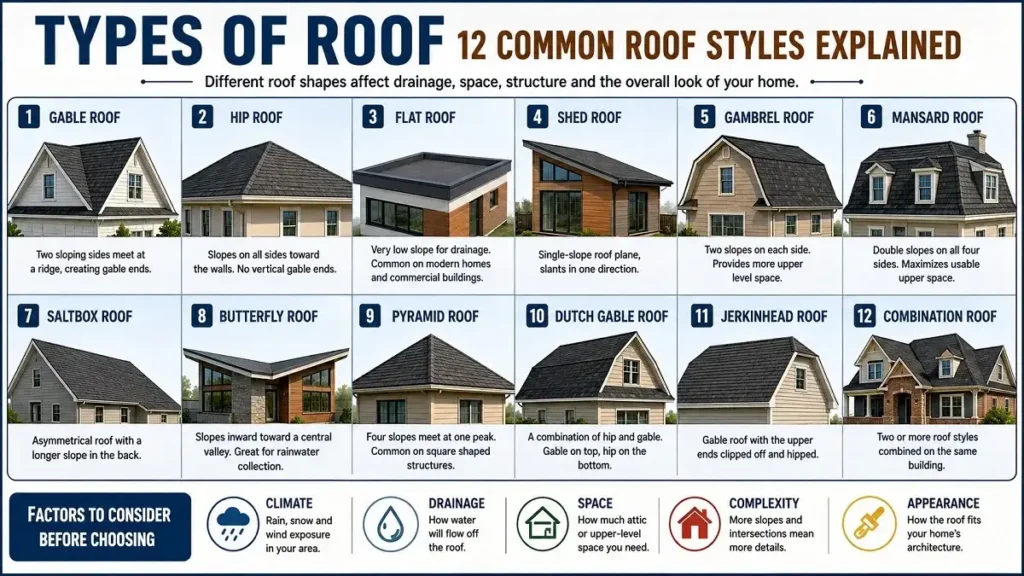
Older housing stock is another factor. Baltimore has a significant number of row homes and older residential properties, many with flat or low-slope roofs that use different materials and methods than pitched roofs. If your home has a flat roof, you need a contractor with specific experience in modified bitumen or EPDM rubber roofing, not just asphalt shingles.
Roofing Materials: What Works Best in Baltimore
The most common roofing material in Baltimore residential properties is asphalt shingles, and for good reason — they’re cost-effective, widely available, and perform reasonably well in Mid-Atlantic weather conditions.
Architectural (dimensional) shingles are the better choice over standard 3-tab shingles for most Baltimore homes. They’re thicker, more wind-resistant, and carry longer warranties. The price difference is relatively small compared to the performance gain.
For flat or low-slope roofs common in older Baltimore row homes, modified bitumen and TPO (thermoplastic polyolefin) are the two most used options. Modified bitumen is durable and handles temperature swings well. TPO is more energy-efficient and lighter.
Metal roofing has grown in popularity across the Baltimore area. It’s more expensive upfront but lasts significantly longer — 40 to 70 years with minimal maintenance — and handles ice and snow far better than asphalt.
How to Evaluate a Baltimore Roofing Contractor
This is where most homeowners go wrong. They get the lowest quote and hire based on price alone. That approach frequently results in poor workmanship, voided manufacturer warranties, or contractors who disappear after collecting payment.
Here’s what to actually check:
Licensing and insurance
In Maryland, roofing contractors must be registered with the Maryland Home Improvement Commission (MHIC). Ask for the license number and verify it on the state website. Also, confirm they carry both general liability insurance and workers’ compensation — if a worker is injured on your property without coverage, you may be liable.
Local track record
A contractor who has operated in the Baltimore area for several years has a verifiable reputation. Ask for references from local homeowners, not just online reviews. Check the Better Business Bureau for complaints.
Written contracts
Any legitimate contractor will provide a detailed written estimate covering materials, labor, timeline, cleanup, and warranty terms. If someone gives you a verbal quote and asks for cash, that’s a red flag.
Manufacturer certification
Roofing material manufacturers like GAF and CertainTeed have certified contractor programs. A certified installer can offer extended warranties (sometimes up to 50 years on materials and labor) that uncertified contractors simply can’t provide.
If you’re looking for a Baltimore roofing company with documented local experience and verified credentials, Falcon Roofing is one option worth reviewing — they serve the Baltimore area and offer both residential and commercial roofing work.
What Roofing Services Cost in Baltimore
Costs vary based on roof size, pitch, material choice, and extent of damage. That said, here are rough benchmarks based on current Baltimore market rates:
- Roof inspection: $150–$400 (some contractors offer free inspections)
- Minor repairs (a few shingles, small leak): $300–$900
- Moderate repairs (flashing replacement, larger leak area): $800–$2,500
- Full roof replacement (average Baltimore home, asphalt shingles): $8,000–$16,000
- Flat roof replacement (row home, modified bitumen): $4,000–$10,000
- Metal roof installation: $15,000–$30,000+
These numbers are starting points, not guarantees. Always get at least three written estimates before committing. Be skeptical of quotes significantly below market rate — they usually mean corner-cutting on materials or labor.
The Roof Replacement Process: What to Expect
If you’ve decided on a full replacement, here’s a general picture of what the process involves:
- Initial inspection and estimate — A contractor examines your current roof, assesses decking condition, and provides a written proposal.
- Material selection — You’ll choose shingle type, color, and any upgrades (ice-and-water shield, ridge vents, etc.).
- Tear-off — The old roofing material is removed. At this stage, any damaged decking boards are identified and replaced at additional cost.
- Installation — New underlayment, ice-and-water shield (especially critical in Baltimore), and then shingles or chosen material are installed.
- Cleanup and inspection — A quality contractor will use magnetic rollers to collect roofing nails from your yard and do a final walkthrough with you.
- Permit and inspection — In Baltimore City and most surrounding counties, a permit is required for full roof replacement. Your contractor should pull this permit — if they suggest skipping it, that’s a serious warning sign.
The total timeline for a straightforward residential replacement is typically one to two days.
When to Repair vs. Replace
This is the question most homeowners wrestle with. The general rule:
- Repair if your roof is less than 15 years old, damage is isolated, and less than 30% of the surface is affected.
- Replace if the roof is over 20 years old, damage is widespread, or you’ve had recurring leaks in the same area despite previous repairs.
A contractor who pushes replacement on a five-year-old roof with minor damage should be questioned. Equally, one who patches a 22-year-old roof repeatedly instead of recommending replacement isn’t serving your long-term interest either.
Final Thoughts
Roofing is one of the more significant investments you’ll make in a home. The difference between a contractor who does the job right and one who cuts corners isn’t always obvious from a quote sheet — it shows up two years later when you’re dealing with a leak that shouldn’t have happened.
In Baltimore specifically, the combination of harsh winters, summer humidity, and aging housing stock means you need someone who understands local conditions, not just generic roofing practice.
Do the homework upfront: verify licenses, get multiple quotes, ask for references, and read contracts carefully. That process takes an extra day or two, but it protects you from the much more expensive problems that come from hiring the wrong person.