How to Construct a Shed Base: A Step-by-Step Guide
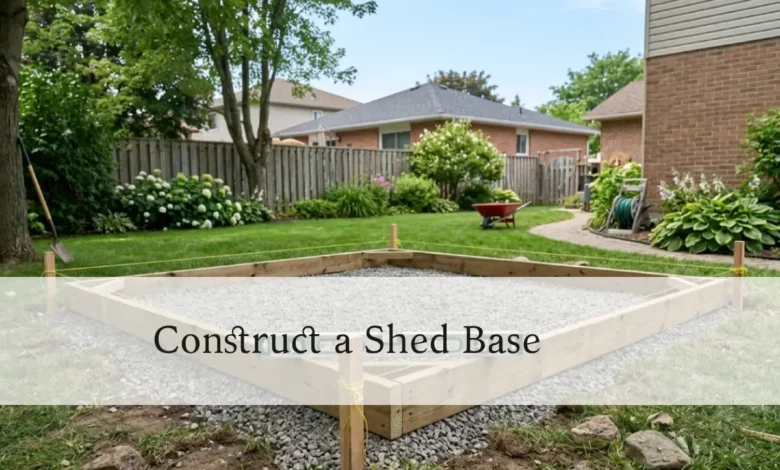
To construct a shed base, clear and level the site, mark the dimensions with stakes and string, dig out 4 to 6 inches of soil, add a gravel layer, compact it, and check for level. A gravel pad works for most small to medium sheds. Large or heavy sheds need a concrete slab instead.
A shed that sits straight on bare ground rarely lasts. Within a year, the floor sags, the door sticks, and damp creeps into your tools and boxes. The fix happens before you even touch a wall panel: you need a base that drains water, stays level, and supports the full weight of the structure.
This guide walks you through how to construct a shed base step by step, from picking the right base type to compacting the final layer. You will learn what materials to buy, how deep to dig, and how to check your work so the shed stays solid for years.
Choose the Right Shed Base Type
Before you dig anything, decide whether you need an on-grade base or a frost-proof one. This single choice shapes your entire project.
On-grade bases sit directly on the prepared ground. There is no excavation for footings and no concrete to pour, which makes them fast and affordable for a weekend project.
Frost-proof bases set footings below your local frost line. This stops the ground from heaving the shed upward as it freezes and thaws. The International Residential Code, which most U.S. towns follow, requires footings in frost-prone areas to reach that depth below, and the number ranges from a few inches in southern states to four feet or more in the north.
Tom Silva, general contractor for This Old House, points out that the choice often comes down to logistics as much as climate. He notes that builders typically pick a foundation type based on how far it is to the nearest concrete plant, how remote the site is, and the budget on hand.
Common shed base options include:
- Gravel pad: drains well, handles small slopes, and suits most backyard sheds
- Concrete slab: the strongest and most durable option, best for heavy or large sheds
- Concrete blocks or deck blocks: quick to set up, good for level ground
- Pier and beam: adjustable for sloped sites or poor soil
- Pressure-treated skids: simple and budget-friendly for small sheds
For most sheds under 200 square feet in mild climates, a 4 to 6 inch compacted gravel pad gives you the best balance of cost, drainage, and ease of construction.
Check Local Codes Before You Build
Call your local building department or homeowners association before you start digging. Many areas require a permit for sheds above a certain size, and some have specific rules for foundation depth and setback distance from property lines.
You should also call 811 before any excavation. This free service marks underground utility lines so you avoid hitting gas, water, or electrical lines while digging.
Bring a copy of your shed’s floor plan to the building department if you have one. It speeds up the conversation and helps the inspector confirm your planned base size matches the structure.
Gather Your Tools and Materials
Having everything on site before you start saves you trips to the hardware store mid-project. Here is what you typically need for a gravel or paver base:
- Stakes and mason’s string, for marking the exact footprint
- Shovel and rake, for clearing and surface grading
- Hand tamper or plate compactor, for packing the base material
- Crushed gravel or paver base, roughly 4 to 6 inches deep across the footprint
- Landscape fabric, to block weed growth under the base
- 4×4 pressure-treated lumber, for the perimeter frame if you are building a gravel-and-frame base
- A 4-foot level or laser level, to confirm the surface is flat
A gravel pad for an 8 by 10 foot shed typically costs between 400 and 600 dollars in materials, and most people finish the work in a weekend.
Outdoor projects like this one are a good reminder to check the rest of your home’s systems too. If your furnace has been acting up lately, our guide on fixing heat that’s not working in your house walks through the most common causes and fixes.
Mark and Clear the Shed Site
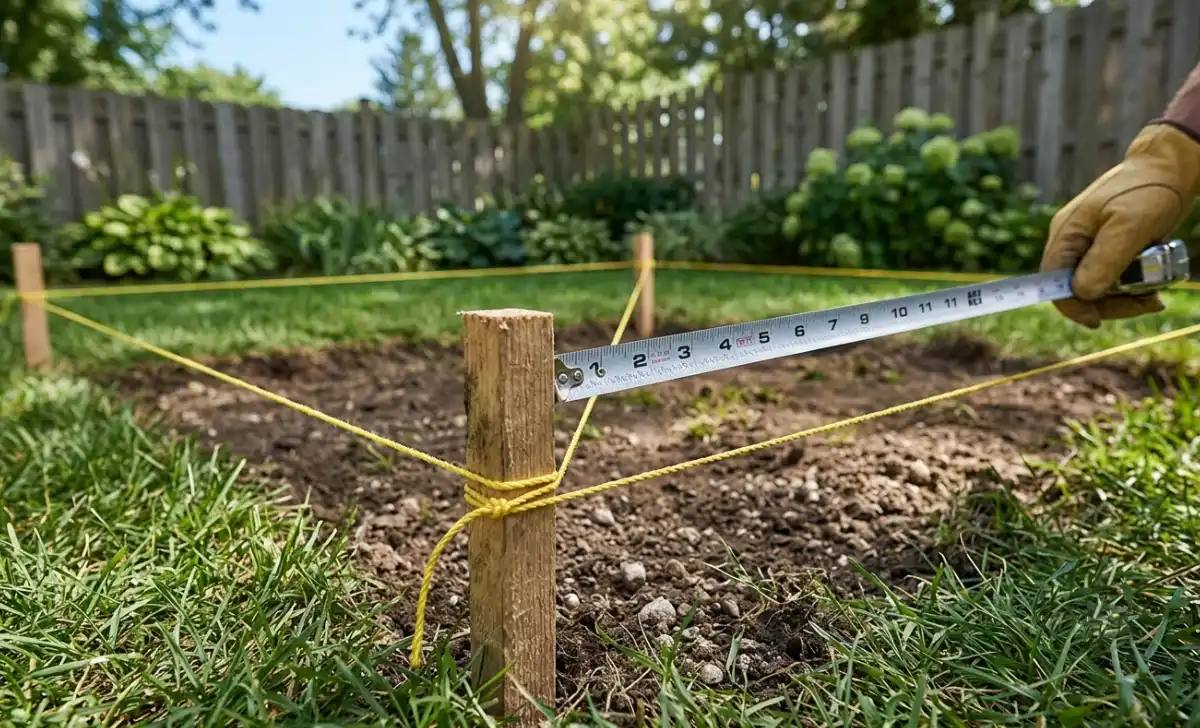
Start by walking your yard to find a relatively flat spot with good drainage. A site with even a slight slope works fine since you can correct minor unevenness during grading.
- Drive stakes at each corner of the planned base, sizing it a few inches larger than the shed itself.
- Run mason’s string between the stakes to outline the footprint.
- Check the corners for square by measuring both diagonals. If the two measurements match, the layout is square.
- Remove grass, weeds, roots, and rocks from inside the string lines using a shovel or garden hoe.
- Use a rake to rough-grade the soil so it slopes gently away from the centre, which keeps water moving away from the shed.
Excavate and Add the Gravel Layer
Dig out the marked area to a depth of 4 to 6 inches. This depth gives you room for a gravel base that drains well and resists shifting.
Lay landscape fabric across the bottom of the excavation before adding gravel. The fabric stops weeds from pushing through and keeps the gravel from mixing into the soil below over time.
Pour in crushed gravel or paver base material in layers of about 2 inches at a time. Spread each layer evenly with a rake before adding the next one.
Compact and Level the Base
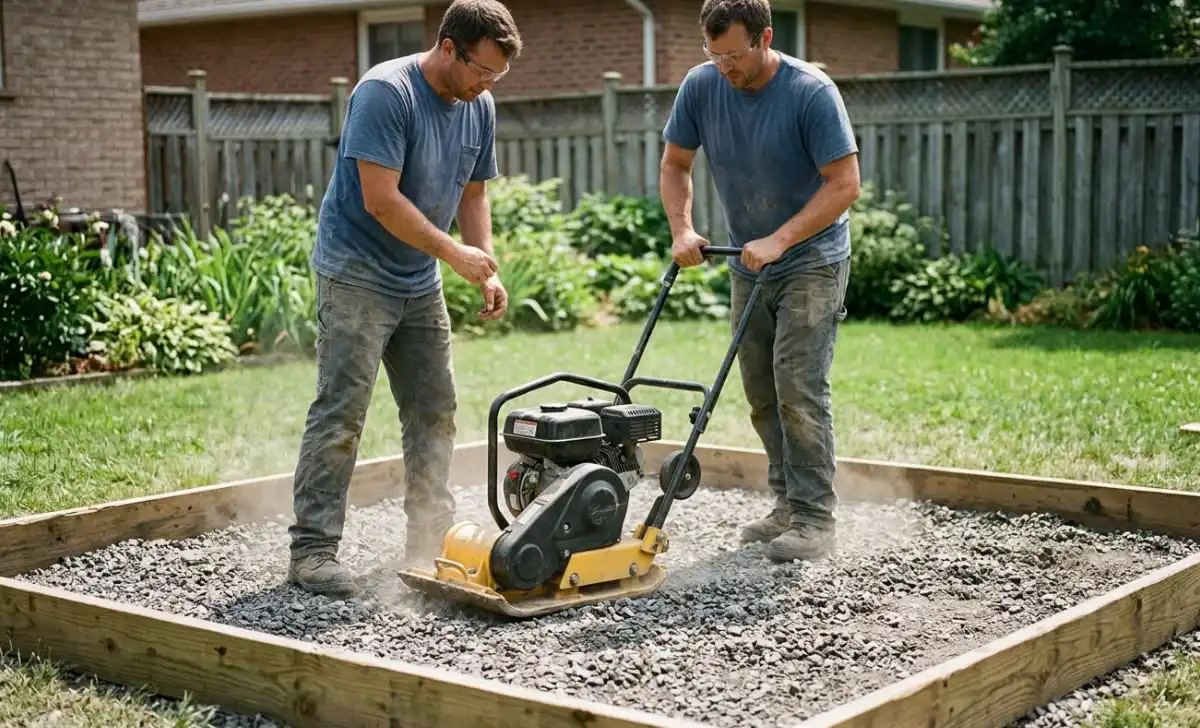
Compaction is the step people skip most often, and it is the one that determines whether your base holds up. Loose gravel shifts under weight and creates low spots within a season.
Run a plate compactor or hand tamper over each gravel layer before adding more material. For a small shed base, a hand tamper works fine; for anything larger than 10 by 12 feet, a rented plate compactor saves time and gives you a denser, more even surface.
Set a 4-foot level across the surface in several directions, checking the centre and all four corners. Add or remove small amounts of gravel until the level shows flat everywhere you test it.
If you are building a frame-and-gravel base, set pressure-treated 4×4 lumber around the perimeter after compacting, then check the frame for level one more time before moving on.
Getting the small details right matters indoors as much as outdoors. For another project that rewards careful, methodical work, take a look at our piece on acamento home upgrades, which covers a similar approach to planning and execution.
Pour a Concrete Slab for Heavy Sheds
If your shed will store a riding mower, workshop equipment, or anything over a few hundred pounds, a concrete slab gives you the strongest base available.
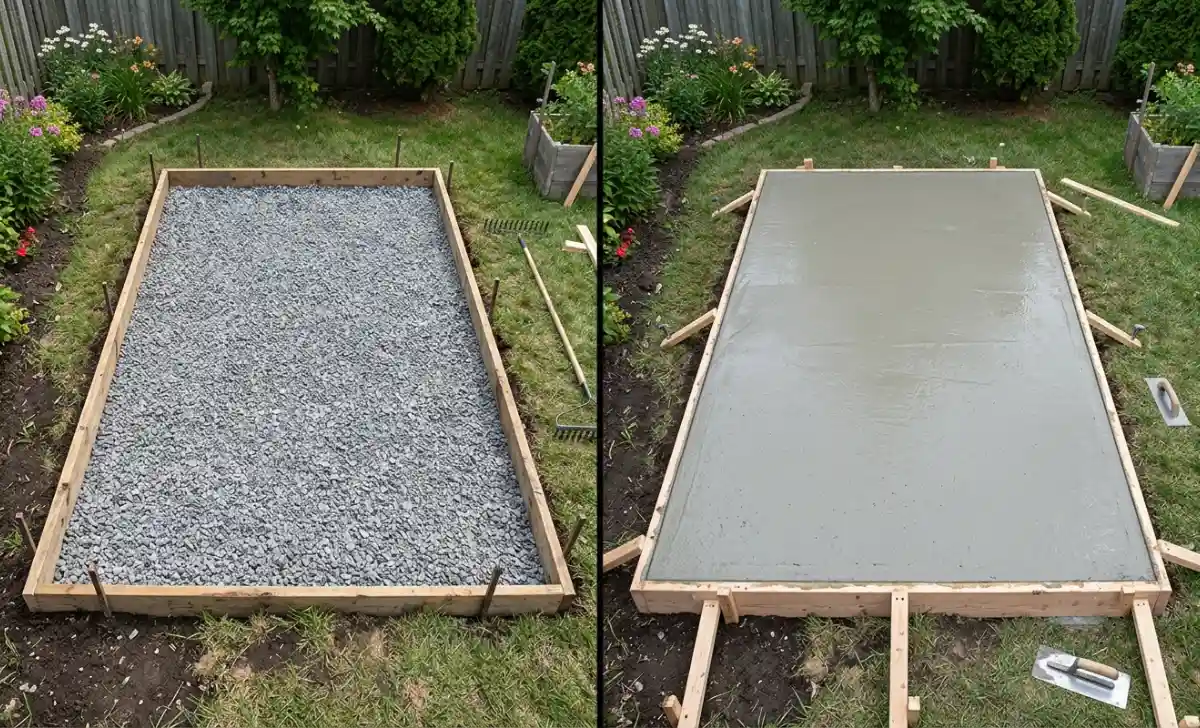
Build formwork from lumber and stakes around the marked footprint. Add a reinforcement mesh or rebar grid inside the form to reduce cracking. Mix concrete at roughly a 1:2:3 ratio of cement, sand, and aggregate, then pour and screed the surface level with a straight board.
Let the slab cure for at least 7 days before setting any weight on it. In frost-prone regions, the footing edges need to sit below your local frost line, which may require deeper excavation and, in some cases, professional equipment.
Anchor bolts should typically be set into the wet concrete around the slab perimeter, roughly 12 inches from each corner and every 4 feet after that, with about 2.5 inches projecting above the surface. Confirm the exact spacing and embedment depth with your shed manufacturer or local code.
Compare Shed Base Materials and Costs
| Base Type | Best For | Typical Cost (8×10 shed) | Build Time |
| Gravel pad | Small to mid sheds, mild climates | $400 to $600 | 1 weekend |
| Concrete slab | Heavy or large sheds | $800 to $2,000+ | Several days, plus curing |
| Concrete or deck blocks | Level ground, fast builds | $150 to $400 | Half a day |
| Pier and beam | Sloped sites, poor soil | $300 to $700 | 1 to 2 days |
Common Shed Base Mistakes to Avoid
A few errors show up again and again in DIY shed projects, and each one shortens the life of the structure.
- Skipping compaction, which leaves the gravel loose and prone to shifting
- Building on bare soil without any base material, which traps moisture under the floor
- Ignoring drainage, so water pools against the shed instead of running away from it
- Setting the base too small for the shed footprint, leaving the floor unsupported at the edges
- Skipping the permit check, which can lead to fines or a forced rebuild
For more on getting your structure right from the start, check our guide on choosing between a shed kit and a custom build.
A solid base also keeps noise and movement to a minimum once your shed is in use, the same principle that applies inside your house. If you have ever noticed odd creaks overhead, our article on what your bedroom ceiling noises actually mean breaks down the likely causes.
Frequently Asked Questions
How deep should a shed base be?
Most gravel pads run 4 to 6 inches deep. Frost-proof footings need to sit below your local frost line, which your building department can confirm for your zip code.
Do I need a permit to build a shed base?
It depends on your shed’s size and your local rules. Many areas waive permits for small sheds but still regulate foundation type and setback distance, so check before you dig.
Can I build a shed base on a slope?
Yes. A pier and beam base or a gravel pad with a built-up frame on the low side both work well on sloped ground. For steeper slopes, pier and beam gives you more control over levelling.
How long does a gravel shed base last?
A properly compacted gravel base with good drainage can last decades. Settling or shifting almost always traces back to inadequate compaction or poor drainage at the start.
Is concrete or gravel better for a shed base?
Gravel suits most small to mid-size sheds because it drains well and costs less. Concrete is the better choice for large, heavy, or permanent structures that need maximum load support.