How to Start Home Renovations HomeNumental in 9 Simple Steps
Starting a home renovation begins with defining your goals and setting a realistic budget that includes a 15-20% contingency fund. Next, create a detailed plan, check for required permits, and hire licensed professionals. Following this structured approach helps you avoid common mistakes, manage costs, and complete your project successfully. The HomeNumental method prioritises function over trends.
Step 1: Define Your Vision and Goals
Every successful renovation starts with a clear purpose. Before buying materials or contacting contractors, decide what you want to achieve. Do not start work without a written list of goals.
Ask yourself these questions:
- What problems am I trying to solve? Examples include poor lighting, broken cabinets, or bad room flow.
- Which rooms need attention? Focus on one or two areas at a time.
- How will I use the finished space? Think about daily routines, guests, or work-from-home needs.
- What is my timeline? Be realistic about how long you can live with disruption.
Create an inspiration board to collect images, colour palettes, and design ideas. Platforms like Pinterest are great for this. You can also use a physical binder with magazine clippings. A well-defined vision keeps your project focused and prevents costly changes later. Write down your non-negotiables. For example, if you need a working kitchen within two weeks, that changes your material and labour choices.

Step 2: Set a Realistic Renovation Budget
Budgeting is the foundation of any home renovation. Without a clear financial plan, costs can spiral out of control. Many homeowners underestimate by 30% or more.
List all expected expenses, including materials, labour, design fees, permits, waste removal, and cleanup. Set spending priorities based on what matters most. Get at least three quotes from different contractors. Do not automatically choose the lowest bid. Compare what each includes.
Include a contingency fund of 15-20% of your total budget for unexpected issues. Hidden problems like water damage, old wiring, or mould are common once walls open up.
Renovation costs continue to rise. The cost of home repairs and remodelling in the first quarter of 2025 increased by nearly 4% compared to the previous year. In 2025, labour and execution costs now make up 60% or more of renovation budgets, while materials have become cheaper due to GST reforms. This means your biggest expense is skilled work, not products.
Track every dollar. Use a simple spreadsheet or a free app like HomeBudget. Review spending weekly to avoid surprises.
Step 3: Create Your HomeNumental Renovation Plan
A detailed plan acts as your roadmap. It should include a project timeline with milestones for each phase, a complete material list, design drawings or sketches, and clear roles and responsibilities for everyone involved.
The HomeNumental approach focuses on function first. Before choosing paint colours or finishes, walk through your home and observe what feels difficult or inefficient. This process is called a space audit. Take photos, write notes, and study each room at different times of the day. Pay attention to natural light, storage issues, and how people move between spaces.
For example, if your family always drops backpacks and shoes at the back door, plan built-in storage there. If you bump into an island while cooking, change its position or size. These functional fixes matter more than trendy finishes.
Use a simple spreadsheet or project management tool like Trello to stay organised. Assign deadlines for ordering materials, finalising designs, and completing each trade. A structured plan saves both time and money. Share the plan with every person working on your home.
Step 4: Check for Permits and Legal Requirements
Depending on your project, certain changes may require permits from local authorities. Skipping permits is one of the most common and costly mistakes homeowners make. It can also void your home insurance.
Projects that typically need permits include:
- Structural wall removal
- Electrical rewiring or new circuits
- Plumbing modifications or moving pipes
- Home additions or extensions
- Major HVAC changes like new ductwork
- Windows and doors if resizing openings
- Decks, fences, or sheds above a certain size
Cosmetic updates like painting, flooring replacement, or cabinet refacing usually do not require permits. But always check with your local building department before starting. A quick phone call or website search can save you thousands.
Failing to get proper approvals can result in fines, stop-work orders, or problems when selling your home. Buyers and inspectors will ask for permit records. If you cannot show them, you may have to tear out and redo work.

Step 5: Hire the Right Professionals
Even experienced DIYers need professional help for certain parts of a renovation. A reliable team ensures quality work, safety, and code compliance. Know when to call an expert.
For homeowners who want a clear framework, a house renovation Heartomenal approach means planning strategically, spending where it counts, and skipping the projects that look impressive but return little. The 2025 Zonda Cost vs. Value Report shows that eight of the ten highest-ROI renovation projects are exterior upgrades. Minor kitchen updates return 96%, wood floor refinishing returns 147%, and a mid-range bathroom remodel recovers around 74% of its cost at resale.
When hiring contractors, always check references and online reviews, ask for proof of insurance and licenses, and get written contracts that outline scope, cost, and timeline. Never work with someone who refuses to sign a contract.
Be aware of contractor red flags. These include too-good-to-be-true quotes, high-pressure sales tactics, demands for full payment upfront, and refusal to pull permits. A legitimate contractor will ask for a deposit (typically 10-30%) and then progress payments.
More than 30% of jobs that professional remodelers perform come from failed DIY projects. Hiring a professional is often the best way to ensure success. For electrical, plumbing, or structural changes, a license is legally required in most areas. For large projects, consider hiring a general contractor who manages all subcontractors. For small jobs, you can hire individual trades directly.
Step 6: Choose Materials That Last
The materials you select determine both the look and longevity of your renovation. Prioritise durability over trends. Choose options that last longer and require minimal maintenance.
Consider eco-friendly materials like bamboo flooring, recycled glass countertops, or low VOC paints. These are better for your health and the environment. Always test paint colours and material samples in your home’s actual lighting before finalising. A colour that looks good in the store may look different at sunset.
Mix premium and affordable materials strategically to balance quality and budget. For example, spend more on high-use surfaces like kitchen countertops and bathroom floors. Save on decorative items like cabinet hardware or light fixtures.
A busy family may benefit from durable flooring like luxury vinyl or tile, easy-to-clean surfaces like quartz, and smart hidden storage. A couple working from home may need quieter zones, improved lighting, and built-in workspaces. Match your material choices to how you actually live, not to a catalogue image.
Step 7: Plan for Living During the Renovation
Major renovations can disrupt your daily routine, especially kitchen or bathroom remodels. Before work begins, decide how you will manage. Do not wait until demolition starts to figure this out.
Your options include setting up a temporary kitchen elsewhere in your home. Use a mini fridge, microwave, and toaster oven. Wash dishes in a bathroom sink. Or stay with family or friends during the messiest weeks. For larger projects, rent short-term accommodations. This adds cost but preserves your sanity.
If you stay home during construction, set clear safety boundaries, especially if you have kids or pets. Your contractor should maintain a clean work zone. Dust barriers and daily cleanup are standard for professional crews.
Take before photos and pack away fragile or valuable items in the renovation area. Give your neighbours a heads-up about construction noise and dust to maintain good relationships. A simple note with your timeline and phone number goes a long way.
Step 8: Monitor Progress and Quality
Once work begins, stay involved. Regular check-ins help ensure everything is on track and meets your standards. Do not assume the contractor will catch every mistake.
Schedule weekly walkthroughs with your contractor. Use a printed checklist of completed items. Keep written records of all changes or additional requests. Even small verbal requests should be followed up with an email or text.
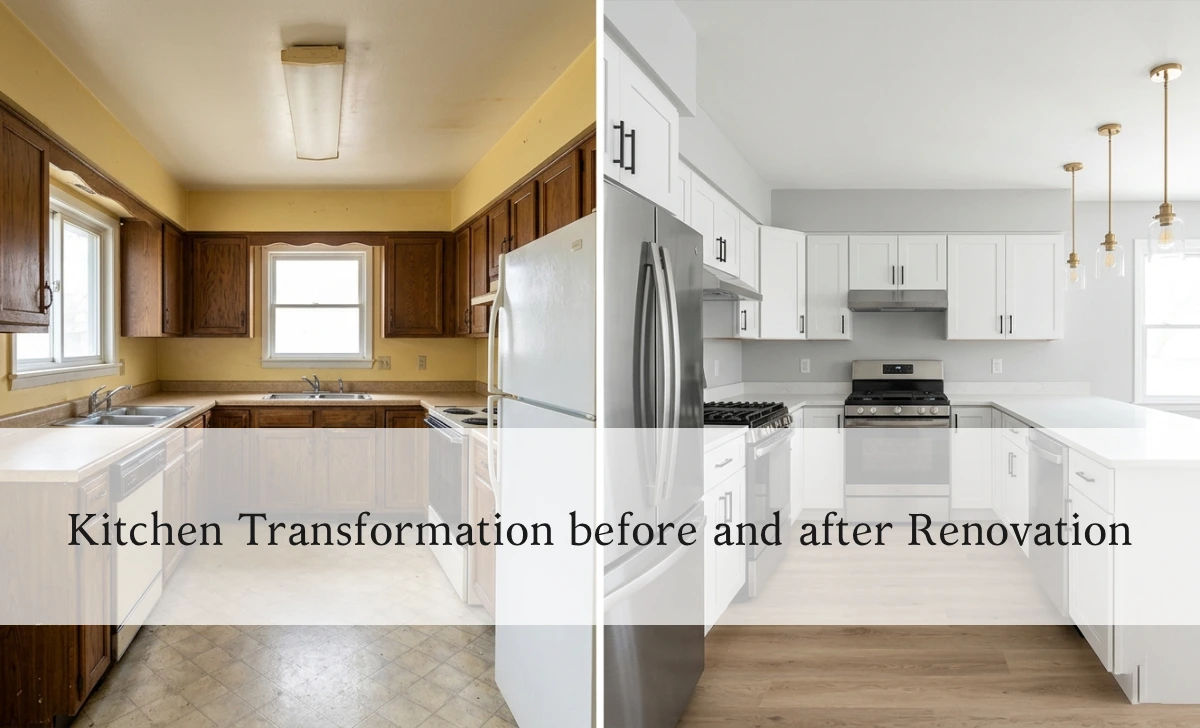
Take progress photos for before and after comparisons. Date each photo. This helps with insurance, resale, and any disputes. Address small issues immediately to avoid bigger problems later. A crooked outlet cover or uneven tile can be fixed in minutes if caught early. If you wait until the end, it becomes a battle.
Active participation prevents miscommunication and ensures the final result aligns with your vision. Be patient. Even well-planned renovations can face unexpected delays due to material shortages, weather, or subcontractor schedules. Build one to two weeks of buffer time into your plan.
How to Start Home Renovations: HomeNumental: Smart Timeline Tips
A typical renovation follows these phases:
- Demolition – Remove old fixtures, flooring, and walls safely. This usually takes 1 to 5 days.
- Structural Work – Address framing, plumbing, and electrical systems. This is the longest phase at 2 to 6 weeks.
- Walls and Ceilings – Repair drywall, add insulation, and prepare surfaces. Allow 3 to 10 days.
- Flooring Installation – Flooring often comes near the end to prevent damage. Allow 2 to 5 days.
- Painting and Finishing – Final touch-ups for colour and trim. Allow 3 to 7 days.
- Furniture and Décor – Style your new space. This depends on delivery times.
Understanding the timeline helps you plan your life around the work. Remodelling projects take time. From planning to selecting materials, obtaining permits, demolition, and construction, each stage must be completed properly. Rushing leads to mistakes and rework.
Final Touches and Post-Renovation Inspection
When construction wraps up, bring personality into your newly renovated space. Add textiles like cushions and rugs. Use layered lighting for warmth. Bring in indoor plants for freshness. Choose art and décor that reflects your taste. Do not fill every shelf right away. Live in the space for a few weeks to see what you actually need.
Before signing off, carefully inspect all completed work. Check functionality of electrical outlets, plumbing, and appliances. Verify proper alignment of tiles, cabinets, and flooring. Look for paint or surface defects. Open and close every door and window. Run water in every sink and shower. Test all lights and switches.
Create a punch list of minor fixes for your contractor to address before final payment. Do not release the last 10-20% of payment until all items are resolved. Get warranties in writing for materials and labour. Keep all receipts and permits for future reference or resale.
If you are ready to take the next step, professional renovation services blend smart planning, durable materials, and skilled work to create spaces that truly support daily living. Each improvement adds comfort, function, and lasting value to the home. Strong results come from clear goals and expert execution.
FAQs
How much should I budget for a home renovation?
Your budget should cover materials (40-50%), labour (30-40%), furniture and decor (10-20%), and a contingency fund (15-20%). Renovation costs vary by location and project scope. Always include extra for unexpected issues. A small bathroom remodel typically costs $10,000 to $25,000. A full kitchen runs $25,000 to $75,000 or more.
Do I really need permits for my renovation?
Yes, for most structural, electrical, or plumbing work. Skipping permits can lead to fines, stop-work orders, and problems when selling your home. Always check with your local building department. Permit fees are usually 0.5% to 2% of project cost. This is cheap insurance.
How do I find a trustworthy contractor?
Ask friends and neighbours for recommendations. Check online reviews on Google, Yelp, and the Better Business Bureau. Verify licenses and insurance. Get at least three detailed bids. Never hire someone who demands full payment upfront or refuses to provide references. A good contractor will be happy to show you past work.
Can I do the renovation myself?
Simple cosmetic updates like painting, changing light fixtures, or installing shelves are fine for DIY. But more than 30% of professional remodelers’ jobs come from failed DIY projects. For structural, electrical, or plumbing work, hire licensed professionals. Know your limits. A mistake can cost far more than the labour you saved.
What is the HomeNumental approach to renovations?
HomeNumental focuses on function first. It prioritises how you actually live in your home rather than following short-term design trends. The goal is to create spaces that work better for everyday life and remain useful over time. Before picking paint or tile, fix what is broken. Then make it beautiful.