Heat Not Working In House? 10 Causes and How to Fix Them
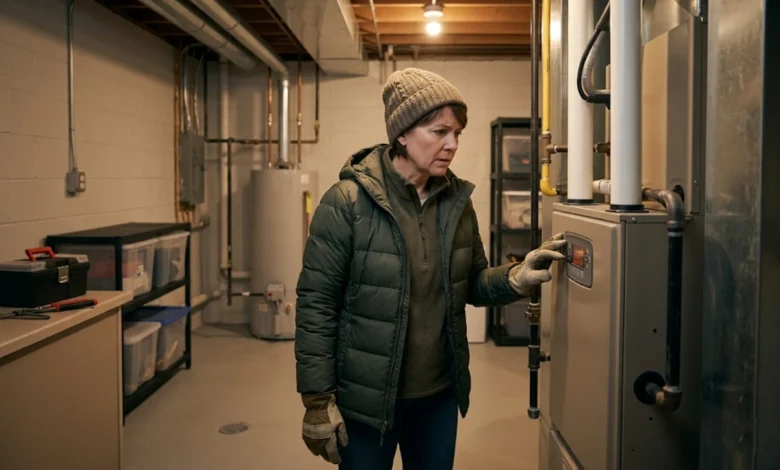
If the heat is not working in your house, start with the basics. Check your thermostat settings, inspect the air filter, look at your circuit breaker, and confirm the gas supply valve is open. Most heating failures trace back to a clogged filter, a wrong thermostat setting, or a tripped breaker. Many of these you can fix yourself in under 10 minutes.
Cold air is blowing from the vents. Silence from a furnace that should be running. A thermostat set to 72 but a house that feels like 55. If any of this sounds familiar, you are not alone.
Heating systems fail for many reasons, and most of the time, the cause is something straightforward. Before you call an HVAC technician and spend hundreds of dollars, it helps to know exactly what to look for.
This guide walks you through the most common reasons heat stops working in a house, what you can safely check yourself, and when it makes sense to bring in a professional.
Check Your Thermostat Before Anything Else
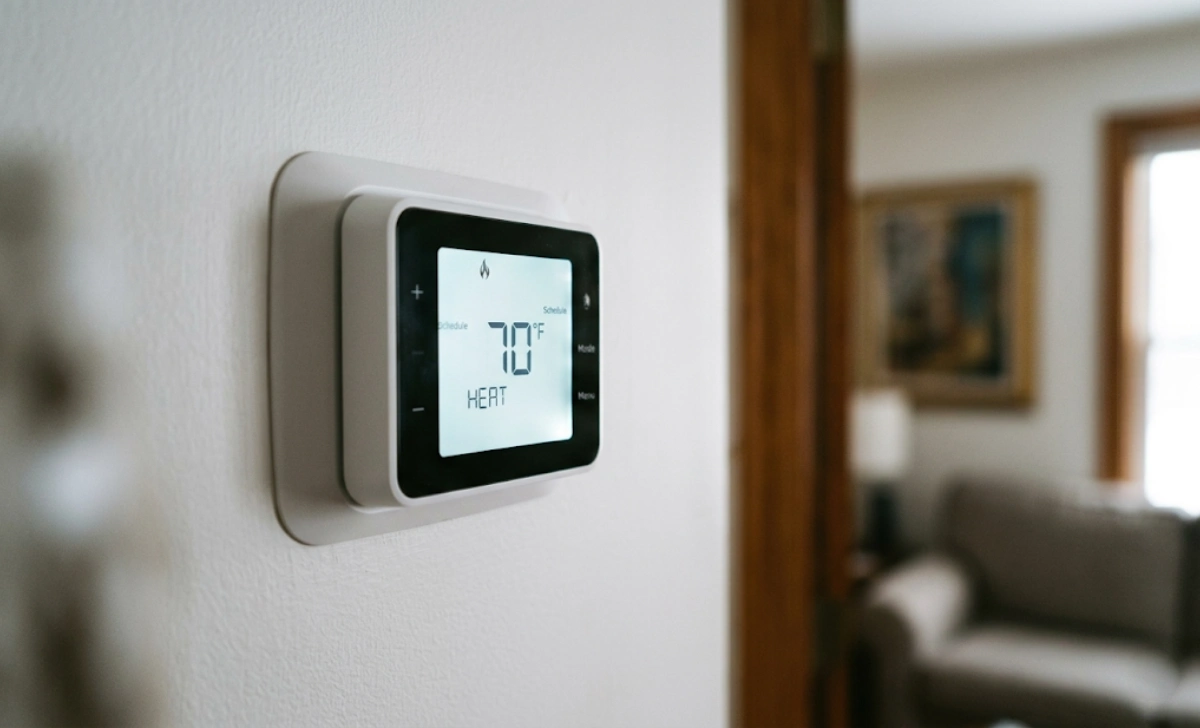
The thermostat is the most overlooked cause of a no-heat problem. It sounds too basic, but wrong settings or dead batteries are behind more service calls than most homeowners expect.
Start here before touching anything else:
- Set the system mode to “Heat,” not “Cool” or “Fan Only”
- Set the temperature at least 3 to 5 degrees above the current room reading
- Replace the batteries if the display looks dim or blank
- Check for a programmed schedule that may be overriding your manual setting
A blank screen on a digital thermostat almost always points to a dead battery or a lost power connection. Swapping in fresh batteries takes two minutes and costs almost nothing.
According to American Standard Air, dirty sensors, loose wires, and dead batteries are among the most common causes of a malfunctioning thermostat that keeps a furnace from running at all. It is worth ruling this out completely before moving on.
Heat Not Working In House: The Most Common Causes
Once you have ruled out the thermostat, move to the system itself. Here are the most frequent reasons a home heating system stops producing warm air:
- Clogged or dirty air filter — Restricted airflow causes the furnace to overheat and shut off on its safety limit switch
- Tripped circuit breaker — Cuts power to electric furnaces and heat pumps entirely
- Pilot light or ignition failure — Gas burners cannot light without a working ignitor or pilot flame
- Closed gas supply valve — If the valve is shut, the furnace has no fuel to burn
- Dirty flame sensor — A coated sensor causes the furnace to shut down seconds after startup
- Clogged condensate drain line — High-efficiency furnaces shut off when the drain line backs up
- Ductwork leaks or blockages — Warm air escapes before reaching your rooms
- Short cycling from poor airflow — Blocked vents force the system to turn on and off without heating the home
Most of these checks take less than 15 minutes and require no tools. Work through them in order before scheduling a repair visit.
A dirty air filter is the most common culprit
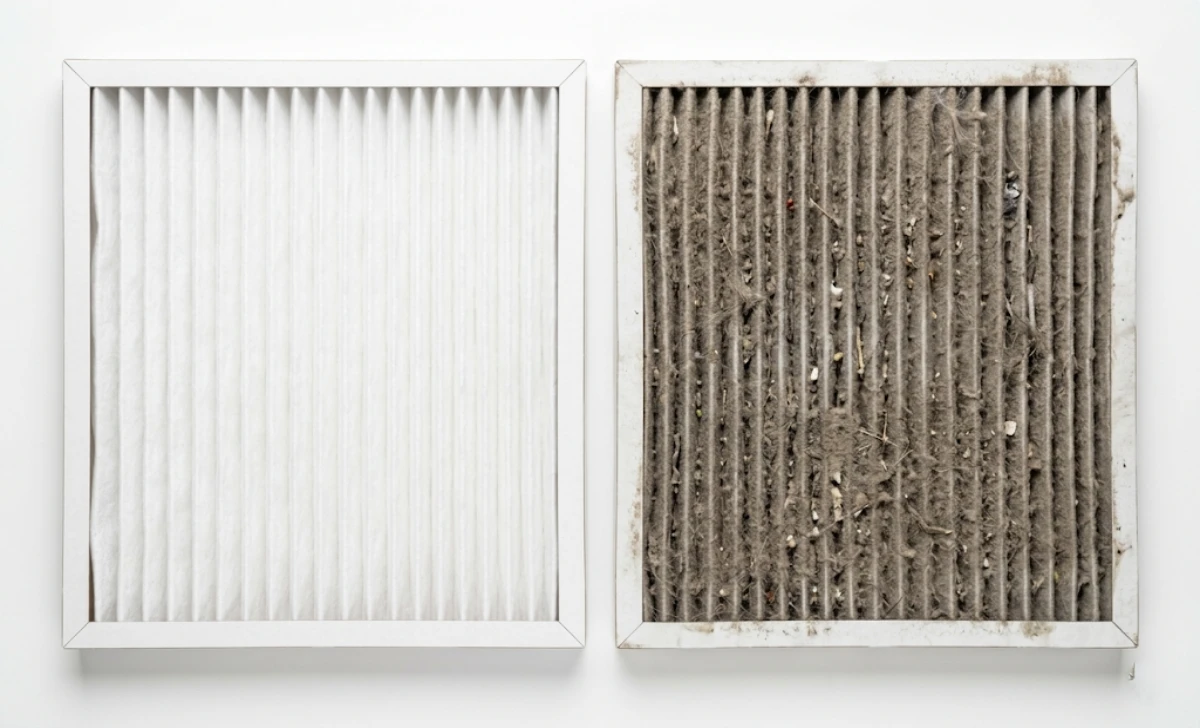
If one issue causes more no-heat complaints than any other, it is a clogged air filter. This is also the easiest fix.
A dirty filter blocks the airflow your furnace needs to operate safely. When airflow drops too low, the heat exchanger gets too hot and triggers the high-limit safety switch, which shuts the system off. You might notice the furnace turns on, runs for a minute or two, then stops. The cycle repeats without the house ever warming up.
Replacing a filter costs between $10 and $50, depending on the type. Filters with MERV ratings between 8 and 13 offer solid filtration without restricting airflow too much in most residential systems. Most manufacturers recommend changing filters every 1 to 3 months. If you have pets or live in a dusty area, check it monthly.
A filter that looks grey, brown, or visibly packed with debris needs to come out immediately. This single step resolves a large percentage of heating calls that would otherwise cost $100 or more just for a technician to arrive.
For a broader look at keeping your home’s comfort systems in shape year-round, this guide on whole-home HVAC care and upgrades is a useful next read.
Pilot Light and Ignition Problems in Gas Furnaces
If the thermostat is set correctly and the filter is clean, the next step is confirming that the burners are actually lighting.
On older furnaces with a standing pilot light, the flame may simply have gone out due to a draft or gas pressure fluctuation. Look through the small inspection window on the furnace cabinet. No flame means the pilot is out. Follow the relighting instructions printed on the furnace door panel, or refer to your owner’s manual.
On newer furnaces with electronic ignition, the process is fully automatic. When the ignitor fails, the system runs through two or three ignition attempts and then locks out. You will often see a blinking error code on the control board.
Common ignition problems include:
- A cracked or worn hot surface ignitor (the most common component to fail in furnaces over five years old)
- A dirty or misaligned flame sensor that cannot confirm combustion is happening
- A faulty draft inducer motor that prevents the ignition sequence from starting at all
Ignitor replacement typically costs between $100 and $300 in labour and parts. Flame sensor cleaning is a quick job that a technician can handle during a standard tune-up visit.
Tripped Breakers, Gas Valves, and Power Switches
It may feel overly simple, but checking your electrical panel and physical power switches saves many homeowners an unnecessary service call.
For electric furnaces and heat pumps: Go to your main electrical panel and look for a breaker labelled “Furnace,” “Air Handler,” or “HVAC.” If it sits in the middle position, it is tripped. Switch it all the way off, then firmly back to “On.” If it trips again right away, stop and call a technician. A breaker that trips repeatedly points to an electrical fault that needs professional attention.
For gas furnaces: Check the power switch on or near the furnace unit. It looks like a standard light switch and is sometimes accidentally flipped off during cleaning or storage. Also, locate the gas shutoff valve on the supply line feeding your furnace. When the valve handle runs parallel to the pipe, gas is flowing. When it sits perpendicular to the pipe, the supply is cut off.
For all system types: Confirm that the furnace door panel is fully seated. Most furnaces have a built-in safety switch that prevents operation when the cabinet panel is loose or missing.
While you are doing a general home walk-through and checking things room by room, this guide on how to fix a squeaky door covers another quick repair that many homeowners put off longer than they should.
Ductwork Leaks That Quietly Steal Your Heat
Your furnace might be working perfectly, but if warm air escapes through gaps in the ductwork, your rooms stay cold. The U.S. Department of Energy estimates that the typical home loses 20 to 30 per cent of heated air through duct leaks before it ever reaches the living spaces.
Signs that ductwork is behind your heating problem:
- Some rooms are warm, while others consistently stay cold
- Energy bills are higher than usual despite normal thermostat settings
- Dusty or stale air comes from supply vents
- You hear a faint hissing near duct joints or connections
Ductwork repairs average between $200 and $1,000, depending on the location and extent of the damage. In homes with accessible ductwork in basements or crawl spaces, a technician can seal gaps with mastic sealant or foil-backed tape.
Closed or blocked vents are another easy check. Walk through every room and make sure all supply and return vents are open and not blocked by furniture, rugs, or drapes. Even one or two closed vents can create enough back-pressure to push the furnace over its safety limit.
If you have added a sunroom or enclosed porch to your home, these spaces tend to have much higher heat loss than the rest of the house. Understanding that load is important for sizing your heating system correctly. This overview of 3-season rooms and year-round comfort explains how these additions affect your overall heating needs.
When to Call a Professional
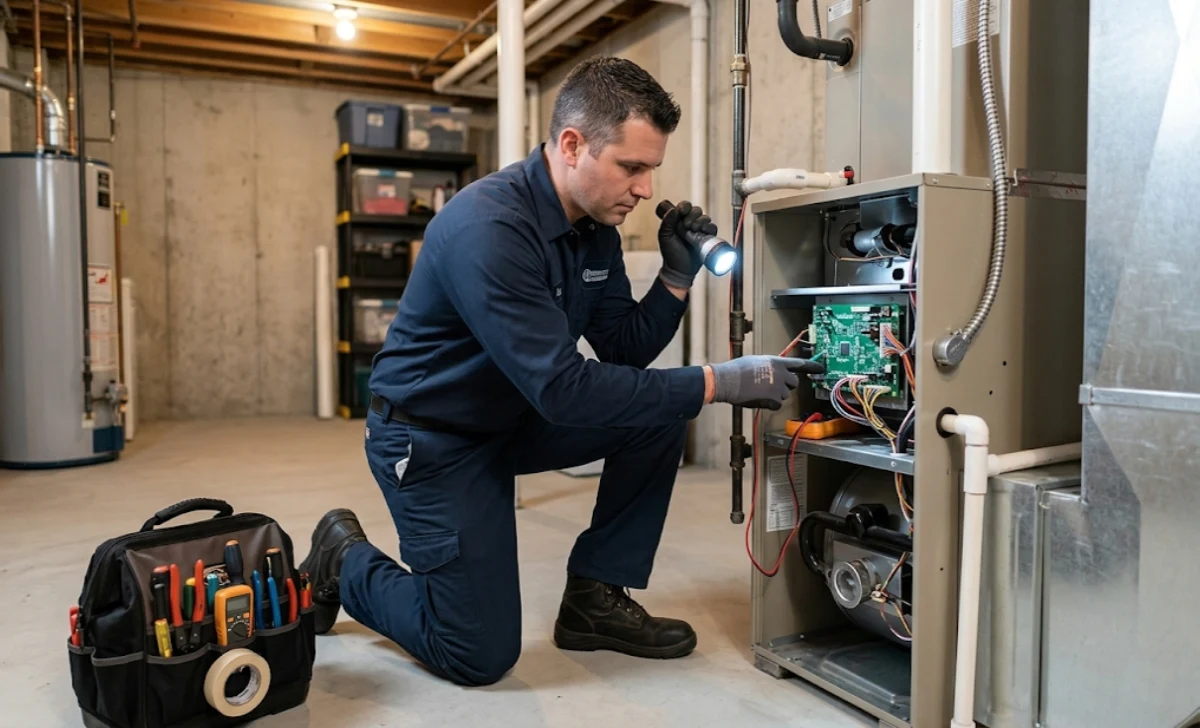
Some heating problems are safe to handle yourself. Others need a licensed HVAC technician. Here is a clear breakdown.
Repairs you can do yourself:
- Replace a dirty air filter
- Reset a tripped circuit breaker (one time only)
- Replace thermostat batteries
- Relight a standing pilot light following the manufacturer’s instructions
- Open closed vents and remove obstructions
- Check and reset the power switch near the furnace
Call a technician when:
- You smell gas anywhere in your home (leave immediately and call your gas company before re-entering)
- A burning smell comes from the furnace vents or the cabinet
- The circuit breaker trips more than once after being reset
- Error codes on the furnace control board do not clear after a power reset
- The furnace runs, but no heat reaches the rooms after checking all basic issues
- Any repair involves the heat exchanger, blower motor, or gas combustion components
A cracked heat exchanger deserves special mention. This part separates combustion gases from the air your family breathes. A crack allows carbon monoxide to enter your home’s air supply. Carbon monoxide is colourless and odourless, making it undetectable without a dedicated detector. Every home with a gas furnace should have a working carbon monoxide detector on each floor.
What Furnace Repairs Actually Cost in 2025
Understanding current repair costs helps you make a better decision about whether to fix or replace an older system.
Here are the current average costs based on 2025 industry data:
- Air filter replacement: $10 to $50 (often a DIY task)
- Thermostat replacement: $150 to $300
- Ignitor or pilot light repair: $100 to $300
- Flame sensor cleaning or replacement: $80 to $200
- Blower motor repair or replacement: $300 to $1,000
- Heat exchanger repair: $500 to $1,500
- Ductwork repairs: $200 to $1,000
- Annual professional maintenance visit: $75 to $225
For context, a full HVAC system replacement runs between $5,000 and $10,000. Routine annual maintenance at $75 to $150 per visit is one of the most cost-effective ways to avoid reaching that point before the system’s natural end of life.
American Standard Air reports that the average gas furnace lasts 15 to 20 years with proper care. If your unit is past the 15-year mark and facing a repair quote above $1,500, replacement is often the smarter long-term financial choice.
FAQs
Why is my heat running, but the house stays cold?
If the furnace turns on but warm air never reaches the rooms, check for clogged ductwork, closed vents, or a dirty filter that limits airflow. Short cycling, where the furnace turns on and off repeatedly in short bursts, is another sign of restricted airflow or an overheating system.
Can a dirty thermostat cause heating problems?
Yes. Dust buildup on thermostat sensors causes inaccurate temperature readings, which means the system may not turn on when it should. Cleaning the sensor contacts inside a mechanical thermostat is sometimes enough to restore normal operation.
How do I know if my furnace is short-cycling?
Short cycling happens when your furnace turns on, runs for 1 to 3 minutes, and shuts off before the house reaches the set temperature, then repeats. Common causes include a clogged filter, an oversized unit for the space, or a faulty flame sensor.
Is it safe to use a space heater while my furnace is being repaired?
A space heater can provide temporary warmth in a single room. Keep it at least 3 feet from anything flammable, never leave it unattended, and plug it directly into a wall outlet rather than an extension cord.
When should I replace my furnace instead of repairing it?
If your furnace is more than 15 years old, has needed multiple repairs in the past two years, or is facing a repair estimate that exceeds half the cost of a new system, replacement usually makes more practical and financial sense.