Acamento: What It Means, Where It Comes From, and Why It Matters for Your Home
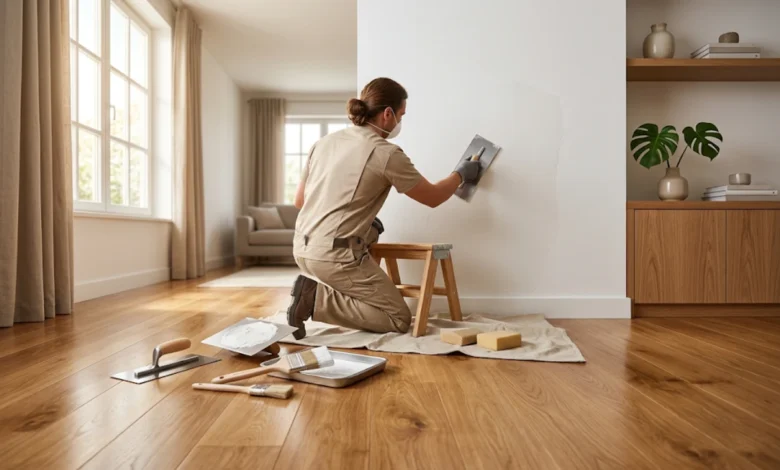
Acamento refers to the final finishing stage applied to a surface, product, or space to improve its appearance, durability, and overall quality. The term comes from the Portuguese word acabamento, meaning completion or finishing. In construction and interior design, acamento covers everything from painted walls and polished floors to surface coatings and tiled work. It is the step that turns a raw structure into something complete.
Have you ever walked into a room that felt unfinished? The walls were up, the floor was laid, but something was missing. That missing element almost always comes down to finishing quality. The term “acamento” puts a name to that final, defining step.
In design, construction, and craftsmanship, acamento is the stage that determines whether your space looks amateur or professional. It is about surface treatments, coatings, textures, and details that most people notice without knowing they notice them. This article explains exactly what acamento means, where it comes from, how it applies to real projects, and what types of finishes fall under its scope.
What Does Acamento Mean?
Acamento refers to the final finishing process applied to a surface, product, or structure to bring it to its complete and polished state. It is the step that happens after the core work is done, but before a project can be considered finished.
The concept covers both visible finishes and the broader act of refinement. A plain concrete wall may hold up a building just fine, but without finishing, it looks incomplete. Acamento addresses that gap. It adds the layer of quality that makes something look, feel, and perform at its best.
In practical terms, acamento can mean:
- Painting or coating interior and exterior walls
- Applying lacquer, varnish, or stain to wood surfaces
- Polishing or sealing stone and tile floors
- Adding texture or plaster to bare walls
- Treating metal surfaces with protective coatings
- Finishing trim, skirting boards, and door frames
Each of these steps turns a functional surface into a finished one. The difference is always visible and felt in daily use.
Where the Term Acamento Comes From
The word acamento is drawn from the Portuguese acabamento, which translates directly to “finishing” or “completion.” It is a widely used term in Brazil and Portugal, particularly in architecture, construction, and industrial manufacturing, to describe the final treatment applied to any surface or product.
In English-speaking markets, the word has gained traction among designers, builders, and home improvement professionals as a precise term for a concept that otherwise takes several words to describe. Saying “the finishing stage” or “surface treatment work” lacks the specificity that acamento provides.
According to the language resource Context Reverso, acabamento in Portuguese carries strong associations with craft, care, and quality. It is not just about completing something. It means completing it properly.
Acamento in Construction and Interior Design
Construction is where acamento has the most visible impact. Once a structure reaches the lock-up stage, the finishing work begins. This is the phase that determines how a building looks and how it performs for the people inside it.
Interior acamento work typically includes wall plastering and rendering, floor polishing or tiling, ceiling treatments, painting, and the fitting of trims and mouldings. Each element contributes to the final character of a space. Poor finishing at this stage is difficult and costly to correct later.
According to Market Research Future, the global interior design services market was valued at $145.24 billion in 2024 and is projected to reach $153.24 billion by 2025. A significant portion of that spending goes directly into finishing work, because clients and buyers respond to the quality of the final surface more than almost any other factor.
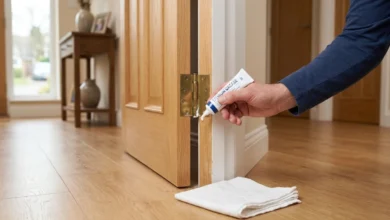
The same principle applies to individual home maintenance. A door that squeaks, a wall with uneven paint, or a floor with dull, worn sealing all signal poor acamento. If you are working on your own home finishing projects, this guide to fixing a squeaky door covers one of the most common finishing oversights homeowners face.
Types of Acamento Finishes for Any Project
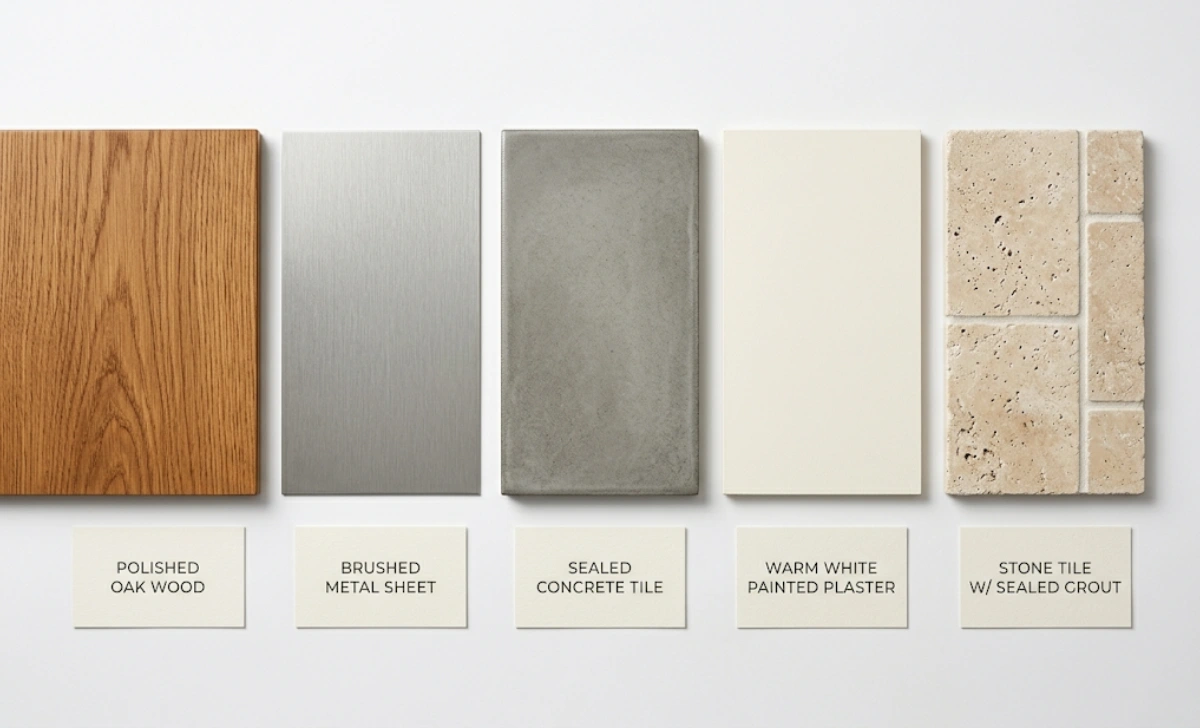
Acamento covers a wide range of finishing types depending on the material being treated and the environment it sits in. Understanding the main categories helps you make better decisions on your own projects.
Surface Coatings and Paint
Paint is the most common form of acamento. It protects surfaces from moisture, wear, and temperature changes while giving walls, ceilings, and trim their final colour and texture. Quality matters here. Low-grade paint fades, cracks, and peels, meaning the acamento fails long before it should.
Wood Treatments
For furniture, cabinetry, decking, and flooring, wood finishing is an entire discipline. Lacquer, oil, varnish, wax, and stain each produce different results in terms of sheen, protection, and feel. A properly finished wood surface resists moisture and scratches while maintaining the natural grain.
Stone, Tile, and Concrete Sealing
These hard surfaces need sealing to resist staining, moisture penetration, and surface erosion. Polished concrete, sealed stone, and grouted tile are all examples of acamento applied to structural materials.
Metal Finishing
Metal surfaces exposed to the elements require specific finishing treatments to prevent rust, corrosion, and degradation. Powder coating, galvanising, and protective paint systems all fall under this category.
Untreated metal deteriorates quickly in outdoor environments, and restoring it requires specific techniques. You can find a practical breakdown of backyard metal repairs here, covering what most homeowners need to know before starting the job.
Textile and Upholstery Finishing
In furniture and interior design, fabric finishing contributes to both appearance and function. Seam quality, edge treatments, and surface treatments on upholstered pieces are all part of the acamento of a finished furniture item.
Why Acamento Affects Value and Durability
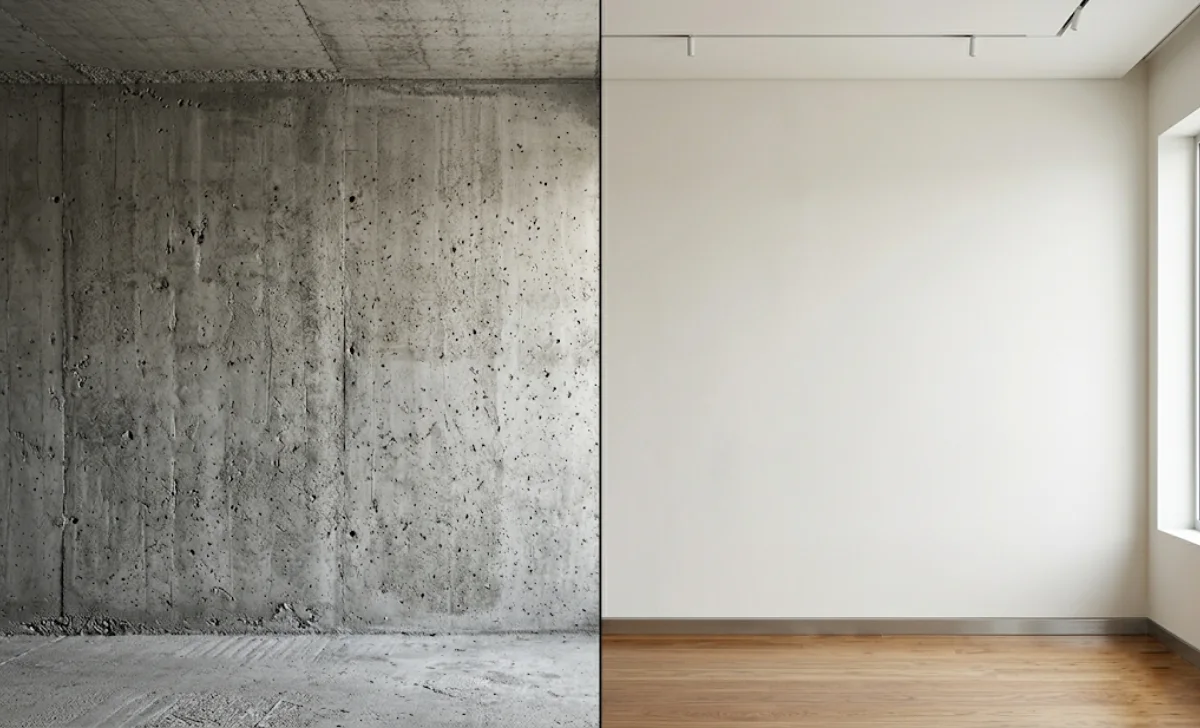
Poor finishing is one of the most common causes of property value loss and early material failure. A surface that has not been properly finished degrades faster, requires more maintenance, and creates a visual impression of low quality that is hard to reverse.
The ASID State of Interior Design Report (2024) noted that the total number of employed interior designers grew 4.1% year-over-year, reaching nearly 128,800 professionals in the United States. A significant driver of that demand is homeowners and commercial clients investing in proper finishing work after realising that structure alone is not enough.
From a practical standpoint, good acamento reduces maintenance costs over time. A properly sealed floor lasts years longer than an unsealed one. A correctly painted surface requires far fewer touch-ups. The upfront investment in quality finishing pays back consistently over the life of the space.
Design professionals consistently note that the surface is the conversation between a building and the person inside it. That framing captures what acamento does at its core. It is the point where technical construction begins to communicate quality, comfort, and care to the people who use the space.
Acamento in Outdoor and Extended Living Spaces
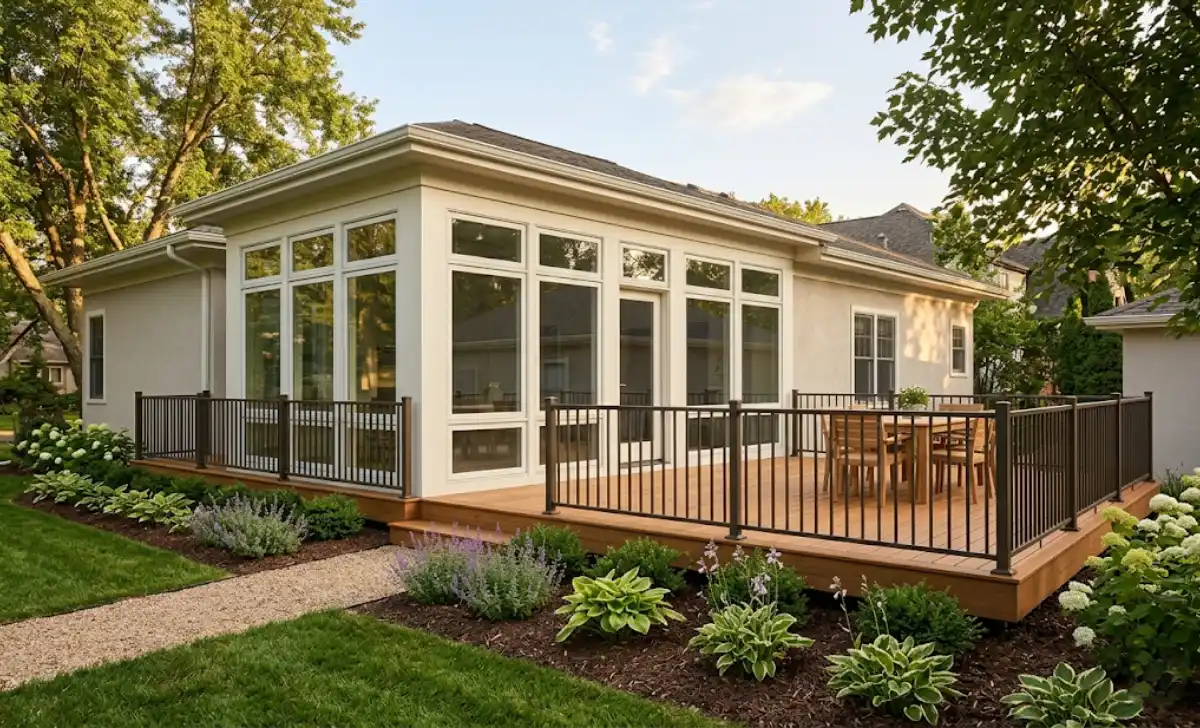
Finishing work is just as critical outside the main structure of a home. Patios, garden walls, outbuildings, metal fences, and outdoor furniture all require acamento to hold up against weather, UV exposure, and moisture.
An outdoor space without proper finishing tends to show its age quickly. Paint peels, wood greys and cracks, metal rusts, and stone stains. The result is a space that looks neglected even when the underlying structure is completely sound.
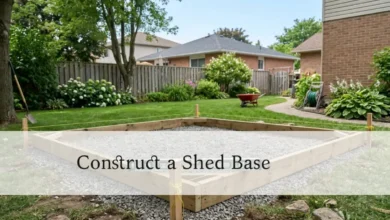
A well-planned outdoor extension, such as a three-season room, is a clear example of where acamento makes the largest visible difference. The structural frame is just the start. The finishing of walls, floors, windows, and trim determines whether the room feels like a premium addition or a temporary afterthought. This guide to three-season rooms covers the full planning and finishing considerations if you are looking to add one to your property.
According to the UK Office for National Statistics, new construction orders jumped 16.5% in Q2 2024 compared to Q1 2024, driven largely by private residential and commercial projects. That surge in construction directly increases demand for finishing trades and acamento work at the final stage of every build.
How to Apply Acamento Thinking to Real Projects
You do not need to be a professional builder to apply acamento principles to home projects. The core idea is practical: do not consider any surface or project finished until the final treatment has been applied with real care.
Here is a straightforward process to follow:
- Plan the finish before you start the base work. Knowing what finish you want helps you prepare the surface correctly from the beginning.
- Prepare surfaces thoroughly. Sanding, priming, and cleaning are not optional. They determine how well the final coat adheres and how long it holds.
- Use materials suited to the environment. Exterior paints, moisture-resistant sealants, and UV-stable coatings each serve a specific purpose in specific conditions.
- Work in the right conditions. Coatings applied in extreme heat, cold, or high humidity often fail ahead of schedule.
- Allow proper curing time. Rushing the final stage is the most common cause of finish failure in DIY projects.
- Inspect and correct before finishing. Look at the surface in different lighting conditions and fix any uneven areas before calling the job complete.
This process applies whether you are refinishing a cabinet, sealing a patio, or painting a room. Good acamento is a discipline, not a product. It is about approaching the final stage with the same attention you gave to everything that came before it.
FAQs About Acamento
What does acamento mean in simple terms?
Acamento means the final finishing stage of a project, surface, or product. It is the step where raw or unfinished materials are treated, coated, polished, or refined to bring them to their complete and professional-looking state.
Where does the word acamento come from?
The word comes from the Portuguese acabamento, meaning finishing or completion. It is commonly used in Brazil and Portugal in construction, architecture, and manufacturing to describe the final surface treatment applied to any material or structure.
Is acamento only used in construction?
No. While construction and interior design are the most common contexts, acamento applies to any field where finishing quality matters. This includes furniture manufacturing, product design, textile production, and digital design, where the final refinement of visual details is treated as finishing work.
Why does finishing quality matter so much?
The finishing stage is often what people notice first and remember longest. A poorly finished surface signals carelessness and degrades faster. A well-finished surface adds visual appeal, extends material life, and reduces long-term maintenance costs significantly.
What are the most useful finishing materials for home projects?
The most commonly used finishing materials include interior and exterior paints, wood stains and varnishes, tile grout and sealant, concrete sealers, metal protective coatings, and wall plaster or render. The right material depends on the surface type, the environment, and the level of daily wear the surface will experience.