Comfort Kitchen in Boston: Where Real Comfort Food Actually Lands
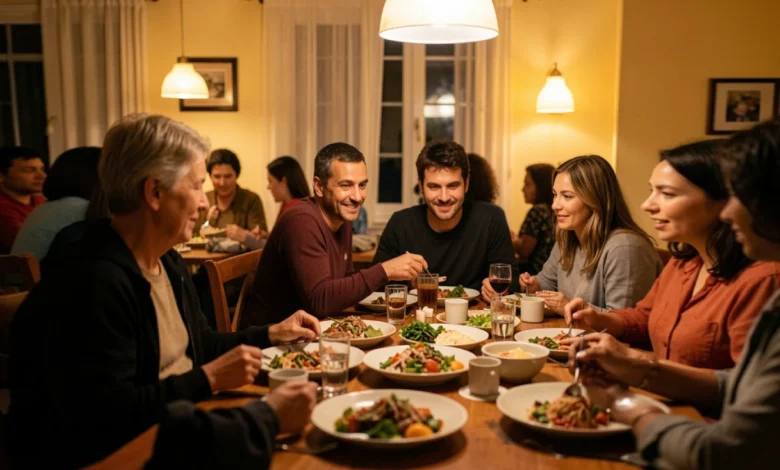
Comfort Kitchen in Dorchester serves classic comfort dishes with fresh ingredients and precise execution. The restaurant offers generous portions, reasonable prices, and a casual atmosphere that makes regulars feel at home. Whether you’re craving fried chicken, seasonal vegetables, or house-made pasta, you’ll find dishes designed for actual satisfaction rather than Instagram appeal.
When you walk into Comfort Kitchen, you notice immediately that nothing here is trying too hard. The dining room stays simple. The menu stays focused. The food tastes as if someone cared about flavor rather than trend. In a city where restaurants often chase hype or nostalgia, Comfort Kitchen grounds itself in straightforward cooking that works. You get warm, filling food that justifies the trip to Dorchester and the price on your bill.
Why Comfort Kitchen Fills a Gap in Boston Dining
Boston’s restaurant scene has shifted. Fine dining became fancier. Casual spots became Instagram-obsessed. What disappeared was the middle ground: places where you eat excellent food without ceremony, and where the bill doesn’t make you pause.
Comfort Kitchen operates in that space. The restaurant opened to fill a specific need in Dorchester, a neighborhood that deserved better dining options without the pretension or premium markup of downtown establishments. The owners recognized that comfort food doesn’t mean cheap food or mediocre food. It means honest food cooked with skill.
The menu reflects seasonal availability and what works best right now, not what worked three months ago. This approach keeps dishes relevant and fresh. You’re not eating tired versions of last year’s specials. The kitchen respects the ingredient first, technique second, and presentation somewhere further down the list.
What Sets the Menu Apart
Many restaurants throw the word “comfort” around without understanding what diners actually want. Comfort Kitchen’s menu avoids that trap. Fried chicken arrives golden and crispy, with meat so juicy you question how they managed it. The seasoning hits right. The sides feel purposeful rather than obligatory.
Seasonal vegetables get more attention than typical comfort spots provide. You might find roasted root vegetables with proper caramelization, greens prepared with care, or a simple salad where the vinaigrette tastes balanced. This matters because sides often reveal a kitchen’s attention to detail. When a restaurant nails the small plates, the main courses typically follow.
Pasta dishes rotate, which keeps regular visitors interested and prevents menu fatigue. House-made pasta has a different texture and mouthfeel than dried pasta, and the kitchen uses that to its advantage. Sauces stay balanced, proteins feel generous, and portions satisfy without feeling excessive.
The beverage program stays intentional. Beer and wine selections focus on bottles that pair with the food rather than rare finds or high markups. You can drink well here without spending recklessly.
Navigating Your First Visit
Timing shapes your experience at Comfort Kitchen. Weeknights tend toward quieter service, which means the kitchen gives your food appropriate attention. Weekends bring crowds, especially during dinner service on Friday and Saturday. If you prefer less noise and easier conversation, aim for Tuesday or Wednesday.
Call ahead during peak hours. The restaurant doesn’t hold many tables, and walking in expecting a seat on a Saturday night often means waiting 45 minutes or leaving. A quick call confirms availability. Reservations help, though walk-ins can land seats during slower periods.
The staff understands the menu and won’t oversell. Ask questions about what’s fresh, what’s selling well, and what they recommend. They know the difference between the roasted chicken this week and the braised meat next week. Their suggestions tend toward accuracy rather than pushing expensive items.
Start with something straightforward on your first visit. Order the fried chicken or the seasonal roast. Pair it with the side that sounds most appealing. This approach lets you evaluate the kitchen’s baseline quality. On return visits, you can experiment with specials or less obvious menu items.
Value and Pricing
Comfort Kitchen prices reasonably for the portion size and quality you receive. Main dishes typically run between $18 and $28, with sides priced separately at $5 to $7 each. This structure means you control your total spend. A modest meal costs less; a fuller experience costs more. You’re not forced into an expensive tasting menu or forced into skimpy portions.
Compared to downtown Boston restaurants serving similar quality, Comfort Kitchen delivers better value. You get more food for your money, better execution, and no pretension tax. The meal costs what it’s worth, not what the location or buzz demands.
Lunch often costs slightly less than dinner, making it a smart time for budget-conscious eaters. The kitchen applies the same care to both seatings, so quality doesn’t drop at midday. Lunch also means empty seats and quieter service if you prefer a more relaxed experience.
Comfort Kitchen vs. Other Boston Comfort Spots
Several restaurants claim the comfort food label in Boston. Menton, Row 34, and other spots do good work, but they operate differently. Menton focuses on refined technique and plating. Row 34 emphasizes oysters and seafood. Comfort Kitchen strips everything back to cooking quality and food that tastes good.
Myers and Chang serve Asian comfort food with precision. The execution rivals Comfort Kitchen’s level, but the cuisine and price point differ. Both restaurants share a commitment to avoiding gimmicks, which explains why they both attract loyal regulars.
The closest comparison might be smaller neighborhood spots that cook well and charge fairly. Comfort Kitchen matches that energy while maintaining a more polished dining room and broader menu. You get neighborhood authenticity with kitchen skills that justify the price.
Dish Recommendations
The roasted chicken deserves to be your first order. The kitchen sources good birds and treats them simply, letting the meat speak. Skin crisps. Flesh stays moist. Seasoning enhances rather than overwhelms.
Braised short ribs appear frequently and showcase the kitchen’s ability to handle meatier preparations. The braise runs long enough for tenderness but stops before falling apart into mush. Sauce coats rather than swims.
The seasonal vegetable plate works for diners avoiding meat or want more produce. This isn’t rabbit food. Vegetables get proper cooking, proper seasoning, and portions that satisfy alongside bread or a side of grains.
Order multiple sides. The kitchen takes sides seriously. A simple buttered vegetable or a composed salad reveals cooking competence that many restaurants skip.
Getting There and Parking
Comfort Kitchen sits on a Dorchester street with street parking, which can range from available to impossible depending on timing. The restaurant doesn’t offer its own lot. On weekday evenings and midday hours, parking exists within a few blocks. Weekend nights create more challenges. Plan to arrive 10 to 15 minutes early to find a spot, or budget for paid parking nearby.
Public transit connects to the location via the Red Line and local bus routes. If you’re coming from downtown Boston or Cambridge, transit beats driving and parking. The commute takes about 20 minutes from downtown.
Ride-sharing works as an option, though costs add up if you’re not splitting the fare. For a date night or special occasion, the cost might justify the convenience.
FAQs
Do I need a reservation?
Reservations help during dinner service Friday through Sunday. Weeknight dining accommodates walk-ins more easily. Call ahead if you have a party of four or more any night.
What’s the best dish to start with?
Order the roasted chicken. It shows the kitchen’s baseline skill and gives you a fair sense of quality.
Is the restaurant kid-friendly?
Comfort Kitchen works for families. The noise level stays manageable, kids fit the casual atmosphere, and portions can be shared or split.
What’s the parking situation?
Street parking only. Weekday parking is easier. Weekends may require walking several blocks or using a paid lot. Transit is a viable alternative.
How long is a typical meal?
Plan 90 minutes to two hours. Service moves at a reasonable pace without rushing. You control the speed by how long you linger over drinks.
Can I get takeout?
Takeout works for certain dishes. Call first to confirm what’s available to go. Some items hold quality better than others during transport.