Cana Real Estate: Your Complete Guide to Buying Property in Virginia’s Hidden Gem
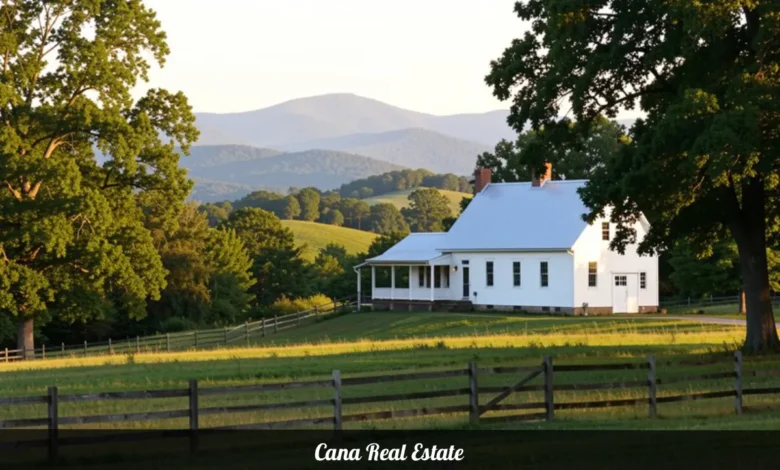
Cana real estate offers affordable rural properties in Carroll County, Virginia, with median home prices around $253,000 as of early 2026. This small community near the Blue Ridge Mountains features farmhouses, mountain cabins, and large acreage lots. Properties average 49 days on market, offering buyers more time than the national average. Cana provides access to outdoor recreation, scenic views, and proximity to Mount Airy, NC, while maintaining peaceful country living.
What Makes Cana Real Estate Unique
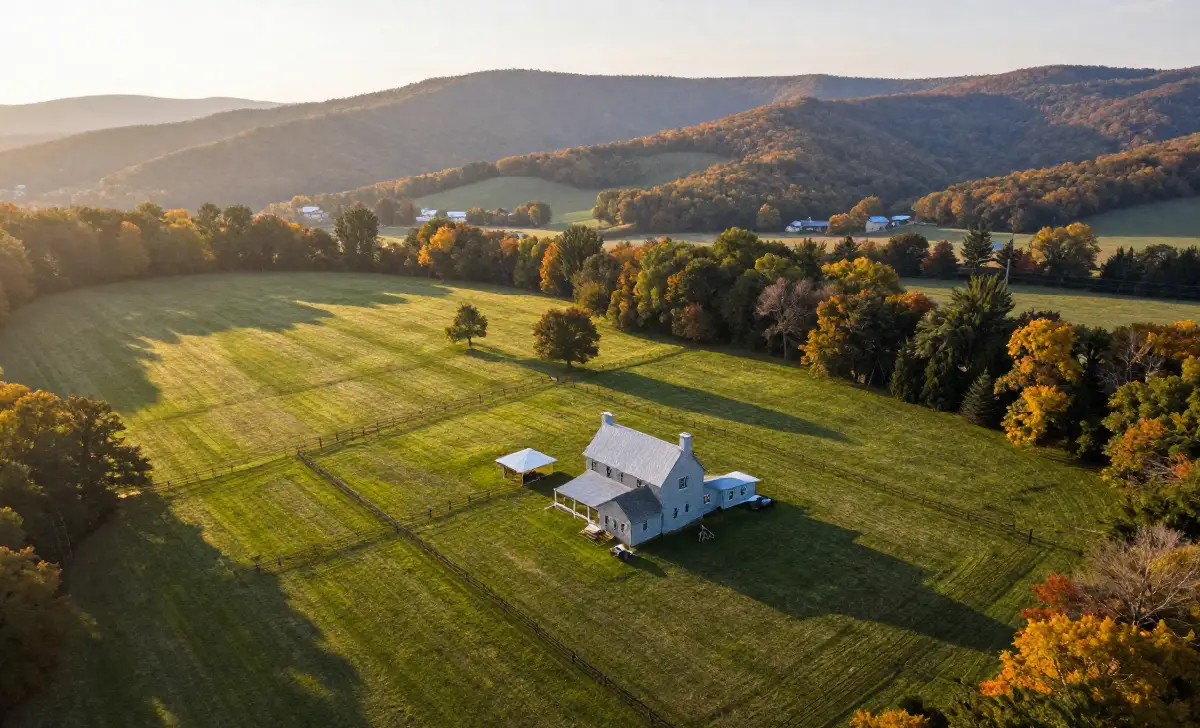
You won’t find crowded subdivisions or cookie-cutter homes in Cana, Virginia. This rural community in Carroll County sits at the foothills of the Blue Ridge Mountains, where property values remain significantly below state averages.
The median home price in Cana reached $253,000 in January 2026, according to current market data. Compare that to Virginia’s statewide median of $427,600, and you’ll see why buyers are paying attention. Properties here include everything from historic farmhouses to modern mountain retreats, with lot sizes that give you room to breathe.
What sets Cana apart is its location. You’re just 8 miles from Mount Airy, North Carolina, and minutes from the Blue Ridge Parkway. The area attracts buyers looking for privacy, mountain views, and land without the premium price tags found in more developed mountain towns.
Current Market Trends in Cana, Virginia
The Cana housing market is moving at a measured pace in 2026. Homes spend an average of 49 days on the market, slightly faster than the national average of 52 days. This gives you more time to make informed decisions compared to competitive markets where properties sell in days.
Inventory levels improved throughout 2025 and continue rising in early 2026. More sellers are listing properties, and homes stay available longer. This shift creates better conditions for buyers who faced limited options in previous years.
Price ranges vary widely based on property type and acreage. Current listings span from $120,000 for modest homes to over $2.4 million for large estates. Most single-family homes fall between $200,000 and $400,000, making homeownership accessible for a range of budgets.
Virginia’s statewide market trends point to gradual stabilization in 2026. Mortgage rates hover around 6%, down from the 7% seen in early 2025. This modest decline makes financing more manageable, though rates remain higher than the historic lows of 2020-2021.
Types of Properties Available in Cana
Cana real estate encompasses diverse property types that reflect the area’s agricultural heritage and mountain setting.
Farmhouses and Rural Homes Traditional farmhouses dominate the market. These properties often sit on 3 to 10 acres, with some reaching 50 acres or more. Expect well water, septic systems, and mature landscaping. Many have been updated with modern kitchens and bathrooms while maintaining original character.
Mountain Cabins and Retreats Vacation cabins and weekend retreats make up a significant portion of available inventory. These properties range from rustic to upscale, with amenities like wraparound decks, mountain views, and proximity to outdoor recreation. Some serve as short-term rentals, creating income opportunities.
Ranch-Style Homes Single-story ranch homes built from the 1960s through today offer accessible living on level lots. These properties typically feature 3 bedrooms, 2 bathrooms, and attached garages. Lot sizes run from 1 to 5 acres.
Manufactured Homes Affordable manufactured homes provide entry points into the market. These sit on owned land parcels, often with room for gardens, workshops, or livestock. Prices start around $120,000 for well-maintained units.
Vacant Land Raw land attracts builders and investors. Parcels range from 5 to 100+ acres, with prices varying based on road access, utilities, and topography. Many lots offer mountain views and proximity to natural attractions.
Lifestyle and Amenities in Cana
Living in Cana means trading convenience for space and natural beauty. The community maintains a rural character that appeals to those seeking slower-paced living.
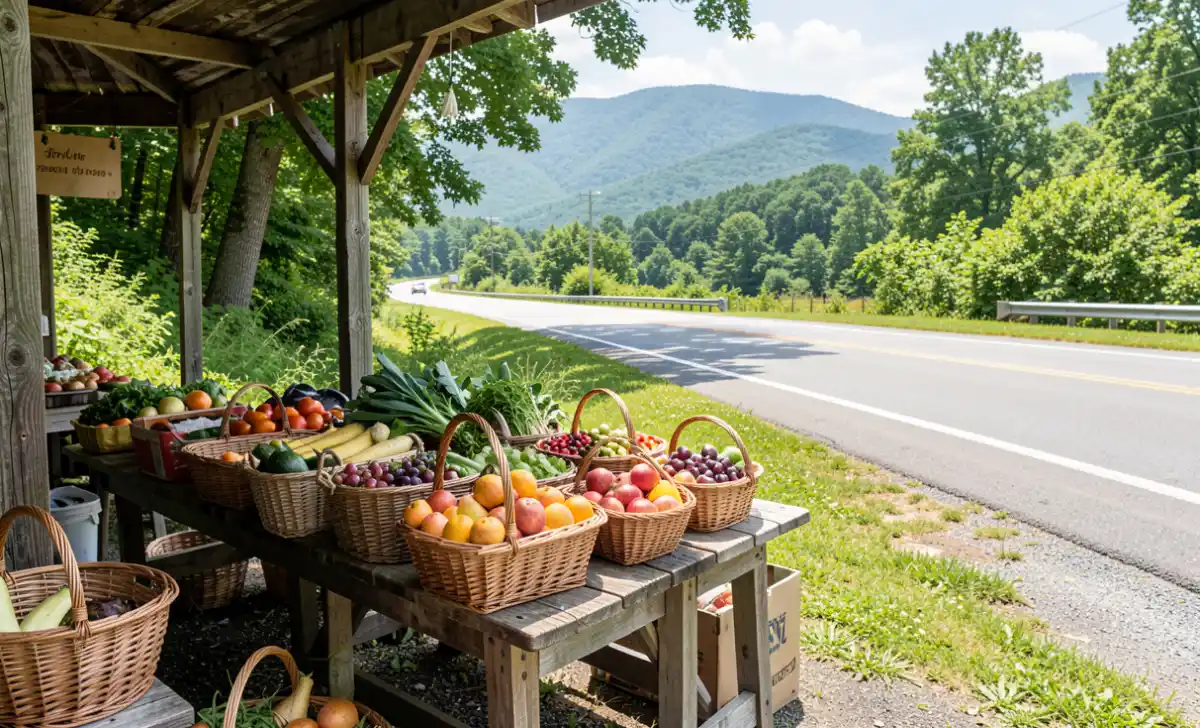
Produce Alley and Local Agriculture: Cana’s claim to fame is Produce Alley, a 6-mile stretch along U.S. Route 52 where farmers sell fresh fruit, vegetables, and flowers. Popular stands like B&B Produce and Virginia-Carolina Enterprises draw visitors from North Carolina throughout the summer and fall. This agricultural heritage shapes the community’s identity.
Outdoor Recreation Access: Your backyard becomes a launching point for outdoor activities. New River Trail State Park is within 45 minutes, offering hiking and biking on a 57-mile rail trail. Stone Mountain State Park and Pilot Mountain provide climbing, camping, and scenic overlooks. Lovill’s Creek Lake offers local fishing and boating without the crowds.
Dining and Local Businesses: The Cana Copper Pot serves southern comfort food, while The Fancy Gap Country Store combines barbecue with live bluegrass music and homemade ice cream. You’ll drive to Mount Airy or Galax for grocery shopping and most services.
Schools and Education: Children attend St. Paul School for prekindergarten through seventh grade. Carroll County Middle School and Carroll County High School serve older students. Families value small class sizes and community connections.
Healthcare Access: Tri-Area Community Health at Cana provides primary care. The nearest hospital is in Mount Airy, approximately 15 minutes away. Emergency services cover the area through county systems.
Investment Potential in Cana Real Estate
Cana presents specific investment angles worth considering.
Below-Market Entry Points: With median prices roughly half of Virginia’s statewide average, you can acquire property at relatively low cost. This affordability attracts first-time buyers, retirees on fixed incomes, and investors seeking cash-flow rental properties.
Land Banking Opportunities: Large acreage parcels remain available at reasonable prices. Carroll County totals nearly 3,000 acres of land currently for sale, valued at approximately $55 million. Investors purchase land for future development or conservation.
Short-Term Rental Market: Proximity to the Blue Ridge Parkway and nearby attractions creates demand for vacation rentals. Mountain cabins with views and amenities generate rental income when marketed to tourists and weekend visitors.
Agricultural Uses: Working farms and agricultural land support livestock, crops, and specialty products. Some buyers maintain small farms while generating income from produce sales or agritourism.
The investment outlook depends on broader economic factors. Virginia’s housing market shows stability heading into 2026, with experts predicting 2-4% price appreciation statewide. Rural areas like Cana typically experience slower growth than urban centers, but they also avoid dramatic swings.
Buying Cana Real Estate: What You Need to Know
The purchasing process in Cana follows Virginia real estate law with some rural-specific considerations.
Property Inspections: Rural properties require thorough inspections. Check septic systems, well water quality, and structural integrity. Many homes sit on properties with outbuildings, barns, or sheds that need separate evaluation. Budget $500-800 for comprehensive inspections.
Water and Utilities: Most Cana homes use private wells and septic systems rather than municipal services. Test well water for contaminants and verify septic system condition and capacity. Electric service is standard, though some remote parcels may need line extensions.
Road Access and Maintenance: Some properties sit on private or unpaved roads. Clarify road maintenance responsibilities and access easements. Winter weather occasionally closes mountain roads, so verify year-round accessibility if that matters to you.
Title and Survey Issues: Rural land sometimes has unclear boundaries or old survey markers. Order a current survey for vacant land purchases. Title insurance protects against ownership disputes, which can arise with inherited or long-held family properties.
Financing Considerations: Conventional mortgages work for most Canadian properties. USDA loans may be available for qualifying buyers in designated rural areas, offering zero down payment options. Land loans typically require 20-30% down and carry higher interest rates than home loans.
Working with Local Agents: Local real estate agents know property histories, land values, and community dynamics. They can identify issues invisible to outside buyers. Firms like Virginia Mountain Realty, Kyle Realty, and Berkshire Hathaway HomeServices Mountain Sky Properties actively serve the area.
Selling Your Cana Property
Sellers face a different set of considerations in rural markets.
Pricing Strategy: Comparable sales can be sparse in rural areas. Your agent will look at properties within 10-15 miles and adjust for acreage, condition, and amenities. Overpricing leads to extended market time, while competitive pricing attracts serious buyers.
Property Presentation: Buyers expect rural properties to show well, even if they’re rustic. Mow fields, trim trees, and clear brush to showcase the land. Make sure wells and septic systems pass inspections before listing to avoid deal-killing surprises.
Marketing Approach: Quality photos highlighting mountain views, acreage, and unique features matter. Your listing should emphasize lifestyle benefits like privacy, outdoor access, and space. Target buyers relocating from urban areas or seeking vacation properties.
Timing Considerations: Spring and summer bring more buyers to mountain areas. Fall foliage attracts tourists who might become property buyers. Winter can be slow, though serious buyers shop year-round.
Carroll County and Regional Context
Understanding Cana requires looking at Carroll County’s broader housing market.
Carroll County currently has approximately 274-331 homes for sale, according to various MLS sources. This inventory represents a mix of single-family homes, manufactured housing, and vacant land. The county ranks fifth in Virginia for total acreage of land currently advertised for sale.
Other Carroll County communities include Hillsville (the county seat), Fancy Gap, and Galax. Each offers different amenities and price points. Hillsville provides more services and shopping, while Fancy Gap attracts tourists with its Blue Ridge Parkway access.
Route 52 connects Cana to these surrounding areas and crosses into North Carolina at Mount Airy. Interstate 77 runs through the county, providing access to larger cities. Roanoke sits about 90 minutes northeast, while Winston-Salem is roughly 75 minutes south.
2026 Market Forecast for Cana Real Estate
Multiple factors will shape Cana’s housing market through 2026.
Interest Rate Trajectory: Mortgage rates are expected to drift down to the low 6% range during 2026, according to Virginia REALTORS® forecasts. This gradual decline could increase buyer activity, particularly among first-time purchasers who have been waiting for more affordable financing.
Inventory Levels: Expect continued inventory growth as more sellers list properties. Virginia saw inventory improvements throughout 2025, and this trend should continue. More options give buyers negotiating power and reduce bidding wars.
Price Appreciation: Statewide forecasts predict 2-4% home price increases in Virginia during 2026. Rural markets like Cana typically see slower appreciation than urban areas. Expect modest growth rather than dramatic jumps.
Buyer Demographics: Baby boomers retiring and relocating continue to influence housing demand. Younger buyers seeking affordable homeownership may discover rural markets like Cana as prices in urban areas remain elevated. Remote workers value space and affordability over proximity to offices.
Economic Factors: National economic conditions, inflation, and employment trends all impact housing markets. Virginia’s economy remains relatively stable, supported by government employment, technology sectors, and defense contracting. Carroll County’s economy relies more heavily on agriculture, manufacturing, and tourism.
The overall outlook points to stable conditions with modest growth. No housing crash appears likely in rural Virginia markets. Buyers have a better negotiating position than in recent years, while sellers can still expect reasonable offers if properties are priced correctly.
Final Thoughts
Cana real estate offers a distinct value proposition in Virginia’s housing market. You’ll find affordable properties with space, privacy, and mountain access that would cost significantly more in better-known mountain towns.
The market favors prepared buyers in early 2026. Inventory has improved, interest rates are stabilizing, and sellers show more flexibility. Take time to inspect properties thoroughly, understand rural living requirements, and work with experienced local agents.
Whether you’re seeking a primary residence, vacation retreat, investment property, or land for future development, Cana deserves consideration. The community maintains an authentic rural character while providing access to outdoor recreation and natural beauty.
FAQs
What is the average home price in Cana, Virginia?
The median home price in Cana is approximately $253,000 as of early 2026. This is significantly below Virginia’s statewide median of $427,600. Individual properties range from $120,000 for manufactured homes to over $2 million for large estates with extensive acreage.
How long do homes stay on the market in Cana?
Homes in Cana spend an average of 49 days on the market, slightly faster than the national average of 52 days. This gives buyers more time to evaluate properties compared to competitive urban markets where homes sell within days.
What types of properties are common in Cana?
Cana features farmhouses on 3-10 acre lots, ranch-style homes, mountain cabins, manufactured homes, and vacant land parcels. Most properties include well water and septic systems rather than municipal utilities. Large acreage tracts are available for buyers seeking privacy or agricultural uses.
Is Cana a good place to invest in real estate?
Cana offers investment potential through below-market pricing, vacation rental opportunities, and land banking. Properties cost roughly half of Virginia’s average, creating accessible entry points. Proximity to the Blue Ridge Parkway supports vacation rental demand. However, rural markets typically appreciate more slowly than urban areas.
What should I know before buying property in Cana?
Expect private wells and septic systems that require inspection and testing. Verify road access and maintenance agreements, especially for properties on unpaved or private roads. Order current surveys for land purchases. Work with local agents familiar with rural property issues and community dynamics.