Tulum Real Estate: 2026 Market Guide for Smart Investors
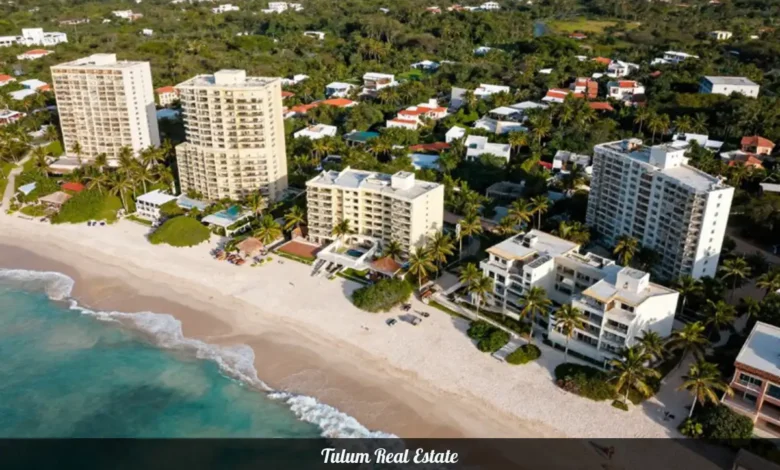
Tulum real estate has shifted from pandemic boom to market correction. Prices in oversupplied areas dropped 5 to 10 percent through 2025, while prime beachfront properties held steady. The market now favors buyers who negotiate hard and choose locations carefully. This guide breaks down what works, what doesn’t, and where opportunities exist for investors entering the market in 2026.
The region saw explosive growth during COVID when Tulum remained open while other destinations shut down. Developers rushed to build, creating a supply glut that still affects rental yields today. Generic condos in jungle locations struggle to find tenants, while unique properties in established neighborhoods maintain demand. Understanding these dynamics helps you avoid costly mistakes and identify genuine value.
Current Market Conditions in Tulum: The market currently shows divergent trends across property segments. Condos in oversupplied areas face pressure, while beachfront properties and unique developments hold value better. Average condo prices sit around 5,186 MXN per square foot for apartments and 4,020 MXN per square foot for houses as of February 2026. Studio units start at 80,000 USD, one-bedrooms around 150,000 USD, and two-bedrooms from 250,000 USD.
Inventory remains high across most segments. This gives buyers leverage to negotiate below asking prices. Some areas saw corrections of 5 to 10 percent through 2025, particularly in regions 15 and 8, where generic jungle condos saturate the market. Properties with distinctive architecture and established infrastructure maintain better pricing power.
Price Trends Across Tulum Neighborhoods
Aldea Zama remains the most stable investment zone. Properties here benefit from completed infrastructure, established amenities, and consistent demand from digital nomads and lifestyle buyers. Two-bedroom condos in this area average 400,000 to 500,000 USD, with penthouse units reaching 700,000 USD or more.
La Veleta experienced the sharpest corrections. This former residential neighborhood transformed into a dense cluster of similar developments. The rapid construction outpaced infrastructure and demand, creating high vacancy rates. Prices dropped 10 to 15 percent from peak levels as owners compete for limited renters.
The Hotel Zone maintains premium valuations with minimal inventory. Beachfront properties command 5,000 USD per square meter or higher. Limited supply and environmental restrictions prevent new construction, supporting prices even during broader market weakness.
Current Rental Market Performance
Rental yields crashed across most segments. Generic condos barely cover expenses after property management fees, maintenance, and vacancies. The supply glut created a price war among landlords competing for the same pool of tenants. Properties that once generated 10 to 12 percent returns now struggle to reach 3 to 5 percent.
High-end luxury villas represent the exception. These properties still achieve 7 to 8 percent net yields thanks to limited competition and wealthy travelers willing to pay premium rates. Villas priced above 1.5 million USD maintain occupancy through peak season and command nightly rates of 500 to 1,500 USD.
Long-term rental demand exists but remains inconsistent. Digital nomads and expats prefer six-month to one-year leases in developed neighborhoods like Aldea Zama and Centro. Monthly rents for two-bedroom units range from 1,500 to 2,500 USD, depending on location and amenities.
Best Investment Opportunities in 2026
The resale market offers compelling value. Investors who bought during COVID face disappointment from rental income projections that never materialized. Many sell at 30 to 40 percent discounts compared to current pre-construction pricing. These motivated sellers create opportunities for lifestyle buyers and patient investors.
Beachfront land appeals to long-term holders. Parcels within gated communities near Tankah Bay start at 300 USD per square meter. Land closer to established infrastructure commands 500 USD per square meter. Environmental restrictions limit future supply, supporting appreciation potential over five to ten years.
Distressed development projects provide opportunities for experienced investors. Some developers ran out of capital with buildings 60 to 70 percent complete. These projects sell below construction cost, allowing buyers to finish and sell units profitably. This strategy requires construction expertise and significant capital reserves.
Infrastructure Impact on Property Values
Tulum International Airport opened in 2023, but underperformed initial projections. The facility processed over one million passengers in its first year, exceeding government estimates. However, several airlines canceled routes due to lower-than-expected demand. Connectivity improvements continue, but impact property values less dramatically than initially forecast.
The Maya Train operates between Cancun and Tulum but faces utilization challenges. The station sits far from downtown Tulum, requiring taxi rides to reach most neighborhoods. This distance reduces convenience and limits the train’s positive effect on nearby property values. Future development may shift toward the station area over time.
New highway connections improve access to the airport and the surrounding region. These roads reduce travel time between Tulum Centro and the coast. Properties along major corridors benefit from improved accessibility, while jungle locations remain dependent on unpaved roads.
Neighborhoods to Buy and Avoid
Aldea Zama leads for stability and livability. This masterplanned community features paved roads, underground utilities, and established commercial areas. Cafes, coworking spaces, and restaurants create a walkable neighborhood. Families and digital nomads favor this location for mid-term to long-term stays.
Tulum 101 represents premium masterplanned living. This gated community guarantees development standards for neighboring properties. Units feature high-end finishes and resort amenities. Prices reflect the premium positioning, making this a lifestyle play rather than an income investment.
Region 15 and Region 8 should be avoided. These jungle areas feature hundreds of generic apartments without proper infrastructure. Unpaved roads, limited utilities, and distance from amenities make these units difficult to rent. Many developments face bankruptcy or severe delays.
Centro Tulum offers affordability with local character. This area attracts budget travelers, backpackers, and long-term digital nomads. Properties cost less than tourist zones but maintain steady demand. Buyers should check noise levels before purchasing, as some blocks include loud bars and nightlife.
Property Types and Target Buyers
Studios and one-bedrooms struggle the most. Oversupply in this segment creates intense competition. These units work best for owner-occupants who use them personally and rent occasionally during peak season. Pure investors should avoid unless purchasing at significant discounts.
Two and three-bedroom units serve families and groups. These properties maintain better occupancy than studios, especially in established neighborhoods. Lock-off configurations add flexibility by allowing owners to separate units for simultaneous rental and personal use.
Luxury villas with a target of one million USD target high-net-worth buyers. Limited supply and unique architecture differentiate these properties from generic developments. Buyers seek privacy, premium finishes, and locations near beaches or natural features. This segment shows the most resilience through the market correction.
Legal Requirements for Foreign Buyers
Foreign ownership requires a bank trust called a fideicomiso. This structure allows non-Mexicans to hold property rights in restricted zones within 50 kilometers of the coast. The trust costs approximately 500 to 700 USD annually and provides the same ownership rights as direct title.
Buyers must obtain a tax identification number (RFC) from Mexican authorities. This number enables legal property transactions and tax filings. The process takes two to three weeks and requires a notary public to facilitate.
Title insurance remains optional but recommended. Mexican property law differs significantly from the US and Canadian systems. Title insurance protects against liens, disputes, and documentation errors that may not surface during standard due diligence.
Pre-Construction Risk Assessment
Developer bankruptcies increased through 2024 and 2025. Multiple projects stopped construction, with buyers losing deposits or receiving incomplete units years behind schedule. Buyers considering pre-construction must verify the developer’s track record and financial stability before committing.
Payment structures favor developers over buyers. Mexican law allows developers to collect full payment before delivering the title. This creates exposure if the developer encounters financial trouble. Escrow arrangements remain rare, leaving buyers with limited recourse.
Construction delays persist across most projects. Labor shortages, permit issues, and funding gaps push delivery dates back 12 to 24 months beyond original promises. Buyers planning on rental income should assume longer timelines and reduced returns.
Environmental and Infrastructure Concerns
Water and sewage systems lag behind the construction pace. Most developments rely on individual wells and treatment plants rather than municipal infrastructure. Water quality varies significantly, with some areas showing contamination from inadequate treatment facilities.
Sargassum seaweed affects beaches for six months per year. This algae accumulation makes swimming unpleasant and creates maintenance headaches for beachfront properties. The problem intensified over recent years with no permanent solution implemented.
Road paving projects move slowly. Many neighborhoods built in recent years still lack paved roads. Developer promises to pave streets, but these promises often go unfulfilled as projects face financial pressure. Buyers should verify road conditions before purchasing in developing areas.
Final Thoughts
Tulum real estate presents opportunities for specific buyer profiles. Lifestyle investors seeking personal use should negotiate hard and focus on established neighborhoods. The resale market offers better value than pre-construction, given the current oversupply and developer risk. Patient investors with five to ten year horizons might consider beachfront land or distressed projects, but expect minimal rental income during the holding period.
Pure rental investors should look elsewhere. Current yields fail to justify the risks of foreign property ownership, currency exposure, and market volatility. The market needs several years to absorb existing inventory before rental economics improve meaningfully. Buyers enter this market for lifestyle benefits and long-term appreciation potential, not immediate cash flow.