What Does Under Contract Mean in Real Estate
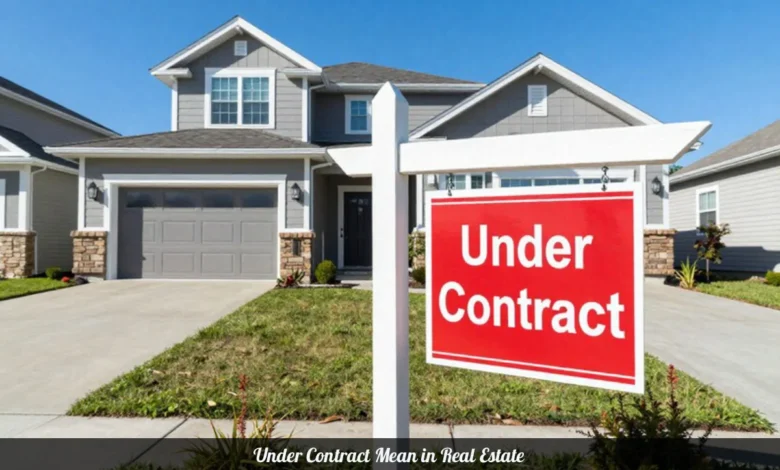
Under contract in real estate means a buyer and seller signed a purchase agreement, but the sale hasn’t closed yet. The home has an accepted offer with specific conditions—called contingencies—that both parties must satisfy before ownership transfers. These conditions typically include financing approval, home inspections, and appraisals. The home stays off the market in most cases, but sellers may accept backup offers if the primary deal falls through. Unlike “pending” status, where all contingencies are met, under contract homes remain in negotiation until every condition is met.
You found your dream home online. The photos look perfect, the location checks every box, and the price fits your budget. You schedule a showing, fall in love with the property, and submit an offer. The seller accepts—and you’re ready to celebrate.
Then you check the listing again and see those two words: “under contract.”
Your excitement shifts to confusion. Does this mean the house is sold? Can other buyers still make offers? What happens next?
These questions matter because understanding the under-contract phase prevents costly mistakes. Buyers who grasp this stage know when to pursue backup offers and when to move on. Sellers who understand it protect themselves from deals that might collapse. This guide breaks down exactly what under contract means, how it differs from other listing statuses, and what you can do during this critical period.
Under Contract Means Accepted Offer, Not Closed Sale
When a home goes under contract, the seller accepted a buyer’s written offer. Both parties signed a legally binding purchase agreement that outlines the sale price, closing date, and specific conditions each side must meet.
This status doesn’t mean the keys have changed hands. The deal sits in limbo between acceptance and closing—typically lasting 30 to 60 days while both parties work through requirements spelled out in the contract.
The contract includes contingencies. Think of contingencies as escape hatches that protect buyers (and sometimes sellers) from unforeseen problems. A financing contingency lets the buyer back out if their mortgage falls through. An inspection contingency allows the buyer to walk away if the home inspection reveals major defects that the seller won’t fix.
According to real estate data from January 2025, 14.3% of home purchase agreements fell through, proving that an under contract doesn’t guarantee a finalized sale. Until every contingency clears and both parties sign closing documents, the home isn’t officially sold.
How Under Contract Differs From Pending and Contingent
Real estate listings use different terms to signal where a property stands in the sales process. These distinctions matter because they tell you whether you still have a shot at buying the home.
Under Contract: The seller accepted an offer, but contingencies remain active. Some sellers keep accepting backup offers during this stage, giving other interested buyers a chance to step in if the primary deal collapses.
Contingent: The sale depends on one or more specific conditions being met. The buyer might need to sell their current home first, or the property might require repairs before closing. This status signals progress but no certainty.
Pending: All contingencies are satisfied. The home is in the final stages before closing—title work, final walk-through, and paperwork completion. Most pending sales close without issues because the major hurdles have been cleared.
Different regions and Multiple Listing Services (MLS) use these terms differently. What one MLS calls “under contract” might be labeled “contingent” in another area. Your real estate agent can clarify your local MLS terminology.
Active Under Contract Keeps the Door Open for Backup Offers
Active under contract means the seller accepted an offer but hasn’t removed the listing from public view. The home stays visible to other buyers, and the seller continues accepting backup offers.
Sellers choose this approach when they suspect the current deal might fail. Maybe the buyer’s financing looks shaky. Maybe multiple strong offers came in at once, and the seller wants a safety net. Whatever the reason, active under contract signals caution rather than confidence.
Real estate agents change listings to active under contract when buyers and sellers reach an agreement on price and sign an offer, but the seller wants protection against potential deal collapse. If you spot a home with this status, you can still submit a backup offer. Your offer becomes the primary contract if the first buyer walks away or fails to meet their obligations.
Some listings specify whether they’re “show” or “no show” properties. Show properties allow agents to schedule tours for potential backup buyers. No-show properties restrict access, but you can still submit written offers without viewing the home again.
The Timeline From Under Contract to Closing Day
Once a seller accepts your offer, the clock starts ticking on a structured process with specific deadlines. Missing a deadline can cost you your earnest money deposit or your right to cancel without penalty.
Week 1-2: Earnest Money and Initial Paperwork
You’ll deposit earnest money—usually 1% to 3% of the purchase price—into an escrow account. This money proves you’re serious about buying and later counts toward your down payment at closing. Your lender begins processing your mortgage application, ordering credit checks and income verification.
Week 2-3: Home Inspection Period
A licensed inspector examines the property’s structure, systems, and safety. The inspection typically covers the roof, foundation, plumbing, electrical, HVAC, and major appliances. If problems surface, you can request repairs, ask for a price reduction, or cancel the contract and receive your earnest money back.
Week 3-4: Appraisal
Your lender orders an appraisal to confirm the home’s market value matches or exceeds the purchase price. If the appraisal comes in low, you’ll need to cover the difference in cash, renegotiate the price, or walk away. This protection prevents you from overpaying and protects the lender from loaning more than the home is worth.
Week 4-5: Final Loan Approval
Your lender completes underwriting—the final review of your finances, employment, and creditworthiness. Avoid making large purchases, opening new credit accounts, or changing jobs during this period. Any financial change can delay or derail your loan approval.
Week 5-6: Final Walk-Through
A day or two before closing, you’ll tour the property one last time. This isn’t a second inspection. You’re verifying that agreed-upon repairs were completed and nothing changed since your last visit. The home should be in the same condition as when you made your offer.
Closing Day
You’ll sign final documents, transfer funds, and receive the keys. Ownership officially changes hands, and the home’s status updates from under contract to sold.
Common Contingencies That End Under Contract Deals
Contingencies give buyers legal ways to exit contracts without losing their earnest money. Understanding which contingencies cause the most deal failures helps both buyers and sellers manage expectations.
Financing Contingency
This protects buyers who need mortgage approval to complete the purchase. You’ll have 30 to 45 days to secure final loan approval. If your lender denies your application or offers unacceptable terms, you can cancel the contract. Job loss, credit score drops, or new debt during the under-contract period often trigger financing failures.
Inspection Contingency
Professional home inspections uncover hidden problems—failing HVAC systems, roof damage, plumbing issues, electrical hazards, or structural defects. If the inspection reveals major issues and the seller refuses to make repairs or reduce the price, you can walk away with your deposit intact.
Appraisal Contingency
Lenders won’t loan more than a home’s appraised value. A 2024 Zillow survey found that 23% of sellers experienced at least one offer falling through because the appraisal came in lower than the purchase price. When appraisals fall short, buyers face three choices: pay the difference in cash, renegotiate the price, or cancel the contract.
Home Sale Contingency
If you need proceeds from selling your current home to buy the new one, a home sale contingency gives you time—typically 30 to 90 days—to close that sale. Sellers don’t love this contingency because it introduces uncertainty, but it prevents buyers from getting stuck with two mortgages or scrambling for down payment funds.
Title Contingency
A title search confirms the seller has clear ownership and can legally transfer the property. If the search uncovers liens, unpaid property taxes, or ownership disputes, the sale can’t proceed until these issues are cleared. Sellers must provide a clean title, or buyers can cancel without penalty.
Why Under Contract Deals Fall Apart
Real estate transactions collapse more often than most people expect. The period between signing a contract and closing creates multiple opportunities for deals to unravel.
Buyer Financing Problems
Mortgage approvals can fall through even after initial pre-approval. Buyers who change jobs, open new credit cards, or make large purchases during the under-contract period risk losing their loan approval. Lenders sometimes tighten requirements mid-process, leaving buyers unable to meet updated criteria.
Major Inspection Issues
Structural problems, outdated electrical systems, mold, pest infestations, or foundation cracks scare buyers away. If repair costs run high and sellers refuse to negotiate on price or fixes, buyers often exercise their inspection contingency and cancel.
Low Appraisals in Hot Markets
Competitive markets push sale prices above true market value when multiple buyers bid against each other. When appraisers use recent comparable sales to determine value, inflated purchase prices don’t hold up. Buyers and sellers must then choose between renegotiating, making up the difference in cash, or walking away.
Personal Circumstances Change
Life happens. Medical emergencies, job losses, divorces, or family crises can derail purchases. While less predictable than financing or inspection issues, personal changes cause cancellations during the contingency period when buyers still have legal exit options.
Cold Feet and Buyer’s Remorse
Some buyers simply change their minds. They second-guess the neighborhood, worry about the commute, or find a property they like better. As long as they cancel during the contingency period, they can walk away without losing their deposit.
Can You Make an Offer on a Home Under Contract
Yes, but your approach depends on whether the seller accepts backup offers. Many sellers keep accepting backups as insurance against their primary deal falling through.
Submit a Backup Offer
Contact the listing agent to confirm the seller is open to backup offers. If they are, you’ll submit a standard purchase offer with your preferred terms, price, and contingencies. The seller won’t formally accept your offer unless the primary buyer walks away, but having a backup in place gives you first priority if the deal collapses.
Your backup offer can include your own contingencies and conditions. You’re not locked into the primary buyer’s terms. If the first deal fails and the seller moves to your backup offer, you’ll enter your own under contract period with your specified timeline and requirements.
Watch for Kick-Out Clauses
Some contracts include kick-out clauses (also called bump clauses) that let sellers accept stronger offers if the current buyer doesn’t meet certain milestones. If the primary buyer misses a financing deadline or fails to satisfy a home sale contingency by a specific date, the seller can “kick out” the first buyer and move forward with a better offer.
If you submit a strong offer with fewer contingencies, quick closing, or cash payment, and the primary buyer stumbles, the seller might exercise their kick-out clause and choose your offer instead.
Smart Moves for Buyers Eyeing Under Contract Homes
Finding your ideal home only to see it go under contract feels frustrating. These strategies keep you positioned to act fast if the deal falls apart.
Set Up Automated Listing Alerts
Most real estate platforms let you save listings and receive instant notifications when the status changes. If a home returns to active status, you’ll know immediately—often before other buyers notice. Speed matters in competitive markets, so automated alerts give you a crucial advantage.
Get Pre-Approved Before Making Offers
Pre-approval shows sellers you’re a serious buyer with verified income, assets, and creditworthiness. If the primary buyer’s financing fails and you’re ready to close quickly, you’ll stand out among other backup offers. Pre-approval also helps you move faster when the home becomes available again.
Stay Connected With Your Agent
Your real estate agent can monitor the under-contract property’s progress and alert you to changes. Agents often know when deals hit snags before listing statuses update online. Maintaining regular contact ensures you don’t miss your opportunity.
Keep House Hunting
Don’t put all your hopes on a backup offer. Continue viewing other properties and making offers on homes that interest you. If your backup offer gets accepted, great. If not, you haven’t wasted weeks waiting for a deal that might never materialize.
Seller Options While a Property Is Under Contract
Sellers have limited choices once they sign a contract, but a few strategic moves protect you if the deal starts looking shaky.
Accept Backup Offers
Keeping the door open to backup offers creates a safety net. If your primary buyer backs out, you can immediately move to the next offer without relisting and starting from scratch. This approach works especially well in slower markets where finding a new buyer could take weeks or months.
Negotiate Shorter Contingency Windows
If you’re nervous about the buyer’s financing or need to close quickly, negotiate shorter deadlines for contingencies. A 10-day inspection period instead of 14 days, or a 21-day financing contingency instead of 30 days, keeps the process moving and reduces the chance of surprises late in the timeline.
Stay Prepared for Deal Failure
Don’t make major plans based on the sale until closing actually happens. Keep the home maintained, avoid making moving arrangements, and hold off on commitments that depend on sale proceeds. If the deal falls through, you’ll need to relist quickly without scrambling to prepare the property again.
Require Non-Refundable Deposits After Contingencies
Some sellers negotiate for non-refundable earnest money once specific contingencies are cleared. If a buyer backs out after their inspection period ends and their financing is approved, they forfeit their deposit. This approach discourages buyers from getting cold feet late in the process.
What Happens to Your Earnest Money If the Deal Fails
Earnest money deposit return depends entirely on why the contract ended and what the purchase agreement specifies.
Contingency Period Cancellations
If you cancel during an active contingency period for a valid reason—failed inspection, denied financing, low appraisal—you typically receive your full earnest money deposit back. The seller keeps the home and can move to backup offers or relist the property.
Cancellation After Contingencies Expire
If you back out after contingency deadlines pass without a valid cause, the seller usually keeps your earnest money as compensation for taking the home off the market. This scenario happens when buyers get cold feet or find a different property they prefer after their legal exit windows close.
Seller Cancellation
If the seller backs out without valid reason, you’ll receive your earnest money back and might have legal grounds to sue for specific performance (forcing the sale) or damages. Sellers can typically only withdraw if the buyer fails to meet contract terms or specific seller contingencies apply.
Mutual Agreement
Sometimes, both parties agreethat the deal won’t work and mutually cancel the contract. In these cases, earnest money terms get negotiated—you might receive a full refund, a partial refund, or the seller might keep the deposit depending on circumstances and fault.
How Long Homes Typically Stay Under Contract
Most homes remain under contract for 30 to 60 days, but the timeline varies based on financing type, contingency complexity, and local market customs.
Cash Buyers Close Fastest
Cash purchases often close in two weeks or less because they skip the entire mortgage approval process. No lender means no appraisal requirement, no underwriting delays, and no financing contingency. Sellers often prefer cash offers for this reason—they’re faster and more certain.
Conventional Loans Take 30-45 Days
Standard conventional mortgages typically close within 30 to 45 days. The timeline includes the loan application, underwriting, appraisal, inspection, and final approval. Well-qualified buyers with simple financial situations often close on the shorter end of this range.
FHA and VA Loans Extend to 45-60 Days
Government-backed loans require additional inspections and stricter appraisal standards. FHA loans need specific property condition requirements to be met. VA loans require VA-specific appraisals. These extra steps add time to the under contract period, often pushing closing to 45 or 60 days.
Delays From Repairs and Negotiations
If the inspection reveals problems requiring repairs, the timeline extends while contractors complete the work. Appraisal issues, title problems, or additional lender documentation requests also push back closing dates. Complex transactions with multiple contingencies can stretch beyond 60 days.
Does Under Contract Mean the Home Is Sold
No. Under contract signals progress, not completion. The home has a committed buyer and a signed agreement, but the deal hasn’t closed yet.
The property typically comes off the market for new offers, but sellers accepting backup offers keep the listing partially active. The home won’t show as “sold” until ownership officially transfers at closing.
For buyers, this creates uncertainty. You might not be able to tour the home or submit competing offers, but if the seller accepts backups, you can position yourself as next in line. Some sellers use kick-out clauses—provisions letting them accept better offers if the current buyer doesn’t meet certain deadlines.
Until closing day, when both parties sign final documents and funds transfer, the home remains legally owned by the seller. The under contract status simply indicates a sale is in progress with no guarantee of completion.
Regional and MLS Terminology Differences
Real estate listing terminology varies by region and Multiple Listing Service. What one thing in Texas might mean something different in California?
Some areas use “under contract” and “pending” interchangeably. Others distinguish between them based on contingency status. Some regions use “contingent” for all active contingencies, while others reserve that term specifically for home sale contingencies.
Your local MLS might use terms like “active with accepted offer,” “accepting backups,” or “showing for backups” instead of standard terminology. These variations make it crucial to work with a knowledgeable local agent who understands your area’s specific listing language.
Don’t assume listing status means the same thing everywhere. Ask your agent to explain your local MLS terms and what each status means for your ability to make offers or view properties.
Final Thoughts
Under contract sits between offer acceptance and closing—a period filled with inspections, appraisals, and financing approvals where deals can still collapse. Understanding this phase helps buyers know when to pursue backup offers and when to move on. It helps sellers protect themselves with backup offers and realistic timeline expectations.
The most successful buyers and sellers treat a contract as a working phase, not a done deal. They stay engaged, meet their obligations, and prepare backup plans in case things fall apart. Whether you’re buying or selling, knowing what under contract means—and what it doesn’t mean—keeps you ahead in a competitive real estate market.
Frequently Asked Questions
Can sellers back out of under-contract deals?
Sellers can typically only withdraw if buyers fail to meet contract terms or miss contingency deadlines. Backing out without a valid reason exposes sellers to lawsuits for specific performance or damages. Some contracts include seller contingencies—like finding a new home—that allow cancellation under specific conditions.
What percentage of under-contract homes actually close?
Approximately 85-86% of homes under contract successfully close. The remaining 14-15% fall through due to financing failures, inspection issues, low appraisals, or personal circumstances. The percentage varies by market conditions, with hot markets seeing higher completion rates than slow markets.
Do you lose earnest money if you back out?
You lose earnest money only if you cancel outside contingency periods or without valid cause. Backing out during active contingencies for legitimate reasons—failed inspection, denied financing—typically returns your full deposit. Canceling after contingencies expire without cause means the seller keeps your earnest money.
How long do buyers have to complete inspections?
Most contracts allow 7 to 14 days for inspections, though the timeframe is negotiable. Some buyers request longer periods for complex properties. Missing your inspection deadline means you lose the right to cancel based on inspection results, so act quickly once under contract.
Can you make offers on multiple under-contract homes?
Yes. You can submit backup offers on multiple properties simultaneously. If more than one deal falls through and sellers accept your backup offers, you’ll need to choose which home to purchase and cancel the other contracts during your contingency period.