Tubehalote: Transform Your Home with Eco-Friendly Design
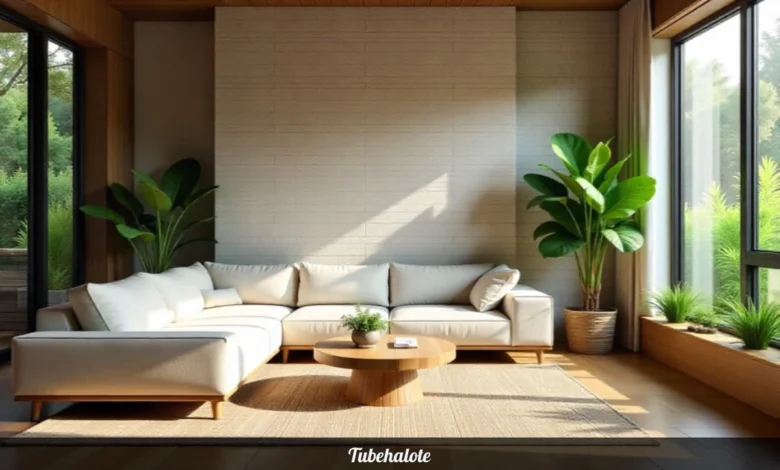
Tubehalote is an architectural style that brings nature into your living spaces through organic shapes, natural materials, and green design elements. This approach creates homes that reduce environmental impact while offering visual warmth and comfort through curved roofs, textured walls, and integrated gardens.
Can your home reflect environmental responsibility while still looking beautiful? That’s the question many homeowners ask when planning renovations. Tubehalote offers a clear answer. This design philosophy merges sustainability with visual appeal, creating spaces that breathe with their surroundings.
You’ll discover how to incorporate this style into your home decor, the specific elements that define it, and why it’s gaining attention from architects and homeowners worldwide.
What Makes Tubehalote Different from Traditional Decor
Tubehalote stands out through its organic aesthetics, with roofs that curve to mimic landscapes and walls that breathe through natural textures. Unlike conventional interior design that separates indoor and outdoor spaces, this approach blends them.
The style emerged from cultures that valued earth and resource balance long before sustainability became mainstream. Traditional settlements demonstrated how minimal designs could maintain durability and comfort. Modern architects took these observations and created a framework that honors heritage while meeting contemporary needs.
Your home becomes part of its environment instead of standing apart from it. Gardens blend seamlessly into structures, creating a visual dialogue between architecture and nature.
Core Elements of Tubehalote Home Decor
Implementing this style requires understanding its foundational components. Each element serves both aesthetic and functional purposes.
Natural Materials: Wood, stone, clay, and bamboo form the backbone of Tubehalote spaces. These materials offer texture and warmth while reducing carbon footprints. Select locally sourced options when possible to minimize transportation emissions.
Organic Shapes: Straight lines give way to curves that mirror natural forms. Consider arched doorways, rounded furniture edges, or flowing wall designs. These shapes soften spaces and create visual interest.
Living Elements: Plants aren’t just accessories in Tubehalote design. They’re integrated into the structure itself. Vertical gardens, indoor planters, and green walls purify air while adding color and life to your rooms.
Natural Light: Large windows, skylights, and open layouts maximize daylight. This reduces energy consumption for artificial lighting and creates healthier living environments.
Neutral Color Palettes: Earth tones dominate Tubehalote spaces. Think terracotta, sage green, warm browns, and soft grays. These colors create calm atmospheres and connect to natural landscapes.
How to Bring Tubehalote into Your Living Spaces
You don’t need to rebuild your entire home to incorporate this style. Start with strategic changes that align with your budget and timeline.
Living Room Transformations: Replace harsh overhead lighting with floor lamps that cast warm glows. Add textured throws made from natural fibers like linen or cotton. Install floating shelves made from reclaimed wood to display plants and natural objects.
Bedroom Adjustments: Choose bedding in organic cotton or bamboo fabrics. Position your bed near windows to take advantage of natural light. Add a living wall or large potted plants to improve air quality while you sleep.
Kitchen Updates: Open shelving made from sustainable wood creates visual breathing room. Stone countertops or bamboo cutting boards add natural textures. Consider herb gardens on windowsills for both beauty and function.
Bathroom Enhancements: Stone vessel sinks, bamboo bath mats, and plants that thrive in humidity transform bathrooms into spa-like retreats. Natural light from windows or skylights reduces the need for artificial lighting during the day.
Sustainable Features That Define Tubehalote Homes
Environmental advantages come from direct impact on reducing carbon footprints through rainwater harvesting systems, solar panels, and earth-based insulation techniques. These systems work together to create homes that support long-term environmental health.
Water conservation plays a central role. Greywater recycling systems reuse water from sinks and showers for landscape irrigation. Rainwater collection systems reduce dependence on municipal water supplies.
Energy efficiency comes through passive design. Strategic window placement captures winter sun for heating while providing shade in summer. Thick walls made from natural materials provide insulation that regulates indoor temperatures without heavy reliance on heating or cooling systems.
Material choices matter. Reclaimed wood, recycled metal, and locally sourced stone reduce the environmental impact of construction and renovation. These materials often cost more upfront but deliver long-term savings through durability and reduced energy costs.
Decorating Challenges and Solutions
Every design style presents obstacles. Understanding common challenges helps you plan effectively.
Initial Costs: Natural materials and sustainable systems often carry higher price tags than conventional options. Start small with one room or specific elements. Prioritize changes that offer the most significant environmental and visual impact.
Availability of Materials: Not all regions have easy access to bamboo, reclaimed wood, or local stone. Research online suppliers who ship sustainably. Connect with local salvage yards and reclamation centers for unexpected finds.
Balancing Modern and Natural: Some homeowners struggle to merge contemporary conveniences with organic aesthetics. The solution lies in thoughtful placement. Hide modern appliances behind natural wood panels. Choose electronics in neutral colors that blend with earth-tone palettes.
Maintenance Requirements: Living walls and natural materials need care. Plants require watering and pruning. Wood needs periodic sealing. Build maintenance into your routine rather than treating it as an afterthought.
Room-by-Room Tubehalote Design Guide
Each space in your home offers unique opportunities for this style.
Entryways: Create welcoming first impressions with natural fiber rugs, wooden coat racks, and potted plants. Use stone or reclaimed tile for flooring that withstands foot traffic.
Dining Areas: Solid wood tables with live edges showcase natural beauty. Pair them with chairs made from sustainable materials. Hang pendant lights made from natural fibers or reclaimed materials above the table.
Home Offices: Position desks near windows for natural light. Use bamboo desk organizers and cork bulletin boards. Add air-purifying plants like snake plants or pothos to improve focus and air quality.
Outdoor Connections: Blur the line between inside and outside with large sliding doors, covered patios, or screened porches. Use similar materials indoors and outdoors to create visual continuity.
Cost Considerations for Tubehalote Renovations
Budget planning requires understanding where money goes and where you can save.
High-Impact, Lower-Cost Changes:
- Paint walls in earth tones ($200-500 per room)
- Add plants and natural fiber textiles ($100-300)
- Install bamboo blinds or natural curtains ($150-400)
- Replace light fixtures with natural material options ($200-600)
Medium Investment Projects:
- Reclaimed wood shelving or furniture ($500-2,000)
- Stone or bamboo flooring in select rooms ($1,500-5,000)
- Living wall installations ($800-3,000)
- Energy-efficient window treatments ($1,000-3,000)
Major Renovations:
- Solar panel installations ($15,000-25,000)
- Rainwater harvesting systems ($2,500-10,000)
- Complete kitchen or bathroom remodels with sustainable materials ($20,000-50,000)
Many sustainable features qualify for tax credits or utility rebates. Research local and federal programs before starting projects.
Why Homeowners Choose Tubehalote Design
The benefits extend beyond aesthetics. This style offers a lifestyle that is healthier, cost-effective, and environmentally responsible.
Health improvements come from better air quality through plants and natural ventilation. Natural light supports better sleep cycles and mood. Non-toxic materials reduce exposure to harmful chemicals found in conventional building materials.
Financial benefits accumulate over time. Energy-efficient designs lower utility bills. Durable natural materials require less frequent replacement than cheaper alternatives. Homes with sustainable features often command higher resale values.
Environmental impact matters to growing numbers of homeowners. Reducing carbon footprints, conserving water, and supporting responsible material sourcing align with values about protecting the planet for future generations.
Personal connection to living spaces deepens when homes reflect natural beauty. The visual warmth of wood grain, the texture of stone, and the vitality of living plants create environments that feel authentic and grounding.
Common Mistakes to Avoid
Even enthusiastic homeowners make errors when implementing new design styles.
Overdoing It: Too many natural elements can feel cluttered rather than calming. Select focal points for each room. Let negative space balance textured areas.
Ignoring Function: Beautiful design fails if spaces don’t work for daily life. Prioritize usability alongside aesthetics. Choose durable materials for high-traffic areas.
Forgetting Lighting Needs: Natural light doesn’t always provide enough illumination for all tasks. Layer lighting with ambient, task, and accent sources. Choose fixtures that complement the natural aesthetic.
Skipping Professional Input: Complex projects benefit from expert guidance. Consult with architects familiar with sustainable design for major renovations. Work with interior designers who understand natural materials and organic aesthetics.
Maintaining Your Tubehalote-Inspired Home
Preservation keeps spaces beautiful and functional for years.
Natural Wood Care: Dust regularly with soft cloths. Apply natural oils or waxes annually to protect surfaces. Avoid harsh chemical cleaners that damage finishes.
Plant Maintenance: Research care requirements for each species. Create watering schedules. Prune dead leaves promptly. Rotate plants to ensure even light exposure.
Stone and Tile: Seal porous surfaces to prevent staining. Clean with pH-neutral products designed for natural stone. Address spills quickly to avoid etching or discoloration.
Textile Care: Natural fiber rugs, curtains, and upholstery need gentle cleaning. Vacuum regularly to remove dust. Professional cleaning extends the life of investment pieces.
Final Thoughts
Tubehalote represents more than a design trend. It offers a complete reimagining of how homes relate to their environments and occupants. By incorporating organic shapes, natural materials, and sustainable systems, you create spaces that nurture both people and the planet.
Start with small changes that align with your budget and comfort level. Add plants to windowsills. Replace synthetic textiles with natural fibers. Paint one room in earth tones. Each step moves you closer to a home that reflects environmental values while providing beauty and comfort.
The most successful implementations happen gradually. They evolve as you learn what works for your lifestyle and space. This flexibility allows the style to adapt to your needs rather than forcing your life into a rigid aesthetic framework.
Your home can become a sanctuary that supports your health, reduces your environmental impact, and surrounds you with natural beauty. That’s the promise of Tubehalote design.
Frequently Asked Questions
What is the basic difference between Tubehalote and minimalism?
Tubehalote emphasizes organic shapes and natural materials, while minimalism focuses on simplicity and reduction. Tubehalote spaces feature texture, curves, and living elements. Minimalist spaces prioritize clean lines and negative space. Both can reduce clutter, but Tubehalote creates warmth through natural elements rather than stark emptiness.
Can I incorporate Tubehalote design in a rental property?
Yes, focus on non-permanent changes. Add plants, natural fiber textiles, and earth-tone accessories. Use removable wallpaper with organic patterns. Bring in furniture made from sustainable materials. These changes transform spaces without violating lease agreements.
How long does it take to fully convert a home to Tubehalote style?
Timeline varies based on scope. Simple decor updates take weeks. Complete renovations with structural changes, solar installations, and water systems can take 6-18 months. Most homeowners implement changes gradually over 1-3 years as budget allows.
Does Tubehalote work in small apartments?
Absolutely. Small spaces benefit from natural light, plants, and organic shapes that make rooms feel larger and more inviting. Focus on vertical gardens, multipurpose furniture from sustainable materials, and strategic use of mirrors to enhance natural light.
Are Tubehalote homes more expensive to maintain?
Initial costs run higher, but long-term maintenance often costs less. Energy-efficient systems reduce utility bills. Durable natural materials need less frequent replacement. Plant care requires time but minimal financial investment. Overall, maintenance costs typically balance out or become lower over time.