Building Dreams Activepropertycare: Your Complete Guide to Creating Your Perfect Home
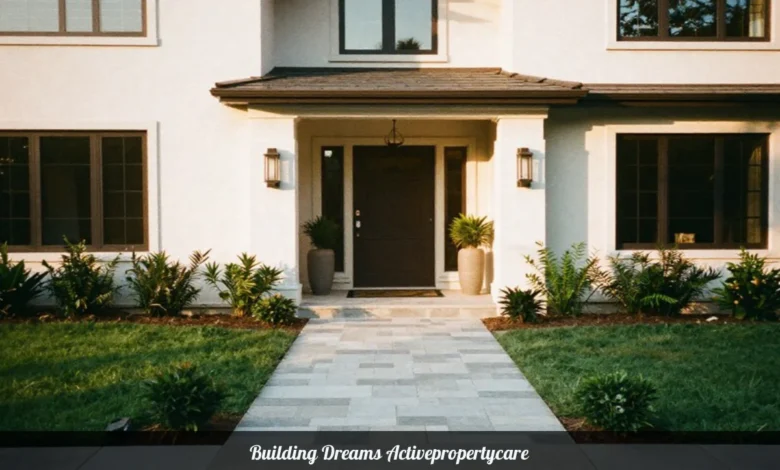
Building Dreams Activepropertycare combines expert property maintenance with personalized home design services. This approach helps homeowners create functional, beautiful spaces through smart planning, quality materials, and professional guidance. From initial vision to final touches, you get comprehensive support for turning your property into your ideal living space.
What turns a house into a home? It’s more than walls and windows. Your dream home reflects who you are and supports how you live. Building Dreams Activepropertycare offers a complete solution for homeowners ready to transform their properties into spaces they love.
In 2024, 93% of homeowners planned home projects, showing a strong commitment to improving living spaces. You’re not alone in wanting better for your home. This guide walks you through everything you need to know about creating your dream space.
What Makes Building Dreams Activepropertycare Different
Active Property Care provides expert tips for home interior and garden design, helping you make smart decisions about your space. The service goes beyond basic maintenance.
You get three core benefits:
Personalized Planning: Every property has unique needs. Your budget, lifestyle, and goals shape your project. No cookie-cutter solutions here.
Professional Expertise: Maintenance systems adapt to property needs through timely upkeep and emergency repairs. Expert teams handle technical challenges you shouldn’t tackle alone.
Long-Term Value: Smart improvements boost your property value. Home improvement spending is expected to reach $477 billion by Q3 2025, reflecting growing investment in residential properties.
How to Define Your Dream Home Vision
Start with clarity. You can’t build what you can’t describe.
Ask yourself these questions:
- What frustrates you about your current space?
- Which rooms do you use most?
- What activities happen in your home daily?
- How many people live with you?
- What’s your five-year plan?
In 2024, 59% of homeowners listed energy efficiency and sustainability as a concern. Your priorities matter. Write them down. Rank them. This list becomes your roadmap.
Create two categories: must-haves and nice-to-haves. Must-haves are non-negotiable. Nice-to-haves add personality but aren’t essential. This separation keeps you focused and prevents budget creep.
Smart Property Maintenance That Saves Money
Homeowners should set aside 1-3% of their home’s value annually for maintenance. For a $400,000 home, that’s $4,000 to $12,000 per year. Skipping maintenance costs more later.
Regular care prevents disasters. A small leak becomes water damage. Dirty gutters cause foundation problems. Simple tasks protect your investment.
Schedule these checks:
- Monthly: HVAC filters, plumbing leaks, door locks
- Quarterly: Gutters, exterior caulking, smoke detectors
- Annually: Roof inspection, HVAC service, water heater flush
- Every 5 years: Paint touch-ups, deck sealing, window weatherstripping
Proper property care involves long-term planning with scheduled inspections, reminders, and follow-ups. A maintenance calendar keeps you organized and prevents forgotten tasks.
Essential Home Features Buyers Want in 2025
Current trends shape what makes homes desirable. Over 60% of surveyed professionals chose kitchen islands as home buyers’ top priority. Functional spaces matter more than fancy finishes.
Top features homeowners prioritize:
Kitchen Islands: Extra storage and prep space make cooking easier. Islands also create gathering spots for family meals.
Smart Home Technology: Buyers want homes that are plug-and-play when it comes to smart features. Security systems, video doorbells, and app-controlled lighting add convenience and safety.
Energy Efficiency: Solar panels, high-efficiency HVAC systems, and triple-pane windows are among the top upgrades buyers value. These features cut utility costs and support environmental goals.
Home Offices: Homebuyers are prioritizing dedicated home offices, high-speed internet access, and quiet spaces for focused work. Remote work changed how we use our homes.
Multi-Zone HVAC: 28% of professionals say clients prioritize multi-zone HVAC systems. Different temperatures in different rooms keep everyone comfortable.
Building Dreams Activepropertycare Project Planning
Good planning prevents expensive mistakes. Start with a realistic budget that includes:
- Materials and labor
- Permits and inspections
- Contingency fund (10-15% of total budget)
- Professional fees
- Temporary housing if needed
Construction materials are projected to increase by 5-7% in 2025. Buy materials early to avoid mid-year price hikes. Lock in costs when possible.
Hire experienced professionals. Working with skilled contractors ensures construction adheres to local regulations and maintains quality standards. Check licenses, insurance, and references before signing contracts.
Timeline matters. Small projects take weeks. Major renovations take months. Be realistic about how long work takes. Weather delays, material shortages, and unexpected issues happen.
Sustainable Building Practices for Long-Term Success
ActivePropertyCare.com combines expert maintenance, smart technology, and top-tier security to create homes built for the future. Sustainability isn’t just trendy. It’s practical.
Choose materials wisely:
- Recycled or reclaimed wood reduces environmental impact
- Energy-efficient windows cut heating and cooling costs
- Low-VOC paints improve indoor air quality
- Water-saving fixtures reduce utility bills
- Solar panels generate clean energy
Eco-friendly materials reduce the carbon footprint and enhance the home’s overall efficiency. Green choices often qualify for tax credits or rebates. Check local programs before starting your project.
Managing Costs and Unexpected Expenses
43% of respondents identified rising home maintenance and repair costs as a significant concern. Budget carefully. Money stress ruins project enjoyment.
Cost-saving strategies:
- Get three quotes for major work
- Do simple tasks yourself
- Buy materials during sales
- Reuse or refinish existing fixtures
- Phase projects over time
Despite declining spending in 2024, 93% of homeowners plan to take on home projects in 2025. You can still improve your home on a budget. Prioritize high-impact changes over minor updates.
Set aside emergency funds. Homeowners should build a contingency budget of at least 5-10% of the total project budget. Hidden problems emerge during construction. Old houses surprise you.
Design Trends That Add Value
Modern design balances beauty and function. Quiet luxury brings sophistication to homes without the need for over-the-top embellishments. Simple, quality materials outlast trendy finishes.
Current design elements that boost value:
Open Floor Plans: Removing walls creates flow between living spaces. Families gather more easily in open layouts.
Spa-Like Bathrooms: Walk-in showers, freestanding tubs, and heated floors turn bathrooms into retreats. These spaces consistently deliver the strongest return on investment.
Outdoor Living Areas: Covered patios, outdoor kitchens, and firepits create seamless indoor-outdoor living experiences. Your yard becomes usable space year-round.
Natural Materials: Wood, stone, and plants add warmth without feeling dated. These elements work with multiple design styles.
Choose colors carefully. Neutral bases let you add personality with accessories. Bold paint colors date quickly and turn off buyers.
Technology Integration for Modern Living
Smart sensors monitor HVAC, plumbing, and electrical systems for early warnings. Technology prevents problems before they start.
Smart home features to consider:
- Voice-activated lighting and climate control
- Security cameras with mobile alerts
- Smart locks for keyless entry
- Water leak detectors with automatic shut-off
- Programmable thermostats that learn your schedule
Programmable thermostats optimize heating and cooling to reduce energy consumption. Technology pays for itself through lower utility bills.
Start small. Add one system at a time. Many smart devices work together. Create a connected home gradually without overwhelming yourself.
Common Mistakes to Avoid
Even experienced homeowners make errors. Learn from others’ mistakes:
Skipping Permits: Building without permits causes legal problems. Unpermitted work is hard to sell later.
Choosing the Cheapest Bid: Low bids often mean cutting corners. Quality work costs fair prices.
Ignoring Building Codes: Home construction must comply with local building codes and regulations. Code violations create safety hazards and legal liability.
Over-Improving for Your Neighborhood: Don’t build a mansion in a modest area. You won’t recoup your investment.
Forgetting Storage: Closets, pantries, and garage space matter. People need places to put their stuff.
Following Every Trend: Trendy features date quickly. Choose timeless elements that age well.
Think long-term. Your home should work for years, not just right now.
Working With Contractors Effectively
Good communication prevents problems. Set clear expectations from the start.
Before hiring anyone:
- Check contractor licenses and insurance
- Read online reviews and ratings
- Ask for recent project references
- Get detailed written estimates
- Verify warranties on work and materials
During the project:
- Schedule regular check-ins
- Document everything in writing
- Address concerns immediately
- Pay according to completed milestones
- Keep receipts and contracts organized
Skilled tradespeople like electricians and plumbers continue to drive up labor costs due to worker shortages. Book contractors early. Quality professionals stay busy.
Maintaining Your Investment Long-Term
Your work doesn’t end when construction finishes. Regular upkeep protects your investment.
Create a maintenance schedule. Develop a schedule for regular inspections and seasonal tasks, such as cleaning gutters, checking for leaks, and servicing HVAC systems. Prevention costs less than repair.
Document improvements. Keep records of work completed, materials used, and warranties issued. This information helps with insurance claims and future sales.
Address problems quickly. Small issues become big expenses when ignored. Fix leaks immediately. Replace worn weatherstripping. Clean gutters regularly.
When to DIY vs. Hire Professionals
55% of homeowners said they’re very likely to take maintenance into their own hands in 2025. DIY saves money but requires an honest assessment of your skills.
Good DIY projects:
- Painting walls and trim
- Installing shelving
- Basic landscaping
- Cleaning and organizing
- Simple fixture replacements
Always hire professionals for:
- Electrical work beyond outlet covers
- Plumbing that involves pipes
- Structural changes
- Roof repairs
- HVAC installation or repair
- Foundation work
Safety matters more than savings. Electrical and plumbing mistakes cause fires, floods, and injuries. Know your limits.
Final Thoughts
Building Dreams Activepropertycare transforms houses into homes through smart planning, quality work, and ongoing care. Your dream home reflects your needs, supports your lifestyle, and grows in value over time.
Start with a clear vision. Plan carefully. Choose quality over trends. Work with trusted professionals. Maintain your investment.
While total home project spending declined by 12% in 2024, the enduring commitment to maintaining and enhancing homes remains evident. Your home matters. Invest in it wisely.
Take the first step today. Define what you want. Research your options. Set your budget. Your dream home waits on the other side of good planning.
Frequently Asked Questions
How much should I budget for a home renovation project?
Budget at least 10-15% more than estimated costs for unexpected expenses. For a $400,000 home, homeowners should set aside $4,000-$12,000 annually for maintenance. Major renovations typically cost 5-15% of your home’s value, depending on the scope.
What home improvements offer the best return on investment?
Kitchens and bathrooms consistently deliver the strongest return. Other high-value improvements include energy-efficient upgrades, outdoor living spaces, and smart home technology. Focus on functional improvements over cosmetic changes.
How do I choose the right contractor for my project?
Verify licenses and insurance first. Check online reviews and recent project references. Get at least three detailed written estimates. Book contractors well in advance to secure availability and potentially lock in lower rates. Trust matters more than the lowest price.
Should I renovate my current home or buy a new one?
67% of homeowners prefer renovating their current home rather than moving. Consider renovation costs versus moving expenses, current interest rates, and whether your location meets long-term needs. Renovating often costs less than buying and moving.
What permits do I need for home improvements?
Requirements vary by location and project scope. Home construction must comply with local building codes and regulations. Contact your local building department before starting work. Most electrical, plumbing, and structural changes require permits.