Axurbain: Smart Urban Design Transforming Modern Cities
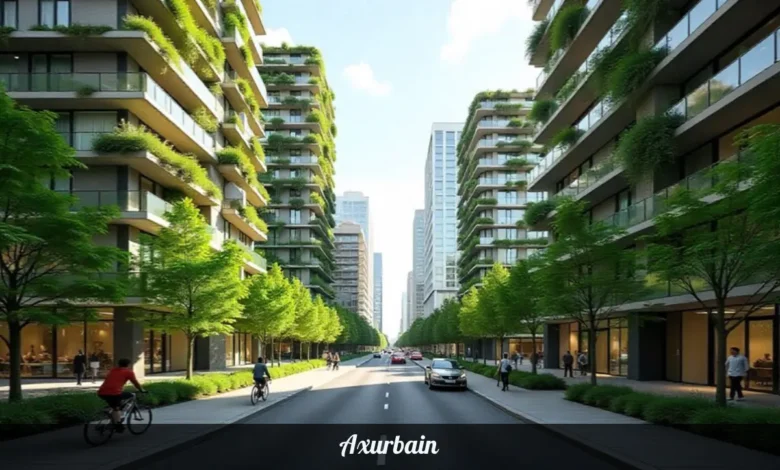
Axurbain represents a next-generation urban planning approach combining smart technology, sustainable infrastructure, and community-focused design. This framework addresses modern city challenges by creating connected, efficient environments that improve quality of life while reducing environmental impact through data-driven solutions and green architecture.
Cities are changing faster than ever. By 2050, 68% of the global population will live in urban areas. This rapid urbanization demands smarter solutions. Traditional concrete jungles can no longer meet our needs for sustainability, connectivity, and livability. Enter Axurbain—a transformative concept reshaping how we build, live in, and think about cities.
What makes Axurbain different? It combines three critical elements: smart technology that responds to real-time needs, green infrastructure that protects our planet, and human-centered design that puts people first. Cities worldwide are already implementing these principles, and the results speak for themselves.
What Is Axurbain?
The term Axurbain blends “axis” (meaning center or direction) with “urbain” (the French word for urban). Together, they represent a central vision for balanced, inclusive city evolution. Think of it as a blueprint for cities that work with nature, not against it.
Axurbain explores the art of urban living, modern architecture, and innovative design. This framework goes beyond buildings and roads. It reimagines cities as living ecosystems where technology, natural systems, and human behavior interact continuously.
Three core pillars define Axurbain:
Smart Infrastructure: Cities use sensors, IoT devices, and AI-powered networks to monitor air quality, traffic patterns, and energy consumption. This data enables real-time decision-making that makes cities more responsive to citizen needs.
Sustainable Design: Green roofs, permeable pavements, and natural drainage systems manage stormwater and reduce flooding. Cities integrate bioswales and natural systems to replenish groundwater reserves while building climate resilience.
Community-Centered Spaces: Public plazas, pedestrian walkways, and inclusive designs ensure every resident can move freely and participate in city life. Accessibility becomes a priority, not an afterthought.
Why Axurbain Matters Now
The numbers tell a compelling story. The global smart city market is expected to reach $4,605.7 billion by 2033, growing at nearly 20% annually. Cities face mounting pressure from climate change, pollution, and resource scarcity. Traditional planning methods cannot handle these challenges.
In 2024, the global smart cities market reached $104.80 billion and is projected to grow to $165.80 billion by 2028. This investment reflects cities’ urgency to adapt. Axurbain offers a roadmap that balances growth with sustainability.
Urban sprawl costs us dearly. Long commutes waste time and fuel. Air pollution damages health. Social isolation grows despite population density. Axurbain addresses each problem systematically through integrated design.
Real Cities Using Axurbain Principles
Several cities demonstrate how Axurbain concepts work in practice:
Milan’s Bosco Verticale: These twin towers host over 900 trees and 20,000 plants across two residential high-rises, absorbing 30 tons of CO2 annually. The vertical forests cool surrounding areas by up to 3°C during summer. This isn’t decoration—it’s functional architecture solving real problems.
Singapore’s Gardens by the Bay: The futuristic Supertrees collect rainwater and generate solar energy. These structures prove that technology and nature can coexist beautifully. The gardens show how cities can serve both ecological and human needs simultaneously.
Copenhagen’s Bicycle Network: Dedicated cycling lanes reduce traffic congestion while promoting healthier lifestyles. The infrastructure prioritizes people over cars, making commuting faster and cleaner.
New York’s High Line: An abandoned railway became a thriving public greenway. This transformation promotes community interaction and ecological awareness in one of the world’s densest cities.
Smart Technology Driving Urban Change
Technology forms the backbone of Axurbain cities. By 2024, there were 2.20 billion smart city connections worldwide, up from 1.73 billion in 2023. These connections power everything from traffic management to energy efficiency.
Smart sensors monitor air quality in real-time. When pollution spikes, systems adjust traffic flow automatically. Energy grids respond to usage patterns, preventing waste. Water systems detect leaks before they become major problems.
Artificial intelligence takes this further. AI analyzes patterns to predict infrastructure needs before failures occur. This predictive approach saves money and prevents disruptions. Traffic systems adjust signal timing based on actual flow, not fixed schedules.
Mobile apps connect residents to city services instantly. Report a pothole from your phone. Check real-time transit schedules. Pay parking fees without hunting for meters. These conveniences seem small individually but transform daily life.
Environmental Benefits You Can Measure
Cities embracing smart solutions could enhance energy efficiency by 30% over two decades. That’s not a minor improvement—it’s transformational. Axurbain makes this possible through several strategies.
Green roofs do more than look attractive. They insulate buildings, reducing energy costs by 15-25%. They manage rainfall, filter pollutants, and create habitats for urban wildlife. Some cities use them for community gardens, providing fresh produce while strengthening neighborhood bonds.
Renewable energy integration reduces dependence on fossil fuels. Solar panels on buildings generate power where it’s used. Wind turbines in appropriate locations supplement the grid. Smart systems balance supply and demand efficiently.
Waste management improves dramatically. Sensors in bins signal when they’re full, optimizing collection routes. Recycling programs use technology to sort materials accurately. Some cities explore circular economy models where waste from one process becomes input for another.
Economic Impact and Job Creation
Smart urban design drives economic growth measurably. Smart cities could generate approximately $20 trillion in economic benefits by 2026. This wealth comes from multiple sources.
Attractive, well-designed spaces draw businesses and residents. Property values rise in well-planned neighborhoods. Local economies strengthen as foot traffic increases. Tourism grows when cities become destinations worth experiencing.
Construction projects alone generate thousands of jobs. Retrofitting existing buildings for energy efficiency employs skilled workers. Installing and maintaining smart systems creates new careers. Green technology sectors expand rapidly, offering opportunities for innovation and entrepreneurship.
Co-working spaces and business incubators thrive in Axurbain environments. These facilities nurture startups and tech companies. The resulting innovation further strengthens local economies. Skilled workers want to live in cities that prioritize quality of life.
Building Safer, Connected Communities
Well-designed cities feel safer. Better lighting in public spaces reduces crime. Open areas with good sightlines discourage dangerous behavior. Sensor-based monitoring systems alert authorities to problems quickly without constant surveillance.
Public spaces designed under Axurbain principles encourage social interaction. Parks, plazas, and walkable streets become community gathering points. Shared resources build trust among residents. These connections combat the isolation common in large cities.
Accessibility ensures everyone participates in city life. Ramps, elevators, and sensory cues help residents with disabilities navigate independently. Public transport systems reach all neighborhoods, not just wealthy ones. Affordable housing mixes with market-rate units, creating economic diversity.
Challenges Cities Face
Implementing Axurbain isn’t simple. Funding remains the biggest obstacle. Sustainable infrastructure requires significant upfront investment. Many cities struggle with limited budgets and competing priorities. Public-private partnerships help bridge this gap but require careful negotiation.
Community engagement presents another challenge. Residents must participate in planning from the start. Designs that ignore actual needs fail regardless of technological sophistication. Balancing diverse opinions while maintaining progress demands skill and patience.
Regulatory hurdles slow innovation. Zoning laws written for different eras may restrict new approaches. Building codes may not account for green technologies. Navigating these requirements delays projects and limits creativity.
Technology integration demands expertise that many city departments lack. Hiring qualified staff costs money. Training existing employees takes time. Cities must invest in human capital alongside physical infrastructure.
The Role of Data and Privacy
Smart cities collect vast amounts of data. This raises legitimate privacy concerns. Residents want better services but fear surveillance. Striking the right balance requires transparency and strong protections.
Cities must establish clear policies about data collection, storage, and use. Residents should know what information gets gathered and why. Anonymization techniques protect individual privacy while enabling useful analysis. Independent oversight prevents abuse.
Cybersecurity becomes critical as cities become more connected. A breach could disrupt essential services. Regular security audits and robust defenses protect against attacks. Training staff to recognize threats reduces vulnerabilities.
Future Trends Shaping Axurbain
Climate adaptation will drive the next wave of innovation. Weather patterns shift, making flood barriers, heat-reflective surfaces, and emergency response systems crucial. Cities must prepare for more frequent extreme events.
Circular economy principles will reshape resource flows. Buildings designed for disassembly make materials easy to recycle. Manufacturing waste becomes raw material for other processes. This approach dramatically reduces landfill needs and resource extraction.
Autonomous vehicles will transform mobility. Dedicated lanes for self-driving cars could reduce congestion and accidents. Shared autonomous vehicles might reduce the need for parking, freeing valuable urban space. Delivery drones could handle small packages efficiently.
Vertical farming brings food production into cities. Controlled-environment agriculture uses less water and no pesticides. Fresh produce grown locally reduces transportation emissions. These farms can occupy unused buildings or purpose-built structures.
How to Support Axurbain Development
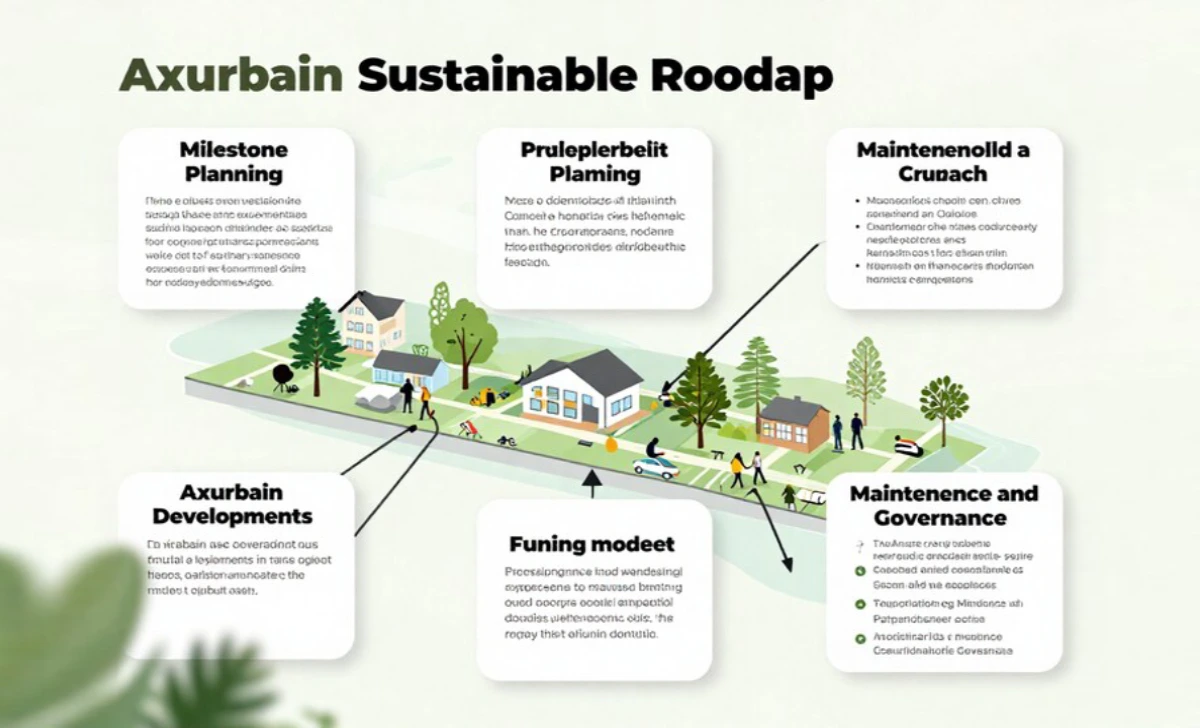
Citizens play a vital role in smart city evolution. Attend public meetings about development projects. Provide feedback on proposed changes. Vote for leaders who prioritize sustainable planning.
Support local businesses that embrace sustainability. Choose public transit, biking, or walking when possible. Participate in community gardens or green space initiatives. Small individual actions aggregate into a significant impact.
Professionals in relevant fields can contribute expertise. Architects can design with sustainability in mind. Engineers can propose innovative infrastructure solutions. Developers can build mixed-use projects that strengthen communities.
Policymakers must create enabling frameworks. Update zoning laws to allow flexible designs. Provide incentives for green building practices. Invest in public transit and pedestrian infrastructure. Support research into new technologies and approaches.
Learning from Global Leaders
Zurich secured the top spot in the 2024 Smart City Index for the fifth consecutive year, followed by Oslo and Canberra. These cities excel by prioritizing technology that addresses local needs.
Zurich’s success comes from eco-friendly mobility options, extensive digital infrastructure, and inclusive programs. Oslo implements AI-driven public safety alongside sustainable transportation networks. Canberra balances growth with environmental protection.
Seven of the top 10 smart cities in 2024 were in Europe, showing regional leadership in sustainable urban development. Asian cities gain ground rapidly. Singapore consistently ranks in the top 10, demonstrating how diverse cities can adopt these principles.
North American cities face challenges but show potential. Seattle leads U.S. rankings with strong tech infrastructure. Austin excels in smart city infrastructure with high broadband speeds and numerous AI companies. These examples prove Axurbain works across different contexts.
Final Thoughts
Axurbain represents more than a trend—it’s a necessary evolution. Cities cannot continue growing the old way. Climate change, resource scarcity, and social challenges demand better approaches.
The framework combines smart technology, environmental responsibility, and human-centered design into a coherent whole. Each element supports the others. Technology enables sustainability. Sustainability improves quality of life. Better living conditions attract people and investment.
Implementation requires cooperation among government, business, and citizens. No single entity can transform a city alone. Shared vision and coordinated action make the difference.
Cities adopting Axurbain principles position themselves for long-term success. They attract talented residents, innovative businesses, and sustainable investment. They create environments where people want to live, work, and raise families.
The urban future is being written now. Will your city embrace Axurbain’s vision? The choice shapes not just buildings and infrastructure, but the quality of life for millions. Smart, sustainable, connected cities aren’t science fiction—they’re being built today.
FAQs
What does Axurbain mean?
Axurbain combines “axis” (direction or center) with “urbain” (urban), representing a central approach to balanced city development that integrates technology, sustainability, and community needs.
How does Axurbain differ from traditional city planning?
Traditional planning often separates functions and prioritizes expansion. Axurbain emphasizes integration, mixing residential, commercial, and green spaces within walkable distances while using technology for efficiency.
Can existing cities adopt Axurbain principles?
Yes. Cities can retrofit existing infrastructure through phased integration. Start with smart sensors, add green infrastructure, improve public transit, and update building codes to enable sustainable development.
What are the costs of implementing Axurbain?
Initial investment is substantial but generates long-term savings. Energy efficiency reduces operating costs. Improved infrastructure lowers maintenance expenses. Economic growth from attracting businesses creates revenue. Public-private partnerships help spread costs.
Which cities best demonstrate Axurbain principles?
Zurich, Oslo, Singapore, and Copenhagen lead global rankings. They excel in combining technology, sustainability, and quality of life. Milan’s Bosco Verticale and New York’s High Line show specific successful projects.