TheHomeTrotters.com Home Decor Ideas: Transform Your Space in 2025
TheHomeTrotters.com offers practical home decor ideas that blend style with function. From sustainable materials to space-saving solutions, these proven strategies help you create personalized spaces on any budget. Learn how to transform rooms with color, texture, lighting, and smart furniture choices that last.
Why Your Home Deserves Better Than Generic Design
Walk into most homes today, and you’ll see the same beige walls, gray sofas, and mass-produced art. Your space should tell your story, not look like a furniture showroom.
The global home decor market reached $778.84 billion in 2024, yet many people still struggle to make their homes feel personal. The issue isn’t budget or space. It’s knowing where to start.
You’ll discover how to select colors that change how rooms feel, arrange furniture for better flow, and add personality without clutter. These aren’t complicated renovations. They’re strategic changes that make a real impact.
Start With Colors That Shape Your Mood
Your wall color affects how you feel every day. A 2025 survey found 62% of homeowners prefer warm and inviting colors in living spaces.
Soft blues and greens calm bedrooms. Warm peaches and terracottas energize kitchens. Deep burgundy adds richness to dining areas without overwhelming the space.
Test paint samples on your walls first. Colors look different under your specific lighting. Live with samples for three days before committing. Watch how morning and evening light change the tone.
Mix two or three complementary colors across a room. Too many shades create visual chaos. Use the 60-30-10 rule: 60% dominant color, 30% secondary, 10% accent.
Smart Furniture Placement Changes Everything
You can own beautiful pieces and still have an uncomfortable room. Furniture arrangement matters more than most people realize.
Create conversation zones by angling chairs toward each other. Floating sofas away from walls opens up small spaces. Leave 18 inches between furniture for easy movement.
In bedrooms, center your bed on the largest wall. Place nightstands at an equal distance on both sides. Keep walkways clear on at least three sides of the bed.
Multi-purpose furniture solves two problems at once. Ottomans with storage hide blankets. Sofa beds accommodate guests. Extendable dining tables adjust to your needs.
Bring Nature Inside With Biophilic Design
Bringing the outside into your home creates spaces that feel warm, welcoming, and relaxing. Plants improve air quality while adding color and texture.
Start with low-maintenance options if you’re new to plants. Snake plants tolerate low light. Pothos vines grow in almost any condition. Succulents need minimal watering.
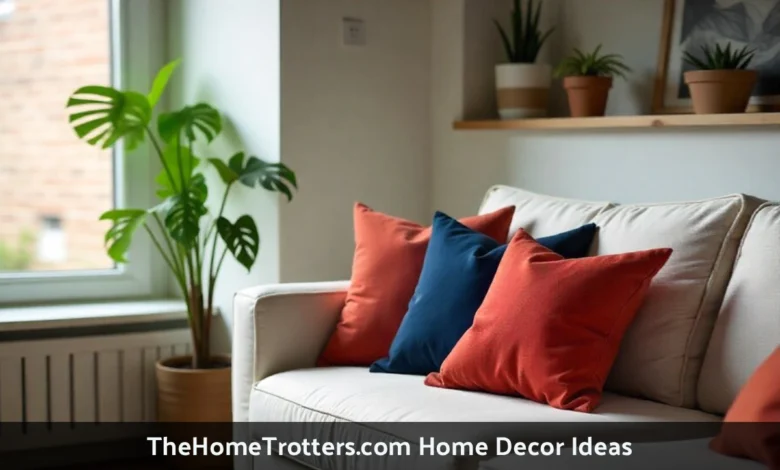
Place larger plants in corners to fill space. Group smaller plants on shelves at varying heights. Use decorative planters that match your room’s style.
Natural wood furniture connects indoor spaces to outdoor elements. Bamboo, reclaimed wood, and rattan add warmth without heavy environmental impact. Consumers increasingly prefer sustainable materials like bamboo for furniture and organic fabrics for furnishings.
Lighting Layers Create Atmosphere
One overhead light makes rooms flat and uninviting. You need three types: ambient, task, and accent.
Ambient lighting comes from ceiling fixtures or recessed lights. Task lighting illuminates specific areas like reading nooks or kitchen counters. Accent lights highlight artwork or architectural features.
Designers now prefer layered lighting over large central fixtures for moody, cozy spaces. Install dimmer switches on main lights to adjust brightness based on the time of day.
Replace cool white bulbs with warm tones (2700K-3000K). Warmer light feels more inviting in living spaces. Save bright white for bathrooms and work areas.
Floor lamps add height variation. Table lamps create intimate zones. Wall sconces save floor space while providing directional light.
Add Personality Through Thoughtful Accessories
Accessories transform plain rooms into personal spaces. The key is editing ruthlessly.
Choose decorative pillows in two or three complementary patterns. Mix solid colors with one geometric or floral print. Replace them seasonally to refresh the room without major changes.
Throws draped over sofas add texture and warmth. Select materials that suit the season: lightweight cotton for summer, chunky knits for winter.
Rugs define spaces within open floor plans. A rug should extend 18 inches beyond furniture on all sides in living rooms. In dining rooms, ensure chairs stay on the rug when pulled out.
Art tells your story better than store-bought prints. Frame family photos, travel sketches, or children’s artwork. Mix different sizes and styles for an eclectic gallery wall, or stick to a cohesive theme for a polished look.
Create Texture Through Material Mixing
Flat surfaces make rooms feel sterile. Combine different textures for visual depth.
Pair smooth leather with nubby linen. Set glossy ceramics against matte wood. Layer a wool rug over hardwood floors.
In bedrooms, mix cotton sheets with velvet pillows and a chunky knit throw. In living rooms, combine leather sofas with woven baskets and metal accent tables.
Mixing textures and patterns brings visual interest and creates dimension and intrigue. This works in every room, from kitchens to bathrooms.
Window treatments add softness to hard surfaces. Light linen curtains filter sunlight. Heavy velvet drapes block light and insulate against the cold.
Budget-Friendly Changes That Make an Impact
You don’t need thousands to transform a room. Strategic small changes create big results.
Paint one accent wall instead of the entire room. This costs less and creates a focal point. Choose the wall behind your bed, sofa, or dining table.
Replace cabinet hardware in kitchens and bathrooms. Nearly 70% of homeowners opt for playful hardware, with 25% using it to make a color statement. New knobs and pulls cost $3-10 each but refresh tired cabinets.
Rearrange existing furniture before buying new pieces. You might discover better layouts that solve your problems without spending money.
Shop secondhand for unique finds. Thrift stores, estate sales, and online marketplaces offer quality pieces at a fraction of retail prices. Look for solid wood furniture you can refinish.
DIY projects add custom touches. Paint old picture frames. Reupholster chair cushions. Create wall art from fabric scraps or pressed flowers.
Seasonal Updates Keep Spaces Fresh
Rotate displays between light summer prints and darker winter pieces to keep rooms feeling current without major overhauls.
Spring: Add pastel pillows and fresh flowers. Switch to light cotton curtains. Display botanical prints.
Summer: Incorporate bright colors and natural fibers. Use lightweight throws. Add outdoor elements like driftwood or shells.
Fall: Bring in warm oranges, deep reds, and rich browns. Layer heavier textures. Add seasonal botanicals like dried wheat or pumpkins.
Winter: Use deep jewel tones and cozy fabrics. Display evergreen branches. Add candles for warmth and ambiance.
Swap small items rather than large furniture. Change throw pillow covers, swap artwork, and rotate decorative objects. These updates cost little but refresh the entire space.
Sustainable Choices That Last
Consumer demand for eco-friendly and responsibly sourced materials is becoming more prevalent. Making sustainable choices protects the environment and often results in higher-quality pieces.
Buy fewer, better-quality items. Solid wood furniture lasts for decades with proper care. Mass-produced particleboard breaks down within years.
Choose natural fibers: cotton, linen, wool, jute. These materials breathe better, age gracefully, and decompose naturally.
Refinish existing furniture instead of buying new. Sand and stain old wood pieces. Reupholster worn chairs. Paint outdated metal frames.
Support local artisans when possible. Handmade items carry a unique character that mass production can’t replicate. You’ll also know the story behind each piece.
Look for certifications: FSC for wood, GOTS for organic textiles, GREENGUARD for low emissions. These standards ensure products meet environmental and health criteria.
Small Space Solutions That Actually Work
Limited square footage requires creative thinking. These strategies maximize every inch.
Use vertical space with floor-to-ceiling shelving. Store items you use less frequently on higher shelves. Keep everyday items at arm level.
Choose furniture with exposed legs. This creates visual space underneath, making rooms feel larger. Avoid skirted sofas that touch the floor.
Mirrors reflect light and create the illusion of depth. Place mirrors opposite windows to bounce natural light. Use large mirrors as statement pieces rather than small decorative ones.
Light colors expand spaces visually. Paint walls, ceilings, and trim the same light shade to blur boundaries. Add darker accents through furniture and accessories.
Fold-down tables mount to walls when not in use. Murphy beds hide during the day. Nesting tables separate when needed for guests.
Room-Specific Ideas That Deliver Results
Each room serves different purposes. Tailor your approach accordingly.
Living Rooms
Create a focal point: fireplace, large artwork, or statement furniture piece. Arrange seating to face this anchor.
Add side tables within arm’s reach of each seat. This eliminates the need to get up for drinks or remotes.
Layer lighting with floor lamps in corners, table lamps on side tables, and accent lights on artwork.
Bedrooms
Keep surfaces clear for calm mornings. Use closed storage for clothes and personal items.
Place your bed where you can see the door without being directly in line with it. This creates psychological security.
Blackout curtains or blinds improve sleep quality. Add soft lighting for nighttime reading.
Kitchens
Clear counters make cooking easier and spaces feel larger. Store appliances in cabinets unless used daily.
Add under-cabinet lighting to illuminate work surfaces. This reduces eye strain during food prep.
Display frequently used items on open shelving. Hide everything else in closed cabinets.
Bathrooms
Install hooks or towel bars near the shower for easy access. Mount them at different heights for multiple people.
Use baskets or bins to organize under-sink storage. Group similar items together: hair products, cleaning supplies, extra toiletries.
Add a small plant or two. Bathrooms often have humidity plants love, plus greenery softens hard surfaces.
Technology Integration Without Tech Takeover
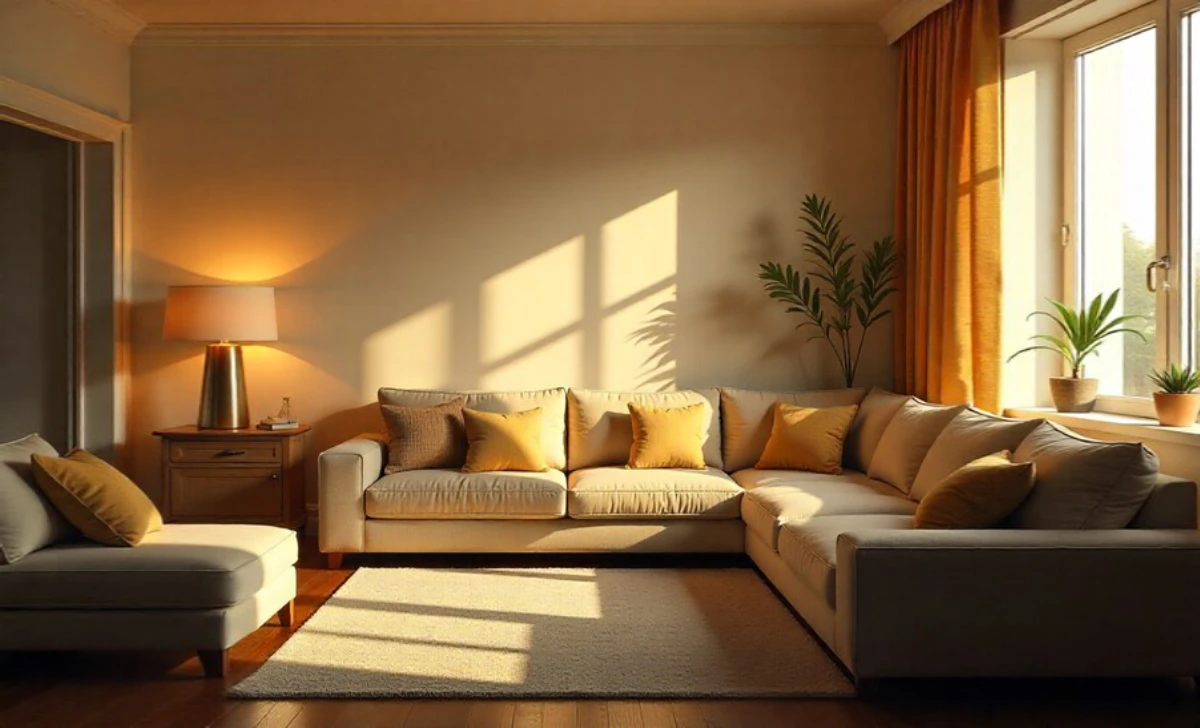
Smart home features should enhance life, not complicate it. Smart lighting systems automatically adjust brightness based on natural light levels, reducing electricity usage.
Start with smart bulbs in the main living areas. Control them with your phone or voice commands. Create lighting scenes for different activities: bright for cleaning, dim for movies.
Smart thermostats learn your schedule and adjust temperatures automatically. This saves energy while maintaining comfort.
Wireless speakers blend into decor better than traditional systems. Many come in colors and finishes that match furniture.
Choose tech that solves specific problems you face. Don’t add features just because they’re trendy. If it doesn’t improve your daily life, skip it.
Common Mistakes That Ruin Good Spaces
Avoid these errors that trap even experienced decorators.
Hanging artwork too high. Center pieces at 57-60 inches from the floor (eye level). In galleries, this is called the “museum height.”
Buying furniture before measuring. Know your room dimensions and doorway widths. Nothing’s worse than pieces that don’t fit.
Ignoring scale. Oversized furniture crowds small rooms. Tiny pieces look lost in large spaces. Match furniture size to room size.
Following trends blindly. Trendy items date quickly. Invest in classic pieces, add trends through easily changed accessories.
Neglecting proper lighting. One ceiling light isn’t enough. Plan for multiple light sources at different heights.
Pushing all furniture against the walls. This actually makes rooms feel smaller. Float some pieces to create intimate conversation areas.
Where to Find Quality Inspiration
Look beyond social media for lasting ideas. While platforms like Instagram and Pinterest offer visual candy, they also promote fast trends that date quickly.
Visit local furniture stores and model homes. Walk through spaces to understand scale and proportion. Photos never show true dimensions.
Read interior design books from your library. Classic design principles survive decades while trends fade. Learn the rules before breaking them.
Study homes you admire in your neighborhood. Notice what works: color combinations, furniture arrangements, landscaping choices.
Ask friends with beautiful homes about their process. Most people love sharing what they’ve learned. You’ll hear about both successes and mistakes.
Take classes at local hardware stores or community centers. Many offer free workshops on painting, furniture refinishing, or design basics.
How to Start Your Transformation Today
Feeling overwhelmed? Break the process into manageable steps.
Choose one room to update first. Completing one space builds confidence and teaches lessons for other rooms.
Make a list of what bothers you about the space. Too dark? Cluttered? Uncomfortable? Address your biggest frustration first.
Set a realistic budget. Allocate most funds to larger items like furniture or paint. Save smaller amounts for accessories.
Take “before” photos from multiple angles. You’ll appreciate the transformation more when you see where you started.
Create a simple plan: paint colors, furniture pieces needed, and accessories to find. Write it down. A plan prevents impulse purchases that don’t work together.
Start with changes you can complete in a weekend. Paint a wall. Rearrange furniture. Hang artwork. Quick wins motivate you to continue.
Final Thoughts
Your home should support how you actually live, not how magazines suggest you should live. The best spaces balance beauty with function, personality with practicality.
The global home decor market reached $128.31 billion in 2023, proving that people value their living spaces. But market size means nothing if your home doesn’t feel right to you.
Start small. Change one thing this week. Paint a room, buy new pillows, or simply rearrange your furniture. Each small change builds toward spaces you’ll love coming home to.
The most important rule: trust your instincts. If something feels wrong, it probably is. If you love it but design rules say no, keep it anyway. Your home, your rules.
Frequently Asked Questions
How can I decorate on a tight budget?
Focus on paint first for maximum impact per dollar. Buy secondhand furniture and refinish it yourself. Make your own artwork from fabric or prints. Replace hardware on cabinets rather than buying new ones. Rearrange existing furniture before purchasing new pieces. Small changes like new throw pillows or curtains refresh rooms without major expense.
What’s the fastest way to make a room look better?
Declutter surfaces first, then add one or two larger plants. Replace or add lighting sources at different heights. Rearrange furniture to create a better flow. These changes take a few hours but dramatically improve how spaces look and feel.
Should I follow design trends or ignore them?
Use trends sparingly through easily changed items like pillows, throws, or small decor pieces. Invest in classic furniture and neutral wall colors that won’t date quickly. This approach lets you enjoy current styles without expensive updates when trends shift.
How do I choose the right size rug?
In living rooms, the rug should extend at least 18 inches beyond furniture on all sides. For dining rooms, ensure chairs remain on the rug when pulled out (add 24 inches beyond the table on all sides). In bedrooms, place rugs so they extend 18-24 inches beyond the sides and foot of the bed.
What if I share a space with someone who has different style preferences?
Find common ground in neutral base colors you both like. Let each person choose accent pieces for different areas. Mix styles intentionally rather than trying to match everything. Compromise on major furniture, but allow personal touches in individual spaces like offices or nightstands.