Kodak Black House: From Projects to Million-Dollar Homes
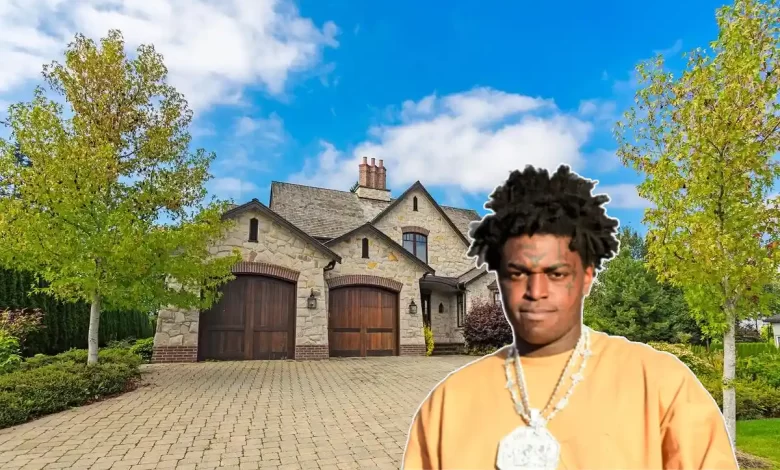
Kodak Black owns a $1 million, 5-bedroom home in Miramar, Florida’s Sunset Lakes subdivision. The 2,804-square-foot property includes a pool, patio, and modern amenities. He also purchased a $1.8 million commercial property in Pompano Beach and paid rent for 200+ families in his childhood housing project.
Kodak Black’s Current House in Miramar, Florida
Kodak Black’s primary residence sits at SW 189th Ave in Miramar, a city in Broward County about 30 minutes north and west of downtown Miami. He purchased this single-family home for approximately $1 million, choosing to stay close to his Pompano Beach roots rather than relocating to flashier neighborhoods like Miami Beach or Brickell.
The house spans 2,804 square feet with 5 bedrooms and 4 bathrooms. The property sits on an 8,400-square-foot lot in the Sunset Lakes subdivision, an upscale residential community known for its quiet, family-oriented atmosphere. This choice reflects a practical approach to real estate—comfort and privacy over status symbols.
Key features include a private pool, spacious patio for outdoor entertainment, walk-in showers in multiple bathrooms, and modern interior finishes. The layout provides enough space for his family (he lives with his girlfriend Mellow Rakz and two children) while maintaining a manageable property size.
Miramar offers practical advantages beyond sentiment. The city provides excellent schools, low crime rates compared to nearby urban centers, and easy access to Fort Lauderdale and Miami without the premium pricing of beachfront properties. Property taxes in Miramar average 1.2% of assessed value, lower than Miami-Dade County’s 1.3-1.5% rates.
The Sunset Lakes subdivision specifically attracts professionals and families seeking suburban tranquility. Homes in this community typically range from $800K to $1.5M, placing Kodak’s property in the middle tier—comfortable but not ostentatious.
The $1.8 Million Commercial Property Investment
In February 2023, Kodak Black expanded beyond residential real estate with a commercial purchase at 1511-1547 Hammondville Road in Pompano Beach. This 0.7-acre assemblage includes two single-story buildings constructed in the 1950s: one at 3,800 square feet and another at 4,900 square feet.
The location matters. Hammondville Road sits near Golden Acres, the housing project where Kodak grew up. This purchase represents both a business decision and a symbolic return to his origins.
His plans for the property blend personal ambition with community benefit. One building will house a recording studio, giving him production space without paying premium rental rates. The other building will undergo renovation into retail space, potentially including a restaurant. This mixed-use approach generates multiple revenue streams—studio rentals, retail leases, and restaurant income.
The property sits in an Opportunity Zone, a federal tax incentive program designed to encourage investment in economically distressed areas. Investors who hold property in these zones for at least 10 years can potentially eliminate capital gains taxes on appreciation. For a long-term holder, this could save hundreds of thousands in future tax liability.
Real estate professionals in South Florida noted the strategic timing. Pompano Beach has seen increased developer interest as Fort Lauderdale property prices climb. Areas near downtown Pompano, including Hammondville Road, are positioned for gentrification as the city invests in infrastructure improvements.
From Golden Acres to Real Estate Investor
Kodak Black (born Dieuson Octave, legally changed to Bill Kahan Kapri) grew up in Golden Acres, a low-income housing project in Pompano Beach. His mother, Marcelene Octave, raised him as a single parent in these apartments. The environment was tough—Kodak has spoken about violence, poverty, and limited opportunities that surrounded his childhood.
He started rapping in elementary school, recording music at local trap houses after school. At 12, he joined the rap group Brutal Youngz under the name J. Black. His 2014 single “No Flockin” brought regional attention, but real commercial success came with his 2017 album “Painting Pictures,” which peaked at No. 3 on the Billboard 200. His 2018 album “Dying to Live” hit No. 1, with the single “Zeze” reaching No. 2 on the Hot 100.
This success funded his first property purchases. In 2022, he bought his mother a mansion reportedly worth $3 million. He announced the purchase on Instagram after a minor leg injury, saying he wanted to “put a smile on my momma’s face” and bought her “a new mansion worth 3 million dollars.”
In 2025, Kodak took his philanthropy further by paying rent for over 200 families in Golden Acres. This wasn’t a one-time publicity stunt—he covered ongoing monthly payments, providing financial relief to residents facing the same struggles he experienced growing up. The gesture demonstrates a connection to his origins that goes beyond token donations.
His real estate choices reflect this duality. The Miramar home provides comfort and security for his own family. The Pompano Beach commercial property creates business opportunities while serving its hometown community. The philanthropy at Golden Acres directly helps people in the environment that shaped him.
Kodak Black’s Real Estate Strategy
Kodak’s property portfolio shows more discipline than typical rapper spending patterns. Many hip-hop artists purchase single, expensive trophy properties—mansions in Atlanta, Los Angeles, or Miami Beach that serve primarily as status symbols. These homes often become financial burdens with high maintenance costs, property taxes, and limited practical utility.
Kodak’s approach differs in three ways:
First, he prioritized residential stability in a mid-market neighborhood. His $1 million Miramar home provides comfort without stretching his budget. The property will likely appreciate steadily with Broward County’s population growth, but won’t face the wild valuation swings of ultra-luxury markets.
Second, he invested in commercial real estate with multiple revenue streams. The Pompano Beach property generates income through studio rentals and retail leases while potentially appreciating as the area develops. Commercial real estate often provides better returns than residential properties for investors who can manage the complexity.
Third, he stayed local. South Florida offers year-round weather, no state income tax, and a thriving entertainment industry. Artists who split time between Los Angeles, New York, and Atlanta often maintain properties in all three cities, multiplying their fixed costs. Kodak’s Florida-focused strategy keeps overhead manageable.
The numbers support this approach. Florida’s population grew by 1.9% in 2023, the fastest rate in the nation. Broward County specifically added 17,000 residents. This growth drives housing demand and supports property values. Commercial properties near growing residential areas benefit from increased foot traffic and consumer spending.
Compare this to rappers who purchased $10-20 million mansions at career peaks, then struggled with upkeep during slower earning periods. Kodak’s total real estate investment—roughly $3-4 million across his mother’s home, his residence, and the commercial property—represents a reasonable percentage of his estimated $5 million net worth.
Net Worth and Property Timeline
Estimates of Kodak Black’s net worth vary widely. Some sources cite $600,000, while others claim $5 million. The disparity likely stems from timing (net worth fluctuates with album releases and touring income) and methodology (some calculations exclude real estate equity or pending royalties).
A reasonable estimate sits around $3-5 million in liquid assets plus property equity. His music catalog generates ongoing royalties. “Zeze” alone has over 1.5 billion Spotify streams, translating to millions in streaming revenue. Touring, when he’s legally able to travel, adds substantial income.
Property timeline:
- 2022: Mother’s $3 million mansion (gift, not investment)
- 2022: Miramar residence purchase ($1 million)
- 2023: Pompano Beach commercial property ($1.8 million)
- 2025: Golden Acres rent payments (ongoing expense, not property ownership)
His career funded these purchases through a combination of album sales, streaming royalties, concert revenue, and merchandise. “Painting Pictures” sold over 500,000 copies. “Dying to Live” exceeded 600,000. At $10-15 per album in artist revenue, these sales alone generated $11+ million before streaming and touring income.
Legal troubles have constrained his earning potential. Multiple arrests, probation violations, and a prison sentence from 2019-2021 (commuted by President Trump after 10 months) limited his ability to tour and record. House arrest periods further restricted income opportunities. Without these setbacks, his net worth would likely be significantly higher.
The real estate investments serve a protective function. Music careers are unpredictable. Royalties decline as songs age. Touring requires physical ability and legal freedom. Property, especially income-generating commercial real estate, provides stability when other revenue streams falter.
What the Properties Reveal
Kodak Black House tells a story about calculated wealth building in an industry known for excess. His choices prioritize family security, community connection, and long-term financial stability over Instagram-worthy excess.
The Miramar home provides a stable environment for raising his children in a safe, suburban setting. The Pompano Beach commercial property creates a business asset that could outlast his music career. The Golden Acres rent payments demonstrate that success hasn’t erased his memory of struggle.
These decisions contrast sharply with rappers who lease Lamborghinis, buy $50,000 watches, or rent mansions they can’t afford. Kodak’s real estate portfolio represents ownership, not flexing. It generates income, not just expenses. It builds equity, not just social media content.
The properties also reflect the complexity of his public image. Legal troubles and controversial behavior dominate headlines, but his real estate strategy shows long-term thinking. The commercial property purchase, in particular, demonstrates business acumen that goes beyond typical celebrity investments.
His story raises questions about how we measure success. Is the rapper with a $20 million mansion but $15 million in debt more successful than one with a $1 million paid-off home and cash-flowing commercial property? The answer depends on whether you prioritize appearance or substance.
For someone who grew up in public housing, owning multiple properties represents a significant achievement. The fact that he’s using some of that wealth to help families in his old neighborhood adds another dimension to the narrative.
Kodak Black House isn’t the biggest or most expensive in hip-hop real estate. They might not generate millions of Instagram likes. But they represent something more valuable: a thoughtful approach to building lasting wealth while staying connected to the community that shaped him.