Roofing Venting San Jose: Complete Guide for Homeowners
Roofing venting in San Jose controls attic temperature and moisture by allowing hot air to escape and cool air to enter. Proper ventilation reduces cooling costs by 10-30%, prevents mold growth, extends roof lifespan, and protects your home from heat damage during San Jose’s hot summers and moisture buildup in mild winters.
San Jose summers push attic temperatures past 150°F without proper ventilation. Your air conditioner fights a losing battle against trapped heat while your energy bills climb month after month. Worse, moisture from cooking and showers condenses in poorly vented attics during winter, creating perfect conditions for mold and wood rot.
You need a ventilation system designed for San Jose’s climate. This guide shows you how proper roofing venting protects your home, cuts energy costs, and prevents expensive repairs.
Why Roofing Venting Matters in San Jose
San Jose’s climate creates specific challenges. Summer temperatures regularly hit the 90s, sometimes exceeding 100°F. Your attic absorbs this heat, turning into an oven that radiates warmth into your living spaces. Without adequate venting, this trapped heat forces your HVAC system to work overtime.
Winter brings its own problems. San Jose’s mild, wet winters mean moisture from daily activities has nowhere to escape in a poorly vented attic. This moisture condenses on cold surfaces, leading to mold growth, insulation damage, and structural decay.
Professional roofing contractors in San Jose exceed basic code requirements. Building codes require one square foot of venting per 300 square feet of attic space. Top contractors follow the manufacturer’s recommendations of one square foot per 150 square feet. This upgraded ratio qualifies homeowners for extended warranty coverage.
Studies show proper ventilation can reduce cooling costs by 10-30%. A 2024 analysis found homes with optimized ventilation systems decreased cooling expenses by 15% in humid climates. Another study from 2024 demonstrated that demand-controlled ventilation systems reduced cooling needs by 21% on well-insulated roofs.
How Roof Ventilation Works
Ventilation systems balance intake and exhaust. Cool air enters through intake vents, usually installed in soffits under the eaves. As this air warms in the attic, it rises naturally and exits through exhaust vents at the roof’s peak.
This continuous airflow prevents heat buildup and moisture accumulation. The system needs a proper balance. Too much intake without enough exhaust traps air. Too much exhaust without adequate intake creates negative pressure that can pull conditioned air from your home.
Net Free Area (NFA) measures the total unobstructed area through which air can pass. Contractors calculate NFA based on your attic square footage, roof pitch, existing insulation, and even roof color and material. These factors all influence ventilation performance.
Types of Roofing Venting Systems
Ridge Vents
Ridge vents run along the roof’s peak, providing continuous ventilation at the highest point where hot air naturally accumulates. These vents blend with your roofline and can match your roofing material.
Ridge vents paired with soffit vents create the most effective ventilation system. They’re visually discreet and work passively without power. Most roofing professionals consider ridge vents the gold standard for residential ventilation.
Soffit Vents
Soffit vents are installed under the eaves, bringing fresh air into the attic. They work best when paired with ridge vents or other exhaust systems. Performance drops if insulation or debris blocks them.
Regular inspection ensures soffit vents stay clear. Check annually for blockages from insulation, paint, or pest nests.
Box Vents (Static Vents)
Box vents, also called turtle vents, sit near the roof ridge and passively release hot air. They’re budget-friendly and work well for smaller attics. Larger spaces need multiple units for adequate ventilation.
These vents don’t provide the continuous coverage of ridge vents but offer a reliable, maintenance-free option.
Powered Attic Fans
Powered fans actively pull hot air from the attic. Electric models run on household power. Solar-powered versions use the sun’s energy, eliminating operating costs.
Solar attic fans can reduce cooling loads by 10-12%, according to U.S. Department of Energy data. They work best during peak heat when ventilation matters most. Electric fans provide 24/7 operation but add to monthly energy bills.
Powered fans work well for homes with complex rooflines or insufficient passive venting.
Gable Vents
Gable vents install on exterior walls near the roof peaks, promoting cross-ventilation. They cost less than other options and suit smaller homes. Large attics need additional ventilation since gable vents can’t maintain even airflow throughout the space.
Signs Your Ventilation System Needs Attention
Watch for these warning signs:
- Excessive attic heat that radiates into living spaces
- High cooling bills during the summer months
- Moisture or frost in the attic during winter
- Mold growth or musty odors
- Discolored spots on attic walls or ceiling
- Ice dams are forming on the roof edge
- Warped or damaged roof decking
- Premature shingle aging or deterioration
Pests entering through damaged or unprotected vents signal another problem. Rats, mice, squirrels, and raccoons exploit vent gaps. Replace damaged vent covers and add mesh screens to keep wildlife out.
Energy and Cost Benefits
Proper ventilation delivers measurable savings. Studies from 2024 and 2025 consistently show 10-30% reductions in cooling costs after ventilation upgrades. One family reduced cooling expenses by 15% after upgrading their system. Another saw a 10% drop in winter heating costs.
Your HVAC system lasts longer when it doesn’t fight against extreme attic temperatures. Less strain means fewer repairs and delayed replacement costs. Passive ventilation systems use zero energy. Active solar systems consume no electricity yet can save up to 30% on power bills, according to 2024 industry data.
Temperature regulation keeps your home comfortable year-round. Cooler attics in summer mean cooler living spaces. Drier attics in winter maintain insulation effectiveness and prevent structural damage.
Common Ventilation Problems and Solutions
Blocked Vents
Debris, bird nests, and accumulated ice block vents reduce airflow. Heat builds up in summer. Moisture problems worsen. Clean vents twice yearly and install mesh screens to prevent blockages.
Vent Leaks
Poor installation, damaged covers, or faulty flashing around vents let water enter. Water stains ceilings, damages insulation, and weakens the roof structure. Mold follows moisture.
Replace broken covers and damaged flashing immediately. Add extra sealing around problem areas. Contact a San Jose roofing professional if you’re unsure about repairs.
Poor Vent Placement
Incorrect vent placement creates hot or cold spots in the attic. Uneven temperatures throughout your home signal insufficient ventilation. Persistent attic heat, condensation buildup, or inconsistent energy costs indicate problems.
A professional assessment identifies trouble spots. Contractors evaluate vent quantity, placement, and your roof’s specific needs. Redesigning the system fixes poor airflow.
Inadequate Ventilation for Roof Size
Large attics need more ventilation than small ones. Insufficient venting can’t handle the air volume. Calculate the required NFA based on attic square footage. Add vents until you meet manufacturer recommendations, not just minimum codes.
Fire Safety Considerations
San Jose faces wildfire risks. Chapter 7A of the California Building Code requires vents to resist flames and embers. Vents must be covered with corrosion-resistant, noncombustible wire mesh screens featuring 1/4-inch or 1/8-inch openings. No plastic components allowed.
Fire-safe vents protect your home from external wildfire hazards and internal fire spread. During extreme fire conditions, standard vents can become entry points for embers. Proper vents and screens make your roof a shield against flying embers.
Attic ventilation also helps during fires by providing exhaust points for heat and smoke, though this benefit requires proper, non-combustible vent materials.
Choosing the Right Ventilation System
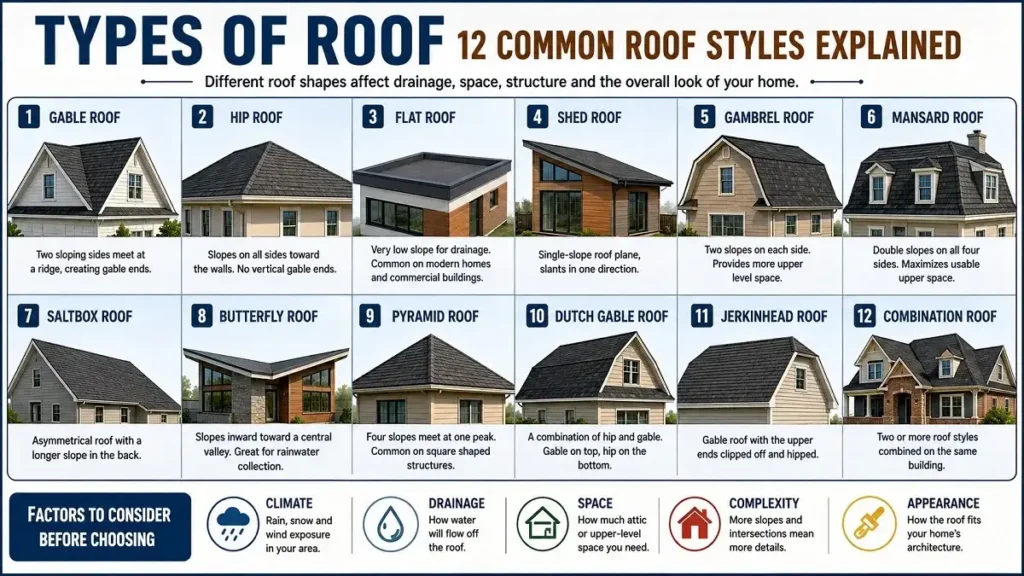
Your roof type influences vent selection. Ridge vents work best on sloped roofs with clear peak lines. Multiple peaks or flat roofs need alternative solutions.
San Jose’s hot summers make passive ventilation effective most of the year. Ridge and soffit vent combinations provide continuous airflow without power costs. Complex rooflines may benefit from powered fans to supplement passive vents.
Consider your attic size. Calculate required ventilation using the 1:150 ratio (one square foot of venting per 150 square feet of attic). Don’t rely on the minimum 1:300 code requirement.
Budget matters, but focus on long-term value. Ridge vents cost more upfront but provide superior, maintenance-free performance for decades. Solar-powered fans eliminate operating costs while delivering active ventilation. Electric fans cost less initially but add to monthly bills.
Local building codes set minimum standards. San Jose contractors stay current on requirements. Work with certified professionals who understand both code compliance and climate-specific needs.
Professional Installation vs. DIY

Professional installation ensures a proper balance between intake and exhaust. Contractors assess your specific situation: attic square footage, roof pitch, existing insulation, and structural factors. They calculate exact NFA requirements and design custom systems.
Improper installation creates problems. Unbalanced systems trap air or create negative pressure. Incorrect flashing causes leaks. Poor vent placement reduces effectiveness.
Professional installation includes:
- Thorough on-site assessment
- Accurate NFA calculations
- Balanced intake and exhaust design
- Proper flashing and sealing
- Code compliance verification
- Warranty protection
DIY installation works for simple vent additions if you have roofing experience. You must understand ventilation principles, calculate requirements accurately, and maintain proper safety practices while working on a roof.
Most homeowners benefit from professional installation. The investment protects your home, ensures optimal performance, and provides warranty coverage.
Maintenance Requirements
Check vents twice yearly, before summer and winter. Look for:
- Debris blocking openings
- Damaged or missing vent covers
- Pest entry points or nests
- Loose or damaged flashing
- Signs of water intrusion
Clean soffit vents from inside the attic or outside as needed. Remove leaves, dirt, and insulation that may have shifted against vents. Verify mesh screens remain intact.
Inspect powered fans annually. Test operation, clean fan blades, and check for unusual noise or vibration. Solar panels need occasional cleaning to maintain efficiency.
Ridge vents require minimal maintenance, but check for damage after severe weather. Heavy snow, high winds, or falling branches can compromise vent integrity.
Replace damaged components promptly. Small problems become expensive repairs when ignored.
Final Thoughts
Proper roofing venting protects your San Jose home from heat damage, moisture problems, and excessive energy costs. The right system reduces cooling expenses by 10-30%, extends your roof’s lifespan, and creates a healthier indoor environment.
San Jose’s climate demands more than minimum code requirements. Work with experienced contractors who exceed standards and design systems optimized for local conditions. Calculate ventilation needs using the 1:150 ratio, balance intake and exhaust properly, and maintain your system regularly.
Your investment in quality ventilation pays dividends through lower energy bills, fewer repairs, and peace of mind knowing your home stays protected year-round.
FAQs
How much does roof ventilation installation cost in San Jose?
Costs vary by system type and home size. Ridge vent installation typically runs $3-$8 per linear foot. Complete ventilation systems, including intake and exhaust vents, cost $1,500-$3,500 for average homes. Solar attic fans range from $400-$800 installed. Get quotes from multiple certified contractors for accurate pricing specific to your roof.
Can I add ventilation to an existing roof?
Yes. Contractors can add vents without replacing your entire roof. Soffit vents, box vents, and powered fans install relatively easily. Ridge vents require cutting the roof panel, but don’t need a full replacement. A professional assessment determines the best options for your existing structure.
How do I know if my current ventilation is adequate?
Calculate your attic square footage and divide by 150. You need at least this many square feet of NFA. Check for warning signs: excessive attic heat, high energy bills, moisture problems, or mold growth. Schedule a professional inspection if you notice these issues or if your roof is over 25 years old.
Do solar-powered vents work during San Jose winters?
Solar vents work whenever sunlight is available. San Jose gets adequate sun even in winter for solar vents to function. These vents perform best when needed most during hot, sunny summer days. For year-round 24/7 operation, electric-powered fans provide consistent performance regardless of weather.
What’s the difference between passive and active ventilation?
Passive ventilation uses natural airflow without power. Ridge vents, soffit vents, and box vents work passively, using heat rise and wind to move air. Active ventilation uses powered fans to force air movement. Passive systems cost nothing to operate and need less maintenance. Active systems provide more control and work better in challenging situations like complex rooflines or insufficient passive venting capacity.