Commercial Real Estate Zanzibar: Your Complete Investment Guide for 2025
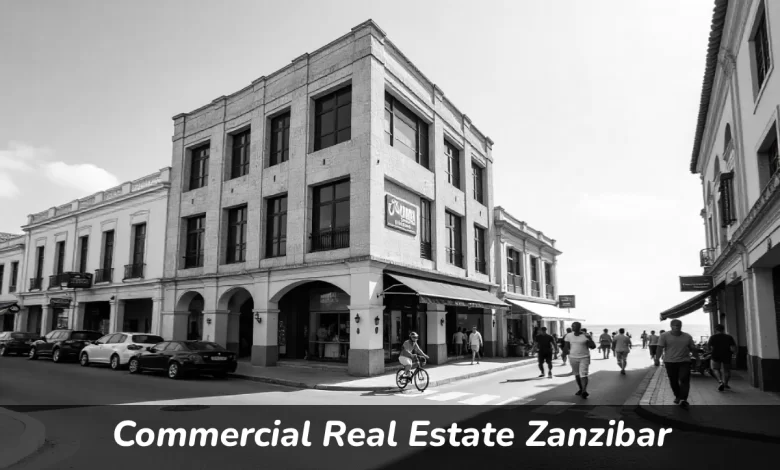
Commercial real estate in Zanzibar offers investors prime opportunities in tourism, retail, and office spaces. Property prices range from $150,000-$2M+ with strong rental yields of 8-12% annually. Key areas include Stone Town, Nungwi, and emerging business districts with growing demand from international businesses.
The Indian Ocean paradise of Zanzibar presents one of East Africa’s most promising commercial real estate markets. You’re looking at a destination where tourism drives 27% of GDP, creating consistent demand for commercial properties. This guide reveals everything you need to know about investing in Zanzibar’s commercial property sector.
Current Market Overview for Commercial Properties
Zanzibar’s commercial real estate market has grown 15% annually since 2022, according to Tanzania’s Ministry of Lands. The archipelago attracts over 500,000 tourists yearly, fueling demand for hotels, restaurants, and retail spaces.
Property prices vary significantly by location. Stone Town heritage buildings command premium rates of $1,500-$3,000 per square meter. Modern commercial developments in Malindi and Mtoni areas range from $800-$1,500 per square meter.
The government’s push for economic diversification has opened new sectors beyond tourism. Tech companies and financial services now seek office space, creating opportunities for mixed-use developments.
“Zanzibar’s commercial property sector offers some of the highest yields in the region,” notes Dr. Amina Hassan, real estate economist at the University of Dar es Salaam. “Investors see 8-12% annual returns, well above regional averages.”
Top Commercial Real Estate Zanzibar Locations
Stone Town Historic District
Stone Town offers unmatched prestige for commercial ventures. UNESCO World Heritage status attracts premium tenants, particularly luxury hotels and high-end restaurants. Expect investment minimums of $300,000-$500,000 for viable commercial spaces.
Rental yields here average 10-14% annually. However, strict heritage regulations limit renovation options. You’ll need specialized permits for any structural changes.
Nungwi and Kendwa Beach Areas
These northern beaches represent Zanzibar’s fastest-growing commercial zones. Resort developments, beach clubs, and tour operators drive rental demand. Commercial plots start around $200,000 with strong appreciation potential.
The area lacks reliable infrastructure outside resort complexes. Factor in additional costs for generators, water systems, and waste management.
Malindi Business District
Malindi serves as Zanzibar’s emerging CBD. Government offices, banks, and corporate headquarters cluster here. Office rents average $12-$18 per square meter monthly, with vacancy rates below 8%.
New developments include mixed-use complexes combining retail, office, and residential units. These projects target the growing local middle class and expatriate community.
Property Types and Investment Returns
Commercial real estate in Zanzibar encompasses several distinct categories:
- Hotels and Guesthouses: 12-18% annual yields, high management requirements
- Retail Spaces: 8-12% yields, dependent on foot traffic and location
- Office Buildings: 6-10% yields, steady long-term tenants
- Warehouses and Industrial: 8-14% yields, growing demand from logistics companies
- Mixed-Use Developments: 10-15% yields, diversified income streams
Tourist-dependent properties show seasonal fluctuations. Peak season (June-September, December-January) generates 60-70% of annual revenues for hospitality-focused investments.
Local businesses prefer long-term leases of 3-5 years, providing stable cash flow. International companies often sign shorter terms but pay premium rates.
Legal Requirements for Foreign Investors
Foreign investors can purchase commercial property through derivative rights or company formation. The Tanzania Investment Centre (TIC) oversees foreign investment approvals for projects above $300,000.
Required documentation includes:
- Certificate of Formation from the local company registrar
- TIC investment license
- Environmental impact assessment (for developments over 1,000 square meters)
- Building permit from Zanzibar Urban Planning Authority
Property ownership requires establishing a local company with at least 51% Tanzanian ownership. Many investors partner with trusted local firms to meet this requirement.
Transfer taxes total 4-6% of property value. Additional costs include legal fees (2-3%), valuation reports ($500-$1,500), and registration fees (1% of value).
“The legal framework strongly favors partnerships with local investors,” explains James Mwalimu, senior partner at Zanzibar Legal Associates. “Foreign investors who work with established local partners navigate the process much more smoothly.”
Financing Options and Investment Strategies

Local banks offer commercial property loans to foreign investors with 30-40% down payments. Interest rates range from 12-18% annually, reflecting Tanzania’s monetary policy.
International financing through offshore banks sometimes provides better terms for qualified investors. Dubai-based banks actively serve the East African market with competitive rates.
Build-to-Rent Strategy
Many investors develop properties specifically for rental income. Tourist areas favor short-term rental strategies using platforms like Airbnb. Business districts work better with long-term commercial leases.
Buy-and-Hold Approach
Established commercial properties in prime locations offer steady appreciation. Stone Town heritage buildings have averaged 8-12% annual value increases since 2020.
Development Projects
Raw land development offers the highest potential returns but requires significant capital and local expertise. Successful projects need 18-36 months from purchase to completion.
Market Challenges and Risk Factors
Infrastructure limitations affect commercial property viability across Zanzibar. Reliable electricity reaches only 76% of commercial areas consistently. Many businesses require backup generators, increasing operational costs.
Water supply issues impact certain districts during dry seasons. Commercial properties need adequate storage systems or alternative water sources.
Currency fluctuations between the Tanzanian Shilling and major currencies create exchange rate risks. Properties priced in USD offer some protection for foreign investors.
Tourism dependency makes hospitality-focused investments vulnerable to external shocks. The COVID-19 pandemic reduced tourism revenues by 70% in 2020-2021, affecting commercial property performance.
Political stability remains strong, but regulatory changes occasionally impact foreign investment rules. Stay updated on policy developments through the Tanzania Investment Centre.
Future Growth Prospects
Zanzibar’s commercial real estate market shows strong fundamentals for continued growth. The government plans major infrastructure upgrades, including:
- Port expansion project ($500M investment)
- New international airport terminal
- Fiber optic cable connections
- Improved road networks
These developments will support commercial property values and rental demand. The World Bank projects 6-8% annual GDP growth for Zanzibar through 2027.
Regional integration through the East African Community creates opportunities for cross-border businesses. Many companies now use Zanzibar as a regional hub for Indian Ocean operations.
Climate change adaptation presents both challenges and opportunities. Properties with sustainable features command premium rents and attract environmentally conscious tenants.
Essential Next Steps for Investors
Start your commercial real estate Zanzibar journey with thorough market research. Visit potential locations during different seasons to understand seasonal variations in business activity.
Establish relationships with reputable local partners early. Property management companies, legal firms, and construction contractors form your essential support network.
Consider starting with smaller investments to learn the market before committing large amounts. Many successful investors begin with single commercial units before expanding to larger developments.
Budget for unexpected costs, including infrastructure improvements, regulatory compliance, and market entry expenses. Successful investors typically allocate 15-20% above initial property costs for contingencies.
Frequently Asked Questions
What’s the minimum investment for commercial real estate in Zanzibar?
Entry-level commercial properties start around $150,000 for small retail spaces outside prime areas. Stone Town properties typically require $300,000+ minimum investments.
How long does the property purchase process take?
Expect 3-6 months from initial offer to completion, including company formation, due diligence, and regulatory approvals. Complex developments may require 8-12 months.
What are typical maintenance costs for commercial properties?
Budget 8-15% of rental income for maintenance, utilities, and management fees. Tourist-area properties often require higher maintenance due to salt air and heavy usage.
Can foreign investors get financing from local banks?
Yes, but requirements are strict. Banks typically require 30-40% down payments, proof of income, and local guarantors. Interest rates range from 12-18% annually.
What’s the best strategy for first-time investors?
Start with established properties in proven locations rather than development projects. Partner with experienced local investors and focus on areas with diversified economic bases beyond tourism alone.