The $15 Amazon Buy That Finally Organized My Chaotic Basement
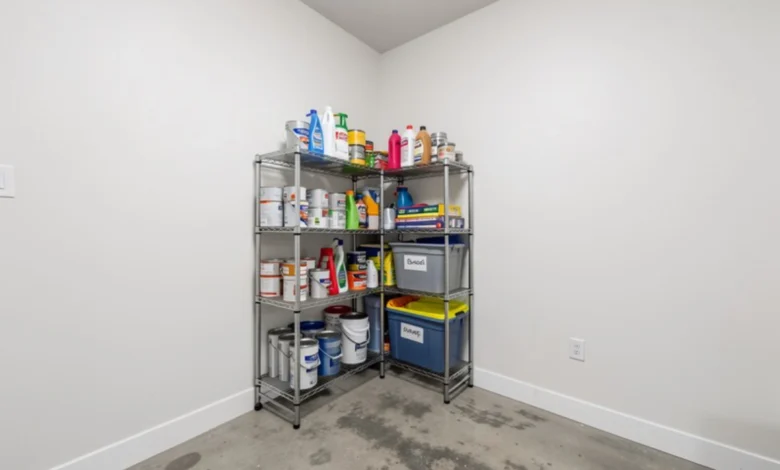
Most basement organization products promise miracles but deliver clutter in a different form. After testing dozens of Amazon storage solutions, one $15 purchase changed everything: the Simple Trending 3-Tier Stackable Shoe Rack. This wire shelving unit works for far more than shoes. It holds paint cans, cleaning supplies, sports equipment, and small bins while taking up less than two square feet of floor space.
The real breakthrough came from understanding that basement organization fails when you buy the wrong type of storage first. You need to see what you have before you containerize it. Start with open shelving that adapts to your actual items, not plastic bins that force you to play Tetris every time you need something. This approach costs less, works faster, and actually stays organized for months instead of weeks.
Your basement looks like a storage unit that charges no rent but demands your sanity as payment. Boxes stack against the walls. Holiday decorations mix with power tools. You own three snow shovels but can only find one when winter hits.
The solution isn’t buying more containers. You need a system that makes sense for how you actually use your basement. Most people waste money on elaborate storage solutions when a few strategic purchases would solve 80% of their problems.
This article breaks down exactly what works for basement organization, starting with the most cost-effective solutions that deliver real results. You’ll learn which Amazon products are worth buying, which ones waste your money, and how to set up a system that stays functional instead of collapsing after two months.
The $15 Wire Rack That Beats $200 Shelving Systems
The Simple Trending 3-Tier Stackable Shoe Rack costs around $15 and holds up to 50 pounds. You can stack multiple units or use them side by side. The open wire design prevents moisture buildup, which matters in basements where humidity causes mold in enclosed storage.
This rack works because it adapts. Small paint cans sit on the bottom tier. Spray bottles and cleaners go on the middle shelf. The top holds smaller bins or boxes. You can see everything at a glance instead of opening six containers to find one item.
Compare this to those massive plastic shelving units that cost $150 or more. They look organized in product photos, but create dead space in real basements. The shelves sit too far apart for small items, forcing you to buy more bins. Then you forget what’s in each bin and end up buying duplicates.
The wire rack strategy works better because you start small. Buy two or three units for $45 total. Organize one category of items per rack. If you need more storage later, add another $15 unit instead of committing to a whole system upfront.
What Actually Needs Bins (And What Doesn’t)
Plastic storage bins make sense for three things: items you access seasonally, things that need dust protection, and supplies that could get damaged by moisture. Everything else works better on open shelving, where you can grab it without digging.
The Sterilite 27-Gallon Tote with a yellow lid costs about $12. The yellow lid matters because color coding prevents the “which bin has the Christmas lights” problem. Use yellow for holiday items, blue for camping gear, and clear for everything else you need to see inside.
Skip the expensive label makers. Use a permanent marker directly on the bin. Write large enough to read from 10 feet away. Your future self will thank you when you need something quickly.
Here’s what doesn’t need bins: tools you use monthly, cleaning supplies, paint, sports equipment in active rotation, and anything you reach for more than once per season. These items belong on open shelving or wall-mounted storage where you can access them in seconds.
The biggest mistake people make is containerizing everything. They buy 20 matching bins, sort items into categories, then never open half the containers again. You’ve just created organized clutter that costs more and works worse than leaving things visible on shelves.
Wall Space Saves More Money Than Floor Storage
Your basement walls can hold hundreds of pounds of equipment if you use the right mounting system. The Rubbermaid FastTrack Garage Storage System starts around $25 for the rail and hooks. It mounts directly to wall studs and holds rakes, shovels, bikes, and extension cords off the floor.
Wall-mounted storage gives you back floor space for shelving units or workspace. It also keeps items dry if your basement ever gets minor water seepage. Everything hanging at least 12 inches off the floor survives small moisture issues that would ruin boxes sitting on concrete.
Install the rail at shoulder height, not above your head. You want to hang and retrieve items without a step stool. Mount it level using a 4-foot level, not the cheap 2-foot version. The longer level prevents the “looks straight but slopes 2 inches over 8 feet” problem that makes everything slide to one side.
Heavy items like bikes need specialized hooks. The Monkey Bars Bike Hook costs about $8 and mounts to the FastTrack rail. It holds up to 75 pounds and angles the bike at 45 degrees, so it takes up less wall space. Two bikes can hang in the space where one would stand on the floor.
The Overhead Storage Mistake That Wastes Your Money
Those overhead garage storage racks that promise to use ceiling space sound perfect until you install them. They cost $150 to $300, require ceiling joists that might not exist in your basement, and create storage you can barely reach without a ladder.
If you have 8-foot ceilings in your basement, overhead storage leaves you with 6 feet of clearance after the rack and bins. You’ll hit your head, the space feels cramped, and retrieving anything becomes a project instead of a quick grab.
The better move is using the top shelf of your floor-to-ceiling shelving unit for rarely accessed items. The Seville Classics UltraHD Commercial Heavy-Duty Steel Shelving costs about $120 for a 6-foot-tall unit. The top shelf holds bins you access once or twice per year. Lower shelves keep frequently used items at waist height.
This setup gives you the same storage capacity as overhead racks but keeps everything accessible. You can pull a bin from the top shelf in 30 seconds instead of setting up a ladder, climbing up, wrestling with awkward weight above your head, and hoping nothing falls.
Moisture Control Before Organization
You can buy every storage product on Amazon, but moisture will destroy your organization system if you skip this step. Basements in humid climates need a dehumidifier running year-round. The HomeLabs 4,500 Sq. The Ft. Energy Star Dehumidifier costs around $230 and prevents mold on stored items.
Set the dehumidifier to 50% humidity. Lower than that wastes electricity. Higher allows mold growth on fabric, cardboard, and wood. Empty the collection bucket daily or connect it to a drain hose if your basement has a floor drain.
Even with a dehumidifier, never store items directly on concrete floors. Concrete wicks moisture up through cardboard boxes and into your belongings. Use wooden pallets, plastic shelving, or those wire racks to keep everything at least 4 inches off the ground.
Skip moisture-absorbing products like DampRid unless you have a small closet or cabinet to protect. These products work in contained spaces but can’t handle whole-room humidity in a basement. You’ll spend $10 per month replacing them when a dehumidifier solves the problem permanently.
The Three-Zone System That Actually Works
Divide your basement into three zones: active use, seasonal rotation, and long-term storage. Active use items sit on open shelving near the basement entrance. Seasonal items go in labeled bins on mid-level shelves. Long-term storage belongs on the highest or deepest shelves where access matters least.
Active use might include tools, cleaning supplies, extra paper products, and pet supplies. You should be able to walk into your basement and grab these items in under 30 seconds without moving anything else.
Seasonal rotation includes holiday decorations, camping gear, winter clothing, and sports equipment that change with the weather. Store these in labeled bins on shelving units in the middle of your basement. Swap items between active and seasonal zones as the calendar changes.
Long-term storage holds items you keep but rarely touch: old tax documents, sentimental items, baby clothes for future kids, and furniture you’re not using. These can go on the top shelves or in the back corner, where difficult access doesn’t matter.
This zone system prevents the “everything is equally important” trap that makes basements unusable. When you treat all items the same, you waste prime storage space on things you access once every five years while making daily-use items hard to reach.
What to Buy First (And What to Skip)
Start with two wire racks at $15 each and one 4-pack of yellow-lid storage bins for $48. That’s $78 total. Organize your most-used items on the racks and put seasonal items in the bins. Live with this setup for two weeks.
After two weeks, you’ll know exactly what additional storage you need based on real use patterns instead of guesses. Maybe you need wall-mounted hooks for garden tools. Maybe you need one more shelving unit. Maybe the $78 setup already solved your problem, and you can spend the remaining budget on something else.
Skip these common purchases: fancy label makers ($40 saved), matching bin sets that cost twice as much as individual bins ($60 saved), and elaborate closet systems designed for bedrooms but marketed for basements ($200 saved). These products solve problems that don’t exist in most basements.
Your basement needs functional storage that makes items accessible, not Instagram-worthy organizing systems that require maintenance. The best basement organization product is the one you’ll actually use six months from now when the initial excitement wears off, and you just need to grab a screwdriver quickly.