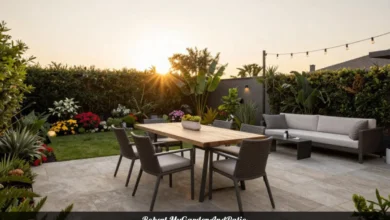
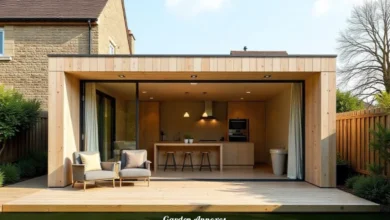
Zuhagarten: Transform Your Space into a Personal Garden Sanctuary
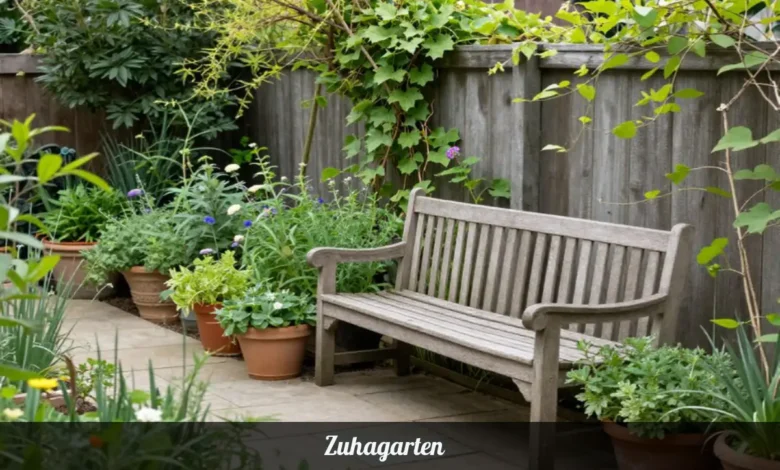
Zuhagarten combines German words “zu Hause” (at home) and “Garten” (garden) to describe a personal garden sanctuary designed for peace, reflection, and emotional well-being. It’s not just outdoor space—it’s a mindful approach to creating harmony between your living environment and mental health through intentional garden design.
The world moves faster every year. Stress levels climb. Screen time dominates. Many people feel disconnected from nature and themselves. Zuhagarten offers an answer—a concept that blends German tradition with modern wellness needs to create personal garden spaces that heal, restore, and inspire.
What Zuhagarten Means for Your Home
The term zuhagarten merges two German words. “Zu Hause” means “at home.” “Garten” means “garden.” Together, they describe more than a backyard plot or flower bed. This concept represents a thoughtfully designed outdoor sanctuary that reflects your values, meets your emotional needs, and creates a retreat from daily pressures.
You don’t need acres of land. A zuhagarten can exist on a balcony with potted herbs, a small backyard corner, or even a community garden plot. What matters most is intention. Each plant, stone, and pathway serves a purpose beyond decoration. The space becomes an extension of your inner world.
Research from the University of Colorado Boulder found that people who started gardening experienced significant drops in stress and anxiety levels. Those already struggling with mental health challenges saw the most dramatic improvements. A 2024 umbrella review published in Systematic Reviews confirmed that gardening interventions consistently improve mental well-being, health status, and quality of life across diverse populations.
Why Modern Life Needs Zuhagarten
Technology connects us globally but isolates us locally. Work demands never stop. Urban environments offer convenience but lack green space. This disconnect creates mental health challenges that affect millions.
The statistics tell a clear story. Studies show that exposure to green spaces reduces symptoms of anxiety and depression. People living in neighborhoods with more gardens and parks report lower mental distress and higher life satisfaction. The World Health Organization recognizes green spaces as essential for mental health and recommends that cities prioritize park and garden development.
Your zuhagarten addresses these modern problems. It creates a buffer zone between you and external stress. The space offers sensory experiences that screens cannot replicate—soil texture, plant scents, bird sounds, and seasonal changes. These physical connections ground your nervous system and restore mental balance.
Design Elements That Define a Zuhagarten
Unlike formal gardens, a zuhagarten embraces imperfection. Function and feeling matter more than appearance. Your space might mix edible and ornamental plants. Wildflowers can grow beside vegetables. Climbing beans can share space with decorative vines. This biodiversity supports local wildlife and creates visual interest.
Essential components include:
- Edible plants like herbs, berries, tomatoes, and greens
- Native species that support pollinators and reduce water needs
- Textural contrasts using wood, stone, soil, and varied greenery
- Multi-use zones for cooking, relaxing, growing, and playing
- Personal objects that add meaning—old tools, handmade pots, inherited furniture
Memory plants add emotional depth. A lavender bush from your grandparents’ yard. A tree was planted on a birthday. Herbs that remind you of childhood meals. These connections transform your garden into a living autobiography.
The Science Behind Garden Healing
Putting your hands in soil releases feel-good chemicals in the brain. Physical contact with the earth grounds your nervous system. This isn’t folklore—it’s documented science.
A 2023 study published in the Journal of Mental Health found that group-based gardening interventions significantly improved well-being and reduced symptoms of mental health issues in adults. Gardening lowers cortisol levels, the hormone associated with stress. It provides moderate exercise that reduces the risks of dementia, cardiovascular disease, and diabetes.
The therapeutic benefits come from multiple sources. Spending time in nature calms your mind and body. Green environments naturally reduce stress and promote relaxation. Gardening requires focus and attention to detail, which induces mindfulness. When you’re fully present while tending plants, you let go of worries and stress. Physical activity releases endorphins that boost mood and reduce pain.
Create Your Zuhagarten in Four Seasons
A true zuhagarten changes with natural cycles. You work with seasons instead of fighting them.
Spring brings renewal. Plant cool-season crops and perennials. Watch pollinators return. The garden awakens slowly, teaching patience. Early mornings offer quiet moments to observe new growth and plan the season.
Summer means abundance. Harvest vegetables and herbs regularly. Spend evenings in your garden with family. The space becomes a second living room. Long days allow you to extend outdoor time, creating memories while surrounded by thriving plants.
Autumn offers reflection. Gather final harvests. Collect seeds for next year. Prepare beds for winter rest. The garden teaches about completion and letting go. Falling leaves and changing colors remind you that endings create space for new beginnings.
Winter provides quiet beauty. Bare branches catch snow. Frost patterns appear on leaves. Birds visit feeders you’ve placed. You plan and dream about spring. This rhythm connects you to something larger than daily routines.
Mental Health Benefits You Can Measure
Research consistently demonstrates gardening’s impact on psychological well-being. A 2024 study showed that healthy people without existing mental health conditions still experienced significant mental well-being boosts through gardening. The benefits weren’t limited to those already struggling.
People who garden regularly report reduced stress, improved mood, and enhanced mindfulness. The practice combines physical activity with social interaction and nature exposure. Working in your garden restores dexterity and strength. The aerobic exercise involved burning calories comparable to gym activities.
Morning watering gives you quiet time before demands start. This ritual grounds you and provides gentle exercise. Evening walks through your garden help you decompress. You check on plant progress and notice small changes. These small rituals accumulate, creating structure and purpose.
Sustainable Living Through Your Garden
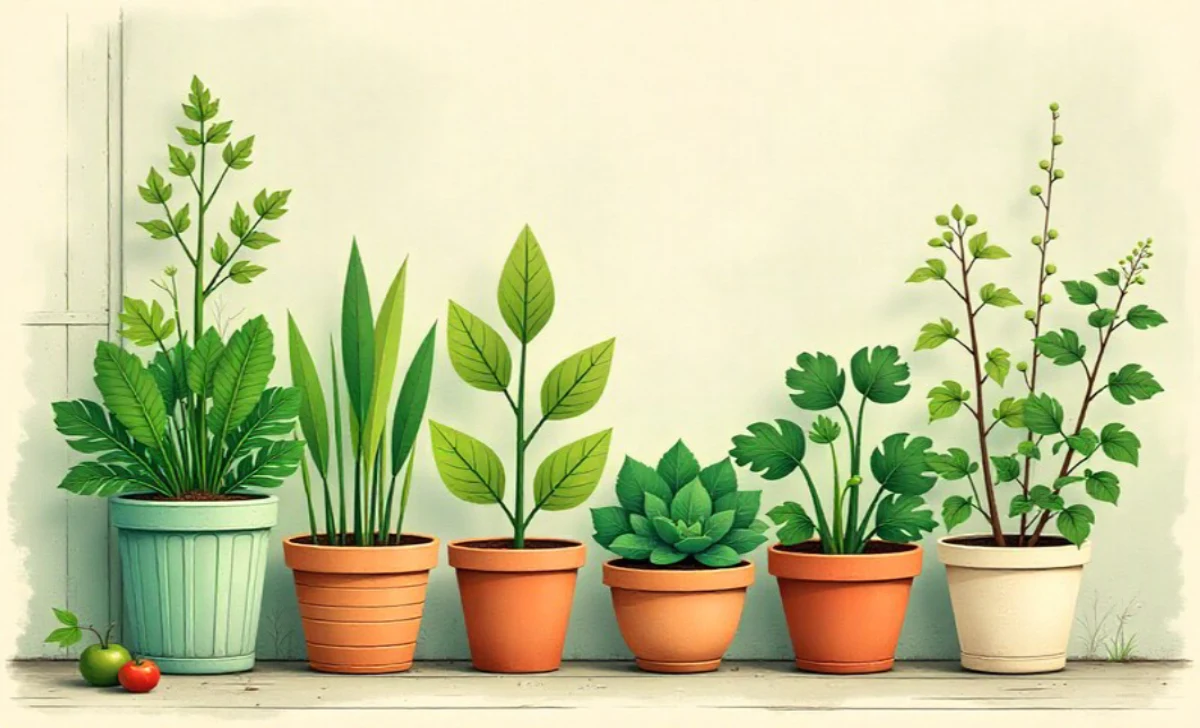
Your zuhagarten reduces environmental impact without major effort. Growing even small amounts of food cuts packaging waste. When you harvest fresh herbs for dinner, meals become more meaningful. You reconnect with food systems often hidden behind grocery store convenience.
Many zuhagarten spaces embrace circular practices:
- Compost kitchen scraps to nourish soil
- Reuse old furniture as garden features
- Repurpose glass jars as lanterns
- Harvest rainwater for irrigation
- Use natural pest control methods
Plant native species to support local ecology. Avoid synthetic chemicals. Your garden becomes a refuge for bees, butterflies, birds, and beneficial insects. This small-scale conservation makes a real difference.
Build Community Connections
Though deeply personal, your zuhagarten can bridge connections. The space becomes a place to host small gatherings, swap seeds with neighbors, and inspire others to slow down and dig in.
Host herb swap evenings where neighbors exchange cuttings and growing tips. Organize garden storytelling circles where people share successes and failures. Create outdoor painting or craft sessions surrounded by plants. Celebrate mini-harvests with those you care about. Offer mindful movement or yoga mornings in your green space.
These activities build social connections while centered on nature. People bond over shared interests and experiences rather than screens and schedules.
Start Small and Grow Intentionally
Beginning your zuhagarten doesn’t require expertise or expense. Start with intention. Ask yourself what you want to feel in this space. Peace? Joy? Connection? Energy? Let your answer guide every decision.
Choose three to five plants that resonate with you. Select varieties that suit your climate and available light. Herbs work well for beginners—basil, mint, rosemary, and thyme tolerate mistakes and provide immediate rewards.
Add one comfortable seating spot. A simple chair or bench creates a destination. You need somewhere to sit, observe, and simply be present in your space.
Include one personal object with meaning. An old watering can. A handmade marker. Something that makes the space uniquely yours. These touches transform generic gardens into personal sanctuaries.
Children and the Zuhagarten Experience
Modern childhood often disconnects young people from nature. Your zuhagarten invites children to get messy, curious, and creative. Build spaces that allow digging and discovering insects. Give kids their own mini-patch of vegetables to grow. Let them make mud pies or garden art without correction.
Children who garden develop patience, responsibility, and appreciation for natural cycles. They learn that food doesn’t simply appear in stores. They understand that growth takes time and care. These lessons extend far beyond your garden borders.
The space becomes both classroom and playground. It sparks wonder that screens cannot replicate. Kids who connect with nature early develop stronger environmental ethics and better mental health outcomes.
Blend Indoor and Outdoor Living
A hallmark of Zuhagarten is blurred boundaries between home and garden. Your outdoor space becomes an extension of indoor rooms rather than a separate zone.
Achieve this through covered patios with cozy textiles, sliding doors that open directly to garden areas, and plants indoors that echo outdoor species. Herb drying racks inside sit just steps from growing plants. Outdoor kitchens or pizza ovens encourage cooking where ingredients grow.
This fluid lifestyle feels fresh and full of breath. You move naturally between spaces throughout the day. The distinction between “inside” and “outside” softens. Your entire home expands.
Daily Rituals That Transform Routine
Tending your zuhagarten becomes less about chores and more about daily practices that calm your nervous system and feed your soul. These rituals don’t require hours. Even five minutes of intentional garden time creates a meaningful impact.
Water plants each morning with full attention. Notice new growth, changing colors, or unexpected visitors. Light candles in your garden during evening hours. Write thoughts in a garden journal while surrounded by greenery. Walk barefoot on grass when possible. Harvest ingredients with gratitude before cooking.
Each small act returns you to presence. Each moment spent in your garden reminds you that peace exists in simple actions. Over time, these rituals become anchors that steady you through life’s turbulence.
Your Unique Expression
No single way exists to create a zuhagarten. Some prefer minimalist spaces with clean lines, a few favorite plants, neutral tones, and a quiet bench. Others love maximalist gardens with wild vines, color explosions, quirky sculptures, and sensory surprises at every turn.
Authenticity matters more than aesthetic trends. Whatever path you choose should feel like an extension of your inner world. Your garden reflects your personality, values, and needs. Don’t copy what others create. Build what calls to you.
Trust your instincts about plant choices, layout, and design. Your zuhagarten evolves. What you plant today might change next season. Allow your space to grow and shift with you.
Final Thoughts
Zuhagarten represents more than a gardening trend or design concept. It’s a philosophy of life rooted in nature, nurtured by intention, and expressed through connection. Whether you work with acres of land or a window box, the principles remain constant: create beauty, grow meaning, and live closely with natural rhythms around you.
Modern life creates distance from fundamental human needs. We evolved alongside plants. Our survival depended on understanding seasons, nurturing growth, and harvesting wisely. Zuhagarten reconnects you with these ancient relationships.
Your personal garden sanctuary offers healing in an anxious world. It provides purpose when days feel meaningless. It creates community in isolated times. Start small. Plant one seed. Water with intention. Watch what grows—both in soil and in your life.
Frequently Asked Questions
How much space do I need to create a zuhagarten?
You can create a zuhagarten in any space—from a small balcony with container plants to a large backyard. The concept focuses on intention and personal connection rather than size. Even a sunny windowsill with herbs can serve as your garden sanctuary if designed with care and mindfulness.
What plants work best for beginners starting a zuhagarten?
Start with hardy herbs like basil, mint, rosemary, and thyme. These tolerate beginner mistakes, grow quickly, and provide immediate rewards. Add native plants suited to your climate—they require less maintenance and support local wildlife. Avoid complicated or high-maintenance varieties until you build confidence.
Can I practice Zuhagarten principles in an apartment without outdoor space?
Absolutely. Create an indoor zuhagarten using houseplants that improve air quality—spider plants, pothos, snake plants, and peace lilies. Place plants near where you relax or work. Establish watering routines that provide mindful moments. The mental health benefits come from intentional interaction with plants, not outdoor space requirements.
How does a Zuhagarten differ from regular gardening?
Traditional gardening often emphasizes aesthetics or crop production. Zuhagarten prioritizes emotional connection, mental well-being, and intentional design that reflects your values. It embraces imperfection, seasonal changes, and personal meaning over perfection. The space serves as a sanctuary for reflection and stress relief, not just plant cultivation.
What time commitment does maintaining a Zuhagarten require?
Start with 10-15 minutes daily for basic care—watering, observing, and light maintenance. Seasonal tasks require more time but remain manageable. The key is consistency rather than duration. Brief daily rituals provide mental health benefits even when you can’t spend hours gardening. Design your space to match your available time.